

Cook Islands
The Cook Islands, a group of 15 islands scattered across the South Pacific, offer a rare blend of Polynesian tradition and laid-back island charm. Rarotonga, the largest and most visited island, is ringed by a turquoise lagoon and backed by lush mountains. Visitors can circle the entire island in under an hour, stopping along the way for fresh coconut, beachside cafés, or a quick swim in the clear lagoon.
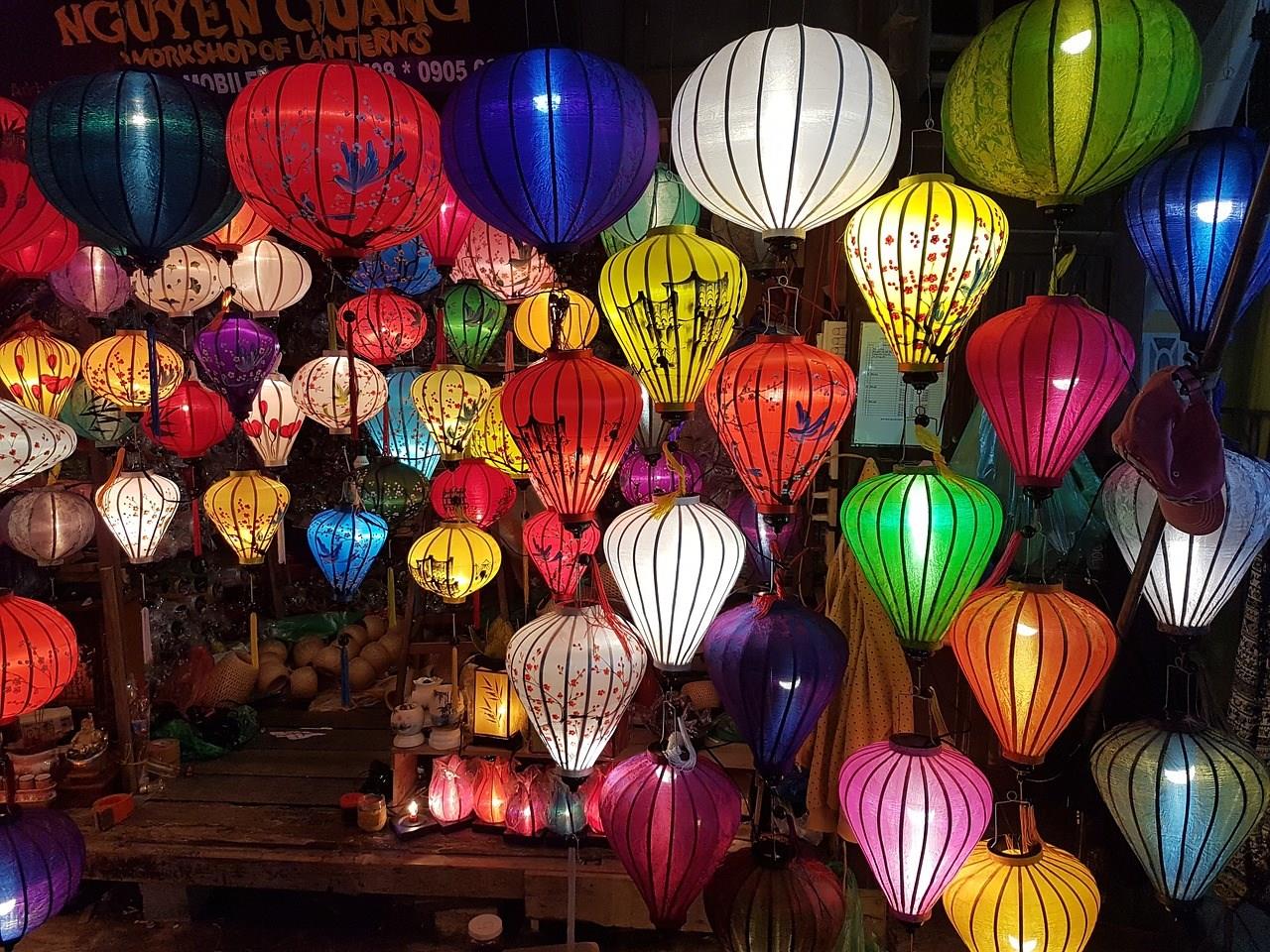
Hoi An
A former trading port and now a fascinating itinerary stop for any Vietnam traveler, Hoi An's illuminated lanterns beckon you. Each lunar month on the 14th day, electric lights are turned off in favor of traditional lanterns. Must-sees in this well-preserved locale include Quan Cong Temple, the 1700s-era Japanese Covered Bridge, An Bang Beach with its white sands, and Hoi An Night Market, abuzz with local sellers offering food and unique wares.

Golubac
Golubac is a gateway to the Iron Gates Gorge, a stretch of the Danube River that separates the Carpathian and Balkan mountains.

Ol Doinyo Lenga
Ol Doinyo Lengai, often called the "Mountain of God," is an active volcano located in northern Tanzania and is a must-visit for adventurous travelers. Towering over the Great Rift Valley, this majestic peak is unique due to its lava composition. Unlike most volcanoes that produce molten lava, Ol Doinyo Lengai emits natrocarbonatite lava, which is unusually cool and flows like water. This rare phenomenon makes it one of the most intriguing volcanic landscapes on Earth.

Philippines
The Philippines is an archipelago of more than 7,600 islands in Southeast Asia, known for its striking coastlines, tropical forests, and vibrant cultural diversity.


