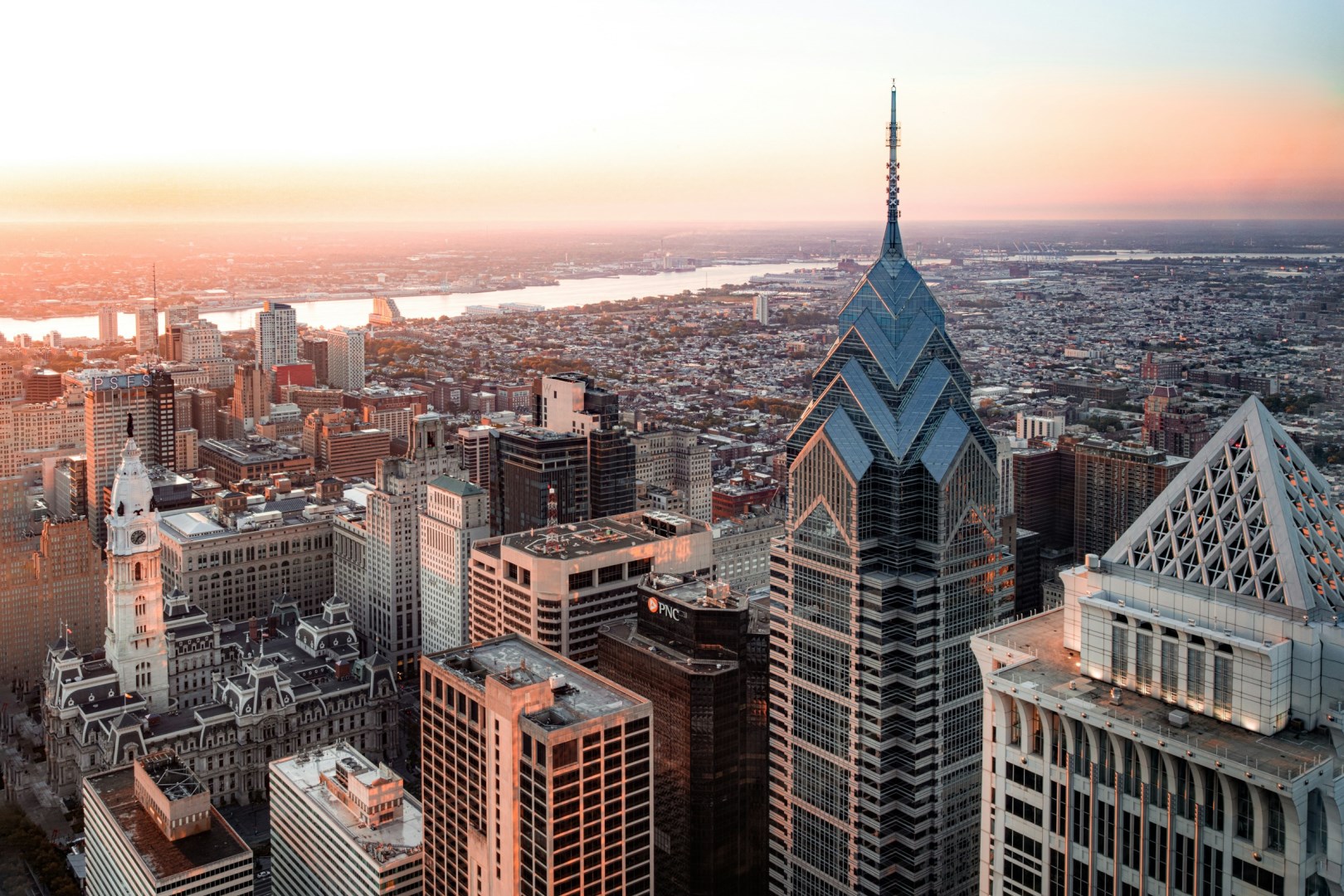
Philadelphia, the birthplace of American democracy, offers visitors a rare opportunity to walk through the very streets where the nation’s founding ideals were debated, signed, and set into motion. The city's art scene is as bold as its history. The Philadelphia Museum of Art is home to works by Van Gogh, Duchamp, and an entire Japanese teahouse, but it might be better known for the "Rocky Steps" out front, where visitors recreate the famous movie scene daily.
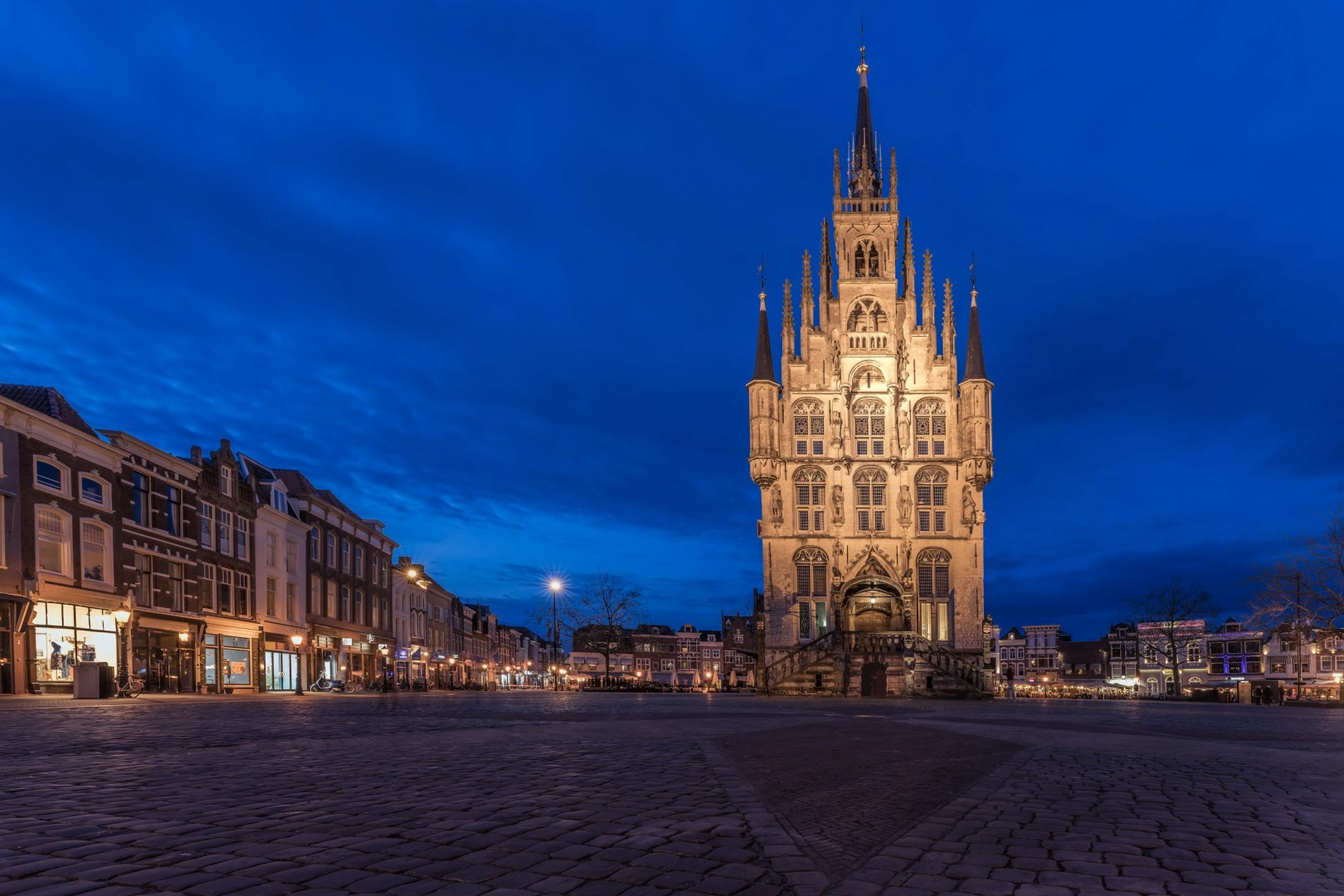
Gouda is a historic city in South Holland, situated where the Gouwe and Hollandse IJssel waterways meet. Its compact center is known for canals, brick houses, bridges, and a network of narrow streets surrounding the Markt, one of the Netherlands’ largest historic town squares. The Gothic St. John’s Church dominates the square and is particularly notable for its extensive collection of stained-glass windows.
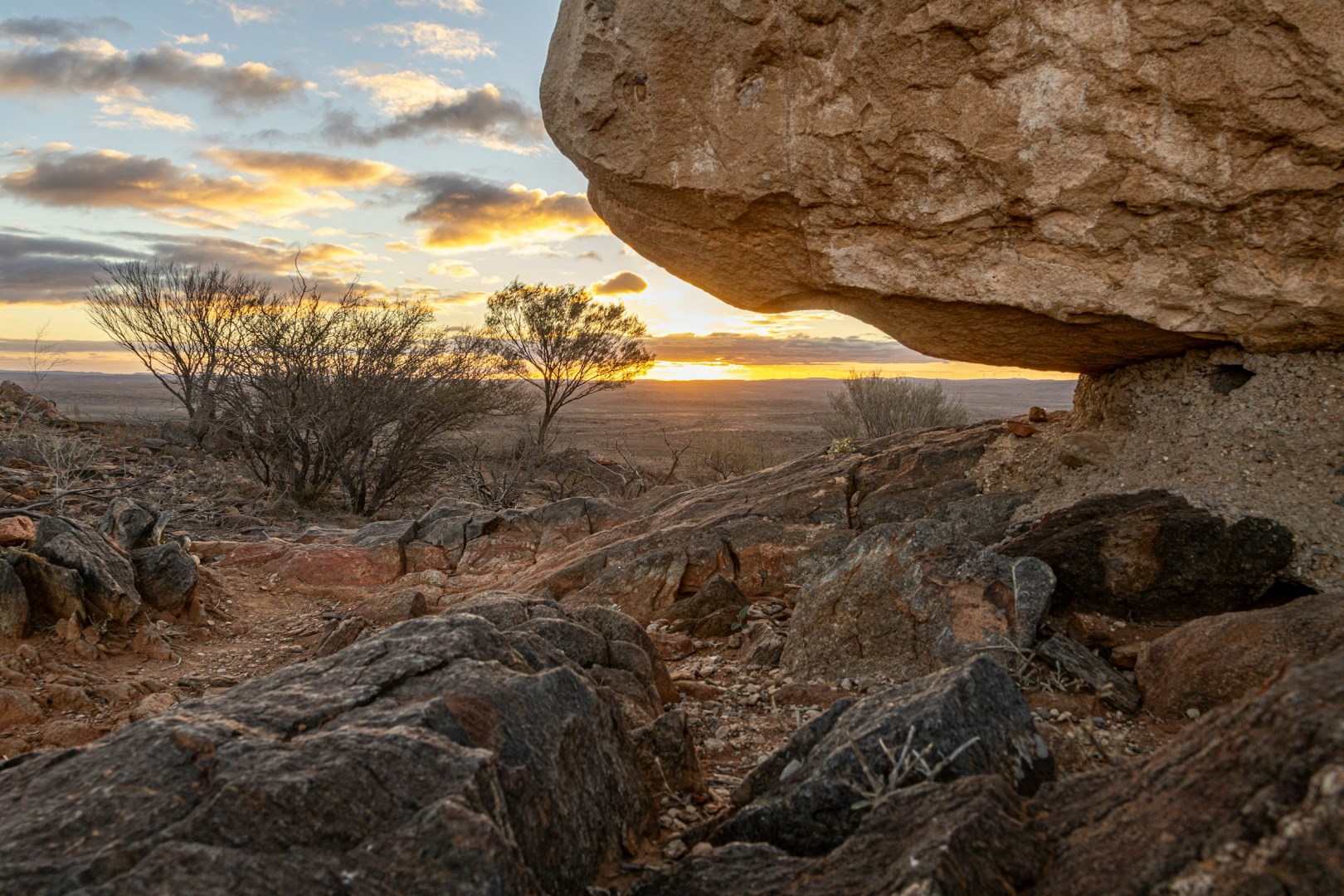
Broken Hill is a mining town which is also very popular amongst Australian artists. The town is known as ‘Silver City’ and still mines for Silver, lead and zinc today. However there is only one mine that is still open today. When you get here be prepared to change your watches.
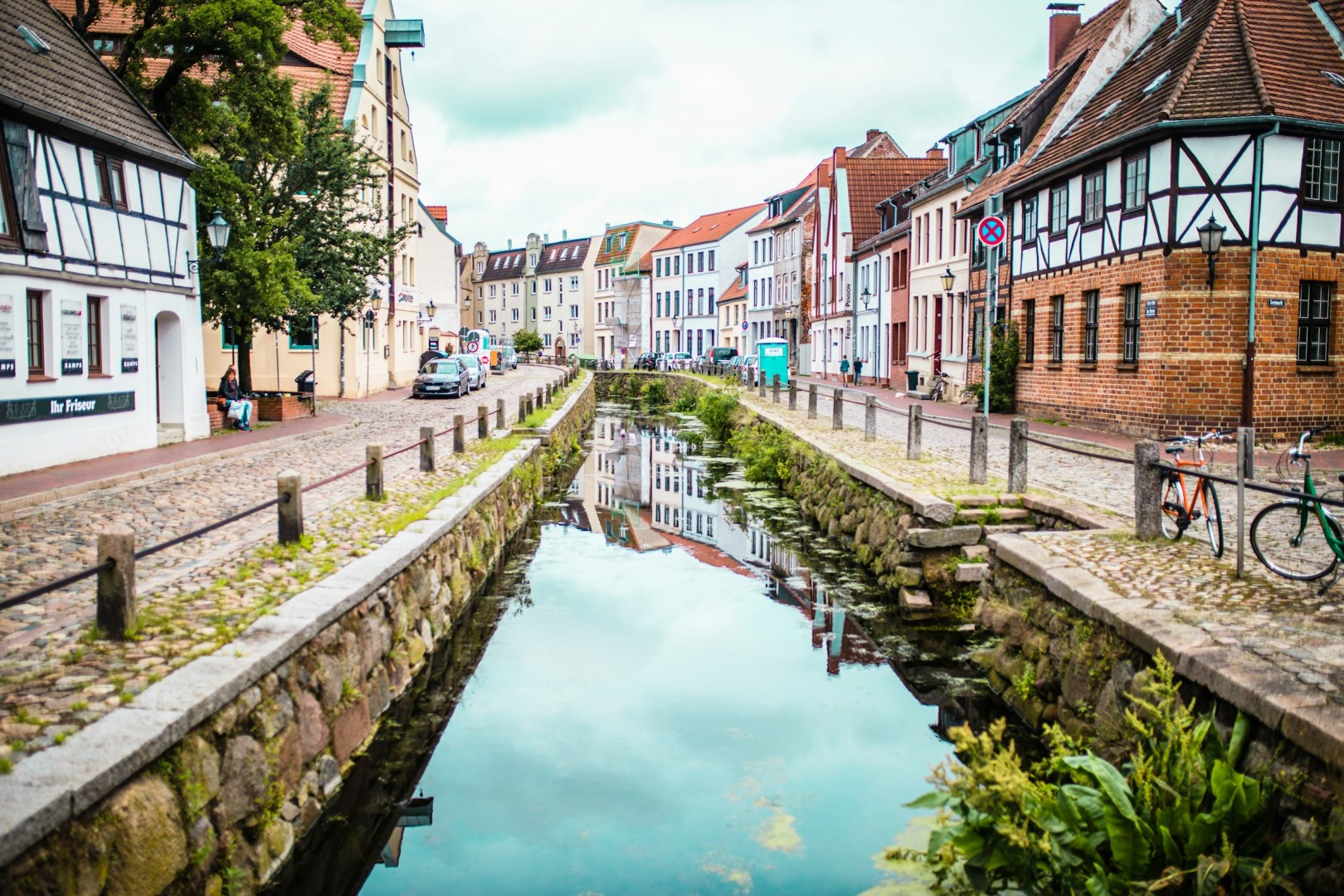
Wismar is a historic port city on Germany’s Baltic coast in the state of Mecklenburg-Western Pomerania. Its old town is known for a remarkably well-preserved medieval street plan, large brick churches, merchant houses, and a harbor connected to the Baltic Sea. The city’s architecture reflects its former importance within the Hanseatic trading network, while the waterfront continues to support maritime activity.
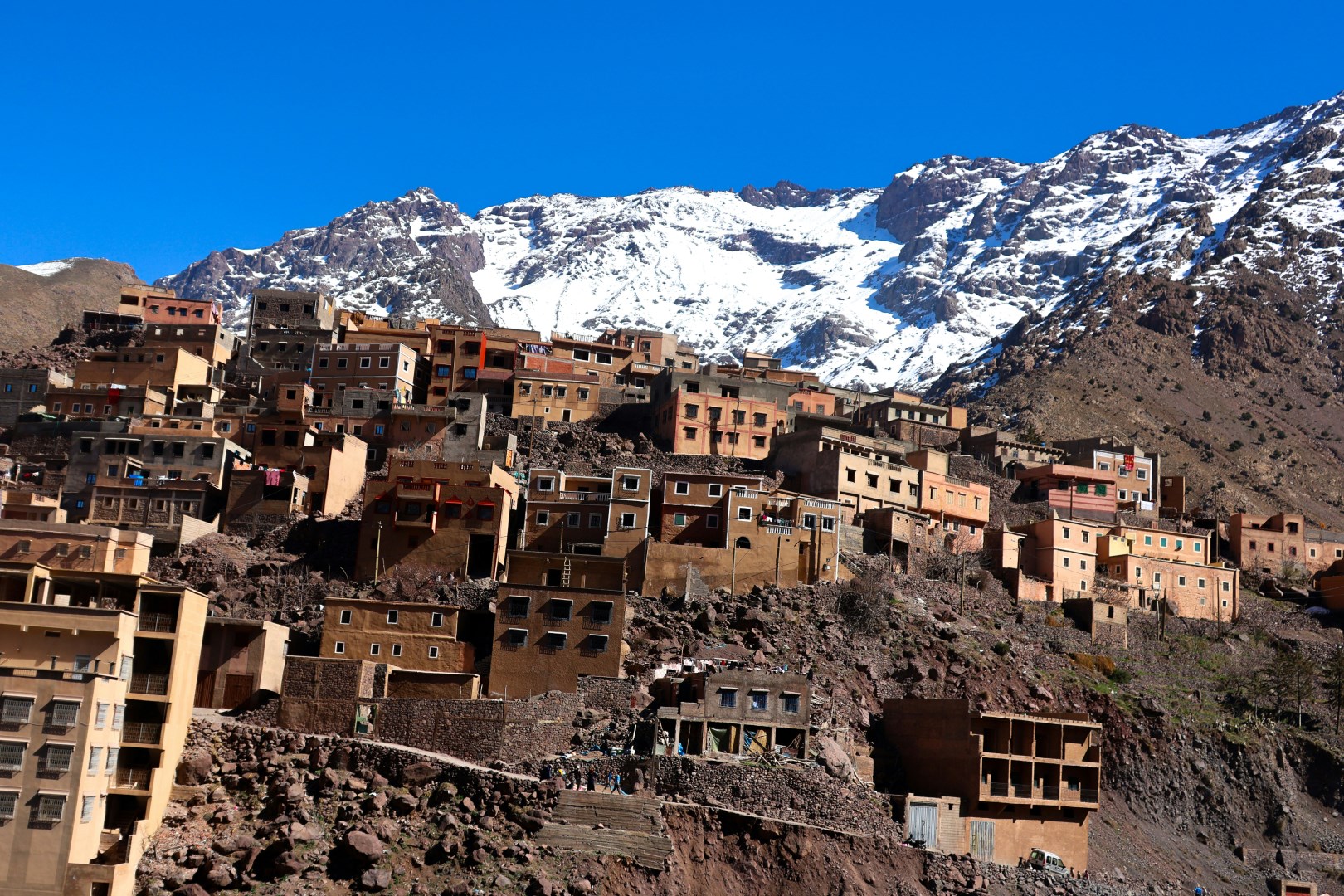
High in the Atlas Mountains, the village of Aroumd sits on a rocky slope above the Ait Mizane Valley. Reached by a walk or mule path from nearby Imlil, the journey itself sets the tone as one that's quiet, scenic, and far removed from city life. At nearly 1,900 meters above sea level, the air feels crisp, and the views stretch across terraced hills and distant peaks. The absence of large roads keeps the village peaceful, allowing visitors to experience daily life at a slower pace.
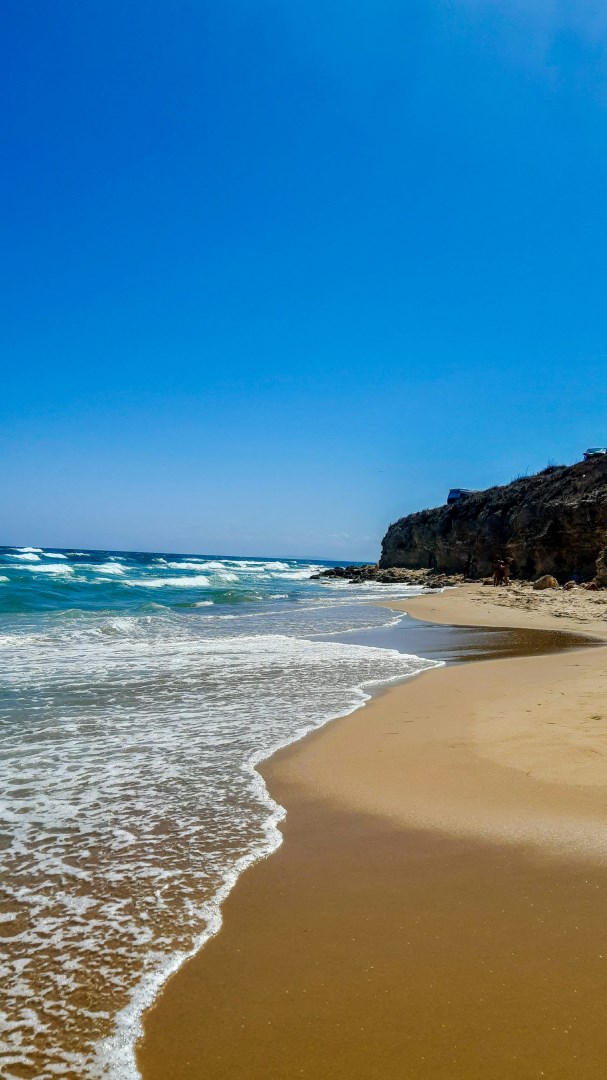
Photo Credit: Photo by Valery Balabanov on Unsplash
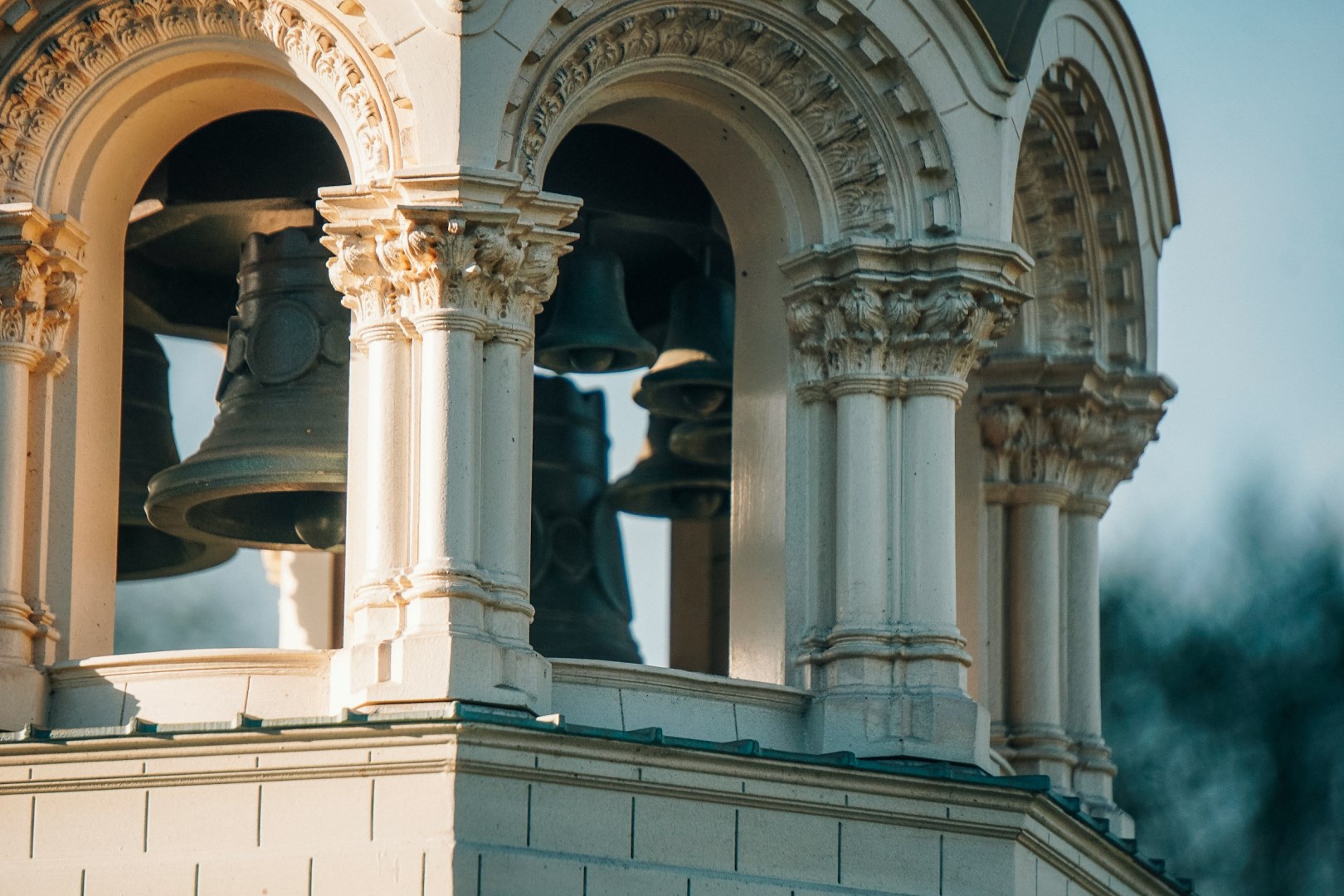
Photo Credit: Photo by Luba Ertel on Unsplash
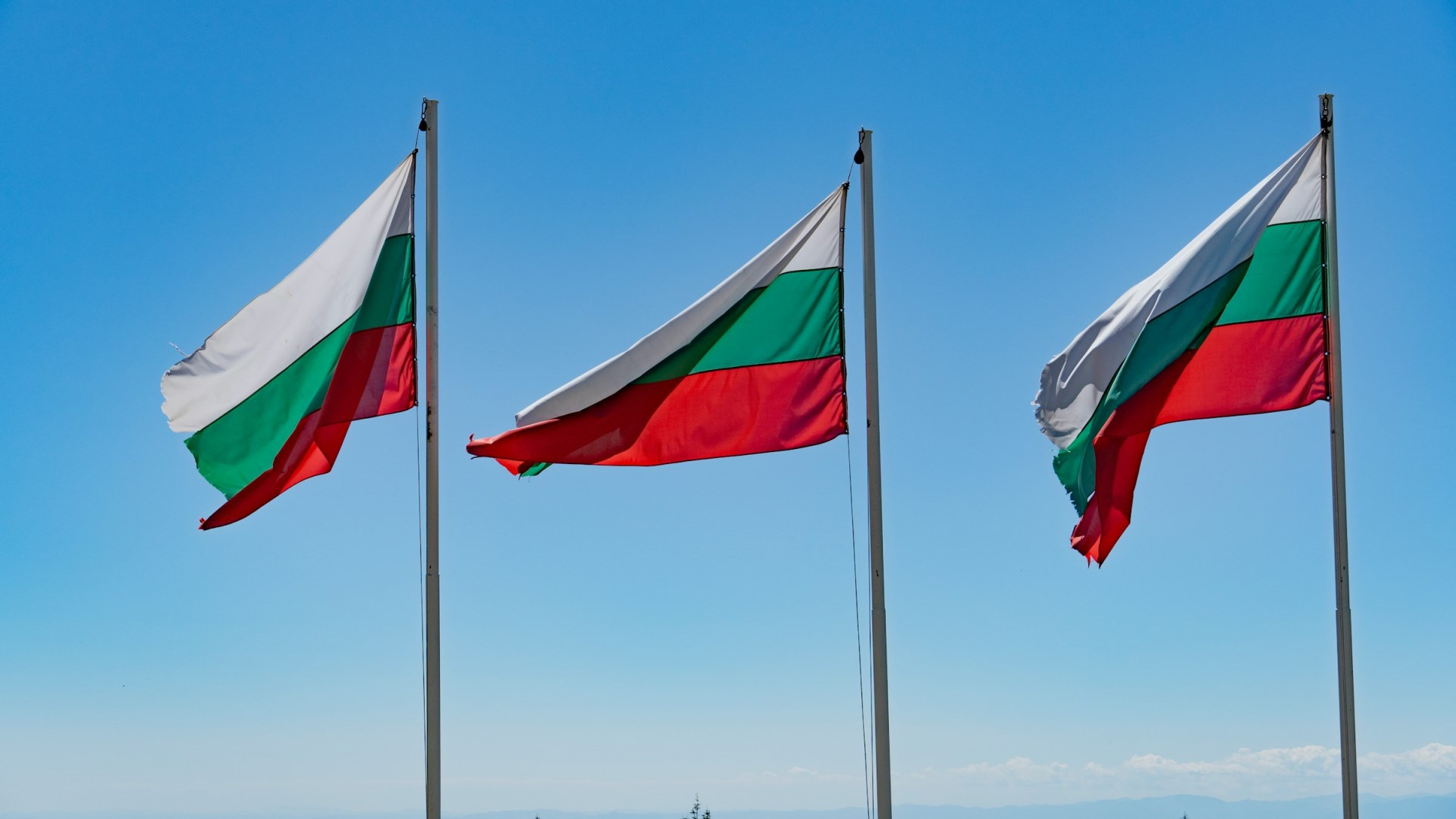
Photo Credit: Photo by Monica Garniga on Unsplash
Photo Credit: Photo by Valery Balabanov on Unsplash
Veliki Preslav
Photo Credit: Photo by Ekaterina Nikolova on Unsplash
Bulgaria is a republic in southeastern Europe. The capital and largest city is Sofiya. Bulgarian culture has been influenced successively by Byzantine, Greek, Russian, and Western cultures.
Large libraries in Sofiya include the Central Library of the Bulgarian Academy of Sciences, the library of the University of Sofiya, and the Cyril and Methodius National Library. The Ivan Vazov National Library is located in Plovdiv.
The country has more than 200 museums. In Sofiya are botanical and zoological museums and gardens; the National Archaeological Museum, with a collection of old coins and finds from many ancient burial mounds; and the National Ethnographical Museum. Other museums in the country are devoted to history, science, and the revolutionary movement.
Bulgarian handicrafts include rich folk embroideries and ornaments. Some of the best sculpture, wood carving, etchings, and painting are based on traditional culture and native subjects. The chief architectural monuments of Bulgaria are medieval churches and monasteries. The chief native musical instruments are the gaida (bagpipe) and the kaval (a wooden shepherd's flute). The characteristic folk dances are variations of the hora, a round chain dance, and the ruchenitsa, a lively dance of two couples. Modern Bulgarian orchestral and operatic compositions have occasionally gained recognition in other countries.
Most of Bulgaria has a harsh continental climate, with cold winters and hot summers. The average annual temperature is about 12.8° C (about 55° F).
Popular Destinations in Bulgaria
Vidin
Nestled on the banks of the Danube River, Vidin, Bulgaria, is a city where history and scenic beauty converge. This ancient city, known for its well-preserved medieval fortress, the Baba Vida Castle, offers a unique glimpse into Bulgaria's past. The fortress, dating back to the 10th century, stands as one of the best-preserved medieval fortifications in the country.
Rousse
Rousse, Bulgaria, often referred to as "Little Vienna," sits gracefully on the banks of the Danube River. Known for its rich history, stunning architecture, and vibrant culture, Rousse offers a glimpse into Bulgaria's past while embracing the future. The city's central square, Svoboda (Freedom) Square, is a great starting point for exploring.