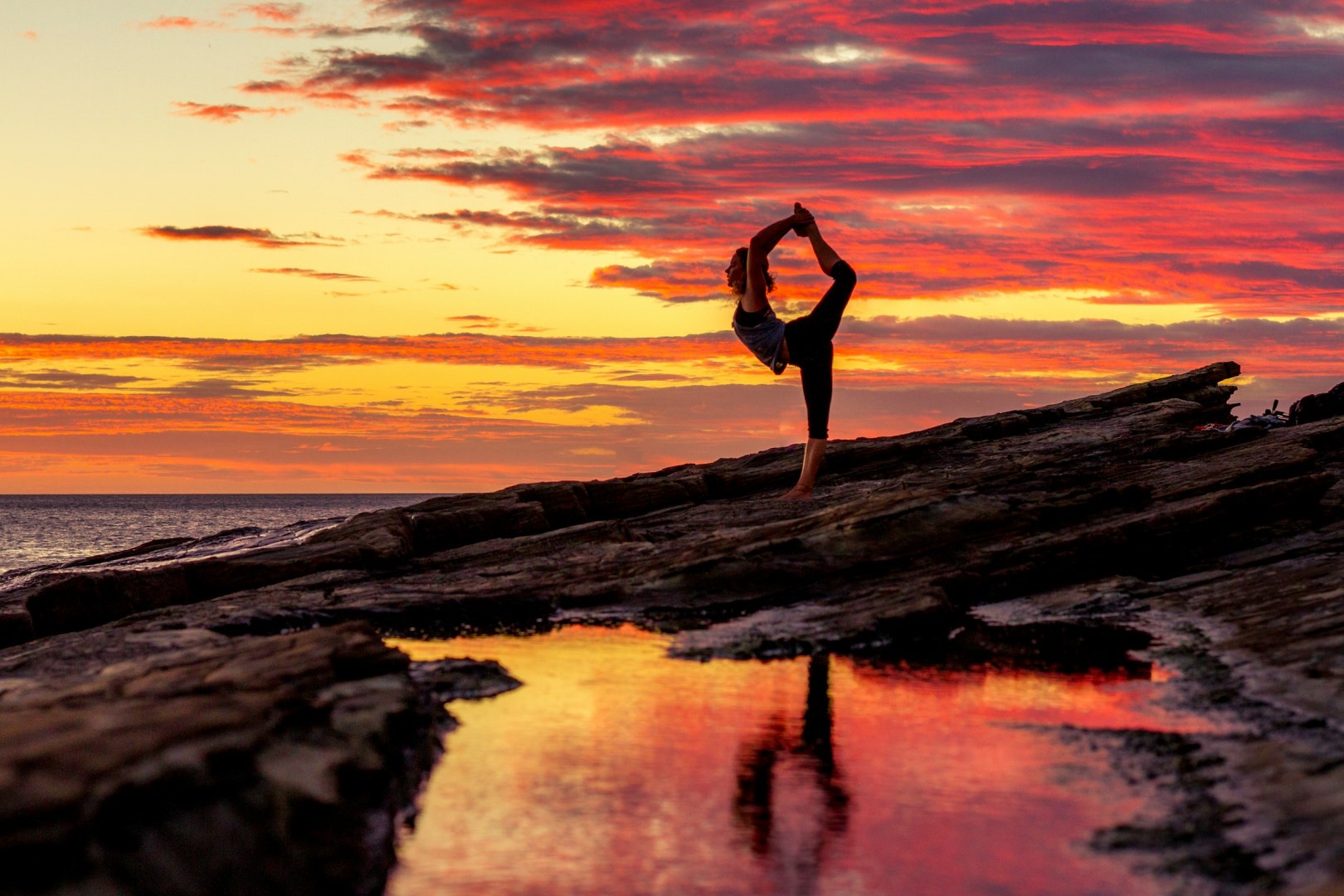
Popoyo is a small coastal community on Nicaragua's southwestern Pacific coast, in the department of Rivas. It is known for its broad sandy shoreline, rocky coastal points, and consistent Pacific surf. The surrounding landscape remains largely rural, with pastureland, farms, tropical vegetation, and small settlements extending inland from the beach.
Zakynthos, also known as Zante, is a Greek island that captivates visitors with its stunning natural beauty and rich cultural heritage. Renowned for its breathtaking beaches, the island's most famous attraction is Navagio Beach, also known as Shipwreck Beach. This picturesque cove, accessible only by boat, features an iconic shipwreck lying on powdery white sand surrounded by dramatic limestone cliffs and crystal-clear turquoise waters.
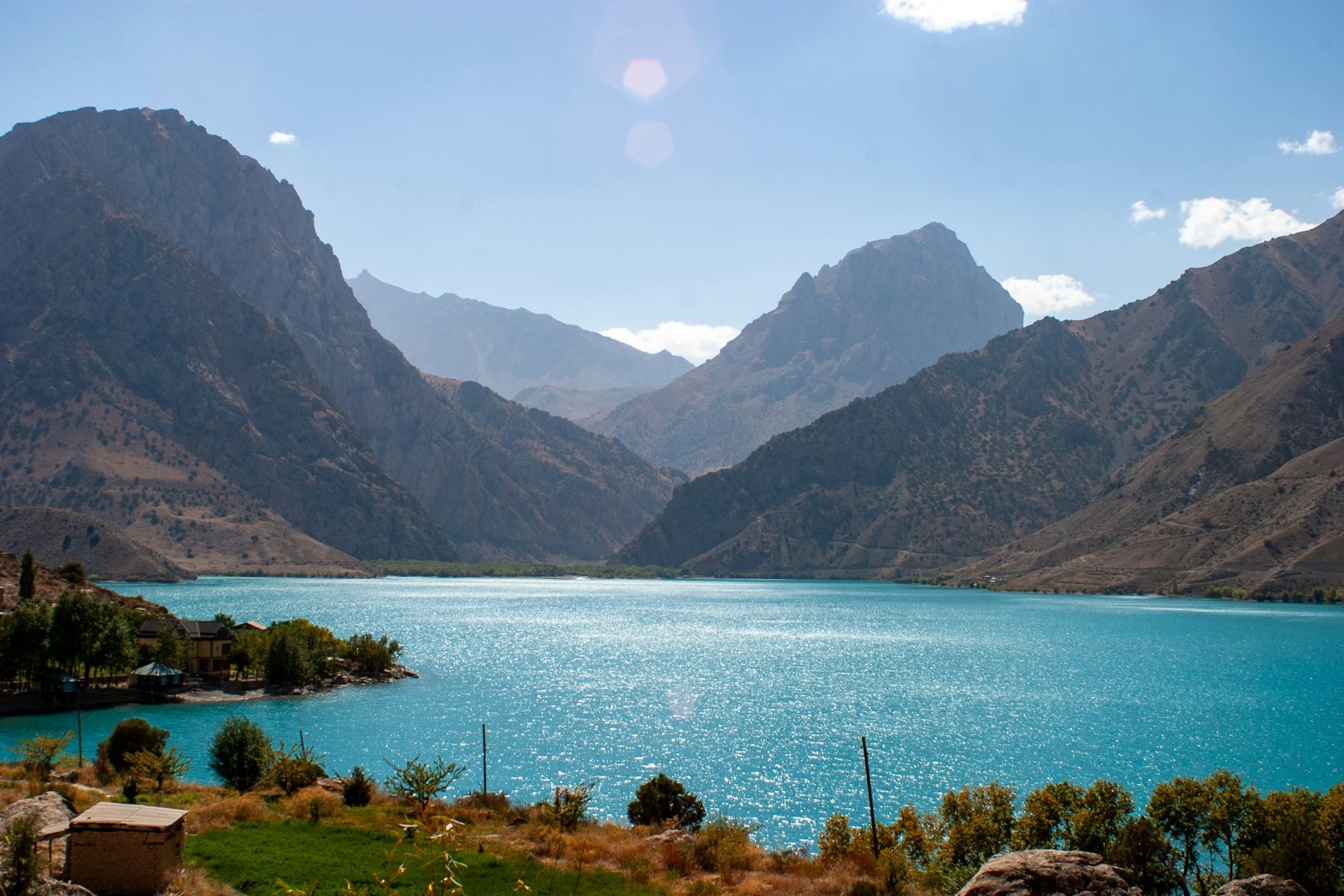
Iskanderkul is a mountain lake in western Tajikistan, set in the Fann Mountains of the Sughd Region. The lake occupies a deep basin surrounded by steep, rocky slopes and high peaks, with sparse vegetation covering much of the surrounding terrain. Its waters are fed by mountain streams and drain through the Iskanderdarya River. The lake is named after Alexander the Great, who is associated with several legends connected to the area.
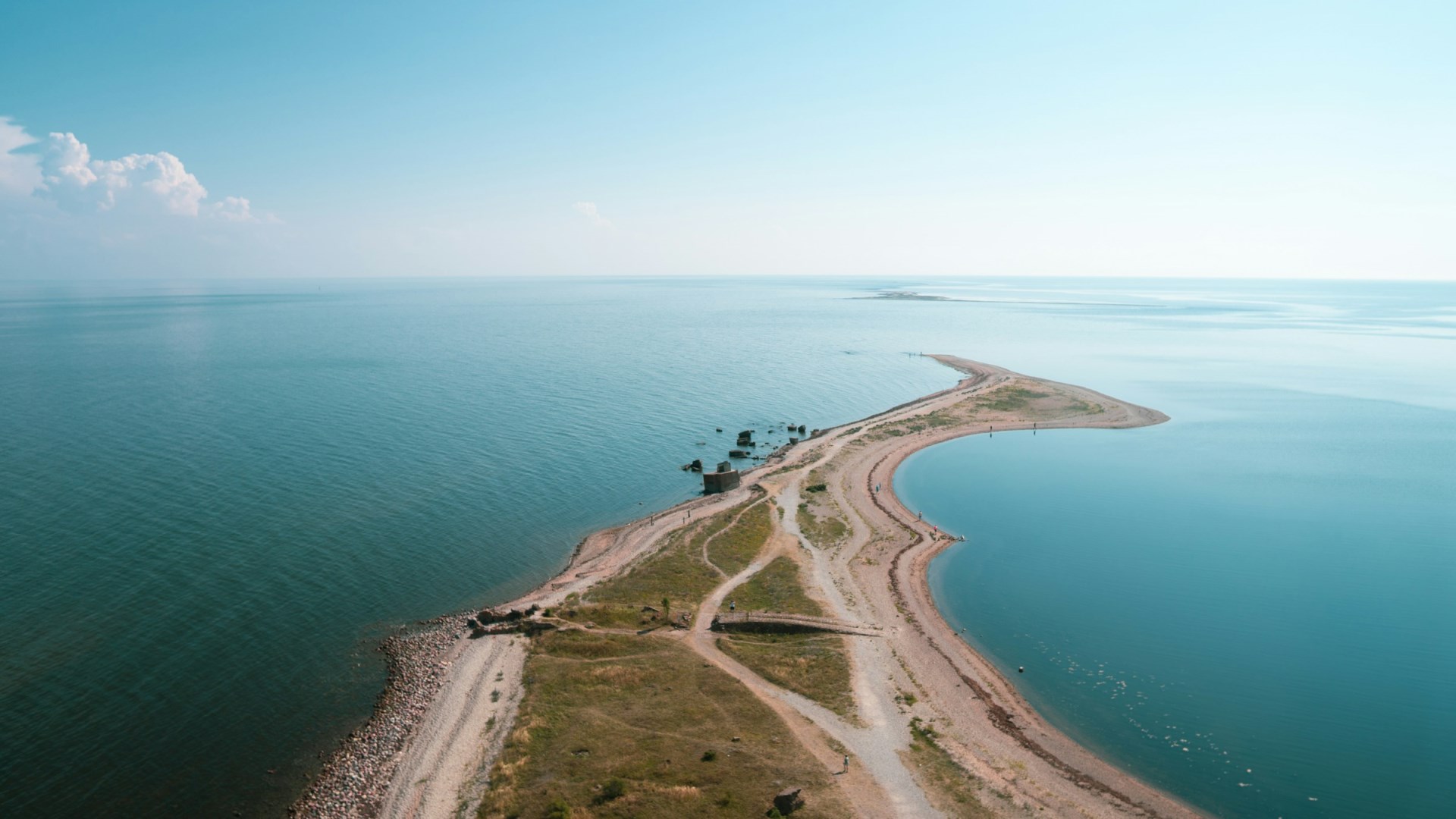
Kuressaare is the main town of Saaremaa, Estonia’s largest island, set beside a sheltered bay on the island’s southern coast. The town is known for its compact historic center, seaside setting, and strong links with Saaremaa’s island culture. Kuressaare Castle dominates the waterfront, while streets lined with wooden houses, small parks, and 19th-century villas extend inland.
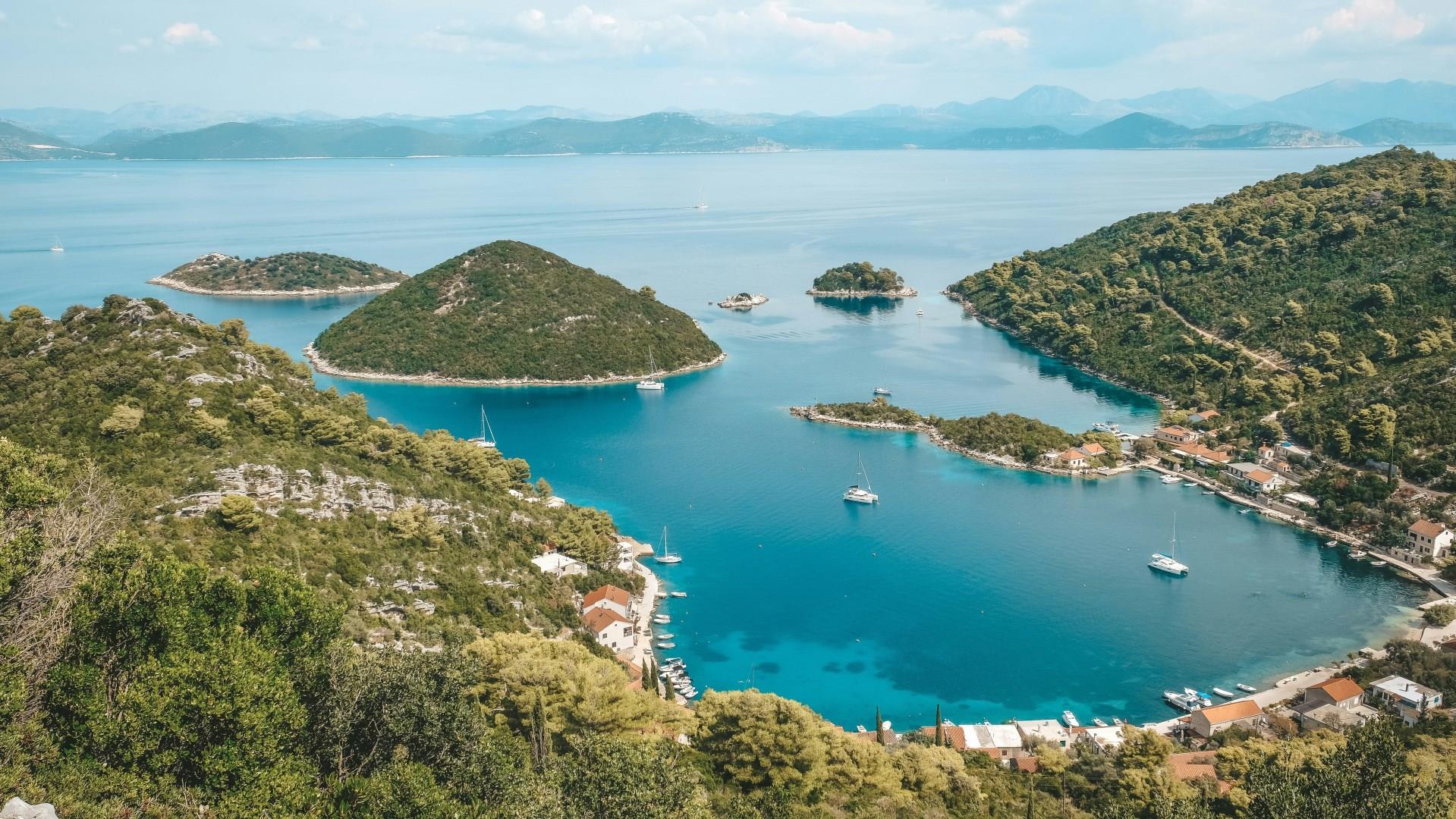
Mljet National Park sits on the western side of Mljet Island in Croatia’s Adriatic Sea, a place where saltwater lakes meet ancient forest pathways. The park stretches across nearly one-third of the island, with Veliko Jezero (Great Lake) and Malo Jezero (Small Lake) as their most striking features. These two saltwater lakes are connected by a narrow channel to the open sea, creating calm blue waters that draw visitors for swims, casual kayak outings, or peaceful cycles around the shaded paths.
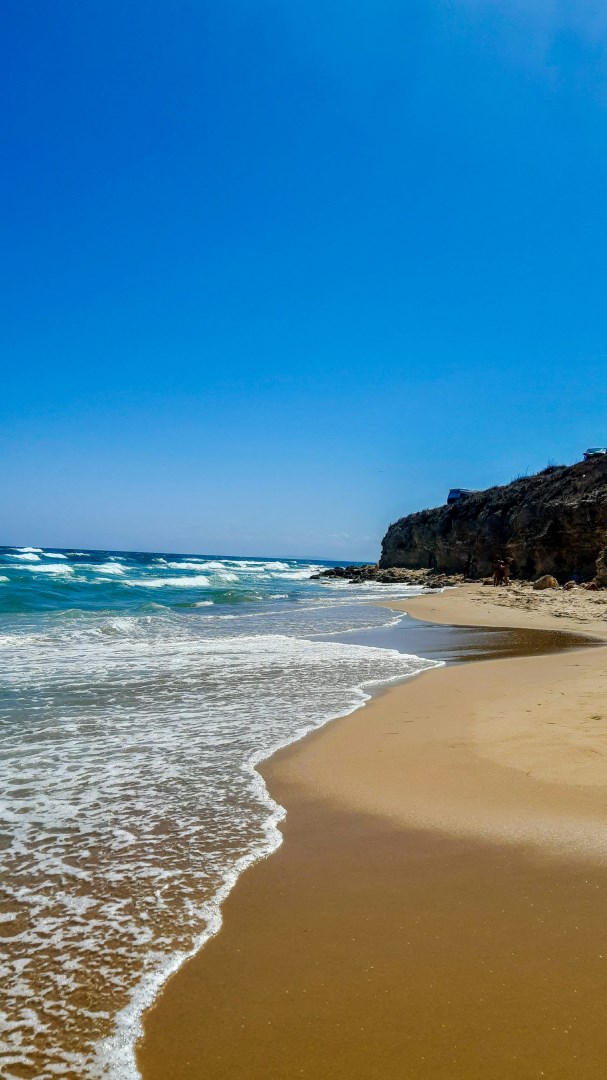
Photo Credit: Photo by Valery Balabanov on Unsplash
Photo Credit: Photo by Luba Ertel on Unsplash
Photo Credit: Photo by Monica Garniga on Unsplash
Photo Credit: Photo by Valery Balabanov on Unsplash
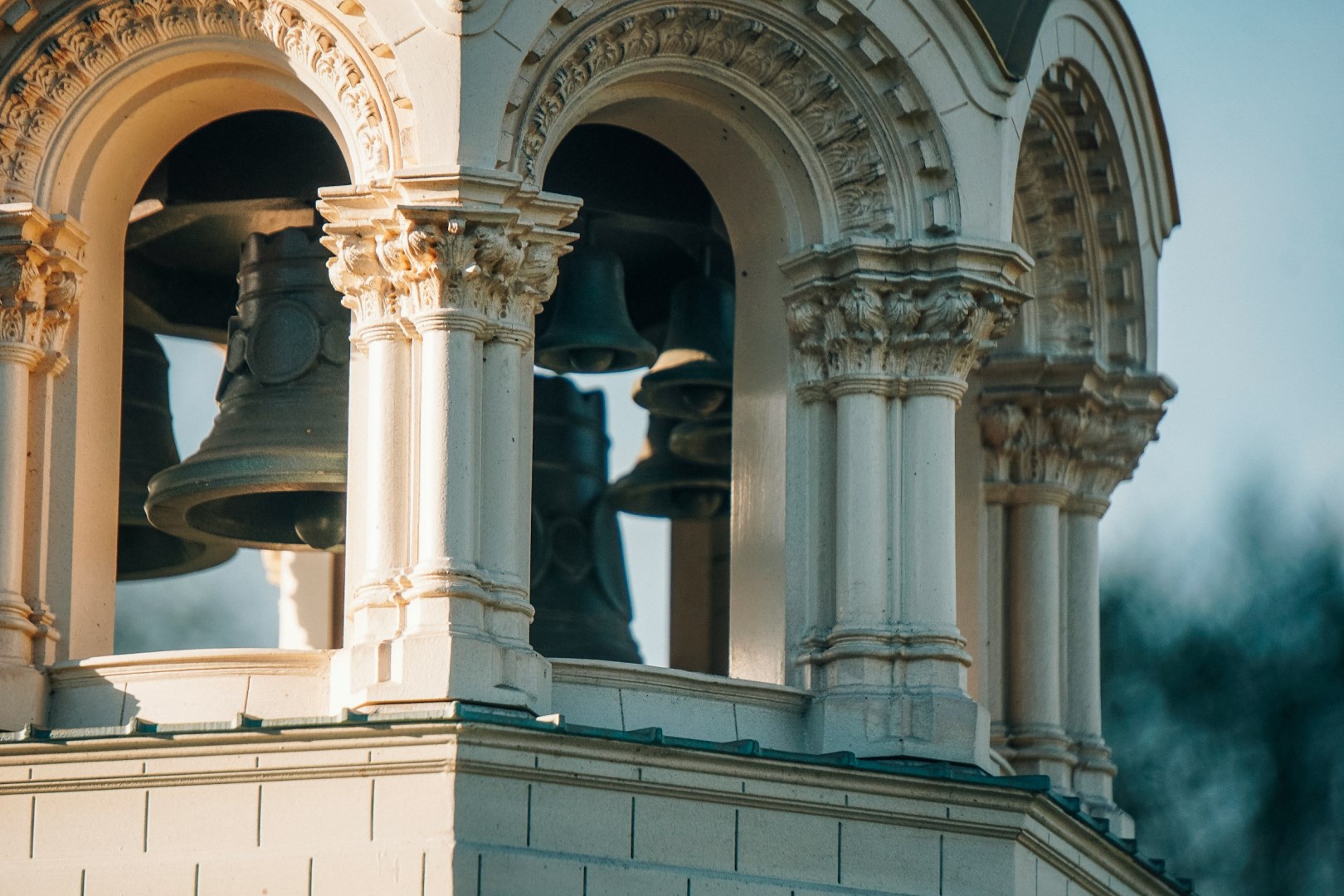
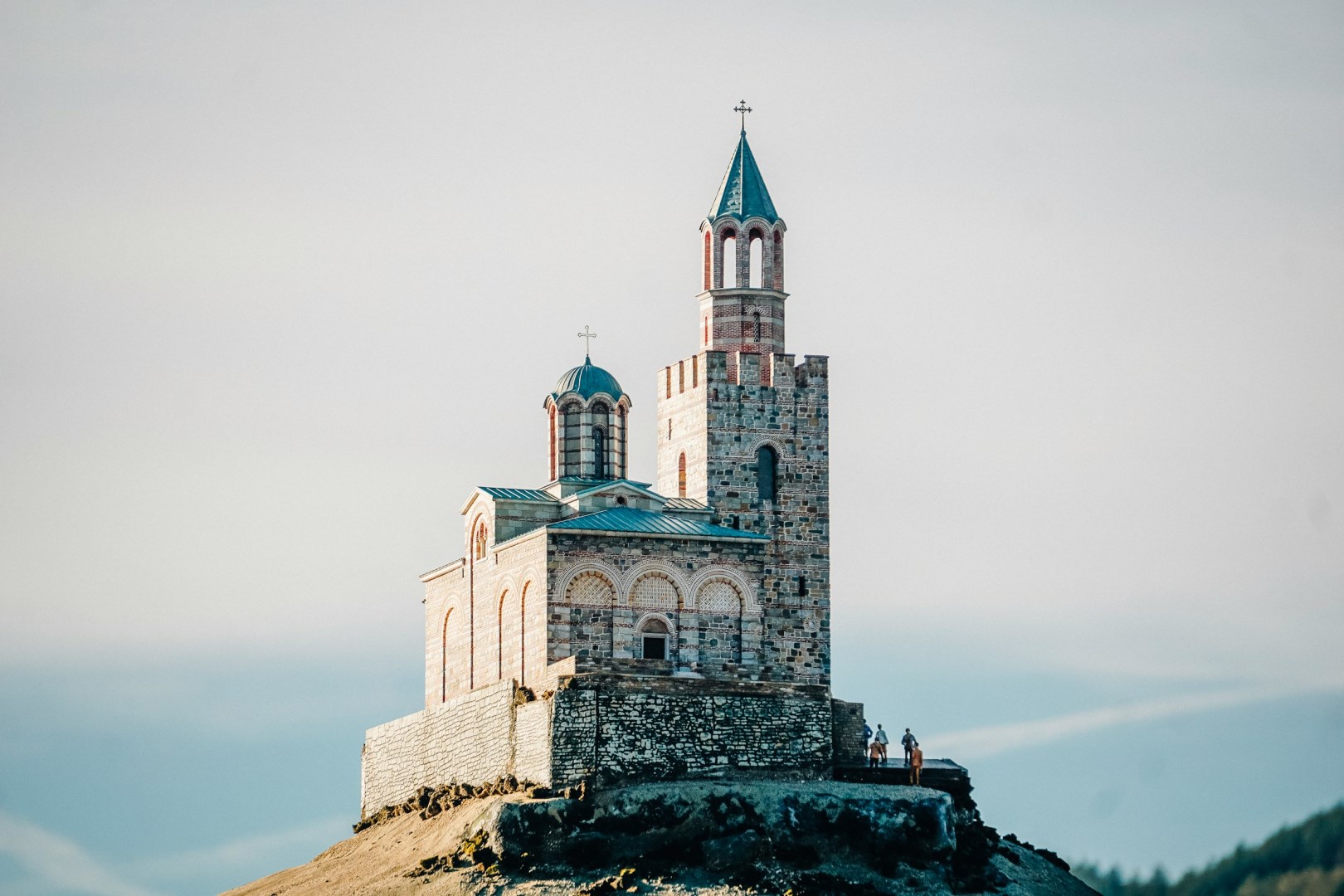
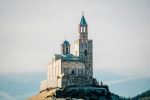
Veliki Preslav
Photo Credit: Photo by Ekaterina Nikolova on Unsplash
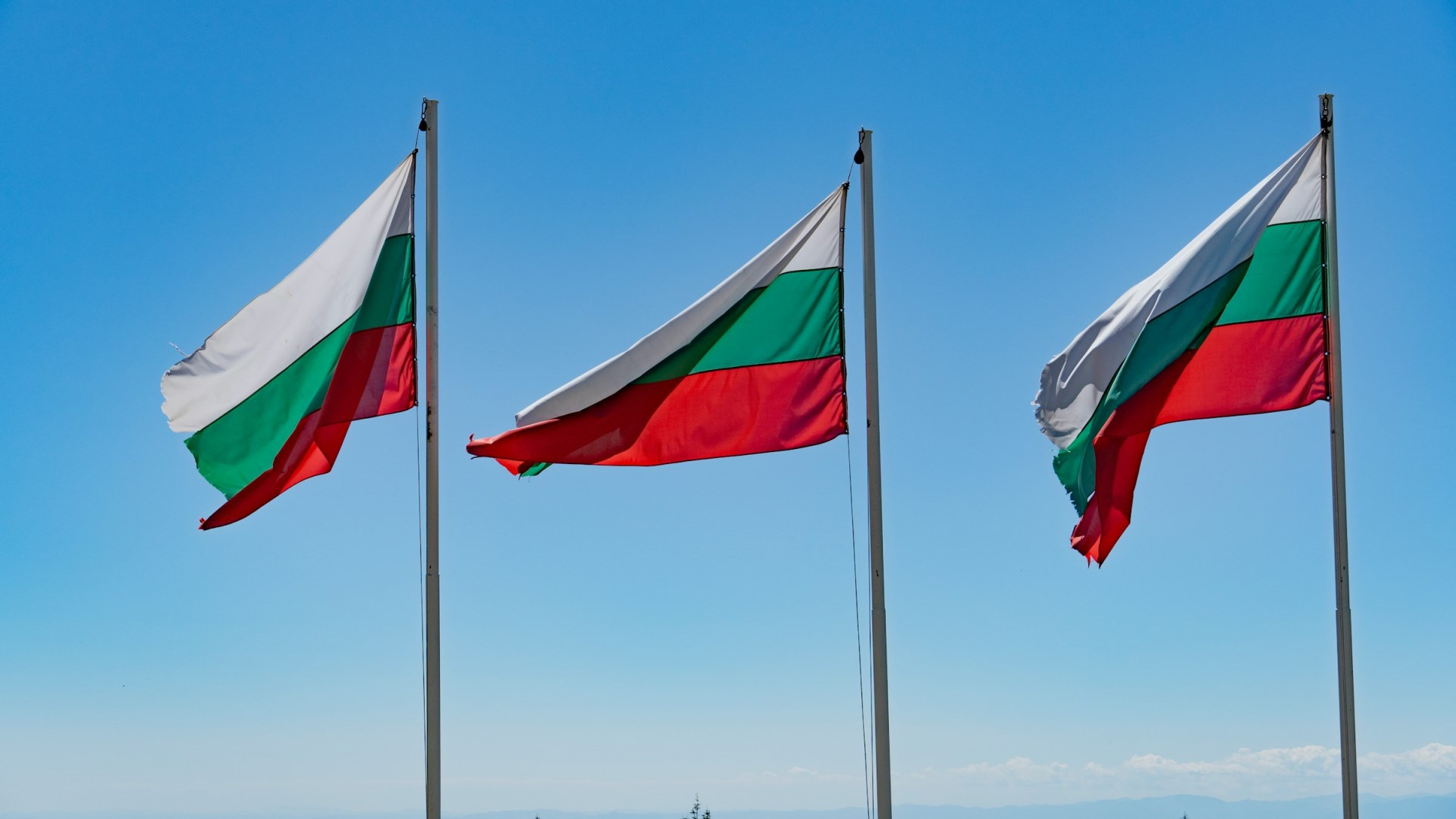
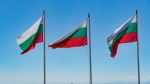
Bulgaria is a republic in southeastern Europe. The capital and largest city is Sofiya. Bulgarian culture has been influenced successively by Byzantine, Greek, Russian, and Western cultures.
Large libraries in Sofiya include the Central Library of the Bulgarian Academy of Sciences, the library of the University of Sofiya, and the Cyril and Methodius National Library. The Ivan Vazov National Library is located in Plovdiv.
The country has more than 200 museums. In Sofiya are botanical and zoological museums and gardens; the National Archaeological Museum, with a collection of old coins and finds from many ancient burial mounds; and the National Ethnographical Museum. Other museums in the country are devoted to history, science, and the revolutionary movement.
Bulgarian handicrafts include rich folk embroideries and ornaments. Some of the best sculpture, wood carving, etchings, and painting are based on traditional culture and native subjects. The chief architectural monuments of Bulgaria are medieval churches and monasteries. The chief native musical instruments are the gaida (bagpipe) and the kaval (a wooden shepherd's flute). The characteristic folk dances are variations of the hora, a round chain dance, and the ruchenitsa, a lively dance of two couples. Modern Bulgarian orchestral and operatic compositions have occasionally gained recognition in other countries.
Most of Bulgaria has a harsh continental climate, with cold winters and hot summers. The average annual temperature is about 12.8° C (about 55° F).
Popular Destinations in Bulgaria
Vidin
Nestled on the banks of the Danube River, Vidin, Bulgaria, is a city where history and scenic beauty converge. This ancient city, known for its well-preserved medieval fortress, the Baba Vida Castle, offers a unique glimpse into Bulgaria's past. The fortress, dating back to the 10th century, stands as one of the best-preserved medieval fortifications in the country.
Rousse
Rousse, Bulgaria, often referred to as "Little Vienna," sits gracefully on the banks of the Danube River. Known for its rich history, stunning architecture, and vibrant culture, Rousse offers a glimpse into Bulgaria's past while embracing the future. The city's central square, Svoboda (Freedom) Square, is a great starting point for exploring.