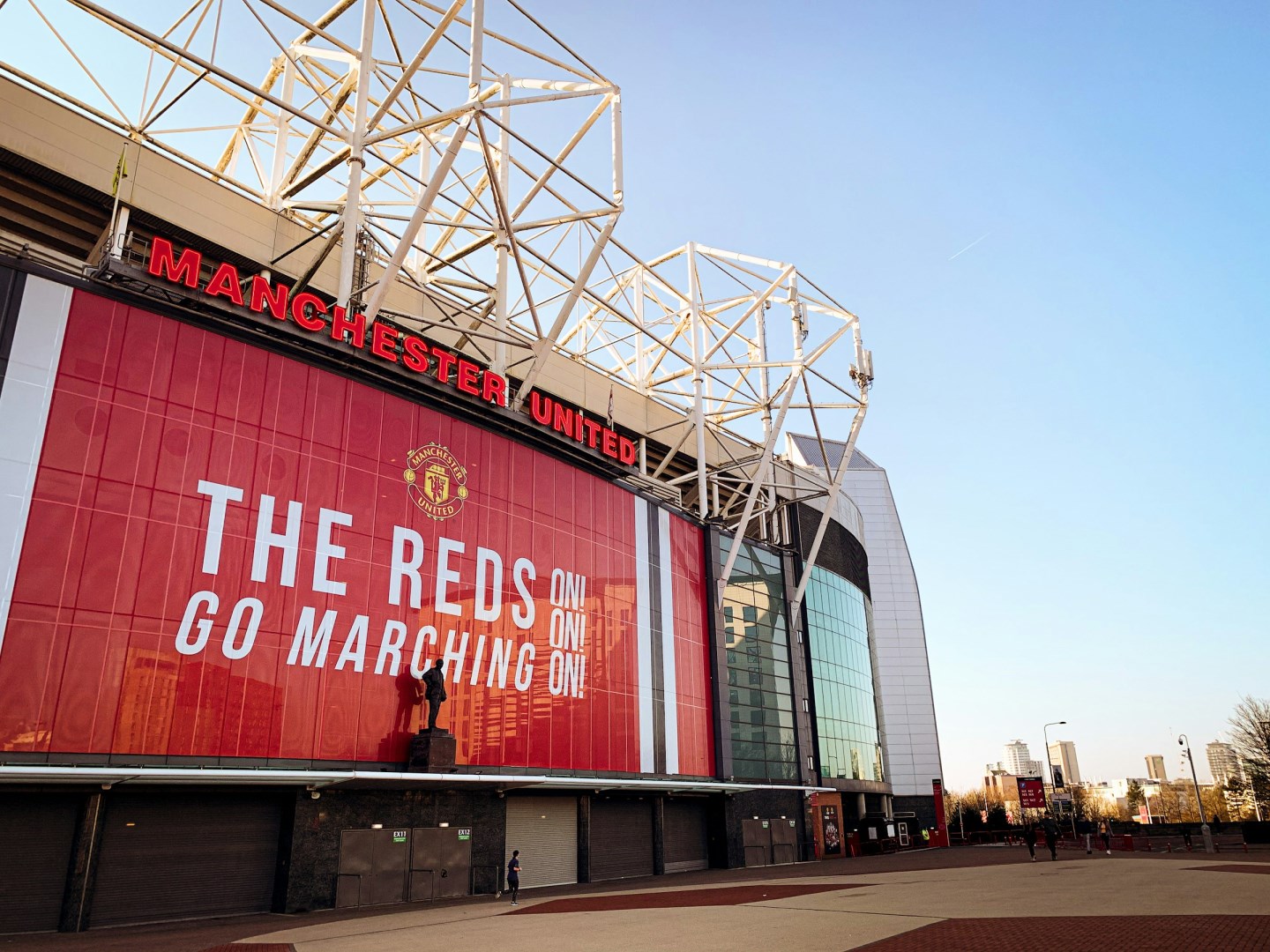
Manchester is a major city in northwest England known for its industrial heritage, football, music, and strong cultural institutions. Its city centre combines Victorian architecture with converted warehouses, canals, modern public spaces, and busy neighbourhoods such as the Northern Quarter and Ancoats. Manchester also has a long association with innovation and manufacturing, reflected in museums and former industrial districts.
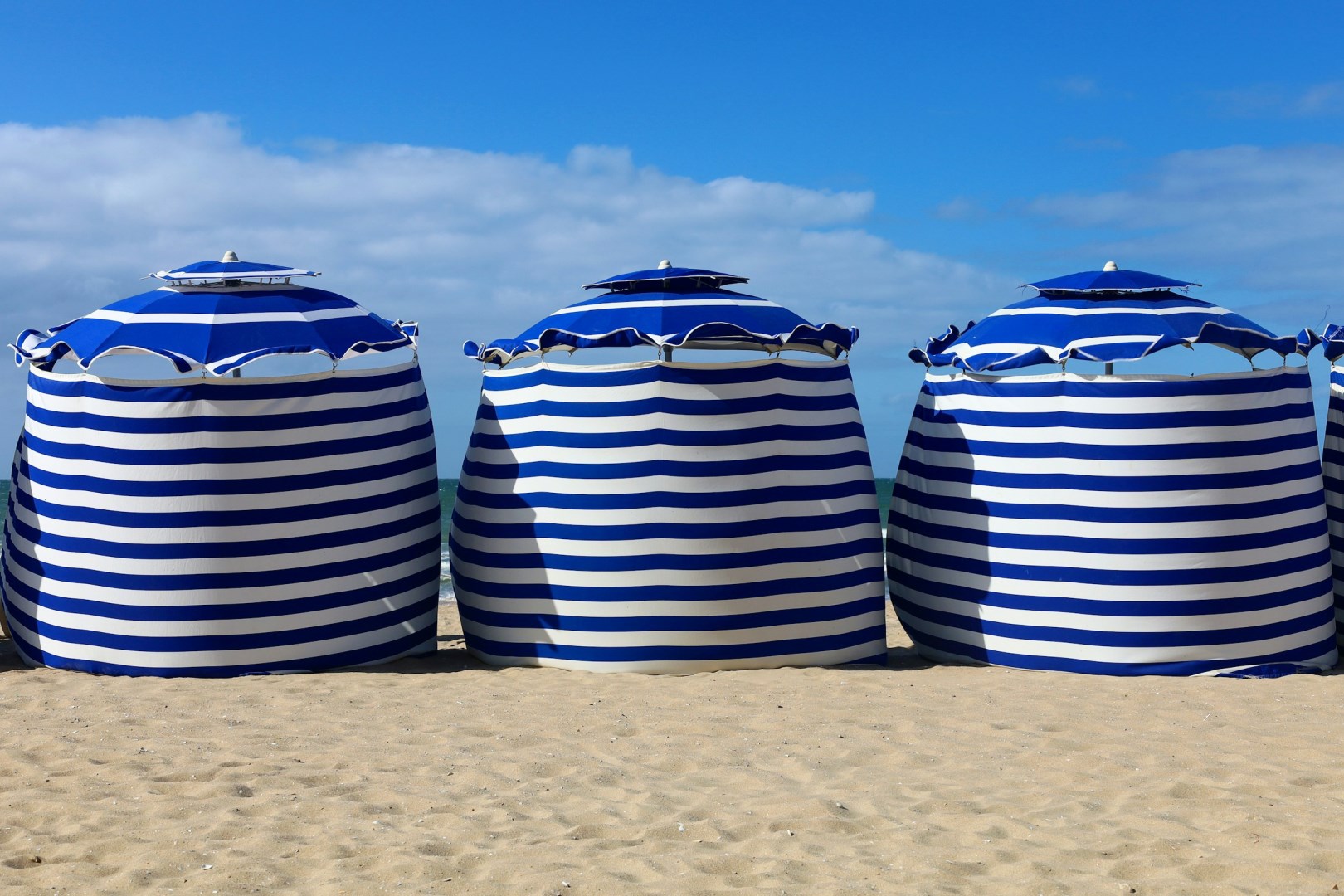
Cabourg is a seaside resort on the Côte Fleurie in Normandy, set where the River Dives reaches the English Channel. Its long sandy beach, broad promenade, and orderly streets give the town a distinctive coastal character, while Belle Époque villas and landscaped gardens reflect its development as a fashionable resort. The central Grand Hôtel stands beside the beach and casino, forming one of Cabourg's most recognisable landmarks.
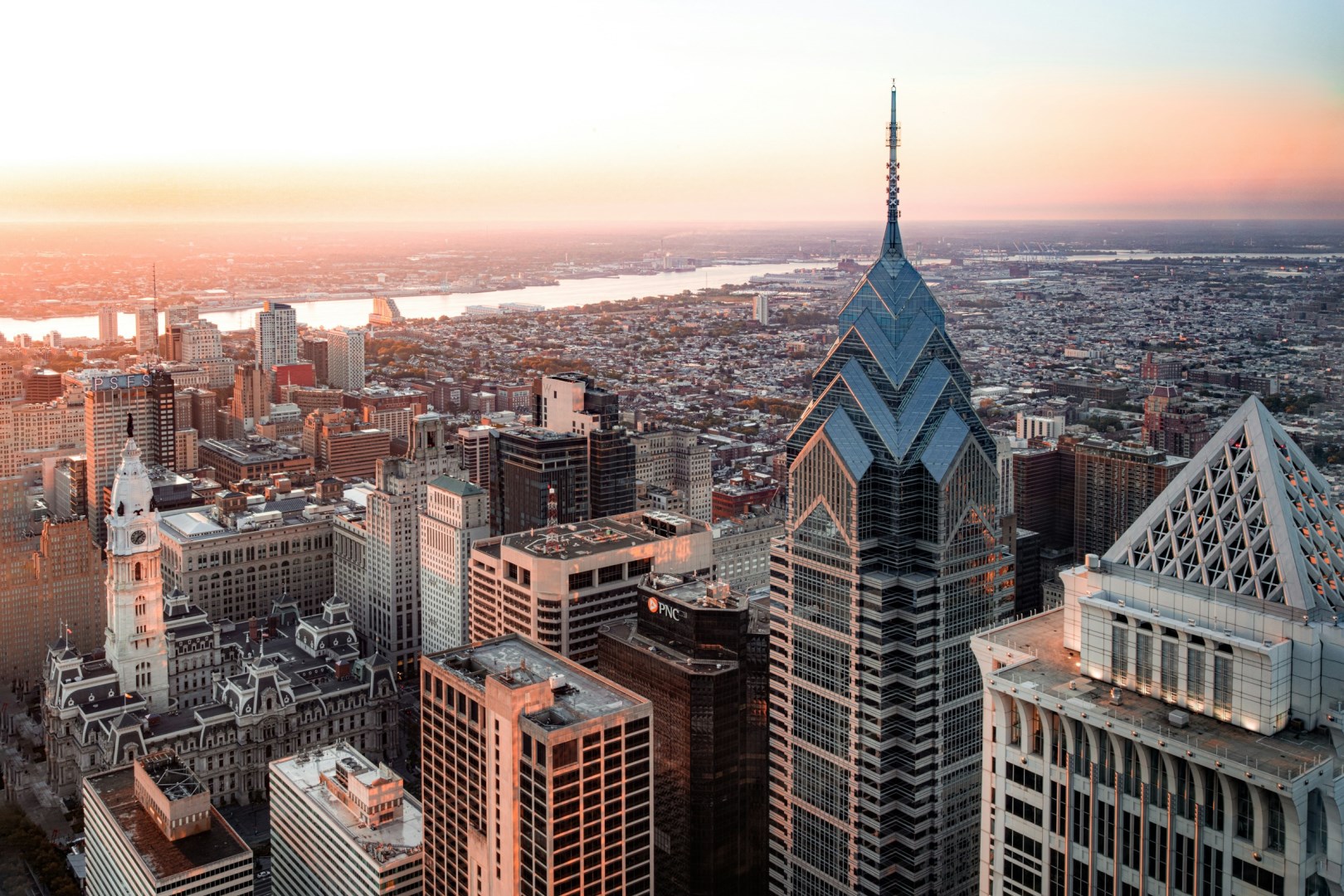
Philadelphia, the birthplace of American democracy, offers visitors a rare opportunity to walk through the very streets where the nation’s founding ideals were debated, signed, and set into motion. The city's art scene is as bold as its history. The Philadelphia Museum of Art is home to works by Van Gogh, Duchamp, and an entire Japanese teahouse, but it might be better known for the "Rocky Steps" out front, where visitors recreate the famous movie scene daily.
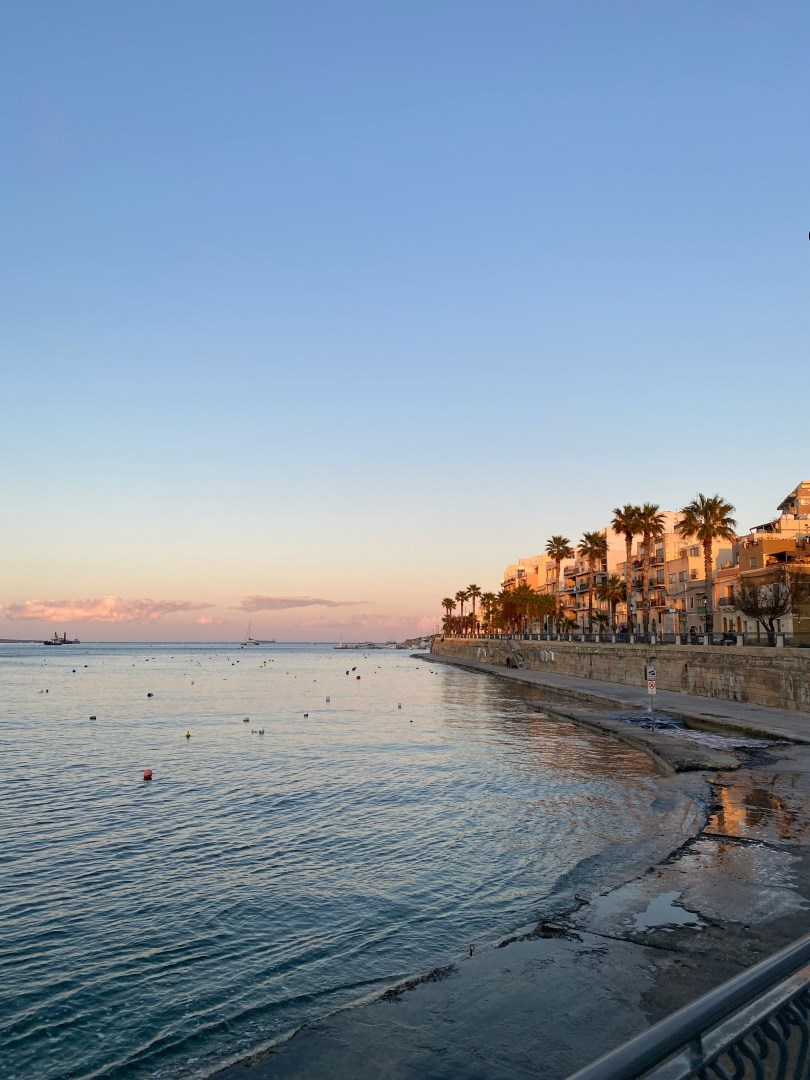
St. Paul’s Bay is a coastal town in northern Malta that stretches around a broad, indented section of the island’s northeastern shoreline. The area includes the neighborhoods of Bugibba, Qawra, and the original fishing settlement around St. Paul’s Bay itself. Its waterfront combines rocky shores, small bathing areas, marinas, promenades, and commercial streets filled with cafés and restaurants.
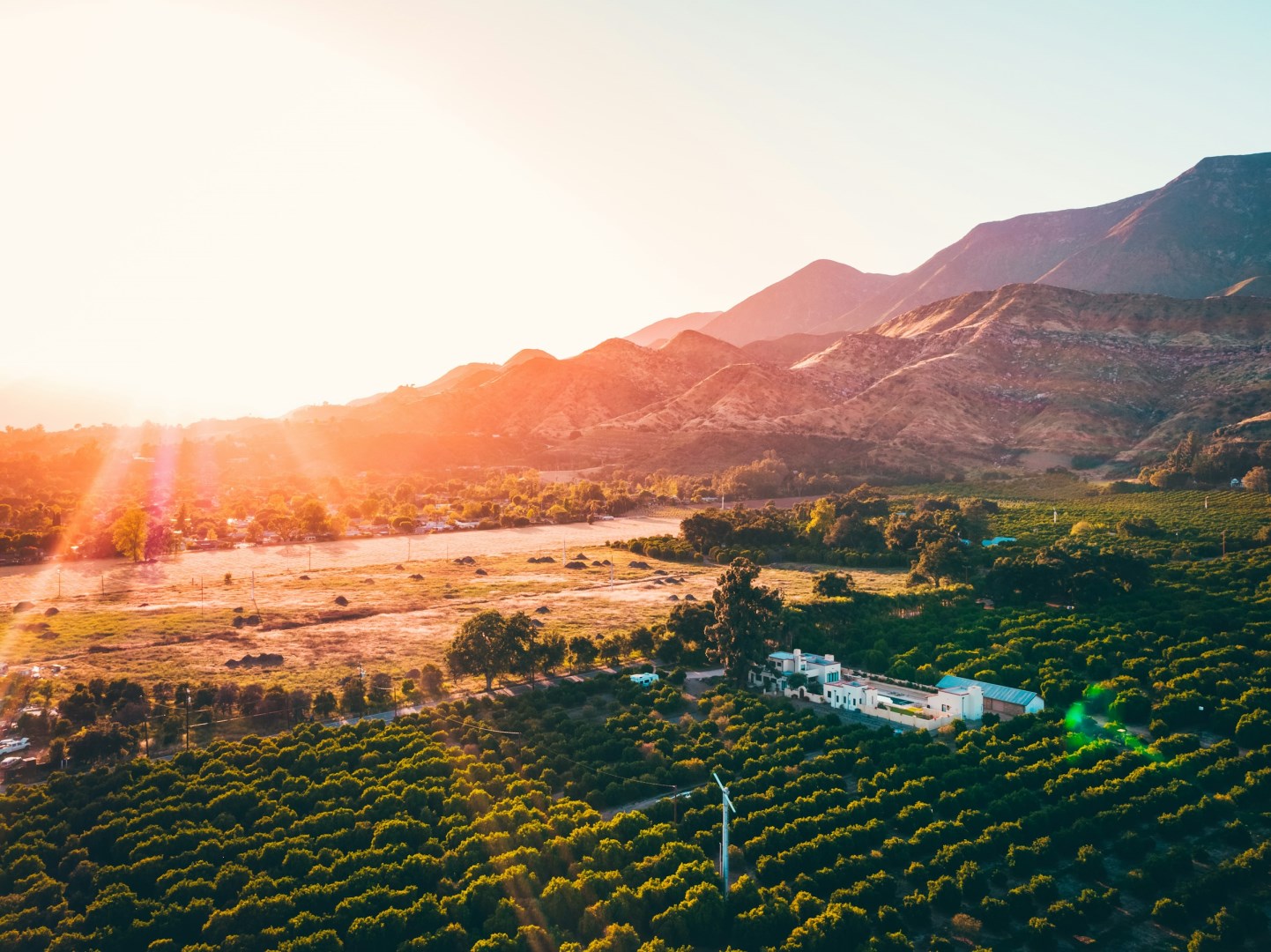
Ojai (pronounced "Oh hi") is an Indian name generally accepted as meaning "the nest," although experts also interpret it as "moon." The valley was home to the Chumash who ascribed the east-west lying valley with mystical powers and found sanctuary in its canyons and mountains.
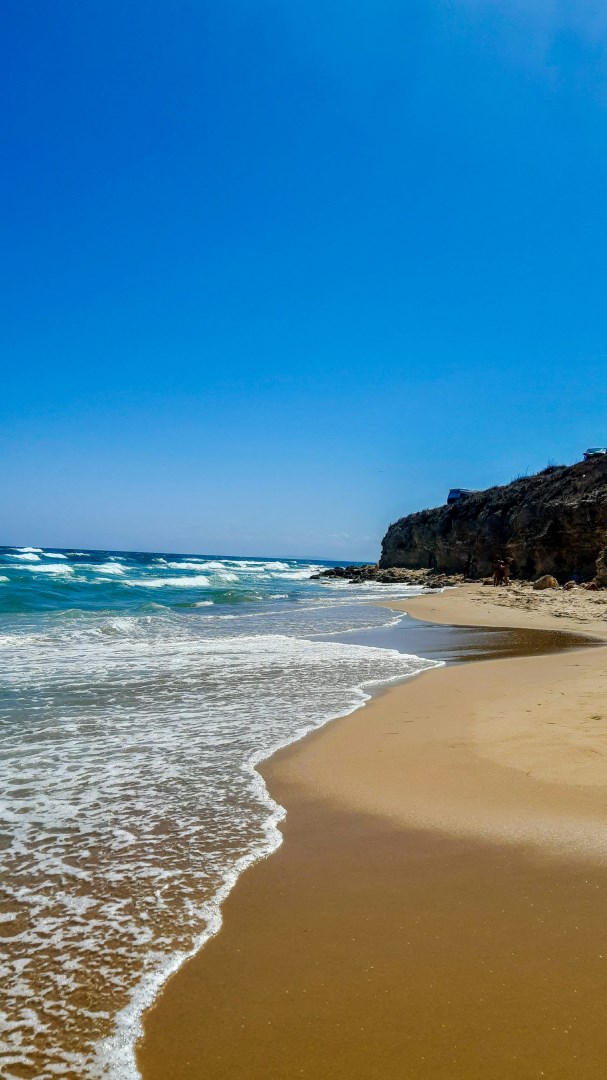
Photo Credit: Photo by Valery Balabanov on Unsplash
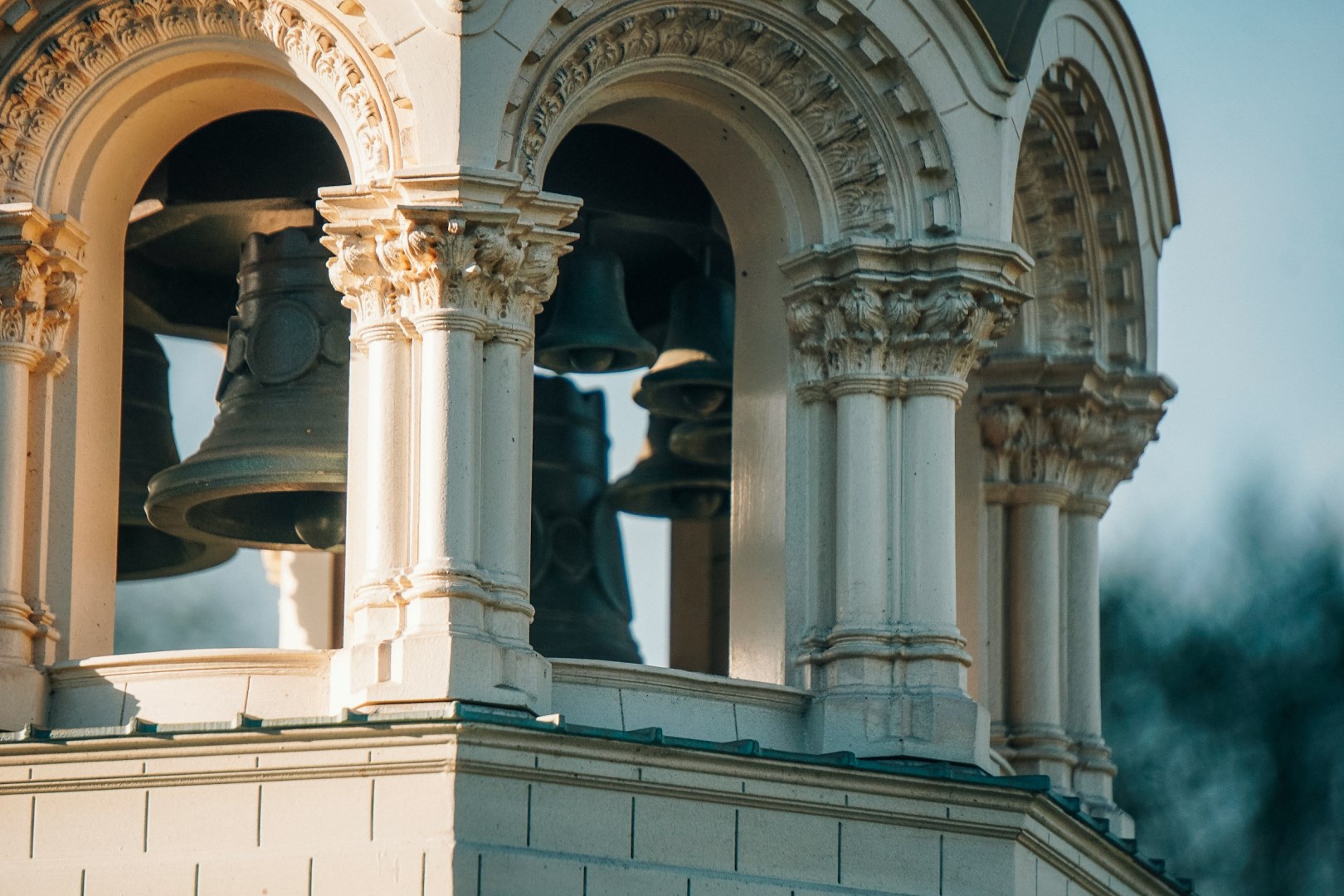
Photo Credit: Photo by Luba Ertel on Unsplash
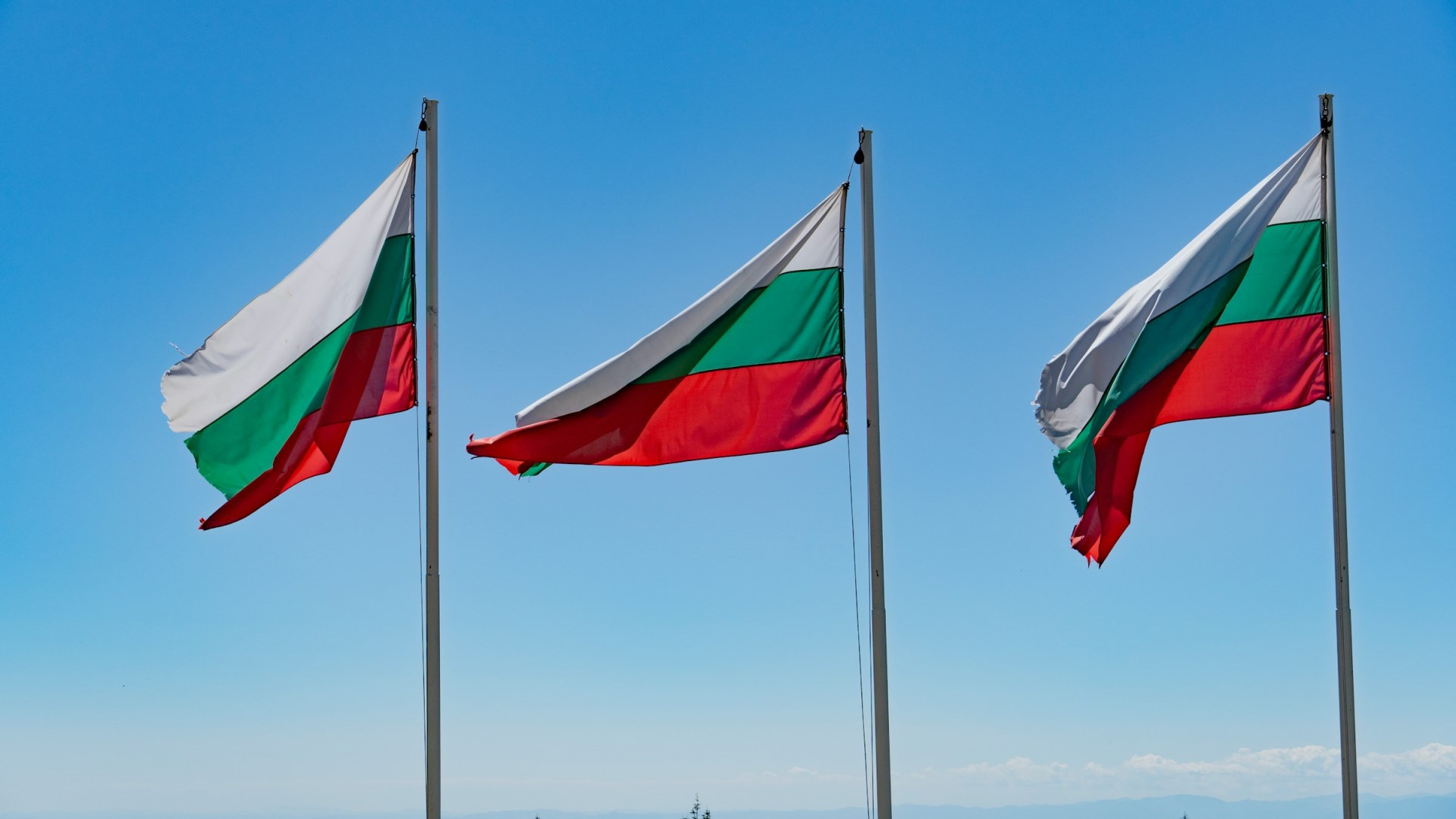
Photo Credit: Photo by Monica Garniga on Unsplash
Photo Credit: Photo by Valery Balabanov on Unsplash
Veliki Preslav
Photo Credit: Photo by Ekaterina Nikolova on Unsplash
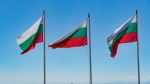
Bulgaria is a republic in southeastern Europe. The capital and largest city is Sofiya. Bulgarian culture has been influenced successively by Byzantine, Greek, Russian, and Western cultures.
Large libraries in Sofiya include the Central Library of the Bulgarian Academy of Sciences, the library of the University of Sofiya, and the Cyril and Methodius National Library. The Ivan Vazov National Library is located in Plovdiv.
The country has more than 200 museums. In Sofiya are botanical and zoological museums and gardens; the National Archaeological Museum, with a collection of old coins and finds from many ancient burial mounds; and the National Ethnographical Museum. Other museums in the country are devoted to history, science, and the revolutionary movement.
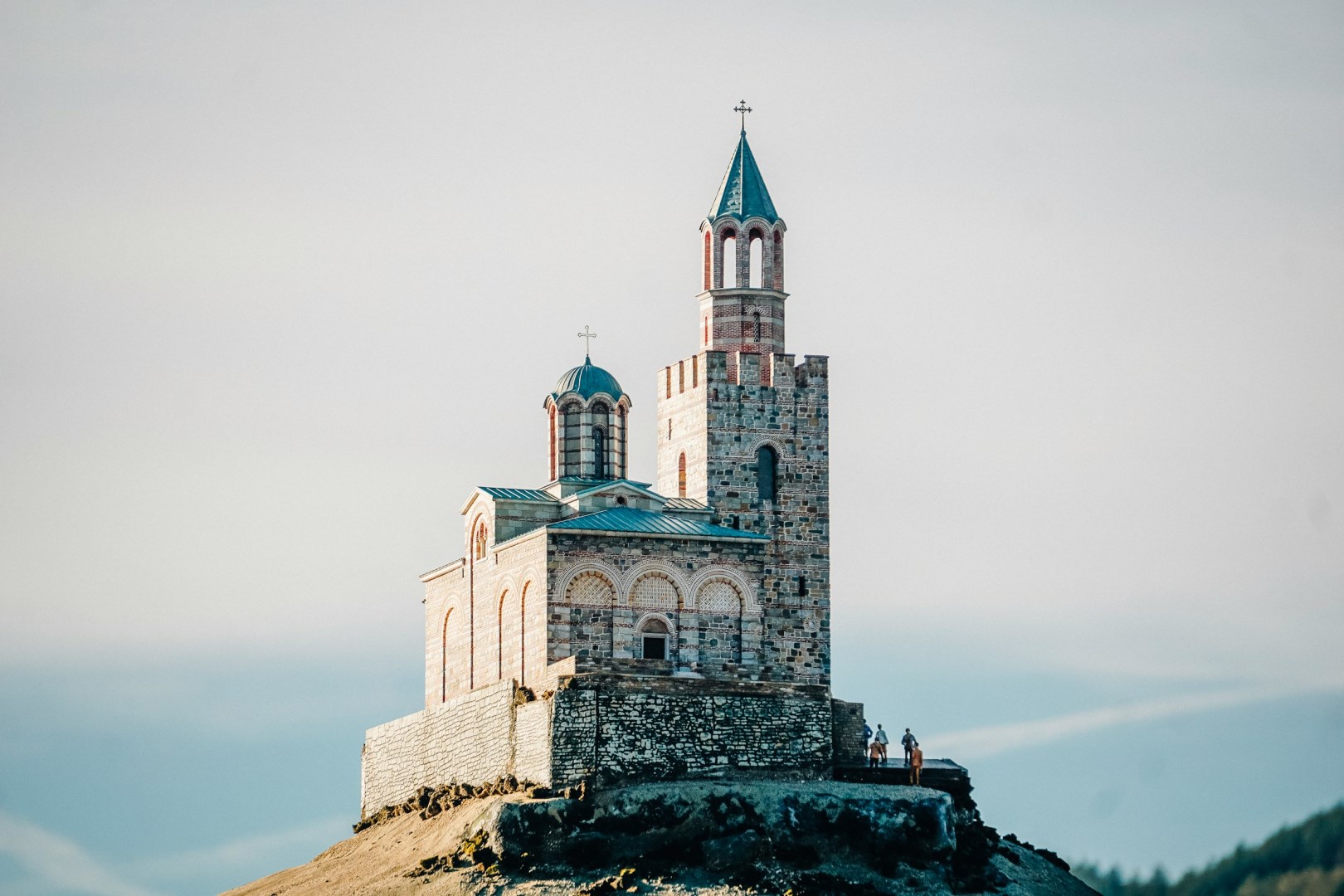
Bulgarian handicrafts include rich folk embroideries and ornaments. Some of the best sculpture, wood carving, etchings, and painting are based on traditional culture and native subjects. The chief architectural monuments of Bulgaria are medieval churches and monasteries. The chief native musical instruments are the gaida (bagpipe) and the kaval (a wooden shepherd's flute). The characteristic folk dances are variations of the hora, a round chain dance, and the ruchenitsa, a lively dance of two couples. Modern Bulgarian orchestral and operatic compositions have occasionally gained recognition in other countries.
Most of Bulgaria has a harsh continental climate, with cold winters and hot summers. The average annual temperature is about 12.8° C (about 55° F).
Popular Destinations in Bulgaria
Vidin
Nestled on the banks of the Danube River, Vidin, Bulgaria, is a city where history and scenic beauty converge. This ancient city, known for its well-preserved medieval fortress, the Baba Vida Castle, offers a unique glimpse into Bulgaria's past. The fortress, dating back to the 10th century, stands as one of the best-preserved medieval fortifications in the country.
Rousse
Rousse, Bulgaria, often referred to as "Little Vienna," sits gracefully on the banks of the Danube River. Known for its rich history, stunning architecture, and vibrant culture, Rousse offers a glimpse into Bulgaria's past while embracing the future. The city's central square, Svoboda (Freedom) Square, is a great starting point for exploring.