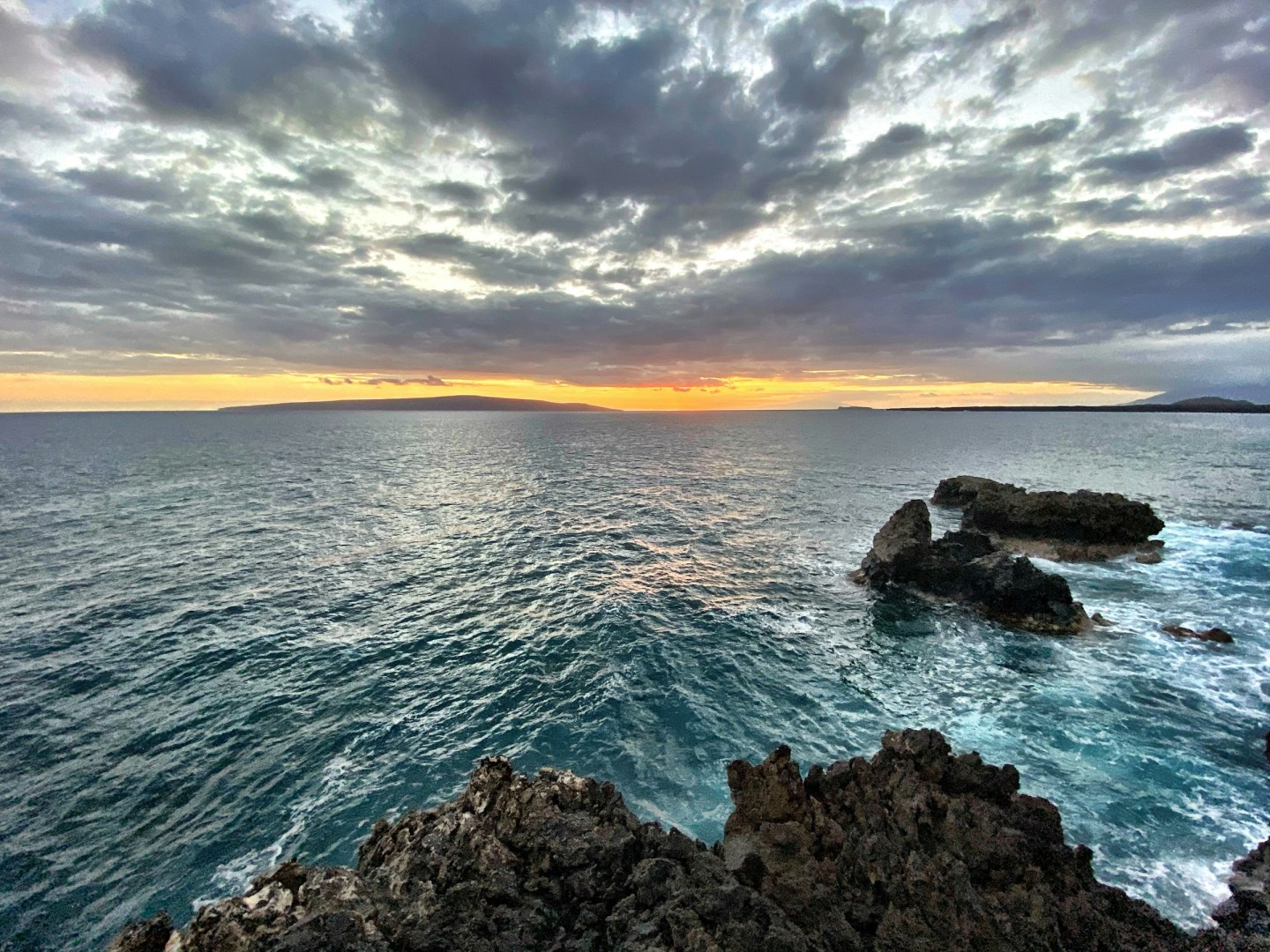
Makena, Maui
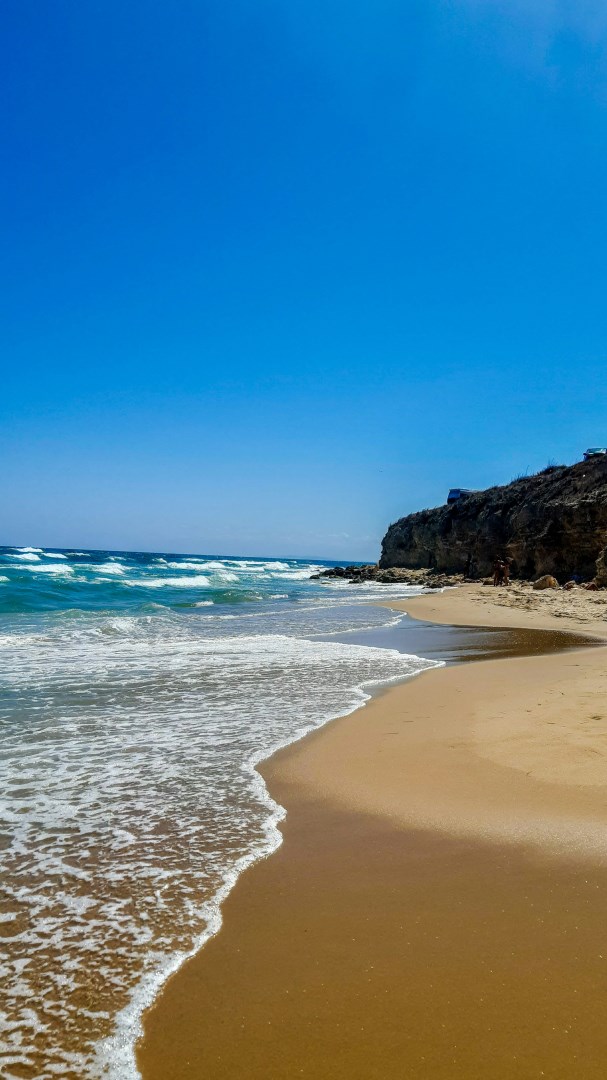
The Makena area has one of the most beautiful shorelines in South Maui, it is also home to a world class golf course and some of the major resorts on Maui. Makena is also adjacent to one of the more remote areas of Maui, the La Perouse Bay are, the end of the road for the South side.
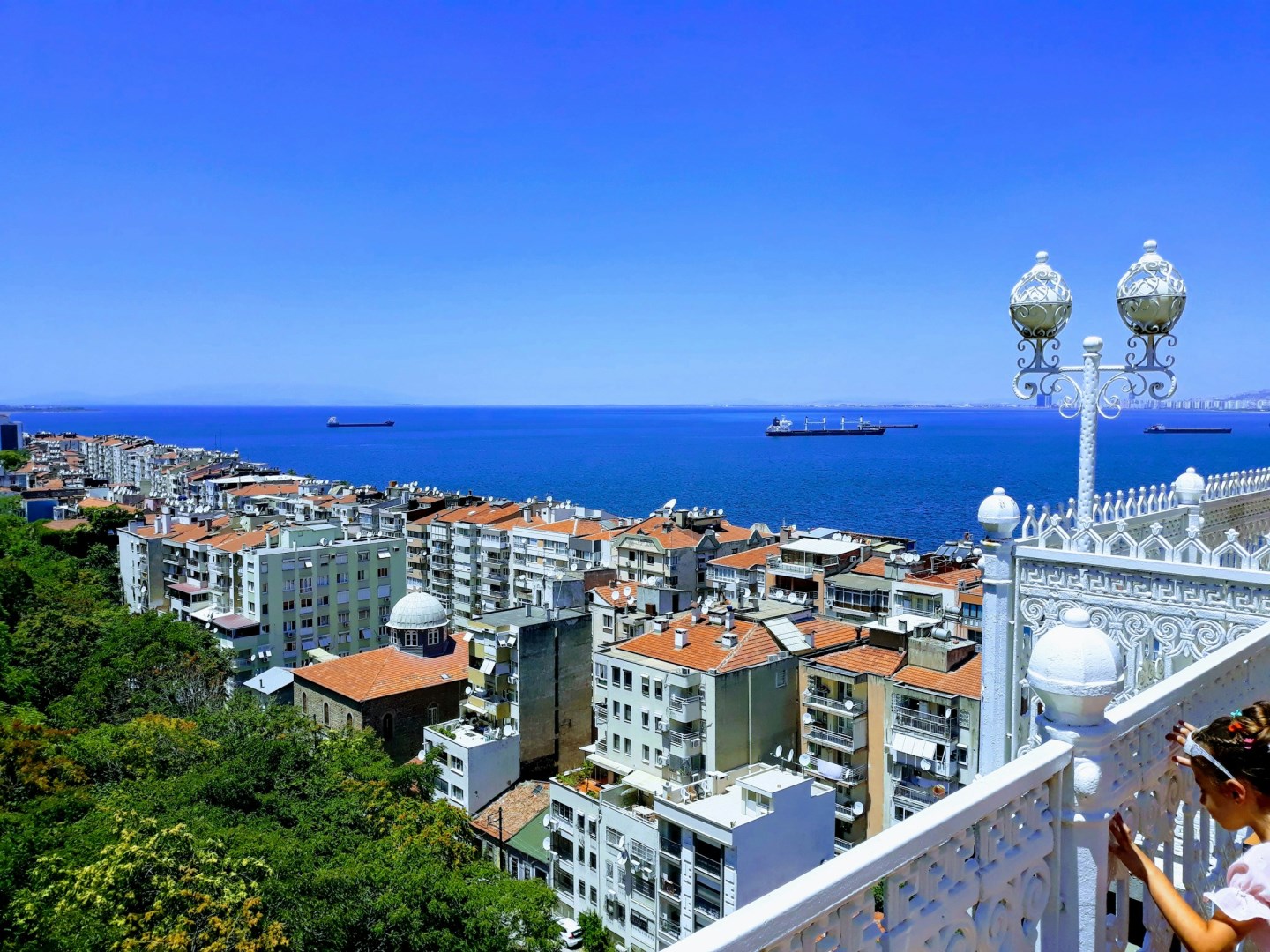
Izmir
The third largest city in Turkey, a cosmopolitan and lively city all year round, during the International Arts Festival (June/July) and the international Fair (August/September), Izmir bursts with an added vibrancy.

Assisi
Assisi, Italy, is a city where history and spirituality intertwine, creating an atmosphere that is both serene and awe-inspiring. Perched on the slopes of Mount Subasio in the Umbria region, Assisi is best known as the birthplace of St. Francis, one of the most beloved saints in Christianity. The city is a pilgrimage site for those seeking to walk in the footsteps of St. Francis, with the majestic Basilica of San Francesco d'Assisi standing as a testament to his enduring legacy. This UNESCO Worl
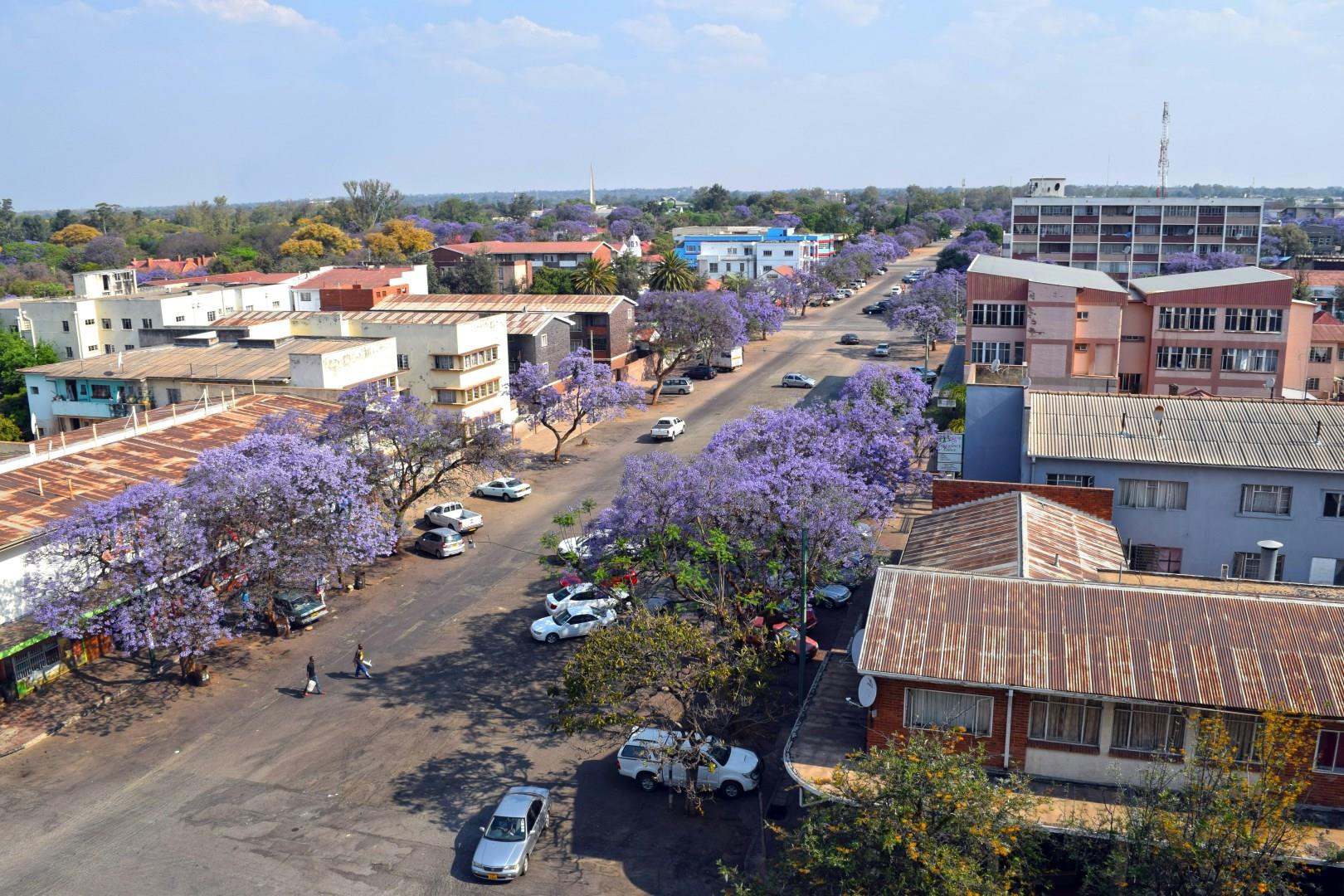
Bulawayo
Bulawayo is Zimbabwe’s second-largest city and a place where industrial heritage and deep cultural roots intersect. Founded near the former capital of the Ndebele kingdom, the city carries strong historical significance tied to King Lobengula and the resistance to colonial expansion.
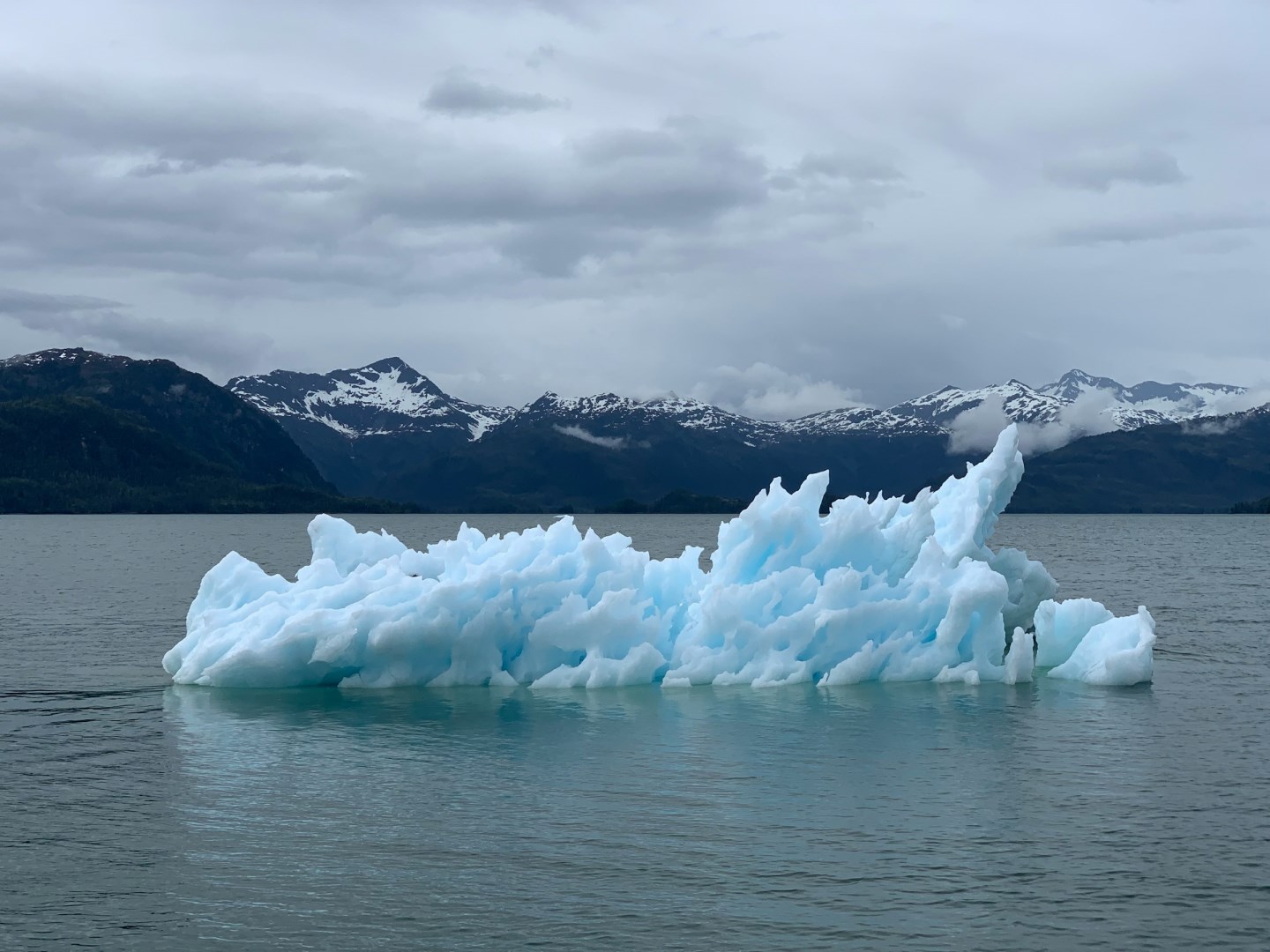
Prince William Sound
Prince William Sound and Resurrection Bay are premier ecosystems with a diversity of wildlife and habitat. Enclosed by high mountains and glaciers, and protected from the high seas by barrier islands, the area is a boater’s paradise. Fiords, bays, coves, lakes, glaciers, mountains and hundreds of islands provide a rich and unspoiled beauty.