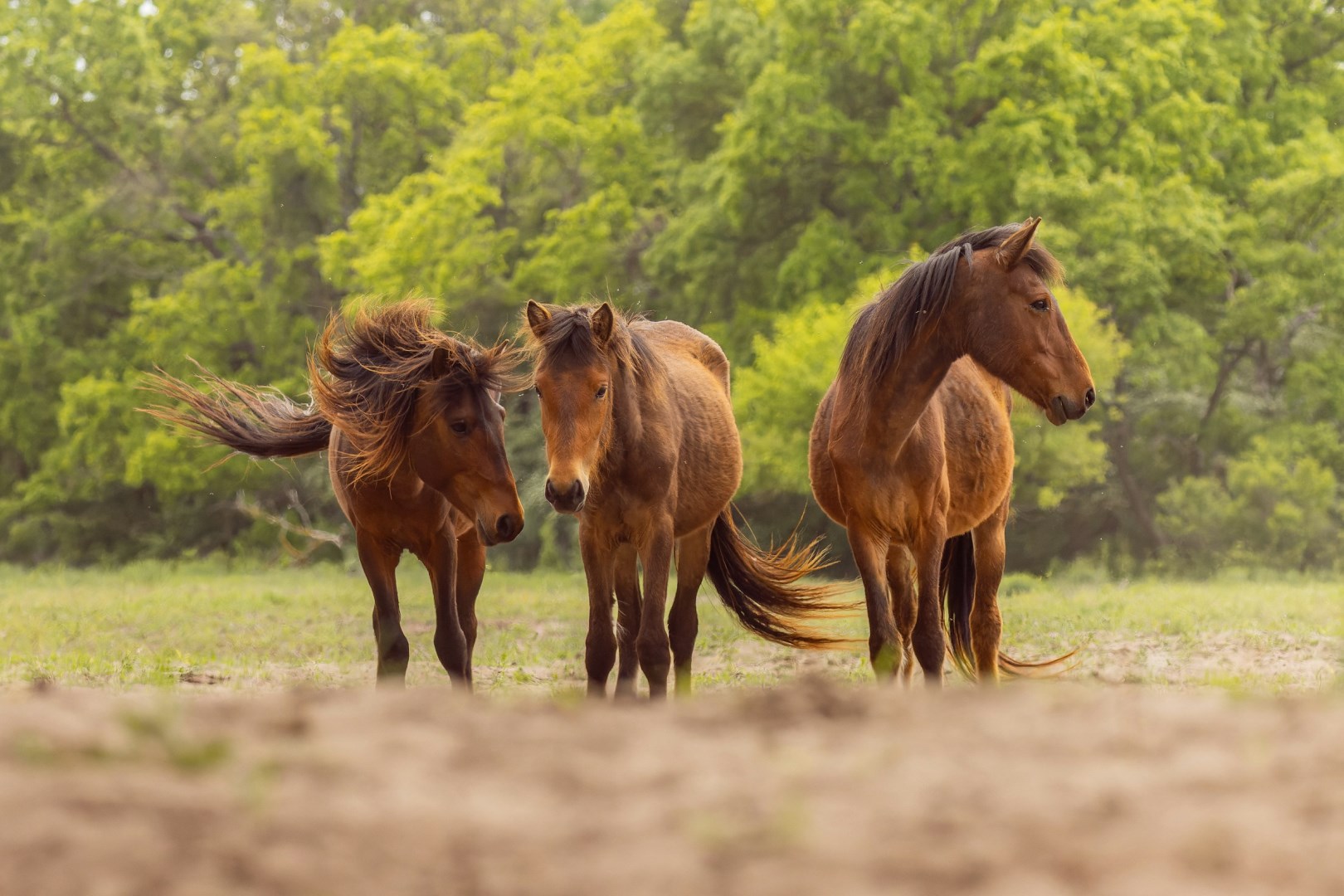
Kampong Cham, nestled along the banks of the Mekong River, is a captivating destination that offers a blend of cultural heritage and natural beauty. This charming city is renowned for its picturesque landscapes, including the iconic Ko Paen Bamboo Bridge, which is rebuilt annually after the rainy season. Visitors can stroll through streets lined with French-colonial architecture, giving the city a quaint and historic ambiance.
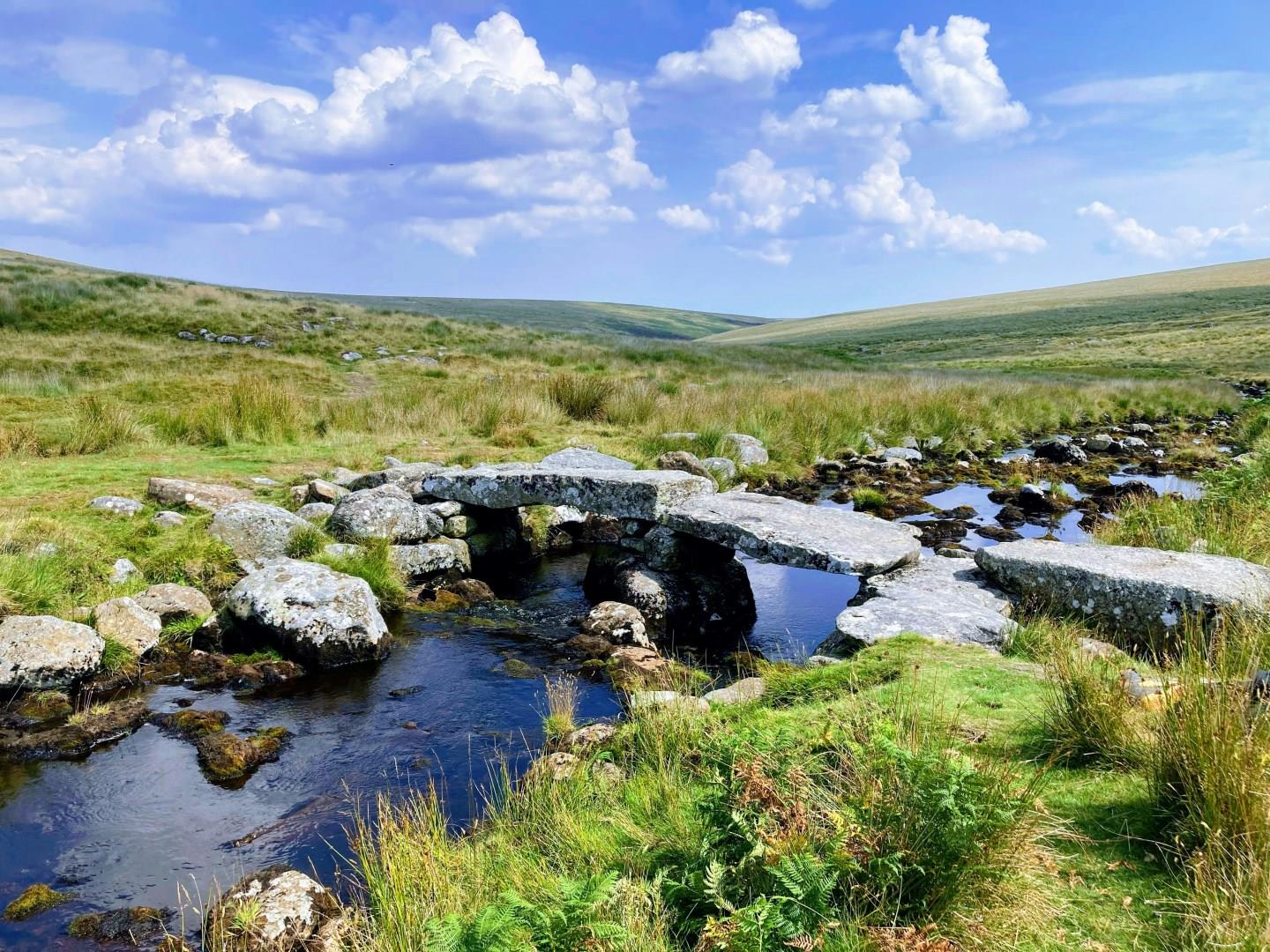
Dartmoor National Park sits in the heart of Devon, England, and invites travelers to step into a landscape that has changed little over thousands of years. Rolling moorland, deep river valleys, and more than 450 miles of paths give visitors space to explore at their own pace. Ancient stone rows, circular dwellings, and burial cairns spread across the moorland are reminders of people who lived here as far back as the Bronze Age.
Must-sees in Seville include the landmark palace Royal Alcázar of Seville, the Gothic, bell-towered Catedral de Sevilla, and Plaza de España, an architectural marvel with Moorish, Baroque and Renaissance influences. Meanwhile, Museo del Baile Flamenco is the place to learn about flamenco dancing culture.
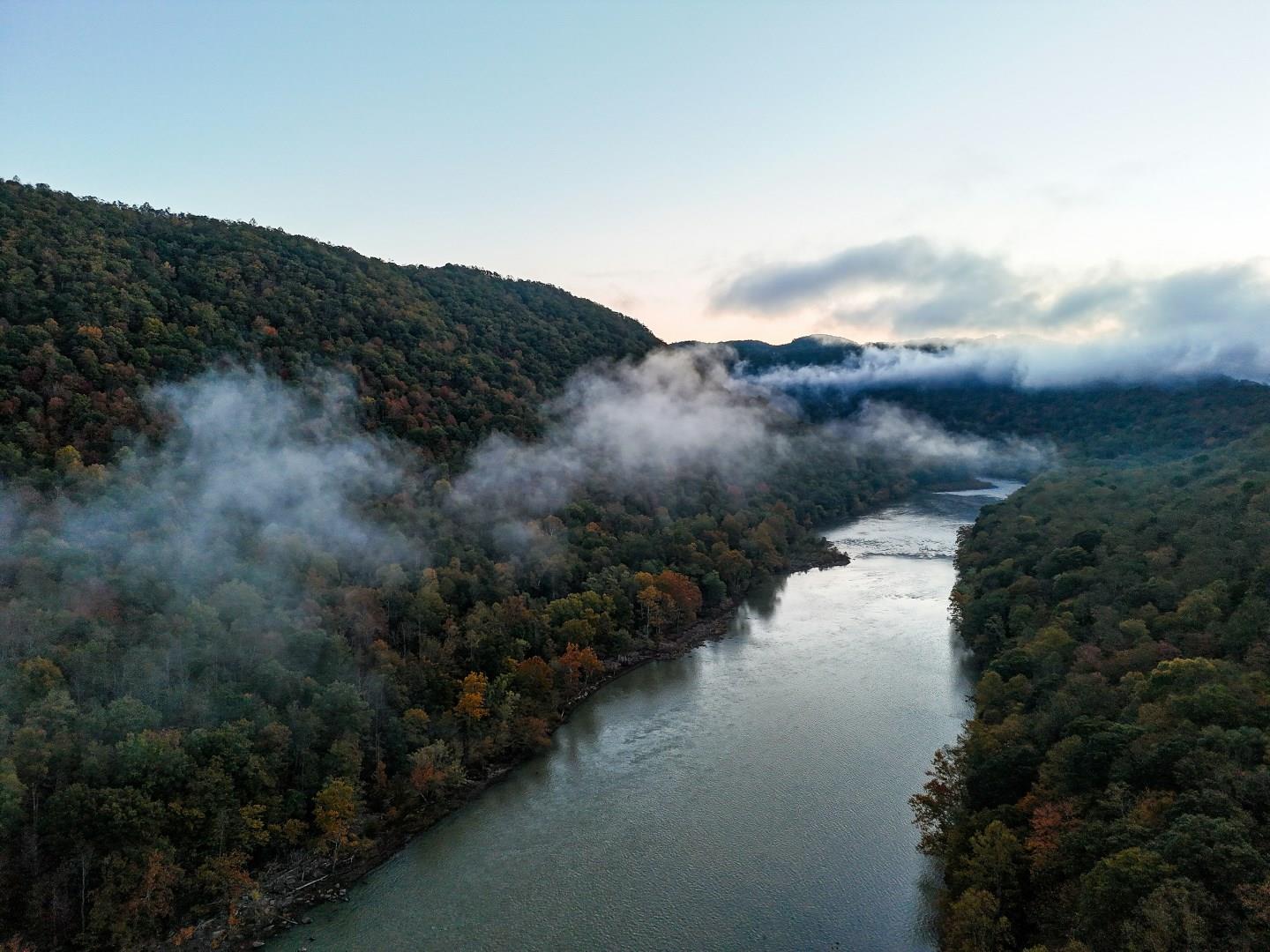
New River Gorge National Park & Preserve in West Virginia has captured the attention of travelers with its rugged landscape and storied past. Established as a national park in 2020, this area was long known for its coal mining heritage and railroad history. Today, visitors can explore remnants of old mining towns and take in views from historic train trestles, all while experiencing some of the most dramatic river and canyon scenery in the eastern United States.
The Volga River is an emblematic waterway that meanders through the heart of Russia, offering an exceptional journey through the country’s rich cultural and historical tapestry. As Europe’s longest river, stretching approximately 3,530 kilometers (2,194 miles), the Volga flows from the Valdai Hills to the Caspian Sea, weaving through major cities such as Tver, Nizhny Novgorod, and Volgograd.
Photo Credit: Photo by Florentina Tilvic on Unsplash
In December 1989 Romania was reborn as a free nation. Now this multifaceted country is welcoming tourists to enjoy a wonderfully varied heritage of traditional culture, scenic splendors and leisure opportunities. A resurgence of endeavor and enthusiasm is re-invigorating the country's tourist facilities to create a unique holiday destination.
There's a wealth of things to do and see in Romania with an intensive range of activities and places to visit. You can ski at traditional or purpose-built mountain resorts or laze in the hot sun on the Black Sea beaches comparable to those on the Mediterranean. You can hike through unspoilt landscapes, where rivers run clear, or take a boat in the 5,640 sq km (2,200 sq miles) water wilderness on the Danube Delta, of which 4,340 sq km (1,695 sq miles) in Romania to watch pelicans and other rare birds among floating reed islands. Or you can enjoy the architecture, museums and galleries of the cities.
The very name 'Romania' reminds us that ancient Rome exercised a decisive influence on this country and monuments of that era remain. There are feudal fortresses, Byzantine "painted" monasteries and decorated village houses to be admired, while "Dracula's" castle is only one among many other fascinating castles and palaces.
You can watch folk festivals in Transylvania that are genuine expressions of local culture, not merely staged for visitors. When you buy local crafts- like woodcarvings or ceramics you are buying things made to give pleasure in their use, not just throwaway souvenirs. One of many extraordinary aspects of this country is its vibrant rural culture, which for decades the outside world heard little about. Not that Romania's heritage is merely one of folk art! Bucharest used to be called the "Little Paris", and with good reason!
Today first class opera and concerts, permanent art exhibitions, like that of the sculptor Brancusi, fine Museums and galleries are all symptomatic of the new Romania's sophisticated artistic sensibilities.
Better still this is all backed up by the comfort of a widening range of hotels and restaurants, good internal communications by air, train and bus, and surprisingly low prices. Even going to the opera is remarkable value; and as for local delicacies and Romanian wines! Romania is on the move. Come and see for yourself.