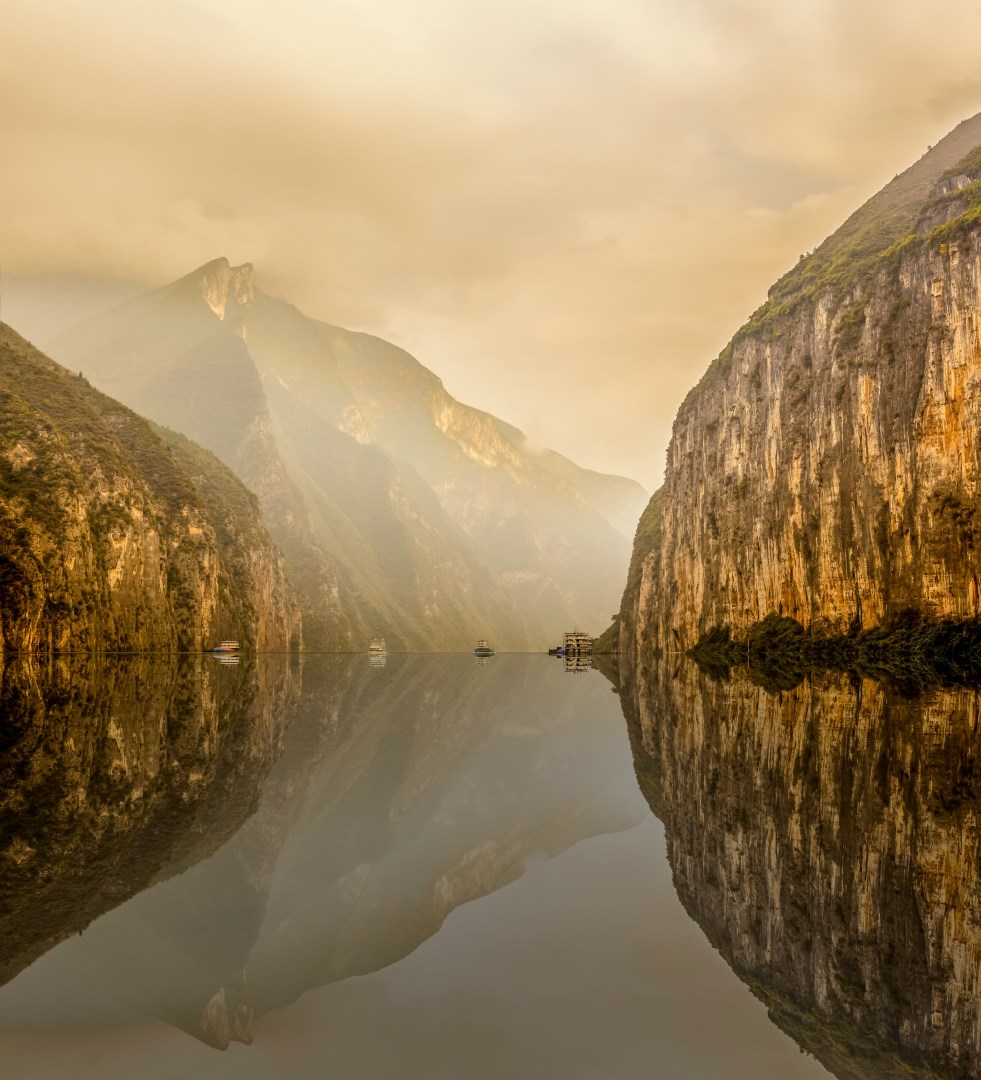
Yangtze River
The Yangtze River, a magnificent artery of China, stretches over 6,300 kilometers (3,917 miles) from the Tibetan Plateau to the East China Sea. As the longest river in Asia and the third longest in the world, it weaves through breathtaking landscapes and vibrant cities, making it a prime destination for travelers seeking both adventure and cultural immersion.

Freycinet National Park
Freycinet National Park, located on the east coast of Tasmania, Australia, is a natural paradise that entices travelers with its dramatic pink granite peaks, secluded bays, and pristine beaches. The park is home to the iconic Wineglass Bay, often touted as one of the world's most beautiful beaches, with its crescent-shaped shore of soft white sand and crystal-clear turquoise waters.
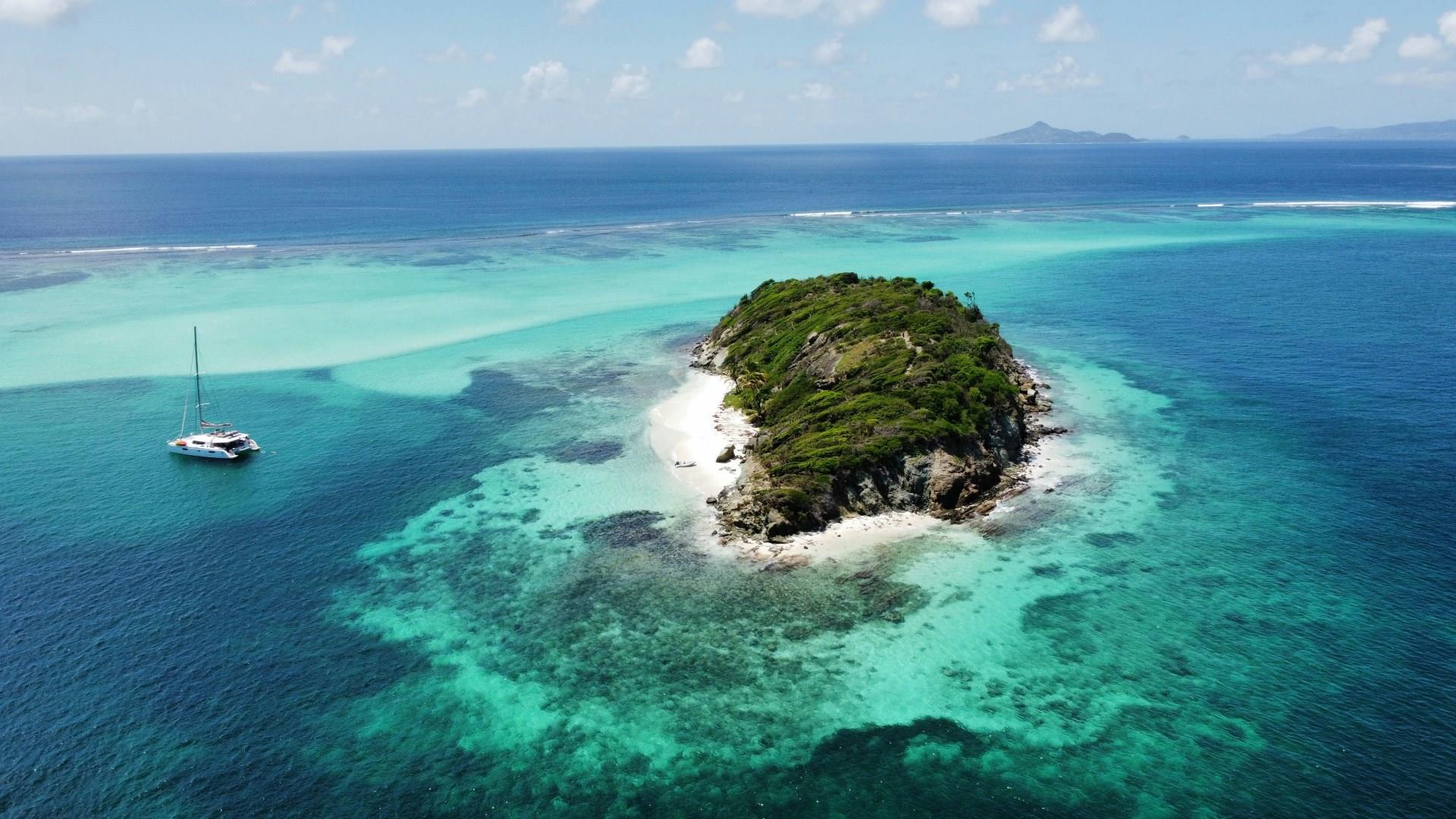
Tobago Cays
The Tobago Cays are a small cluster of uninhabited islands and reefs in the Southern Grenadines, known for their crystalline waters, coral formations, and vibrant marine life.
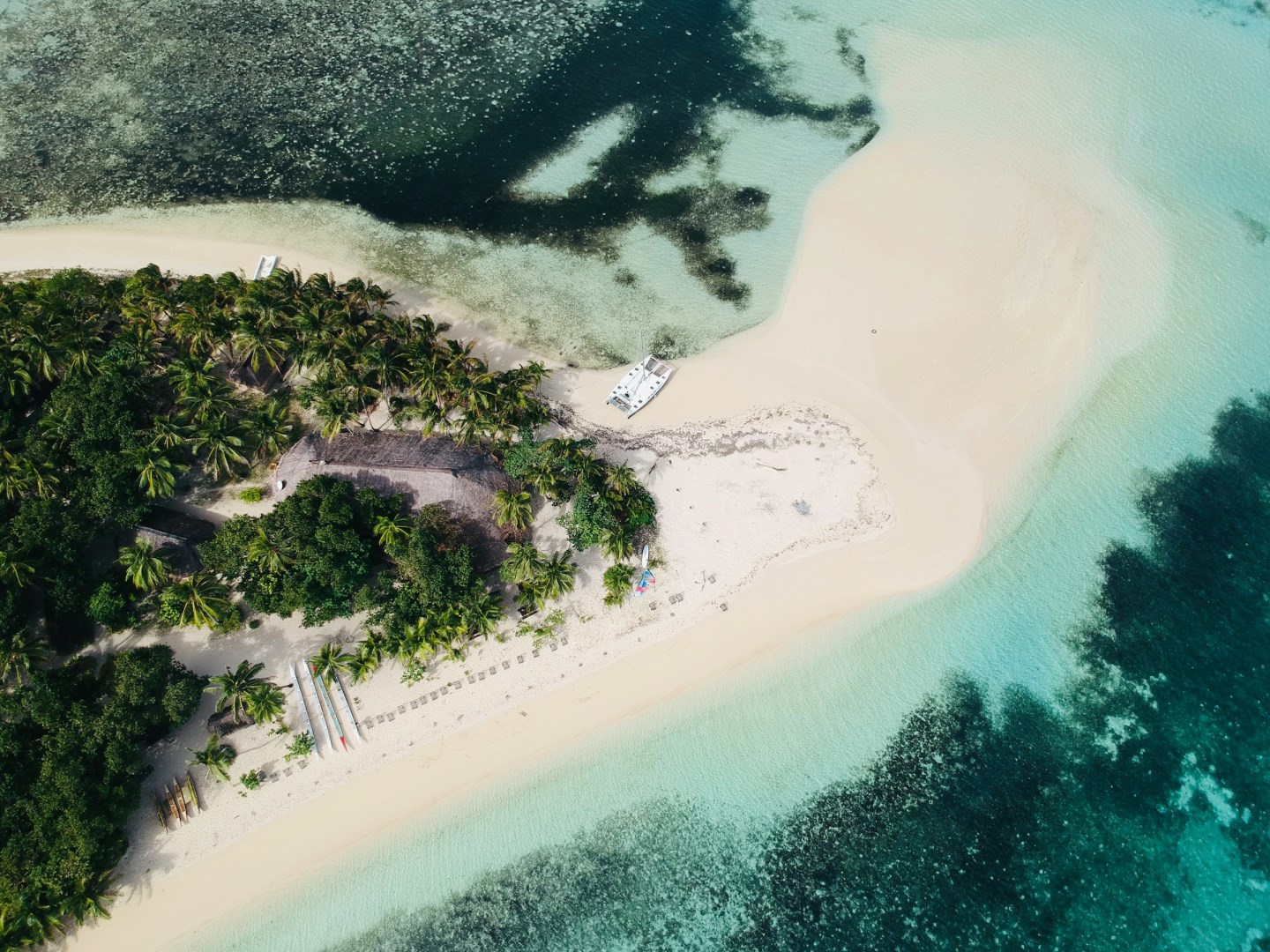
Leleuvia Island
Leleuvia Island is a small island in Fiji’s Lomaiviti group, located off the eastern coast of Viti Levu between Bau, Moturiki and Ovalau.

Panama
Panama is a country shaped by its geography and defined by its role in global history. The Panama Canal remains its most iconic feature as a 50-mile engineering marvel that connects the Atlantic and Pacific Oceans. Visitors can watch ships pass through the Miraflores Locks from a dedicated observation deck or explore the interactive museum that explains how the canal changed international trade forever.