Arrawarra
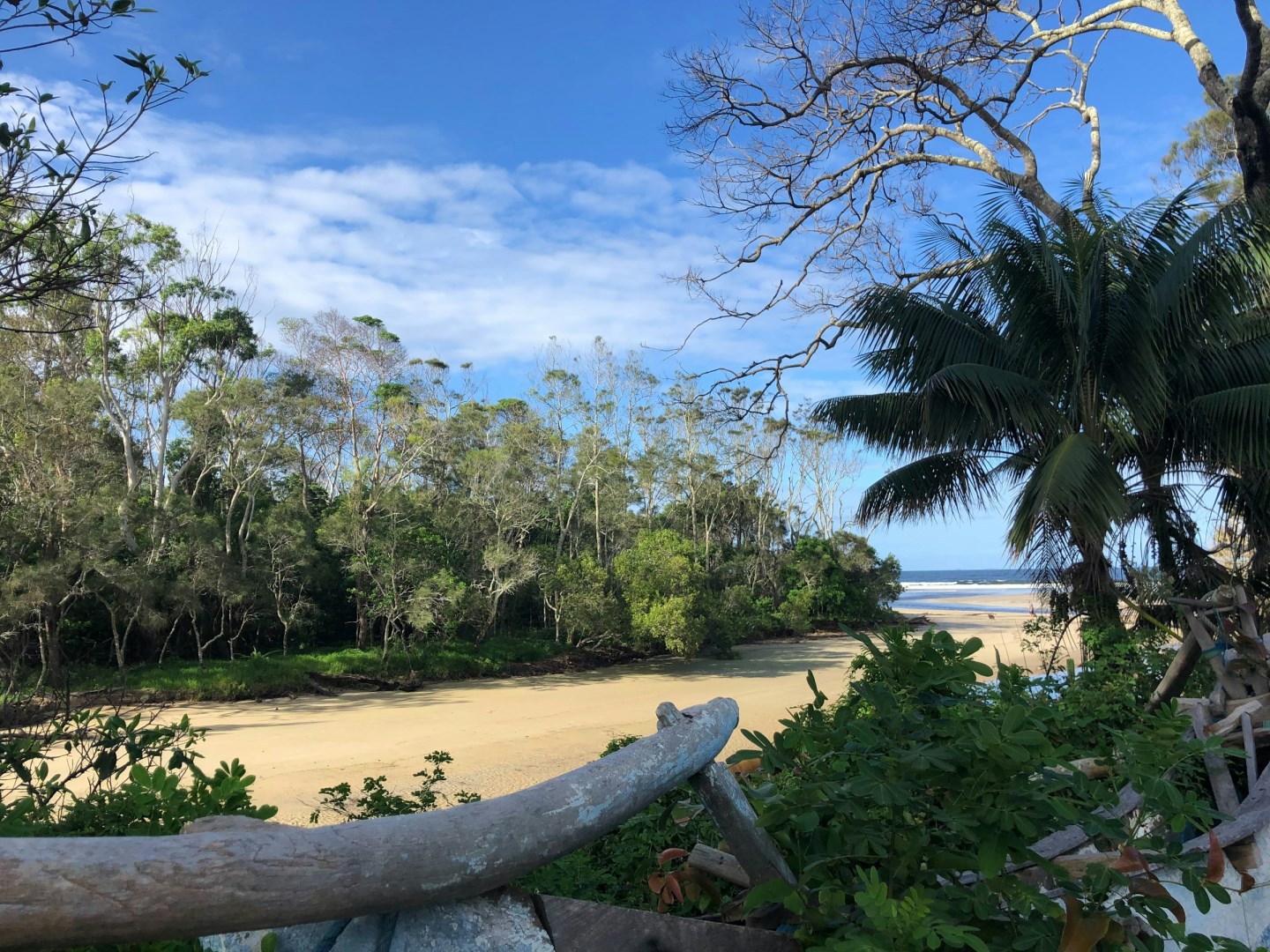
Arrawarra is a small coastal community on the Mid North Coast of New South Wales, located north of Coffs Harbour. Its landscape centres on Arrawarra Headland, where a sandy beach meets rocky shoreline, coastal vegetation, and waters protected within the Solitary Islands Marine Park. The area is known for surfing, fishing, swimming, beach walking, and exploring rock pools.
Sicily
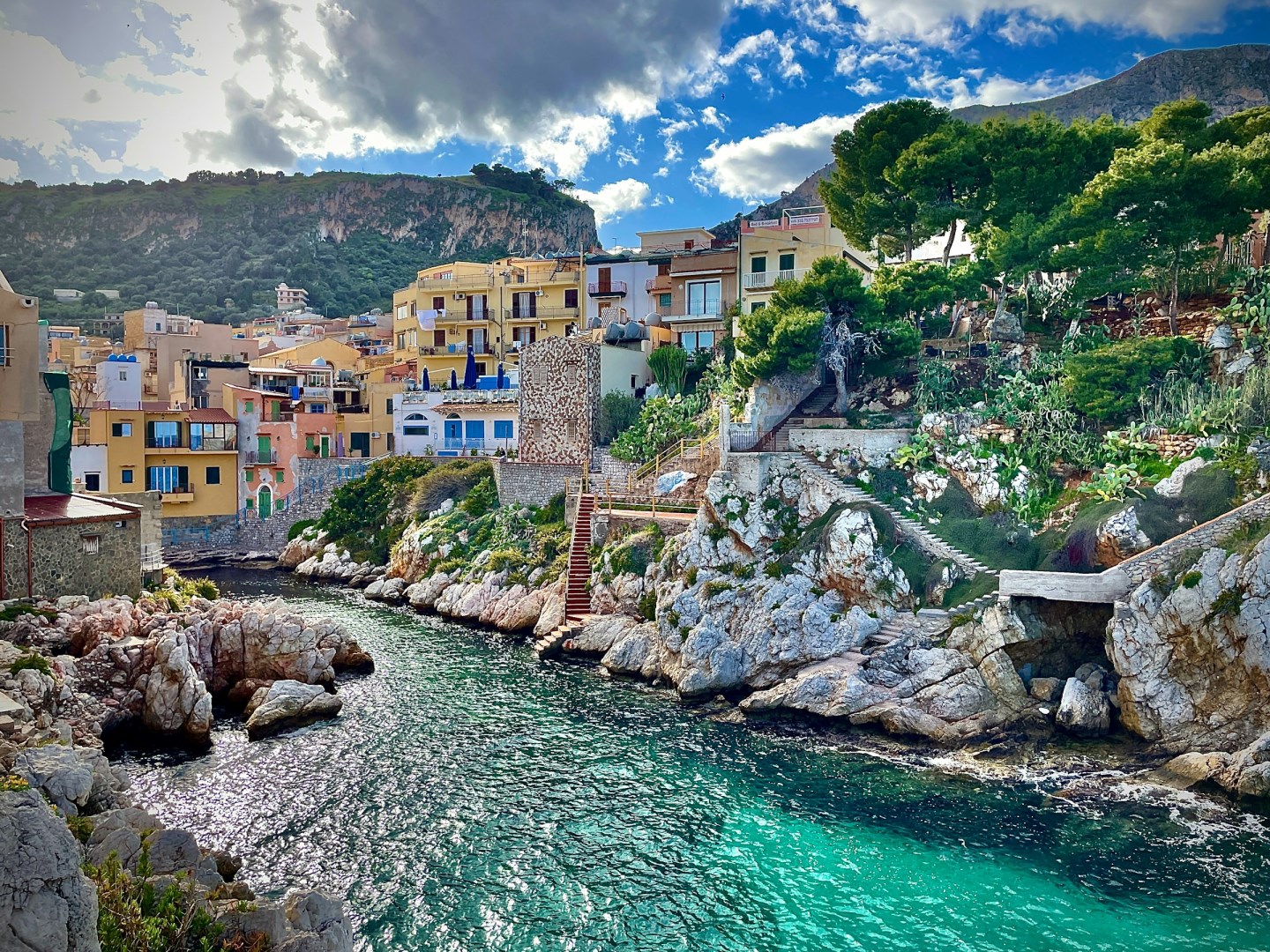
Sicily, the largest island in the Mediterranean, is a captivating blend of ancient history, stunning landscapes, and vibrant culture. The island’s rich past is evident in its archaeological treasures, with Greek, Roman, Arab, and Norman influences shaping its architecture and traditions. The Valley of the Temples in Agrigento is a must-visit for history lovers, where you can wander among some of the best-preserved Greek temples outside of Greece.
Lake Issyk
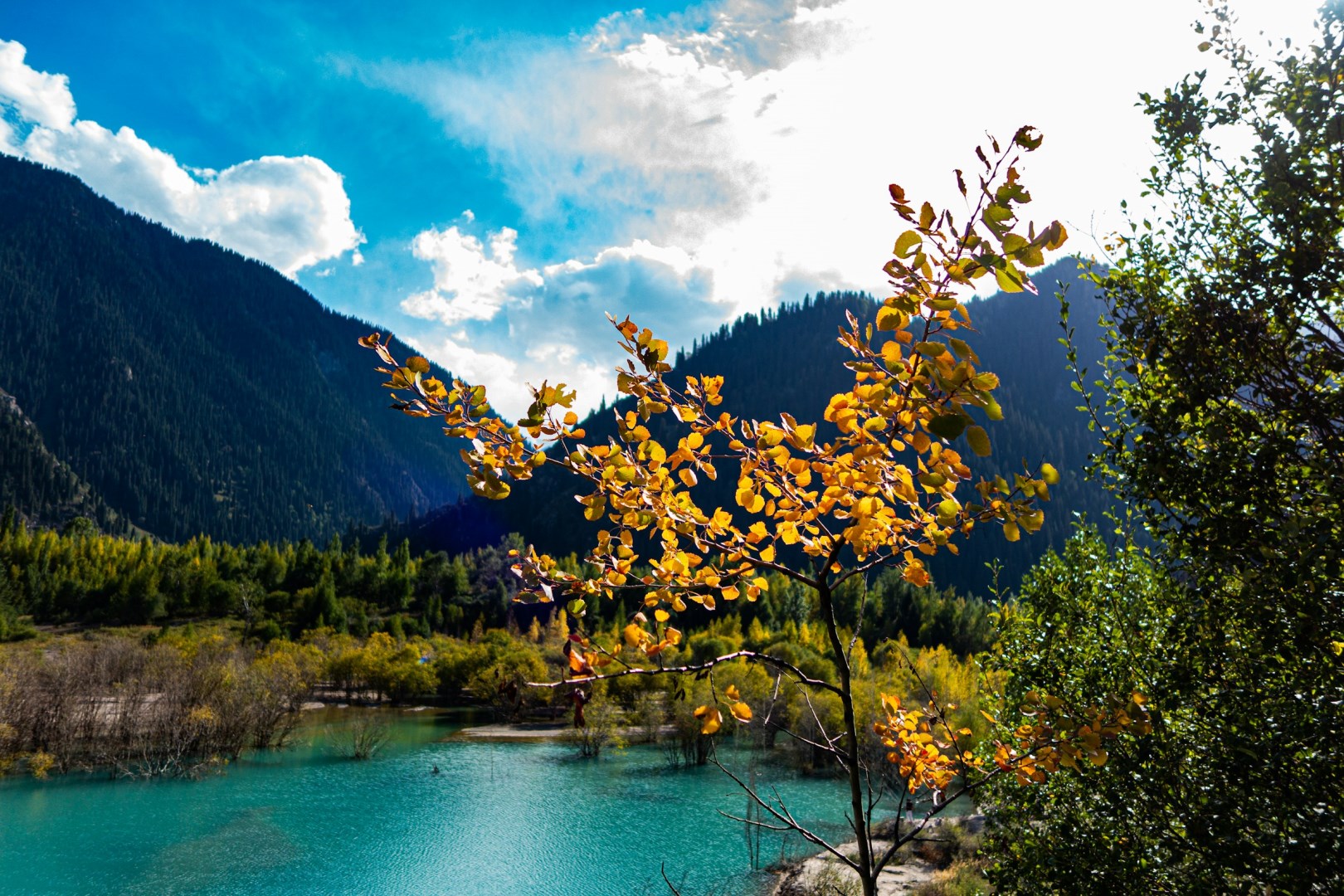
Lake Issyk is a mountain lake in southeastern Kazakhstan, located in a gorge of the Trans-Ili Alatau about 60 kilometers east of Almaty. The lake lies at roughly 1,800 meters above sea level within the Ile-Alatau National Park and is surrounded by steep rocky slopes, coniferous forests, and alpine meadows.
Saba
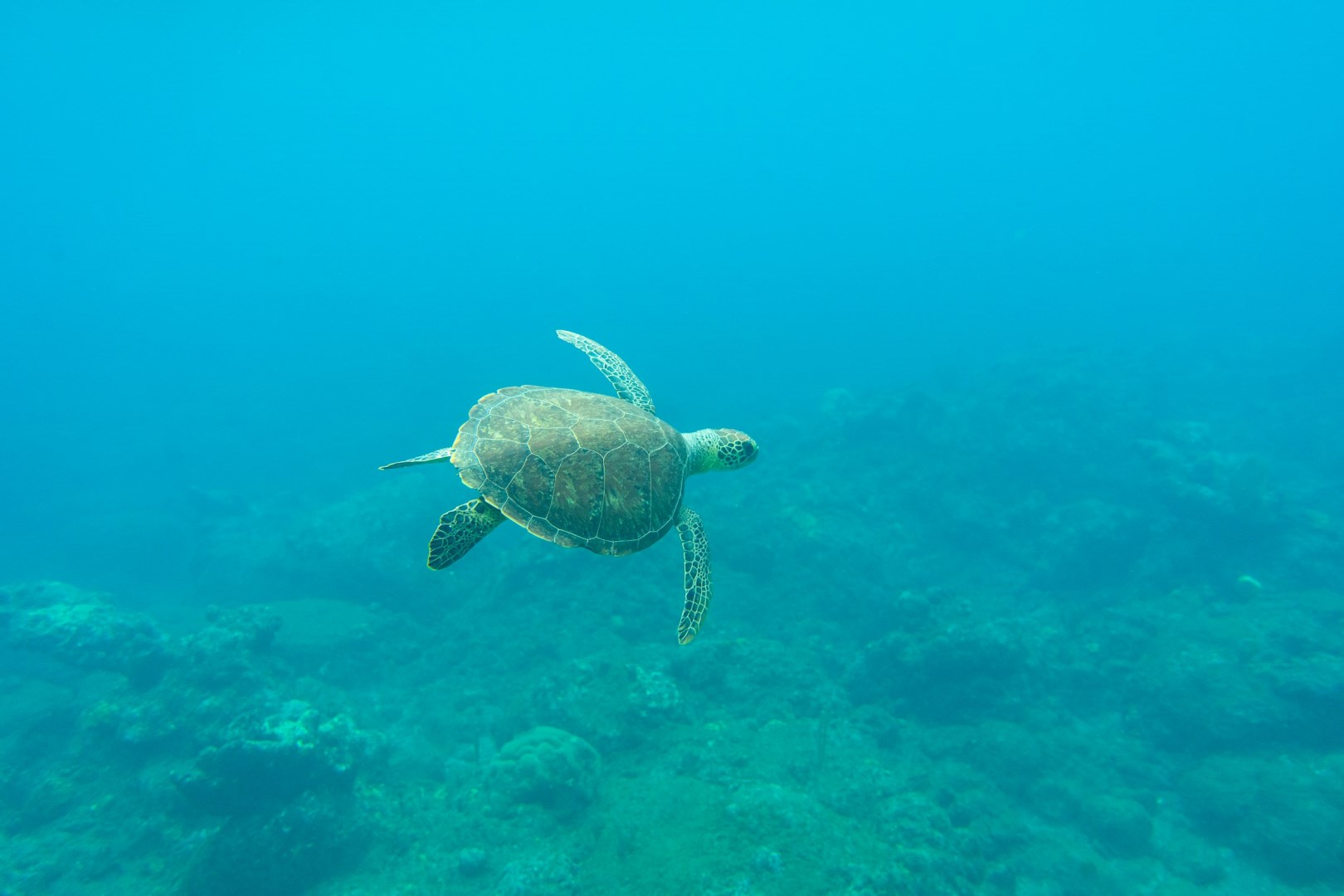
The Caribbean's Saba Island is the perfect hideaway! Climb 1,066 hand carved steps to the top of Mount Scenery, or take a roller coaster ride on "The Road", the only road on Saba. Scuba dive, hike, go deep sea fishing, shop for Saba Lace and Saba Spice (an innocent sounding but potent local rum), or relax and enjoy the spectacular views high above the blue Caribbean.

Delhi
Delhi is a sprawling metropolis in North India that contains the country's capital, New Delhi. Life is abuzz and hectic here, with traffic going every which way. A huge population shuffles through Delhi's streets, alleys and food and spice-selling bazaars, and it's quite memorable to be a part of it all.