
Ogunquit
Ogunquit is a beautiful place by the sea. Offering quaint New England flavor of the Village Center, Ogunquit is a bustling holiday haven to visitors from all over the world. Ogunquit today remains a tranquil, small village that continues to offer almost everything to almost everyone as perhaps nowhere else in the country can.

Coffee Axis
Nestled in the heart of the Andean mountains, Colombia's Coffee Region, or “Eje Cafetero,” is a lush tapestry of rolling hills, fertile valleys, and towering wax palms. This UNESCO World Heritage-listed landscape is more than just the epicenter of Colombia's coffee production—it is an invitation to explore a culture steeped in tradition, warmth, and a deep appreciation for the natural world.

Adelaide
Situated on the coast of South Australia, Adelaide shines as one of Australia’s cultural centers and boasts extraordinary natural beauty throughout.

Petra
Tucked between Jordan's sandstone cliffs in the southwestern desert, Petra was carved directly into rose-colored rock more than 2,000 years ago. Visitors approaching through the narrow gorge known as the Siq are rewarded with their first glimpse of Al-Khazneh, the Treasury, a towering facade that seems to appear from another world.
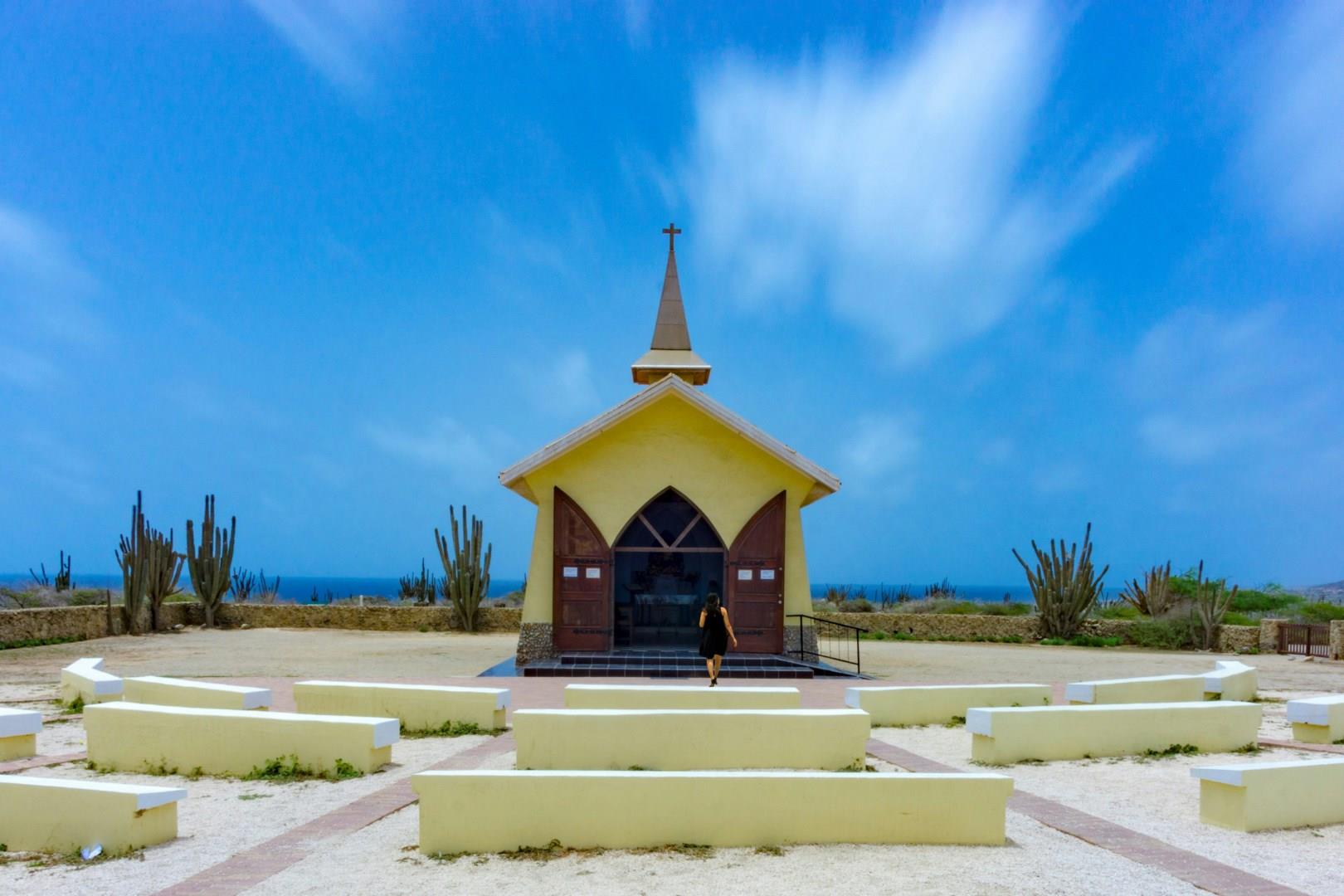
Noord
Noord, located on the northern tip of Aruba, is where much of the island’s lively tourism scene comes to life. This district is home to the famous Palm Beach, a two-mile stretch of soft sand lined with high-rise resorts, chic beach clubs, and a vibrant mix of restaurants and nightlife.