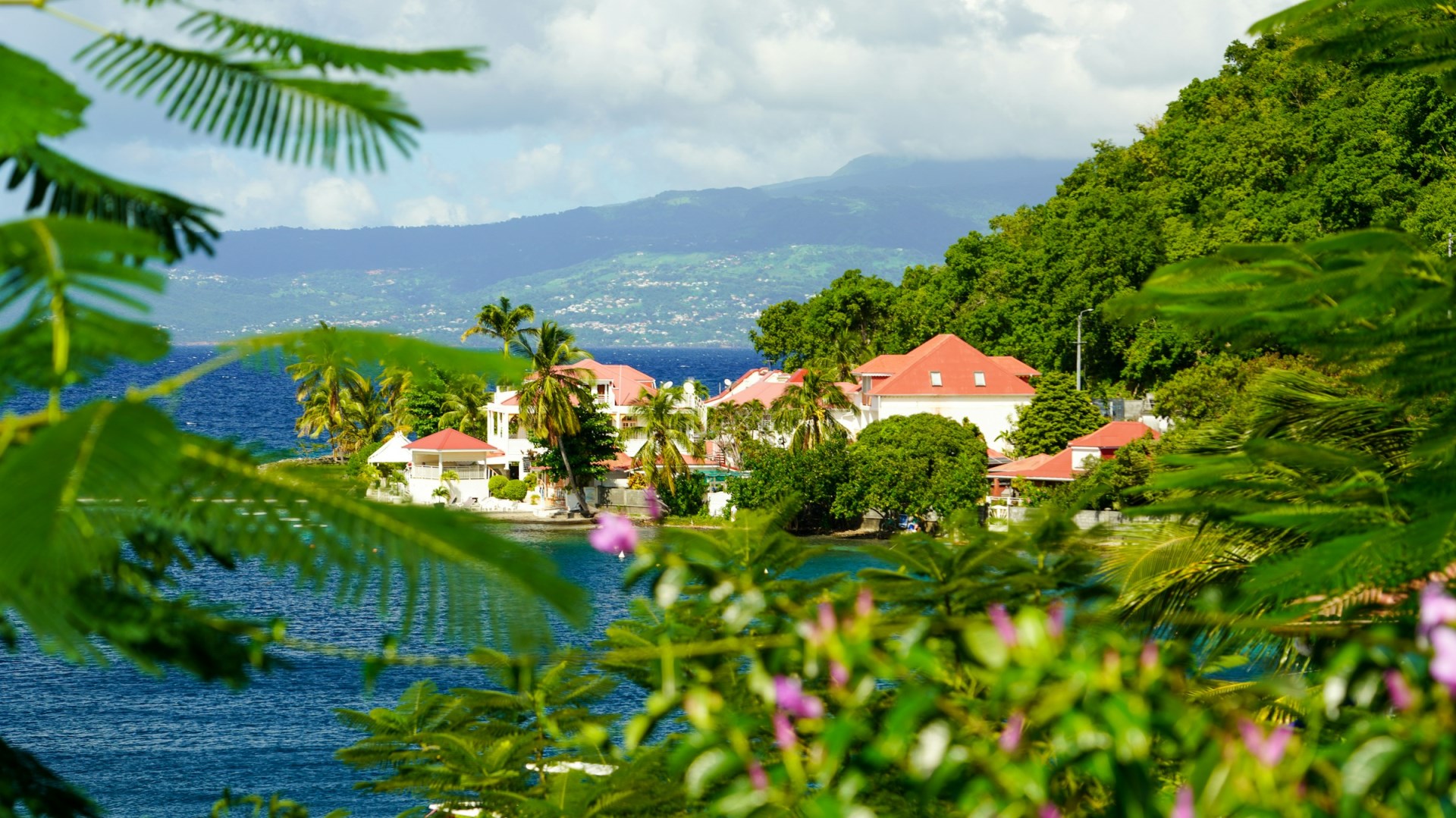
Philipsburg
The capital of Saint Maarten, the Dutch side of this two nation island, Philipsburg is located on the isthmus between Groot Baai (Great Bay) and the Salt Pond. Founded in 1733 as a free port, the city is now the home to outstanding shopping, casinos, and a variety of hotels and resorts, including nearby Mullet Bay Resort and Golf Club.
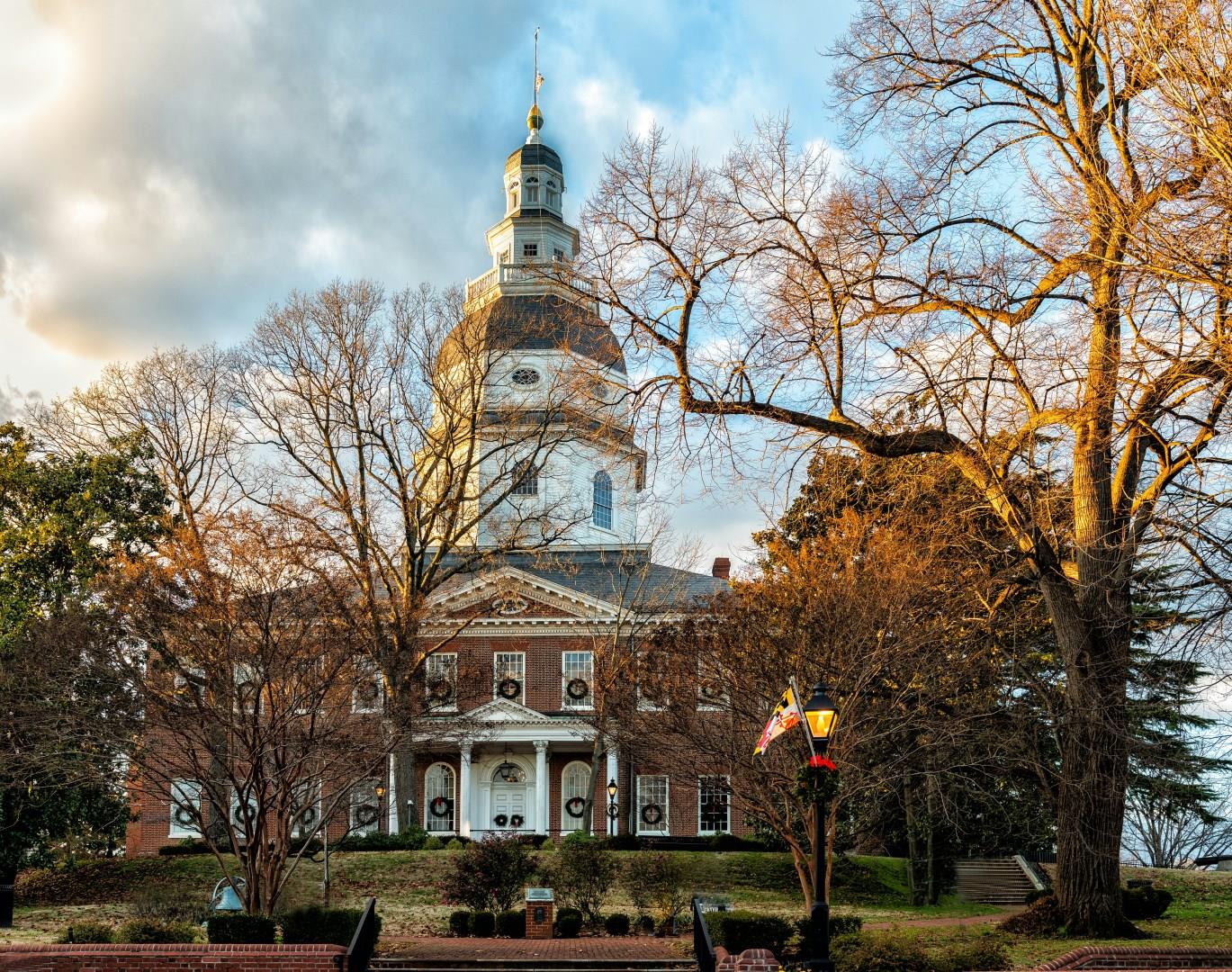
Annapolis
Annapolis may be best known as the state capital, but its real charm lies in its deep maritime history, walkable streets, and Chesapeake Bay lifestyle. Founded in 1649, Annapolis served as the temporary capital of the United States in 1783 and is still home to the oldest state house in continuous legislative use. A visit to the Maryland State House, where George Washington famously resigned his military commission, offers a direct link to the early days of American democracy.
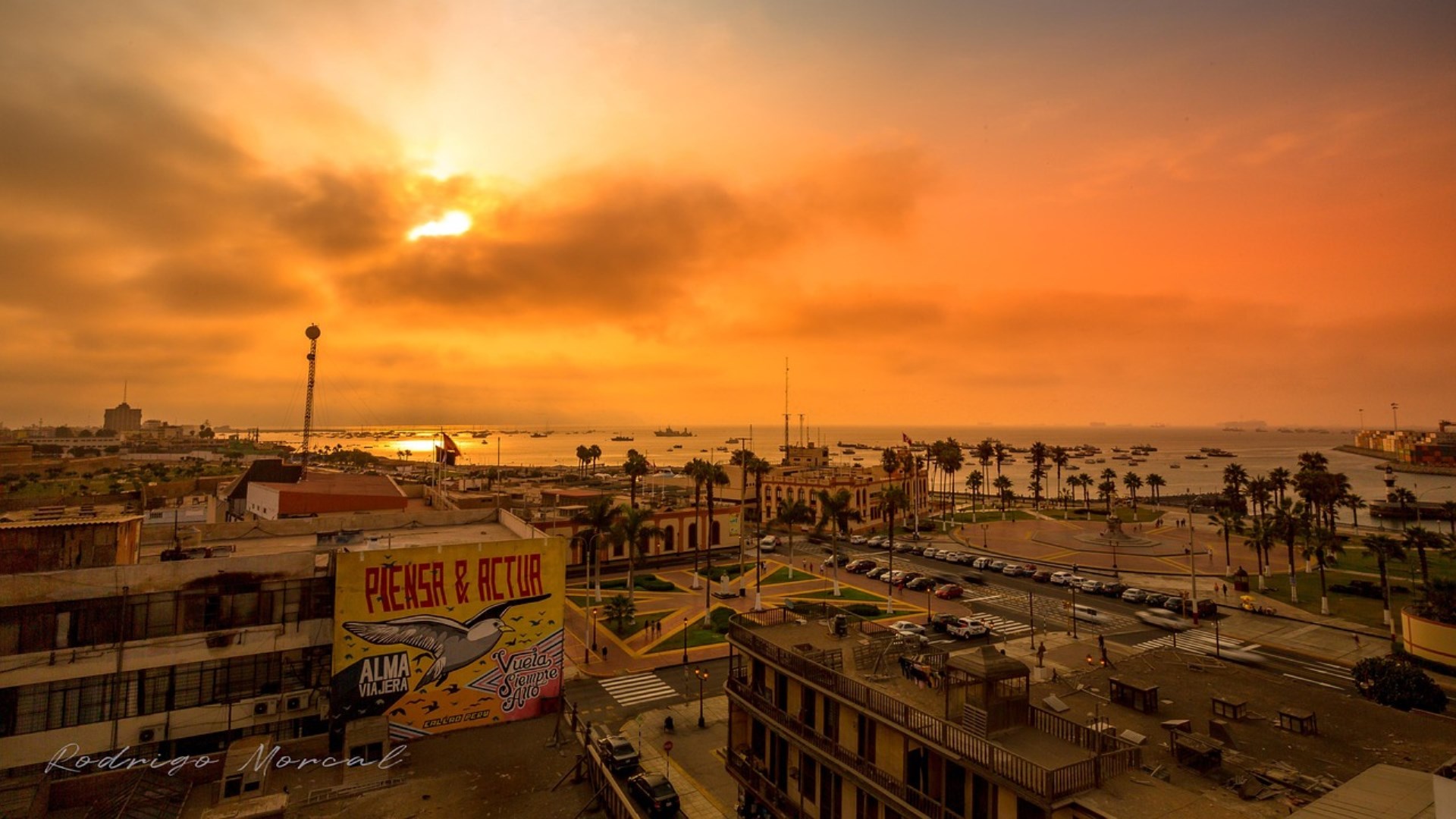
Callao
Callao, Peru, is a city that seamlessly blends its rich maritime heritage with vibrant contemporary culture, making it an enticing destination for travelers seeking both history and adventure. As Peru's main seaport and one of the most important on the Pacific coast of South America, Callao has long been a gateway to the world, with a history dating back to the Spanish colonial era. The city is home to the Real Felipe Fortress, a massive 18th-century structure that once defended the port from pi
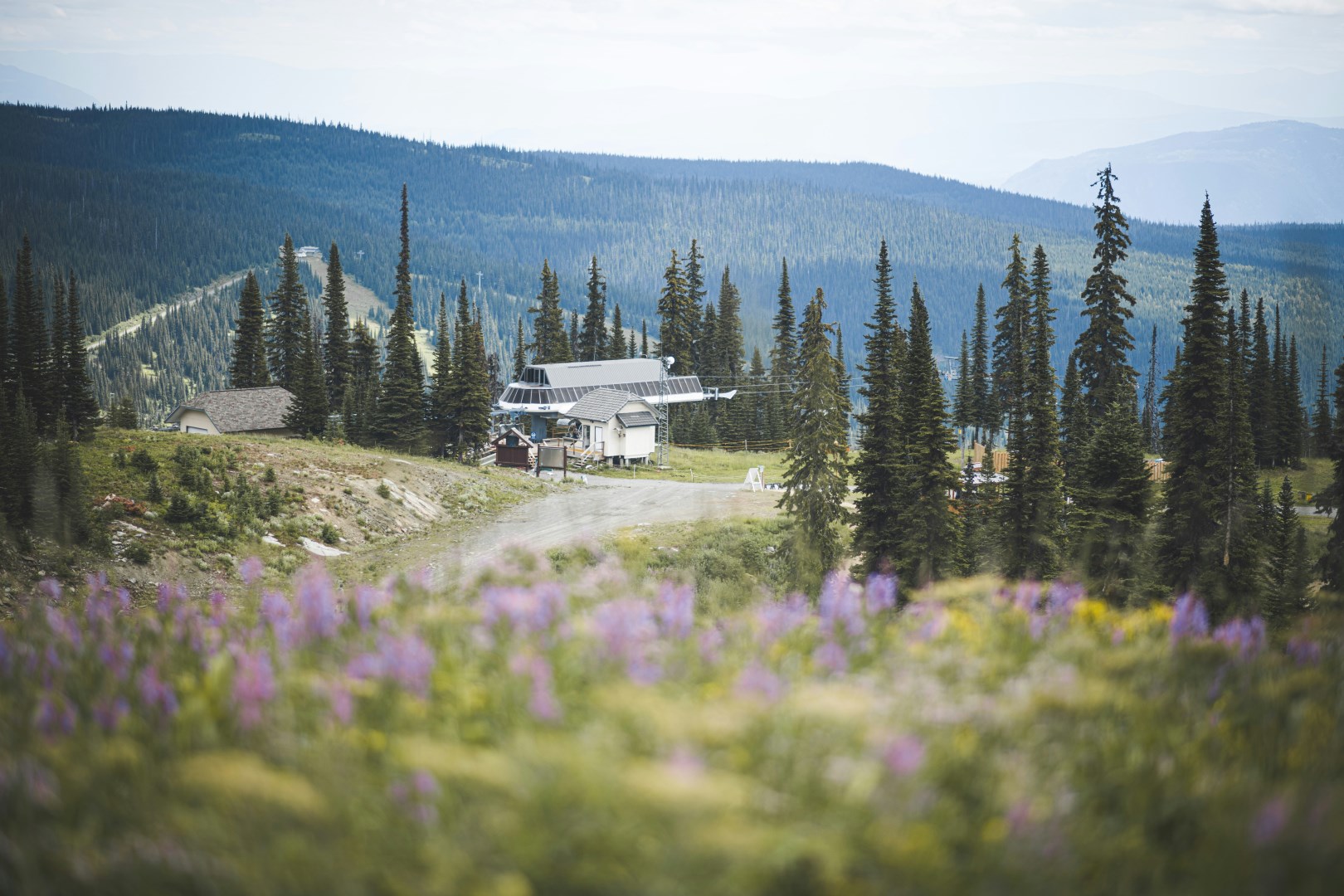
Sun Peaks
Sun Peaks is a mountain village in British Columbia, Canada, located northeast of Kamloops in the interior region of the province. The community is built around Sun Peaks Resort, one of Canada’s largest ski destinations, but the area also functions as a year-round alpine village with hiking trails, mountain biking routes, and access to surrounding forests.
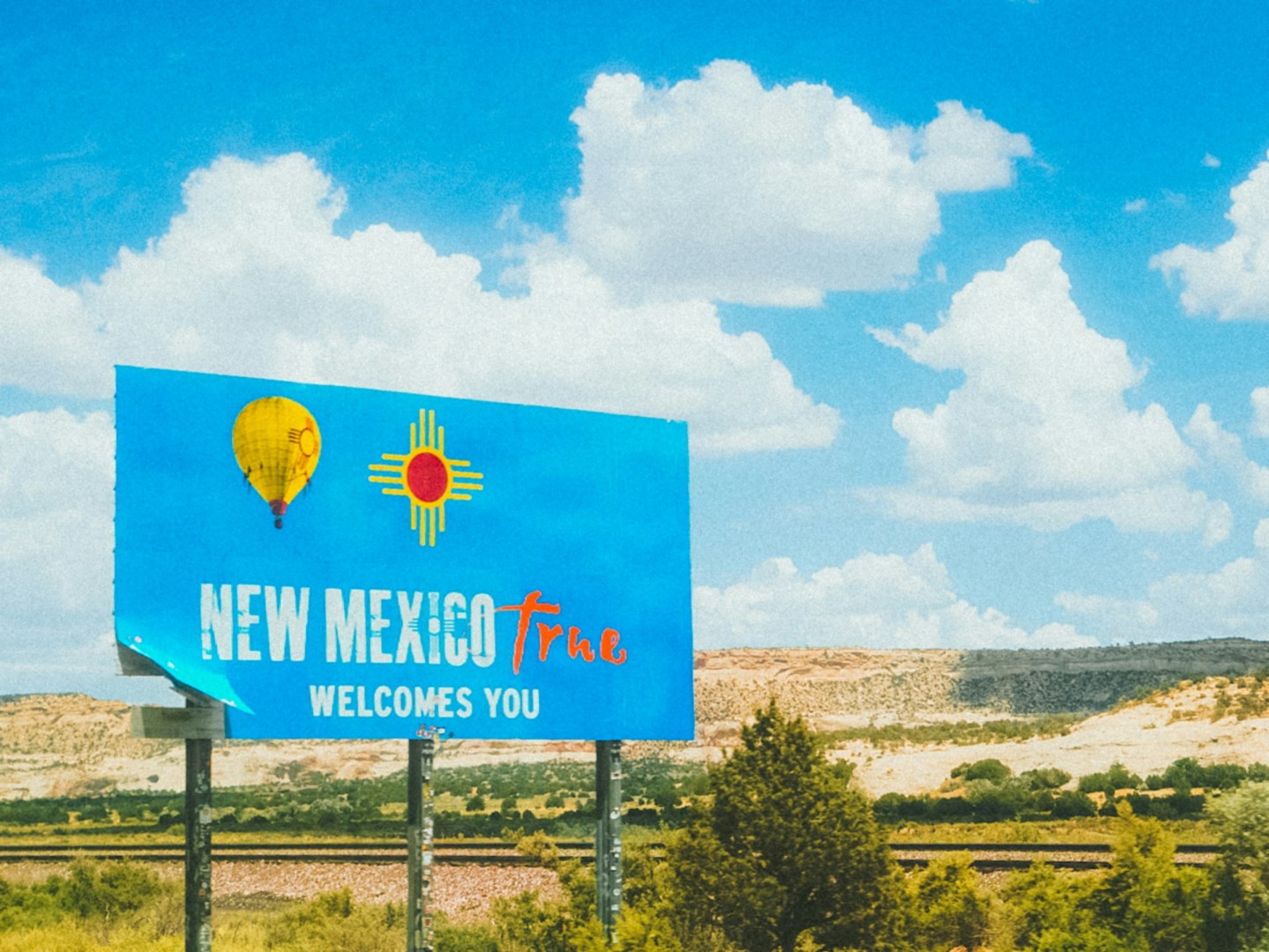
New Mexico
New Mexico is a place where centuries-old adobe buildings stand beneath endless skies and ancient traditions live alongside experimental art and science. Known as the Land of Enchantment, the state offers a landscape shaped by volcanoes, mesas, and high desert plateaus. Santa Fe, the oldest state capital in the U.S., features historic sites like the 17th-century San Miguel Chapel and a walkable downtown filled with galleries and artisan markets.