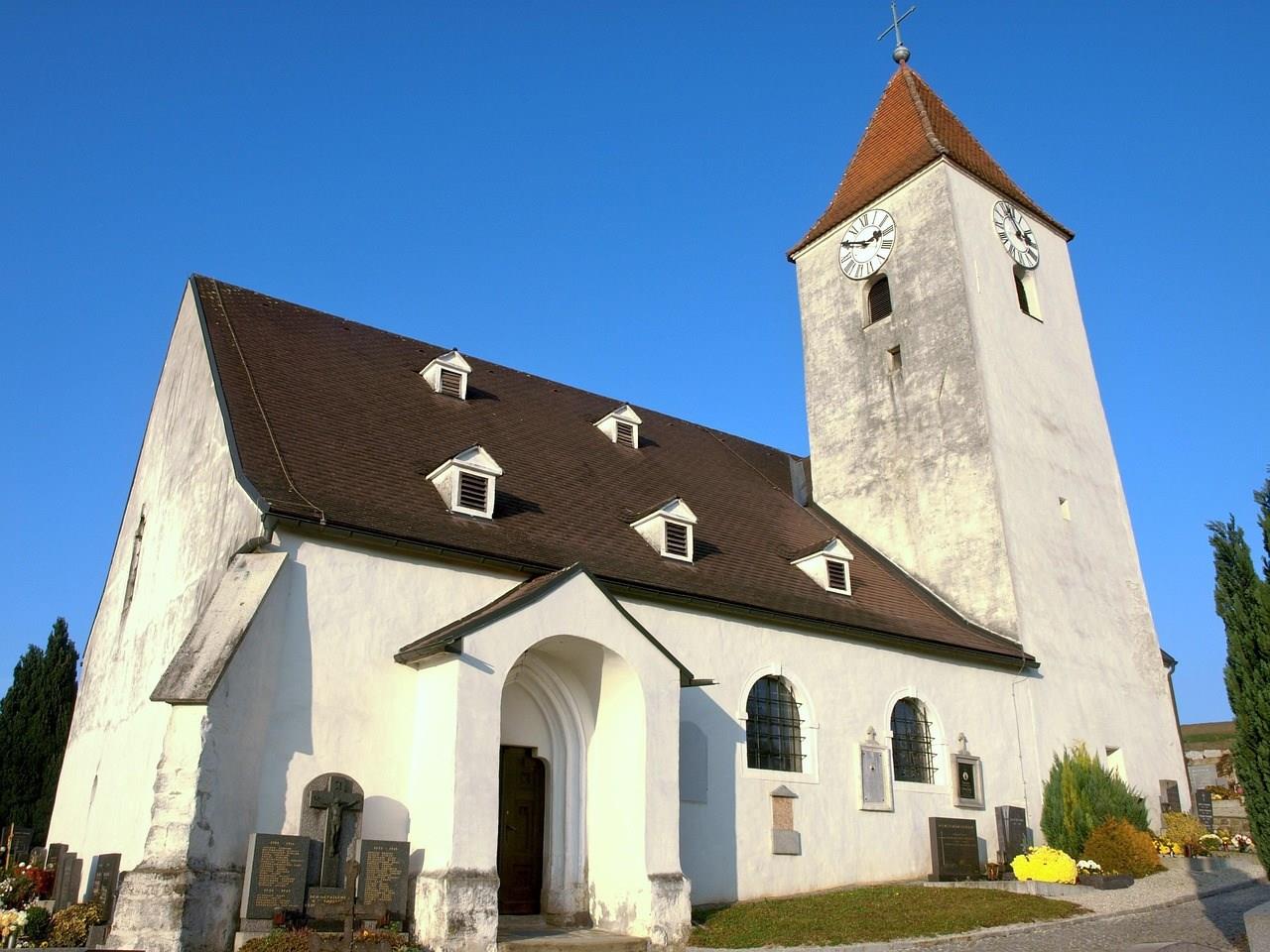
Ardagger
Ardagger provides a charming escape from Austria’s larger cities. Whether exploring the abbey, enjoying the riverfront, or sampling local dishes, visitors will find plenty of reasons to appreciate this peaceful corner of Lower Austria.

Yukon
Whitehorse is the territorial capital of this Canadian site of the 1898 gold rush. It consists mostly of rural towns, where the main industries are mining and tourism. It is a land of forests, rivers and tall mountain ranges covering a total of 207,075 sq. miles.

Limassol
Cut length wise by the Turkish/Greek border, the island of Cyprus leads two lives. The Turkish side is traditional and Islamic, while the Greek side is a very modern vacation destination.
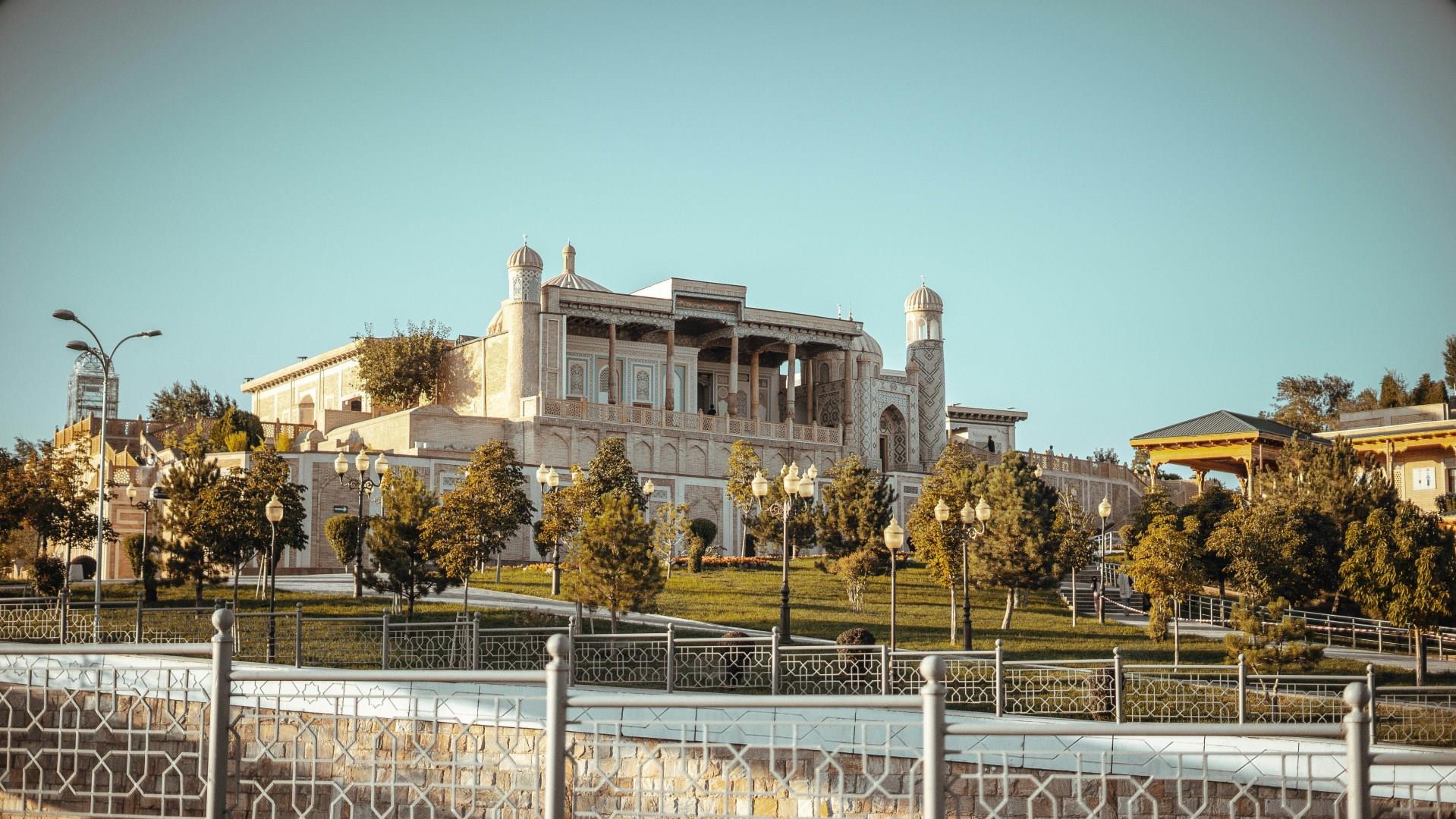
Samarkand
Samarkand is one of Central Asia’s most storied cities, famed for its role as a crossroads of culture, science, and trade along the Silk Road. The heart of the city is the Registan, a grand square framed by three ornate madrasas decorated with vivid mosaics, intricate tilework, and soaring arches.

Charlottetown
Charlottetown, the charming capital of Prince Edward Island, is where history and modernity blend seamlessly. Often called the "Birthplace of Confederation," this picturesque city holds a special place in Canadian history as the site of the 1864 Charlottetown Conference, which paved the way for the creation of Canada.