Belize Barrier Reef
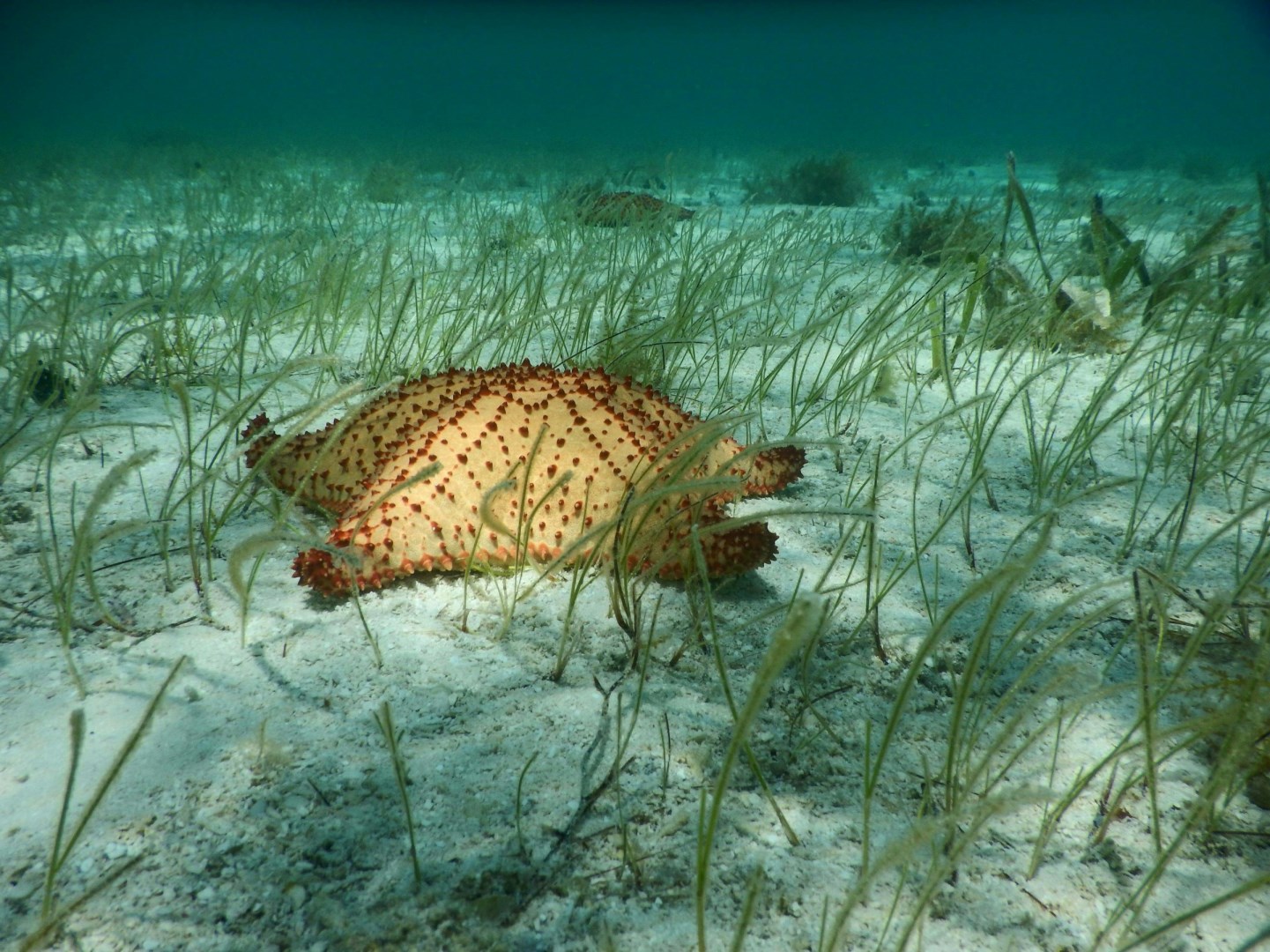
The Belize Barrier Reef is a long coral reef system along the Caribbean coast of Belize, forming part of the larger Mesoamerican Barrier Reef System. It extends for much of the country’s coastline and includes hundreds of cayes, mangrove islands, lagoons, seagrass beds, and offshore reef formations. The reef lies close to several coastal communities, including San Pedro, Placencia, and Dangriga, providing an important setting for fishing, tourism, and marine research.
Gotland
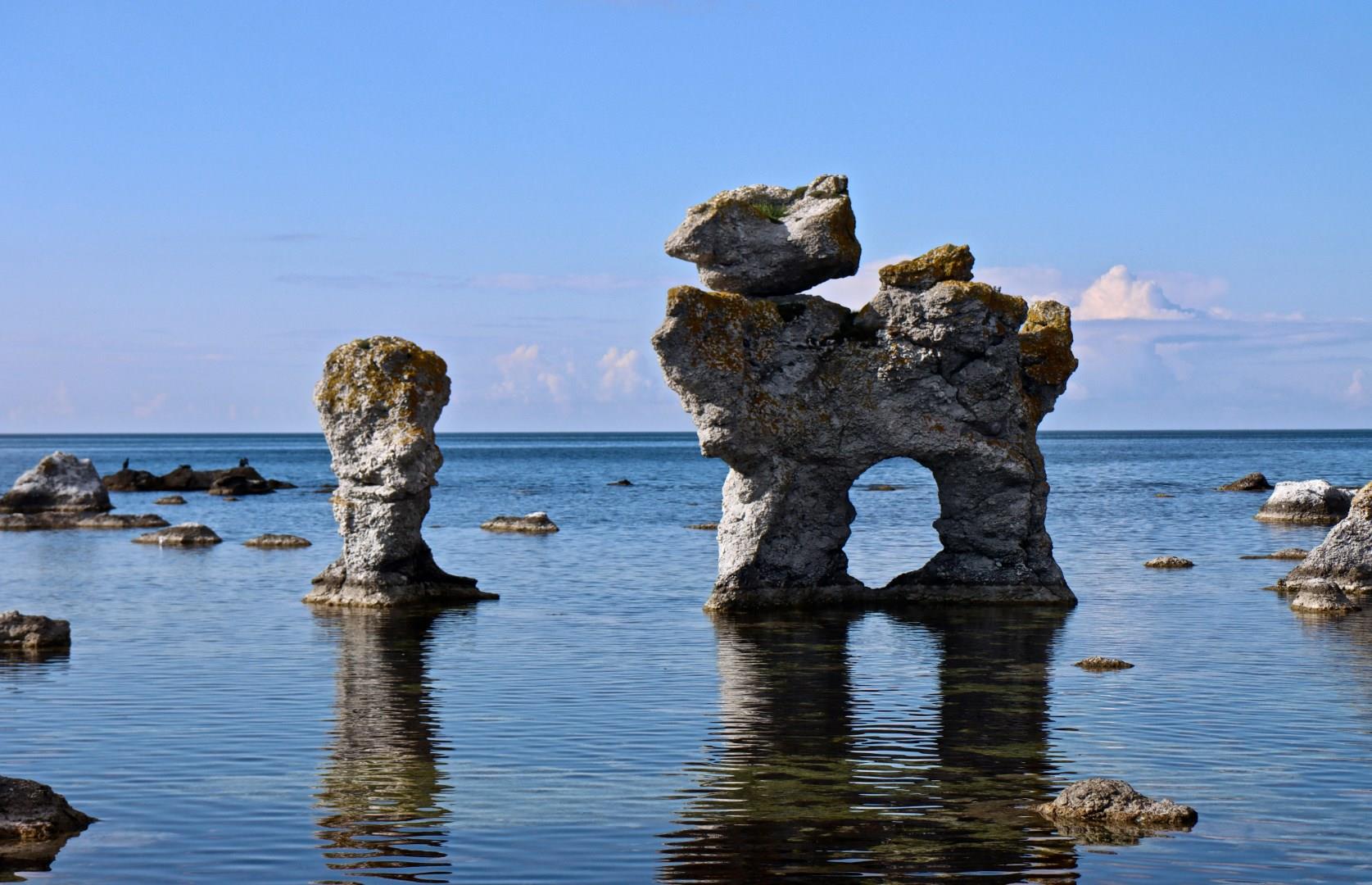
Gotland, Sweden’s largest island, sits in the Baltic Sea and feels like a world of its own. Its main town, Visby, is a UNESCO World Heritage site and one of the best-preserved medieval towns in Northern Europe. Surrounded by a 3.5-kilometer stone wall with original towers still intact, Visby once served as a key Hanseatic trading hub. Visitors can walk along cobbled streets lined with rose-covered cottages, explore Gothic church ruins, and climb up the city wall for views over the harbor.
Mount Rainier National Park
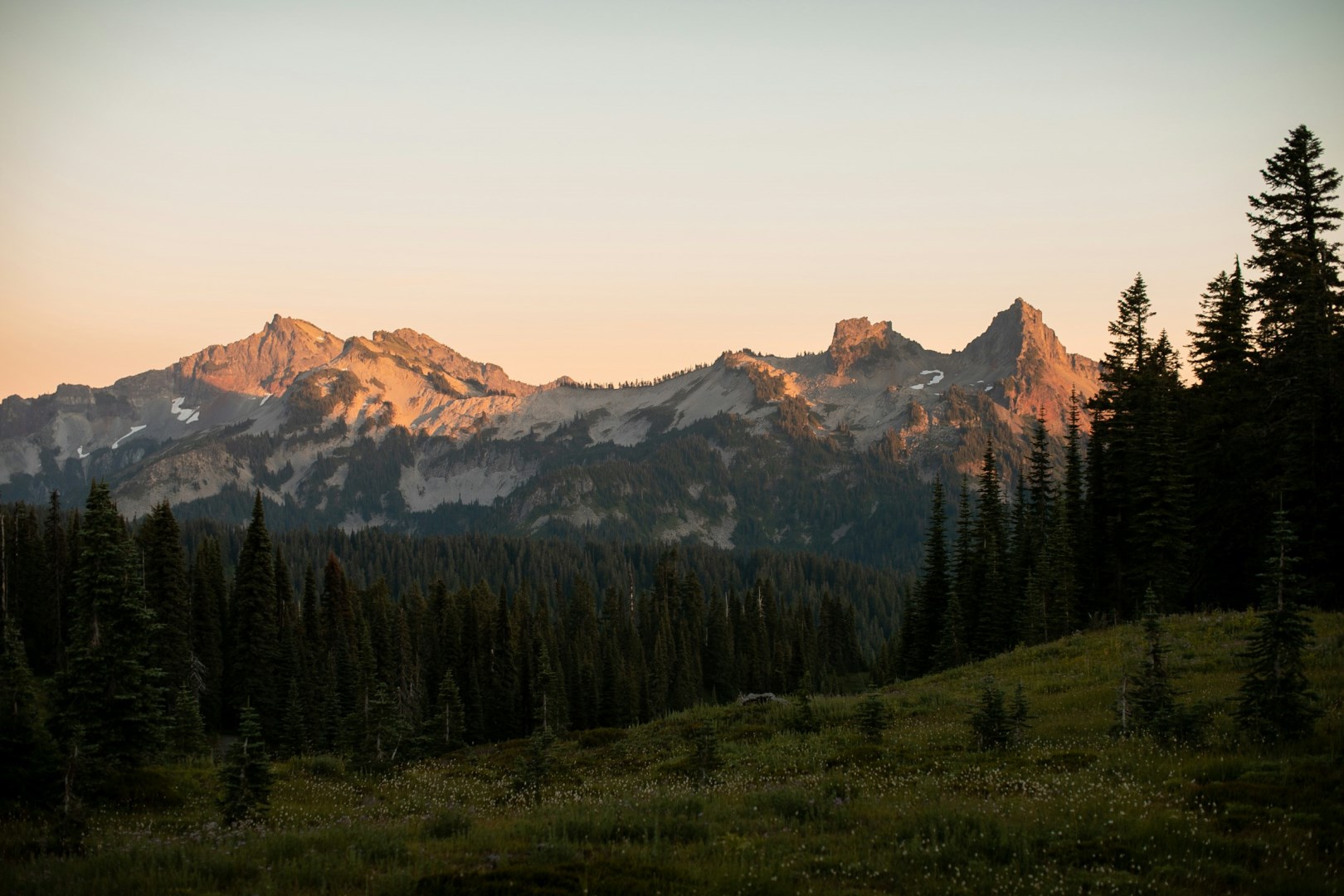
Mount Rainier National Park is centered on Mount Rainier, a massive glaciated volcano rising above the forests and valleys of Washington’s Cascade Range. The mountain dominates the surrounding landscape, with glaciers, snowfields, alpine meadows, old-growth forests, rivers, and waterfalls extending across the park. Its varied elevations create distinct environments, from dense lowland forest to open subalpine terrain and rugged alpine slopes.

New York City
New York City is a city that pulses with movement, sound, and stories at every corner. Whether it's the echo of footsteps under Grand Central Terminal’s iconic ceiling or the quiet shuffle of chess pieces in Washington Square Park, every detail is part of a larger rhythm. New York’s cultural offerings are unmatched in scope. A single day could include a visit to the Museum of Modern Art, a Broadway matinee, and live jazz at an underground club in the Village.
Maputo
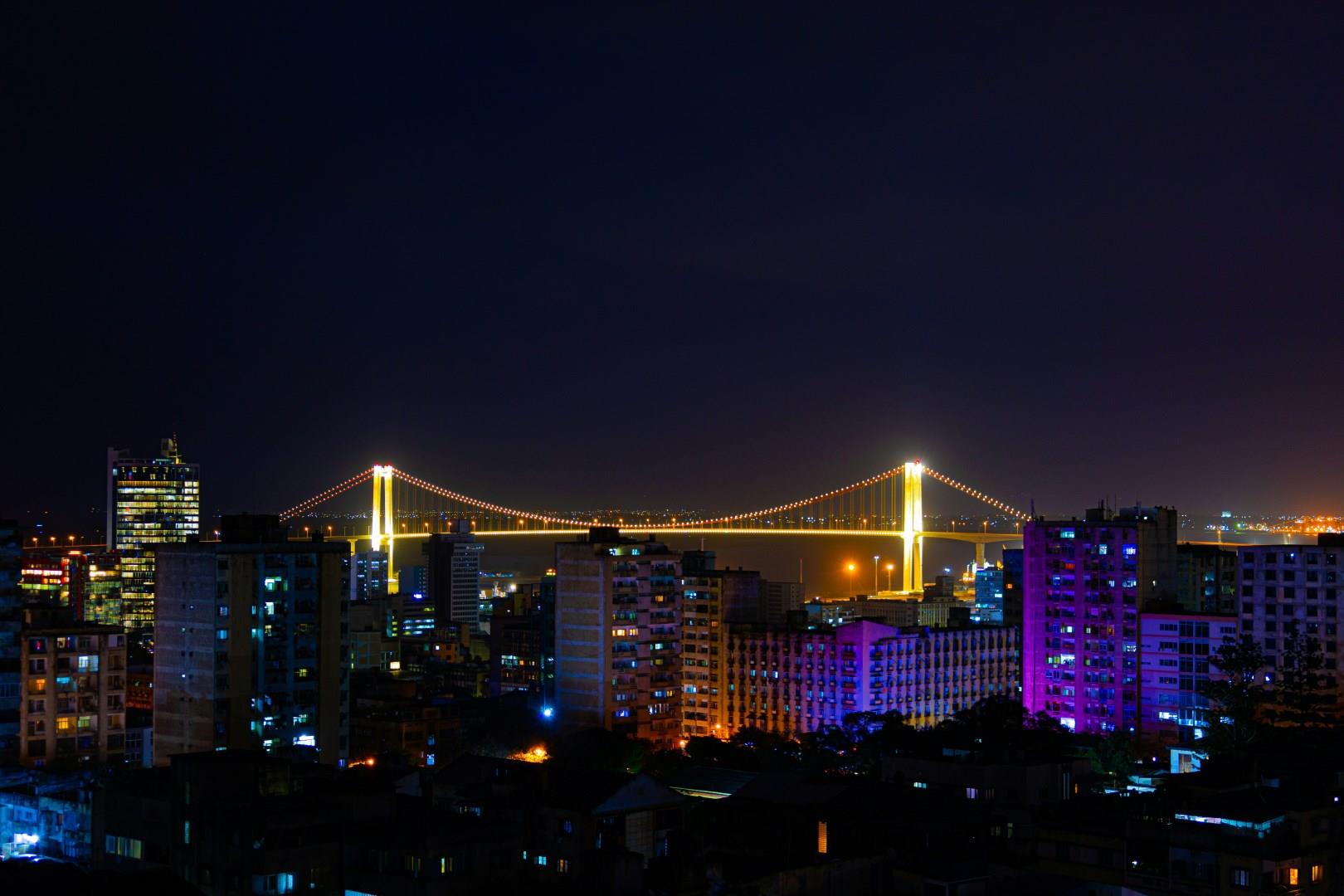
Maputo, Mozambique’s capital, grew from a modest colonial port into a city shaped by trade, migration, and independence.