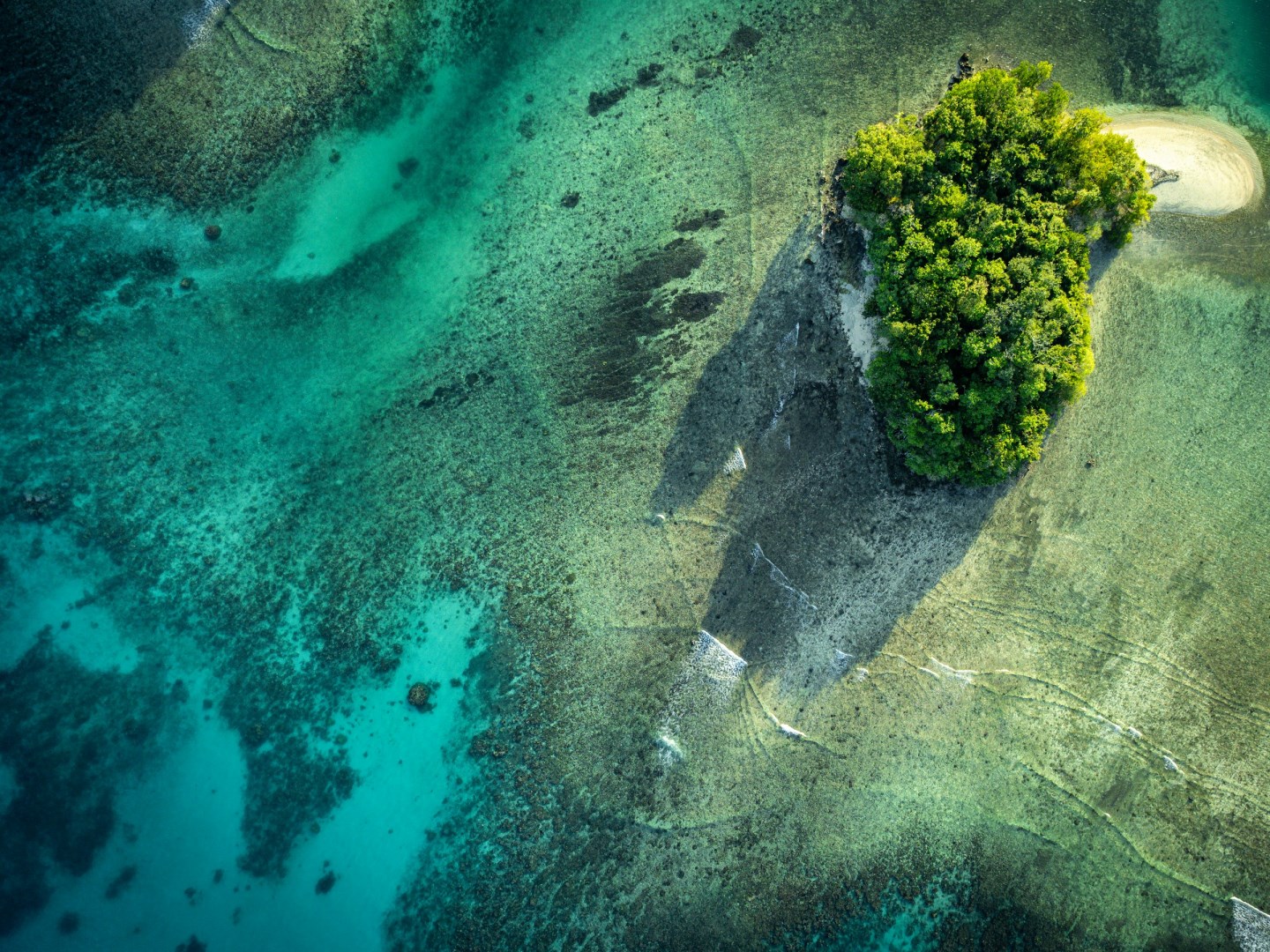
Espiritu Santo Island
Espiritu Santo, one of the largest islands of Vanuatu off the east coast of Australia, is a popular destination for divers. Famous Champagne Beach, as one might guess from the name, offers crystal clear waters and powdery white sands, while the western side of the island is dotted with caves to explore and reefs team with marine life just offshore.

Namib Desert
The Namib Desert, one of the world’s oldest deserts, stretches along the western coast of Namibia, offering a landscape of stunning, otherworldly beauty. The name “Namib” means "vast place," and fittingly so, as this desert spans over 2,000 kilometers and includes some of the tallest sand dunes on Earth, such as those found in Sossusvlei.
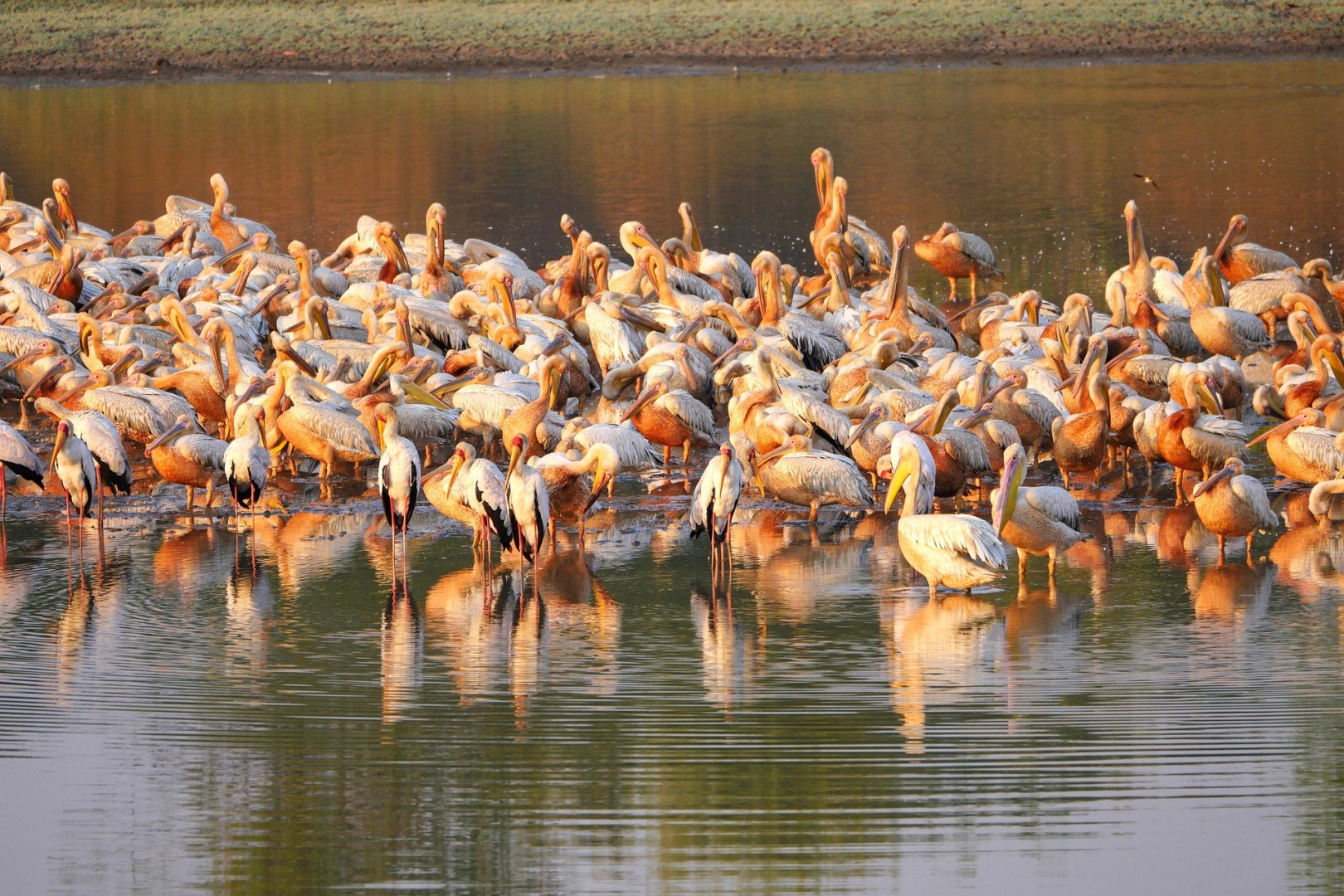
Lower Zambezi National Park
Lower Zambezi National Park is a protected area in eastern Zambia, lying along the northern bank of the Zambezi River opposite Zimbabwe’s Mana Pools. The park covers a broad area of woodland, open grassland, riverine forest, lagoons, and seasonal floodplains. The Zambezi is central to the landscape, providing water for wildlife and shaping habitats along the park’s southern boundary.

Český Krumlov
Český Krumlov, a picturesque city in the Czech Republic, is a treasure trove of medieval charm and architectural splendor. Nestled in the South Bohemian Region, this UNESCO World Heritage Site is renowned for its stunning Český Krumlov Castle, which towers over the city and offers panoramic views of the winding Vltava River and the old town's red-tiled rooftops.
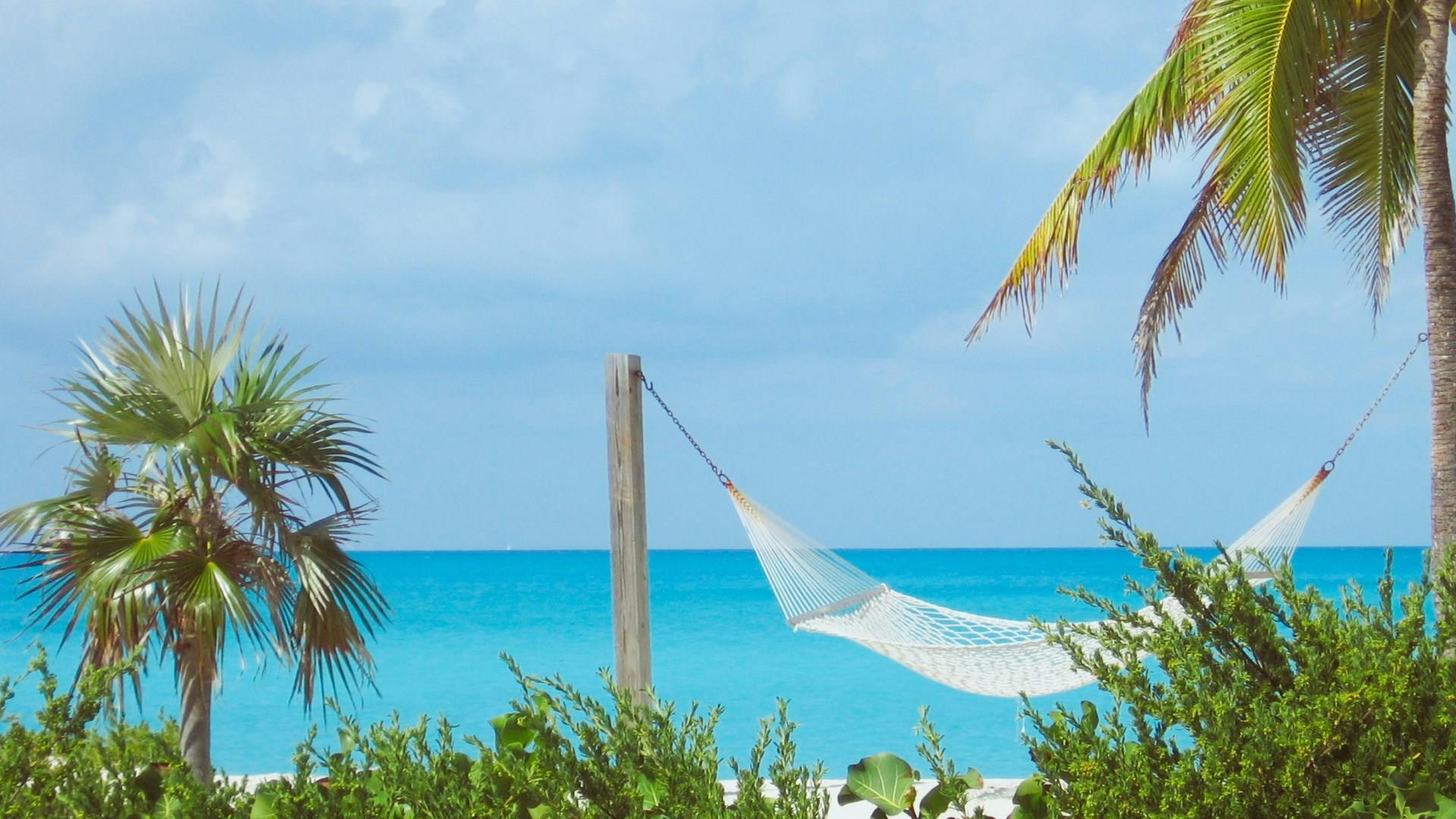
Cat Island
Cat Island, one of the more unspoiled Out Islands of The Bahamas, is a destination that feels worlds away from the busier resort hubs. Stretching about 50 miles long, the island is lined with pink-sand beaches, rolling green hills, and quiet fishing villages where time seems to stand still.