A moving sight...literally. Hubbard Glacier's recent nickname "the galloping glacier" refers to its rapid movement through Disenchantment Bay in the direction of the Gulf of Alaska. This tidewater glacier is a natural wonder over 6 miles wide! Those on ships are usually able to get within about a half mile of Hubbard Glacier's face.
Amsterdam, the 17th century capital of Holland, is often called the "Venice of the North" due to its numerous, boat-navigable canals. Truly rich in history, the oldest part of this populous, multicultural city is Sloten, which dates all the way back to the 9th century.
Douala is Cameroon’s largest city and its economic powerhouse, but beyond the busy ports and bustling streets lies a city full of creativity, flavor, and unexpected charm. Located on the Atlantic coast, Douala has long served as a crossroads of cultures. The city's waterfront, especially along the Wouri River, is a great place to watch the movement of boats, local fishermen, and floating markets while soaking in the tropical coastal air.
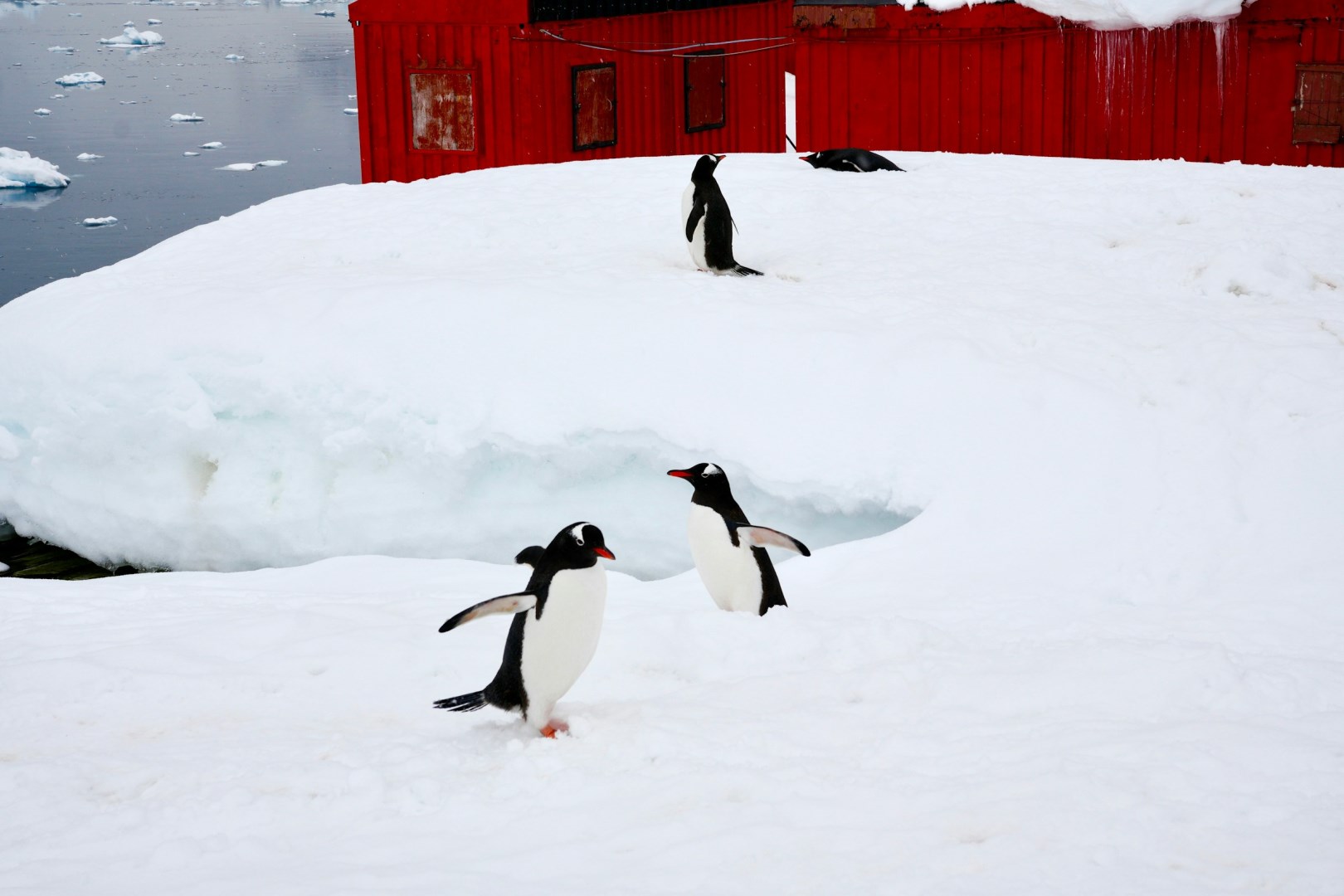
Antarctica’s Deception Island offers a dramatic landscape shaped by volcanic forces in one of the most remote corners of the world. Located in the South Shetland Islands, it is the caldera of an active volcano, its flooded interior forming a natural harbor known as Port Foster. This rare combination of volcanic activity and polar environment makes Deception Island a place where ice and fire meet.
Latvia invites visitors to explore a land where medieval streets meet vast forests and a lively coastline. Riga, the country’s capital, is home to one of the largest and best-preserved collections of Art Nouveau architecture in Europe. Walking through the Old Town, visitors can admire intricate facades and cobblestone streets that lead to landmarks like the House of Blackheads and St. Peter’s Church, whose tower offers panoramic views of the city.
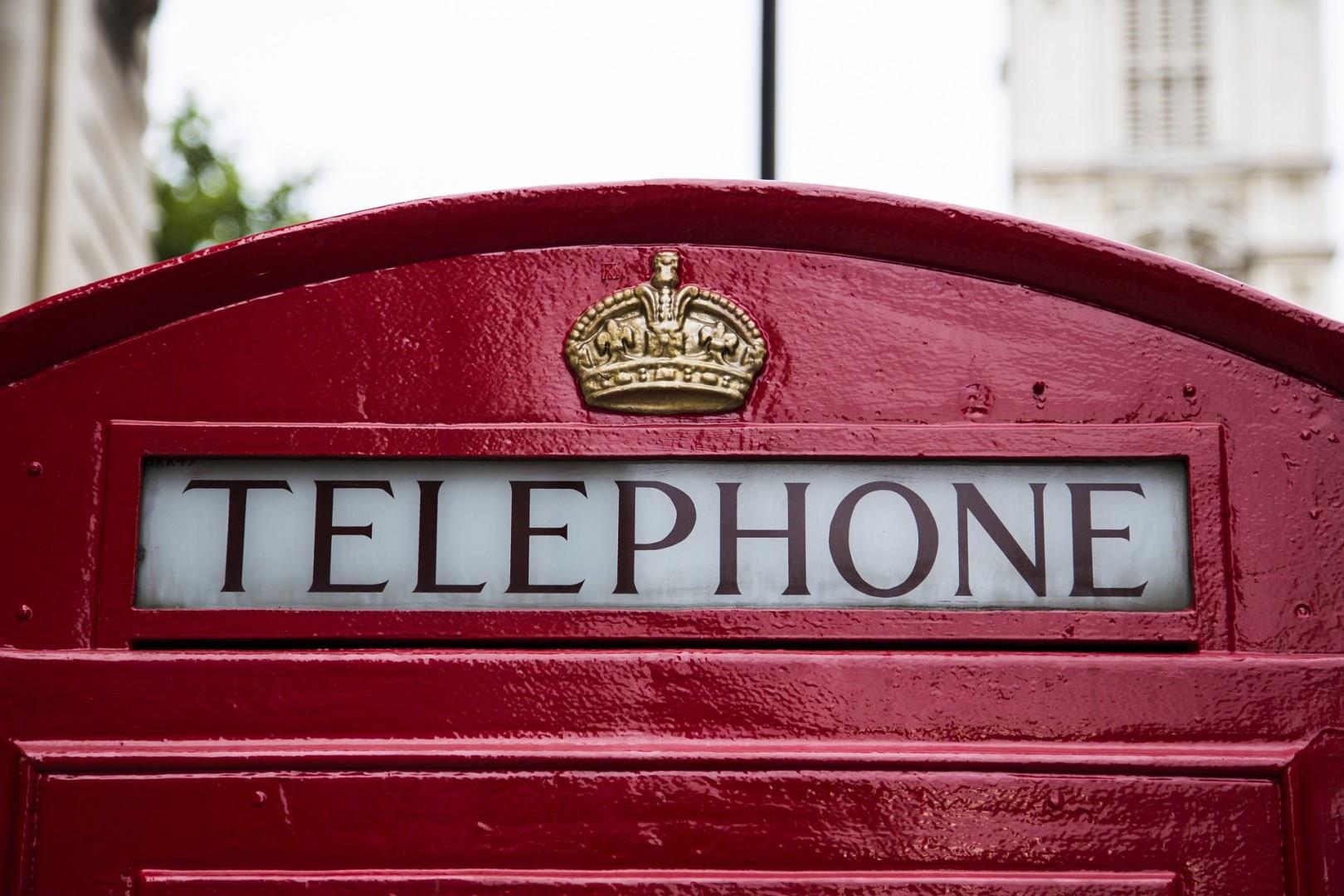
Photo Credit: Photo by Sébastien Jermer on Unsplash
Photo Credit: Photo by User:Bananaflo on Wikimedia
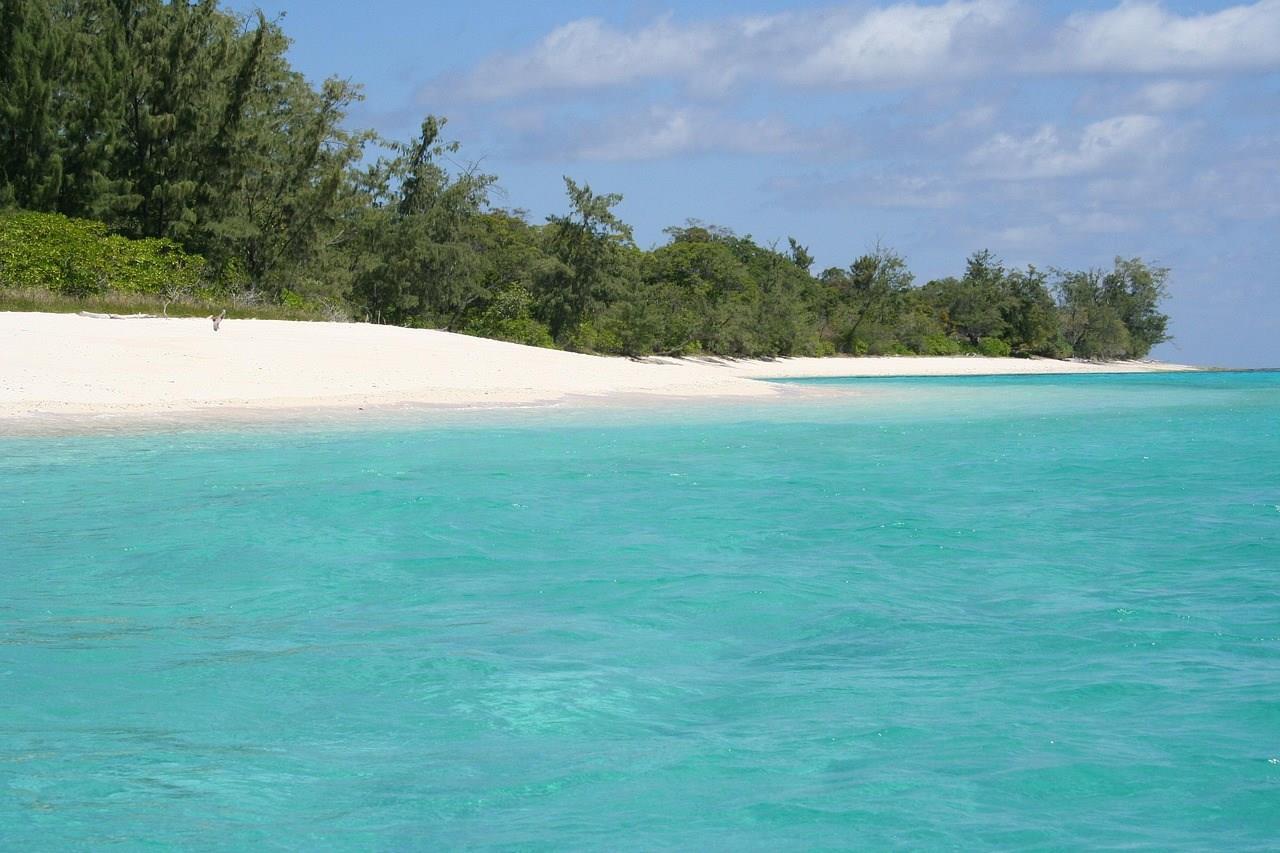
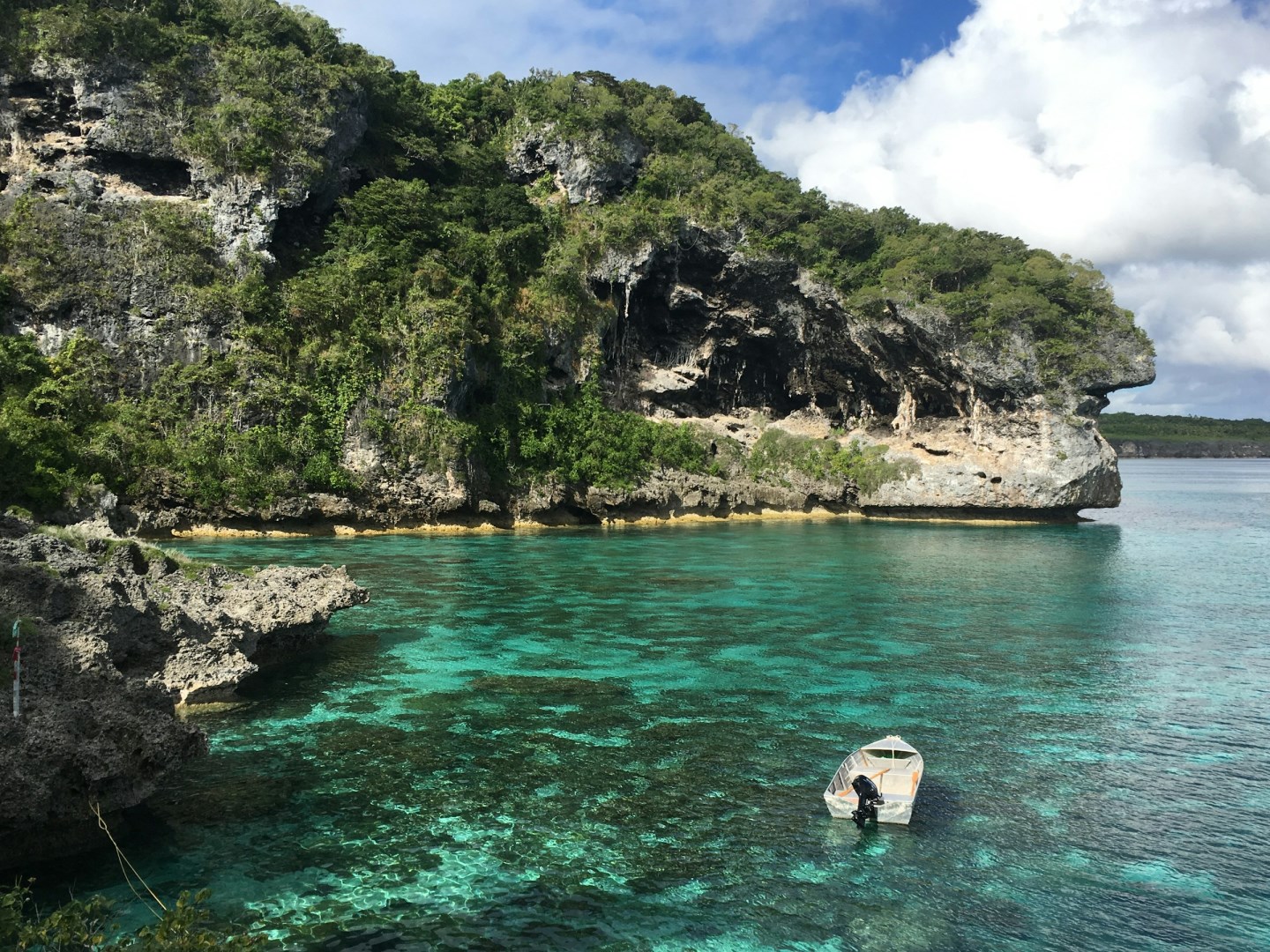
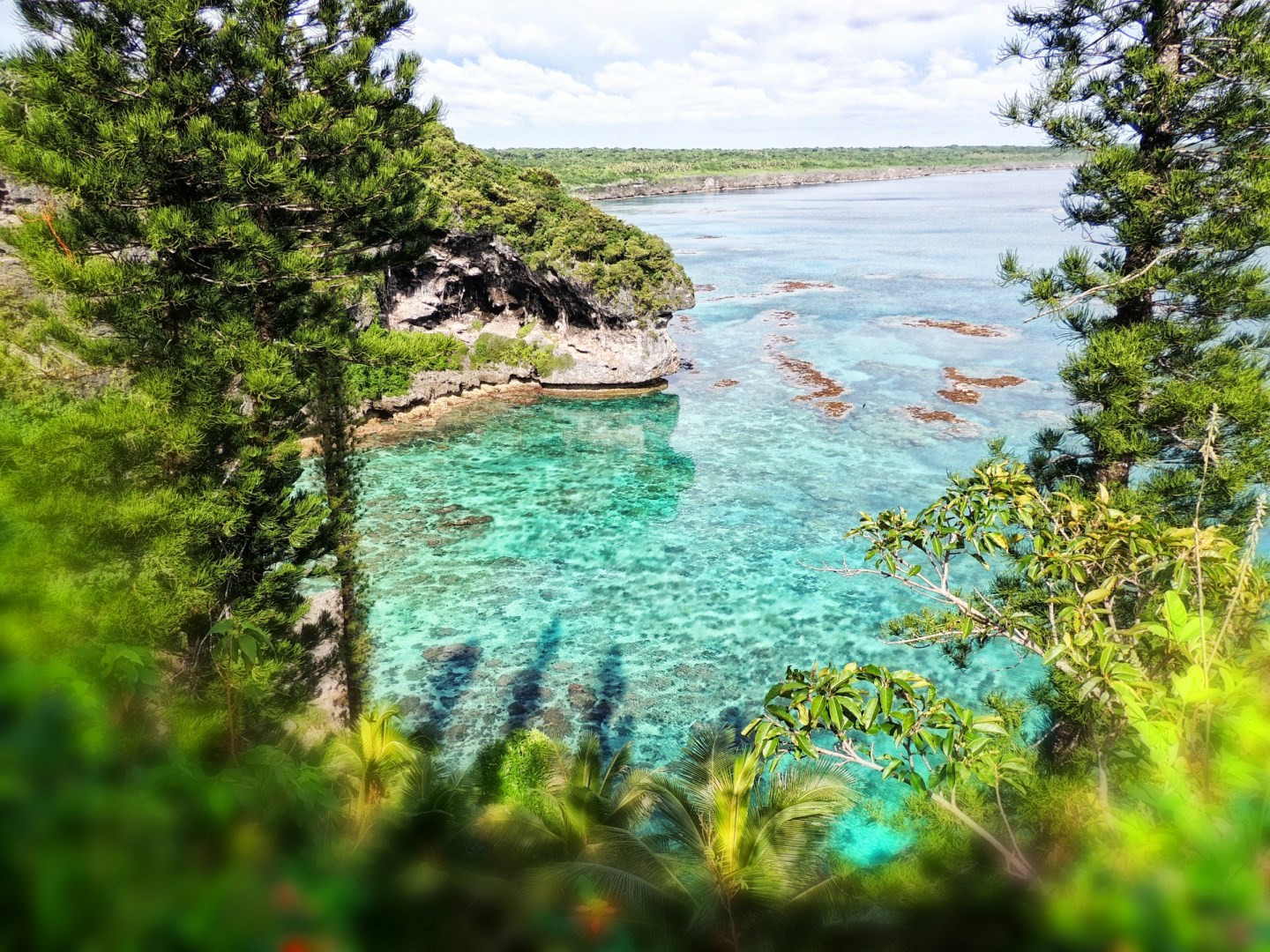
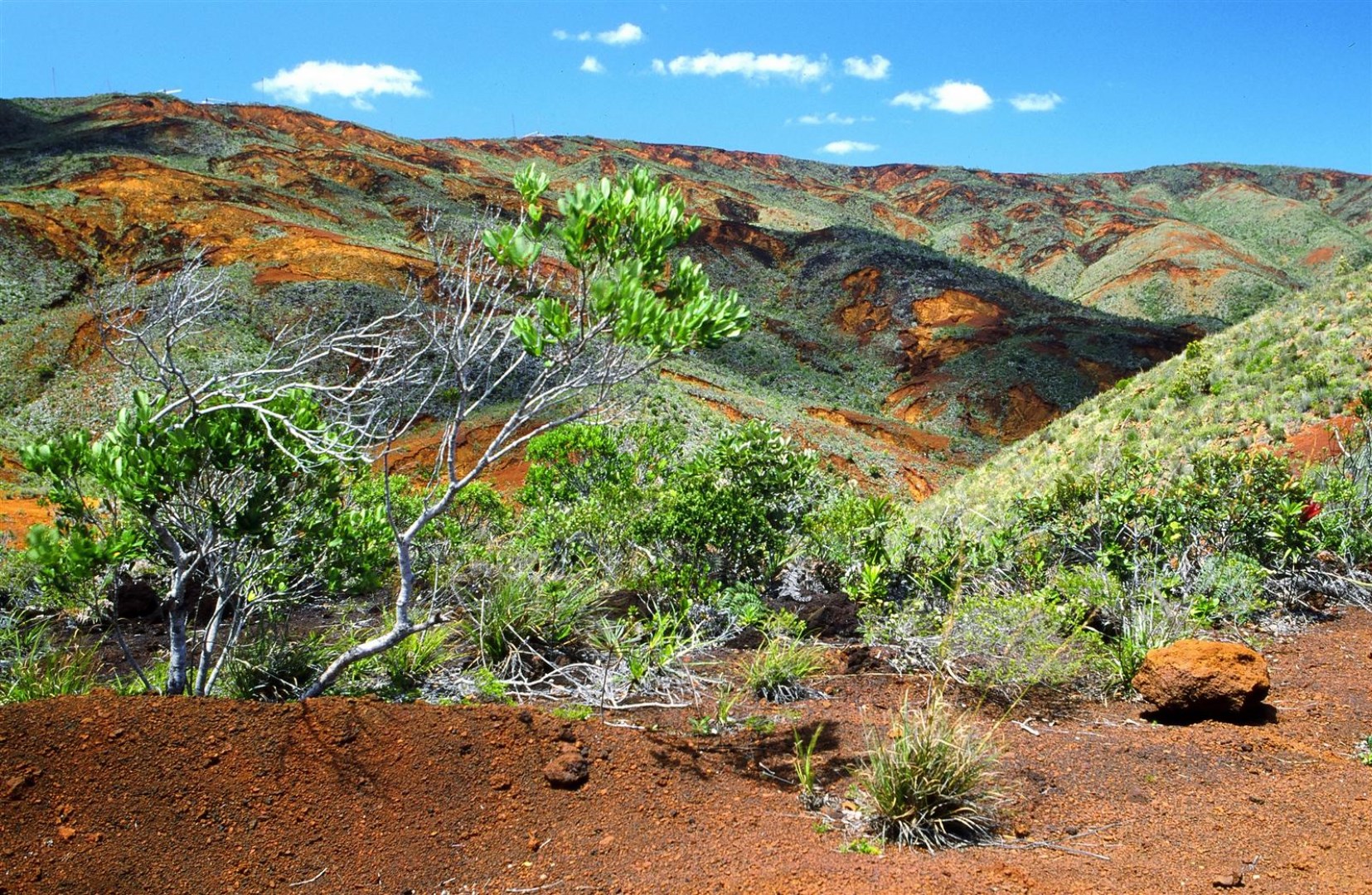
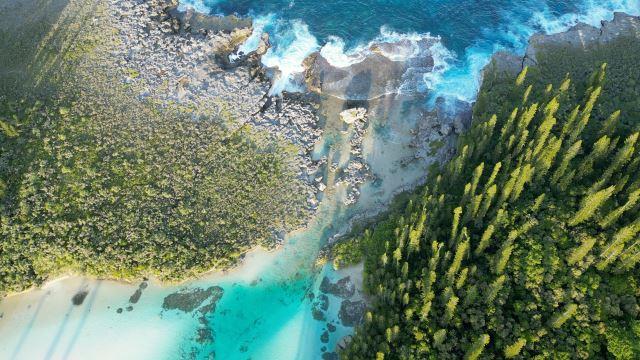
New Caledonia is an archipelago located in the south western part of the Pacific Ocean, and belongs to what is known as Melanesia. The mainland known as the "Grande Terre" is the principal island of New Caledonia and covers an area of 400 kms north to south and 50 kms west to east, with a total surface of 19 000 square meters. It is the third largest island in the South Pacific after New Guinea and New Zealand.
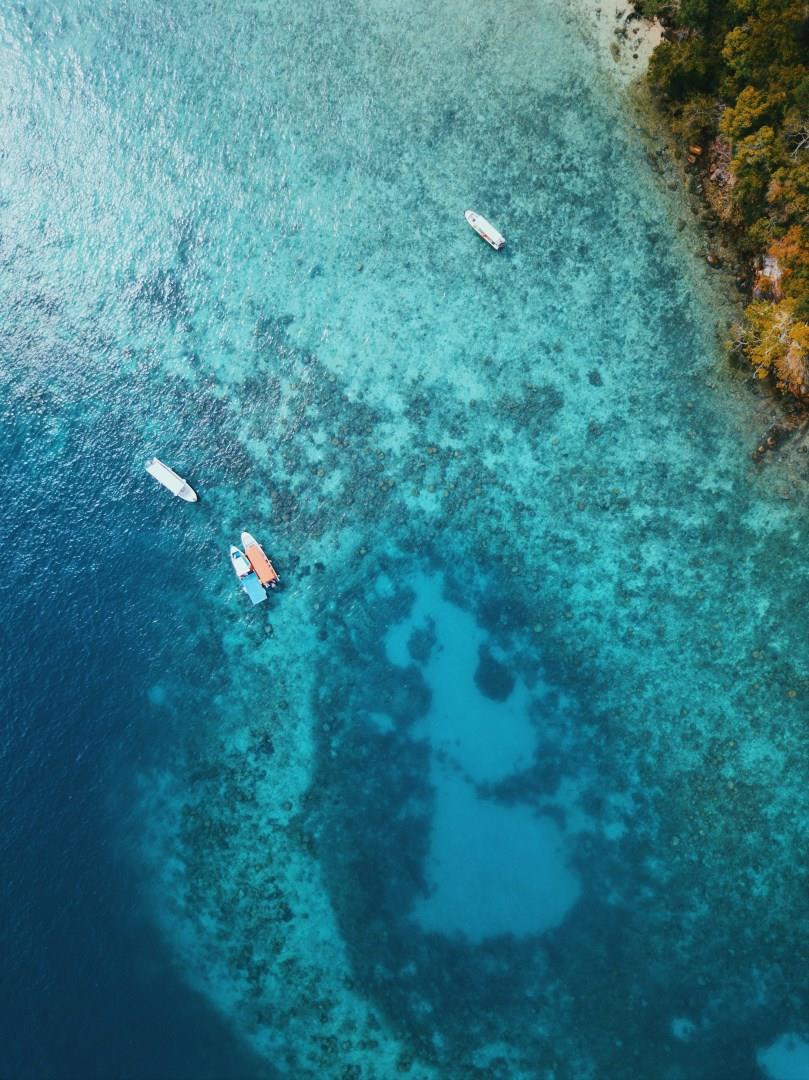
Nicknamed the Eternal Spring Island or the Island closest to Paradise, New Caledonia is above all remarkable because of its lagoon. With the second largest coral barrier reef in the world after the one on the Australian continent, the Caledonian lagoon contains a varied fauna composed of multicolored fish, of corals of incredible shapes, a real paradise for deep-sea hunters, film directors, deep-sea divers and anglers or trawlers.