Dinosaur Provincial Park
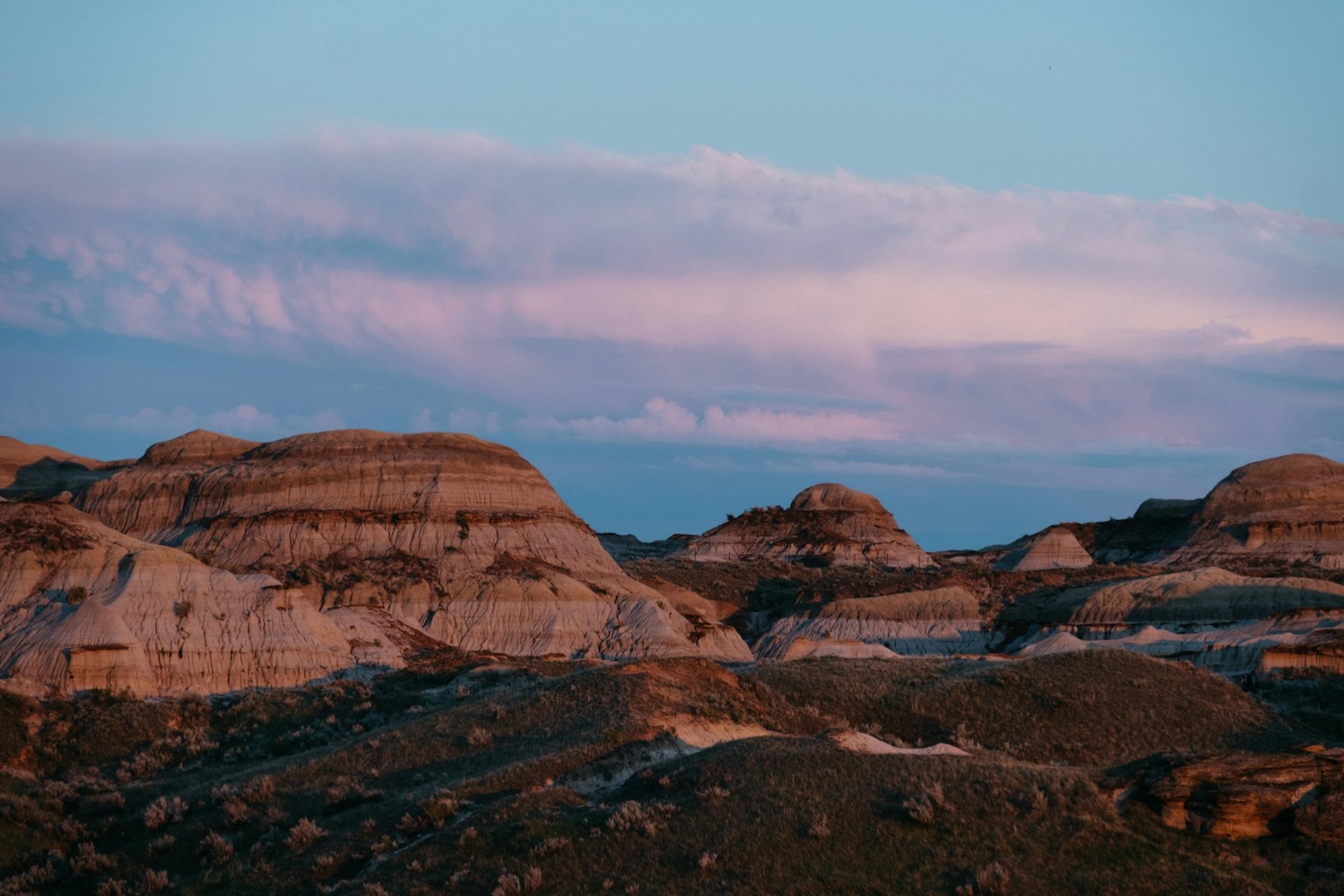
Dinosaur Provincial Park lies in the badlands of southeastern Alberta, along the Red Deer River. The park is recognized as a UNESCO World Heritage Site for both its geological landscape and its exceptional fossil record. Its dry valleys, eroded cliffs, hoodoos, and exposed rock layers reveal sediments from the Late Cretaceous period, when the region supported a very different ecosystem.

Saint John
Saint John is a historic port city on the Bay of Fundy in southern New Brunswick, built around a rugged harbour where the Saint John River meets the sea. Its waterfront, steep streets, and compact historic districts reflect a long connection with shipping, shipbuilding, fishing, and trade.
Tjoritja / West MacDonnell National Park
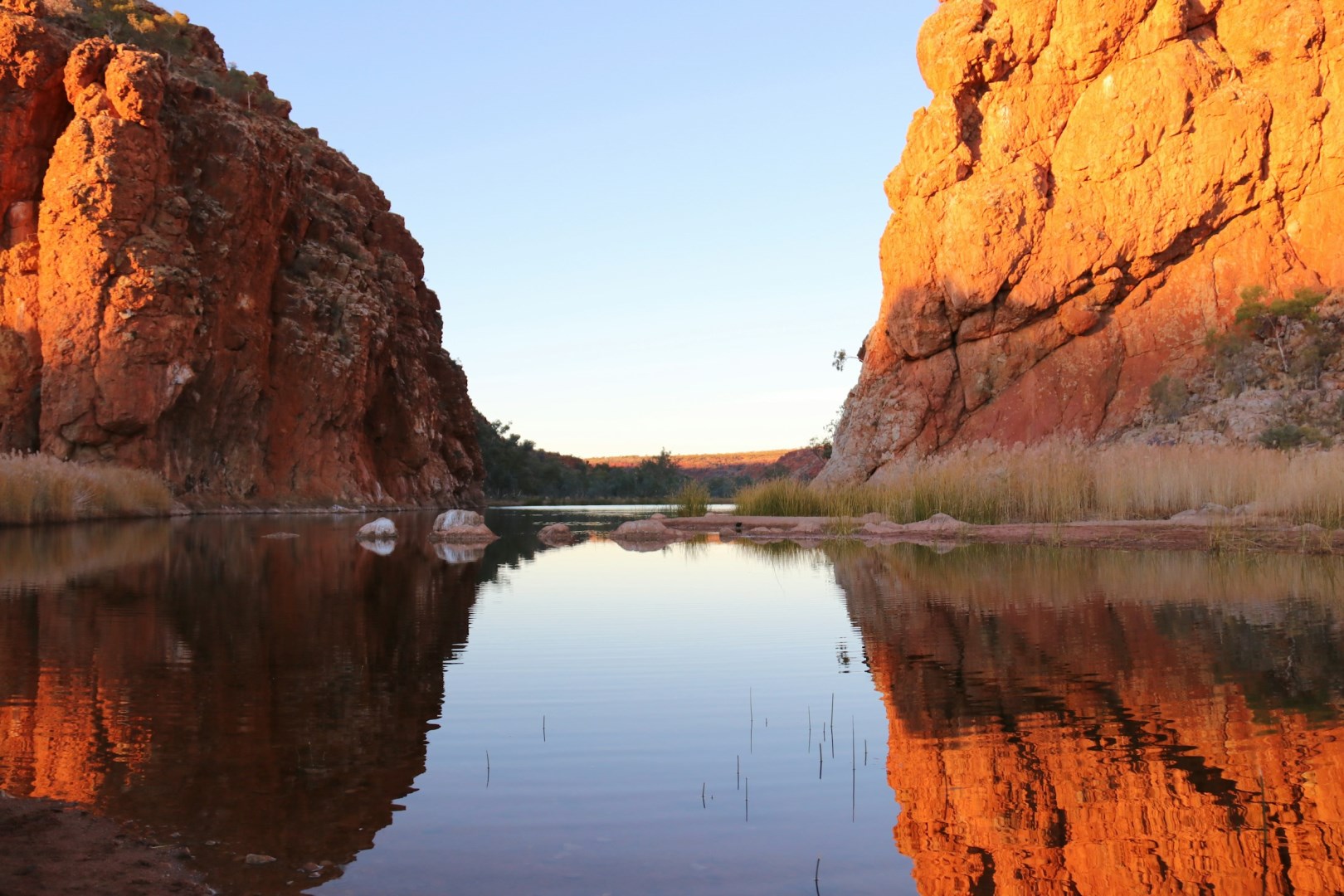
Tjoritja / West MacDonnell National Park lies west of Alice Springs in the Northern Territory, extending for about 161 kilometres along the rugged West MacDonnell Ranges. The park is known for red quartzite ridges, steep-sided gorges, dry riverbeds, and permanent waterholes that provide important refuges for plants and animals. Its landscapes are part of a much older geological setting shaped by erosion and changing climates.

Dakar
Dakar, the lively capital of Senegal, stands at the edge of the Atlantic Ocean on the Cape Verde Peninsula. As the westernmost city on the African mainland, it has long been a crossroads of cultures, trade, and ideas.
Willamette Valley
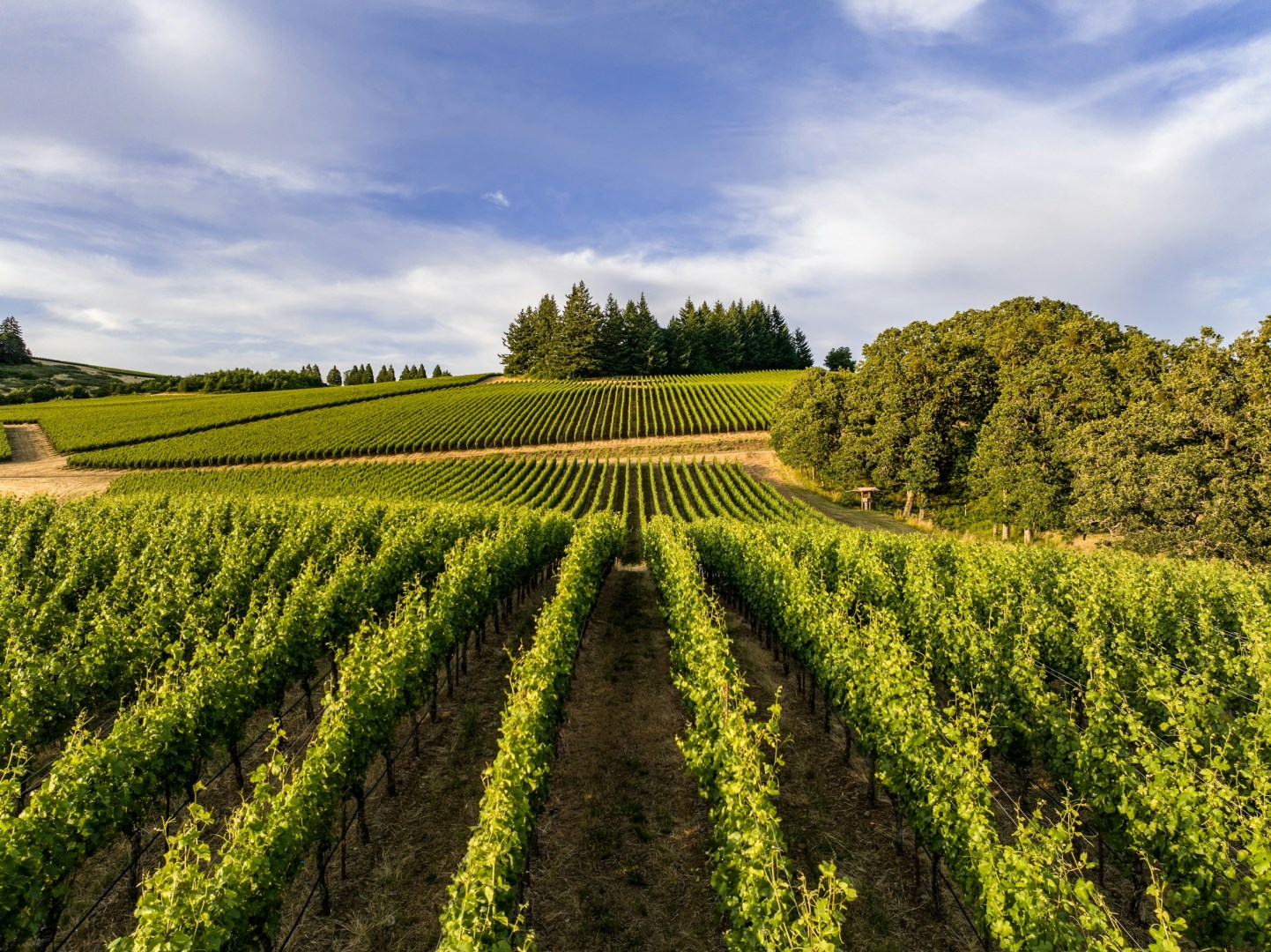
Willamette Valley is a broad agricultural valley in northwestern Oregon, stretching between the Cascade Range and the Coast Range. The Willamette River runs through its center, while fertile farmland, wooded foothills, vineyards, orchards, and small communities fill the surrounding landscape. Portland lies at the valley’s northern end, with Salem and Eugene among its principal cities.