Moshi
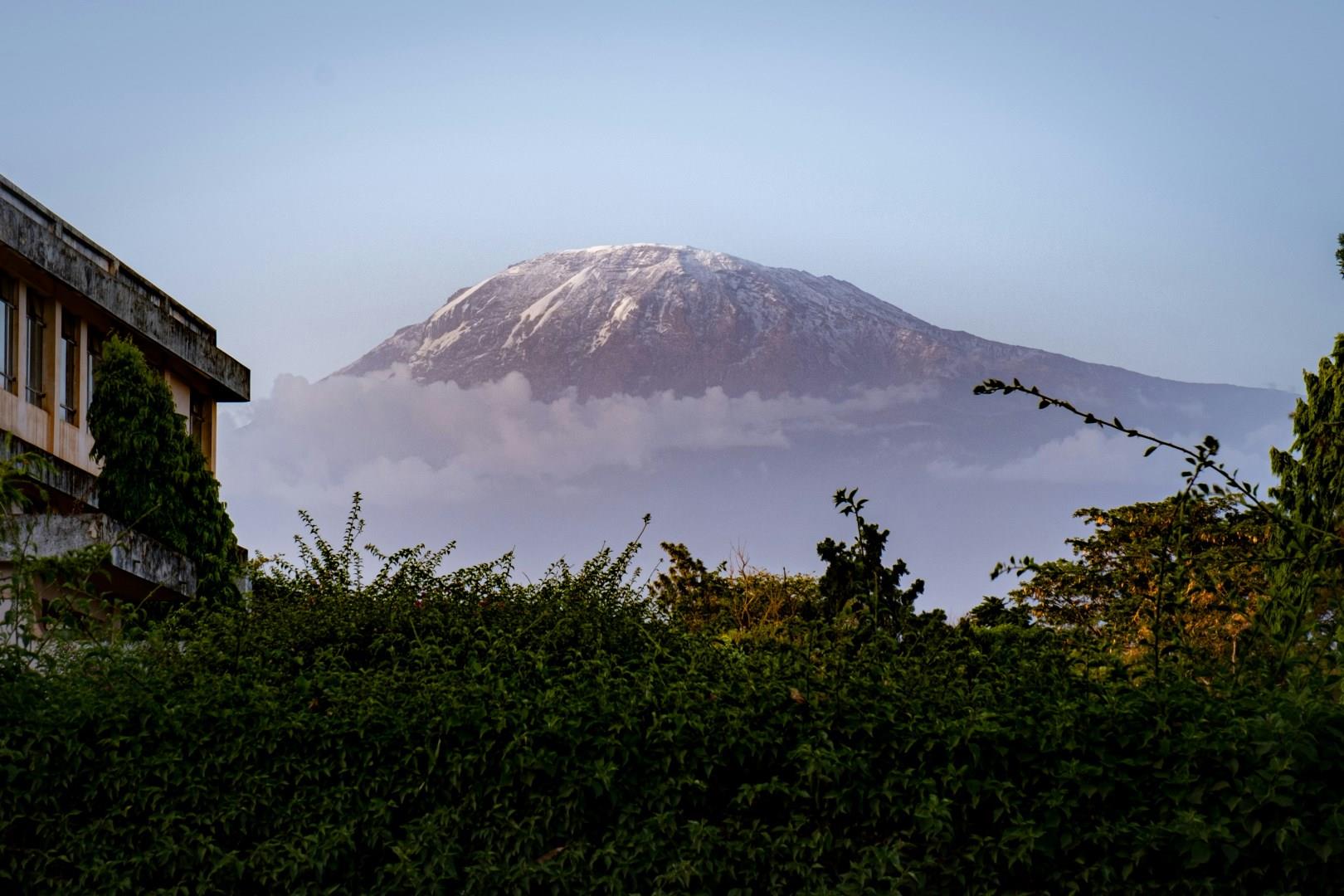
Moshi sits on the southern slopes of Mount Kilimanjaro in northern Tanzania, shaped by both Chagga culture and its role as a crossroads for trade and travel.
Taipei
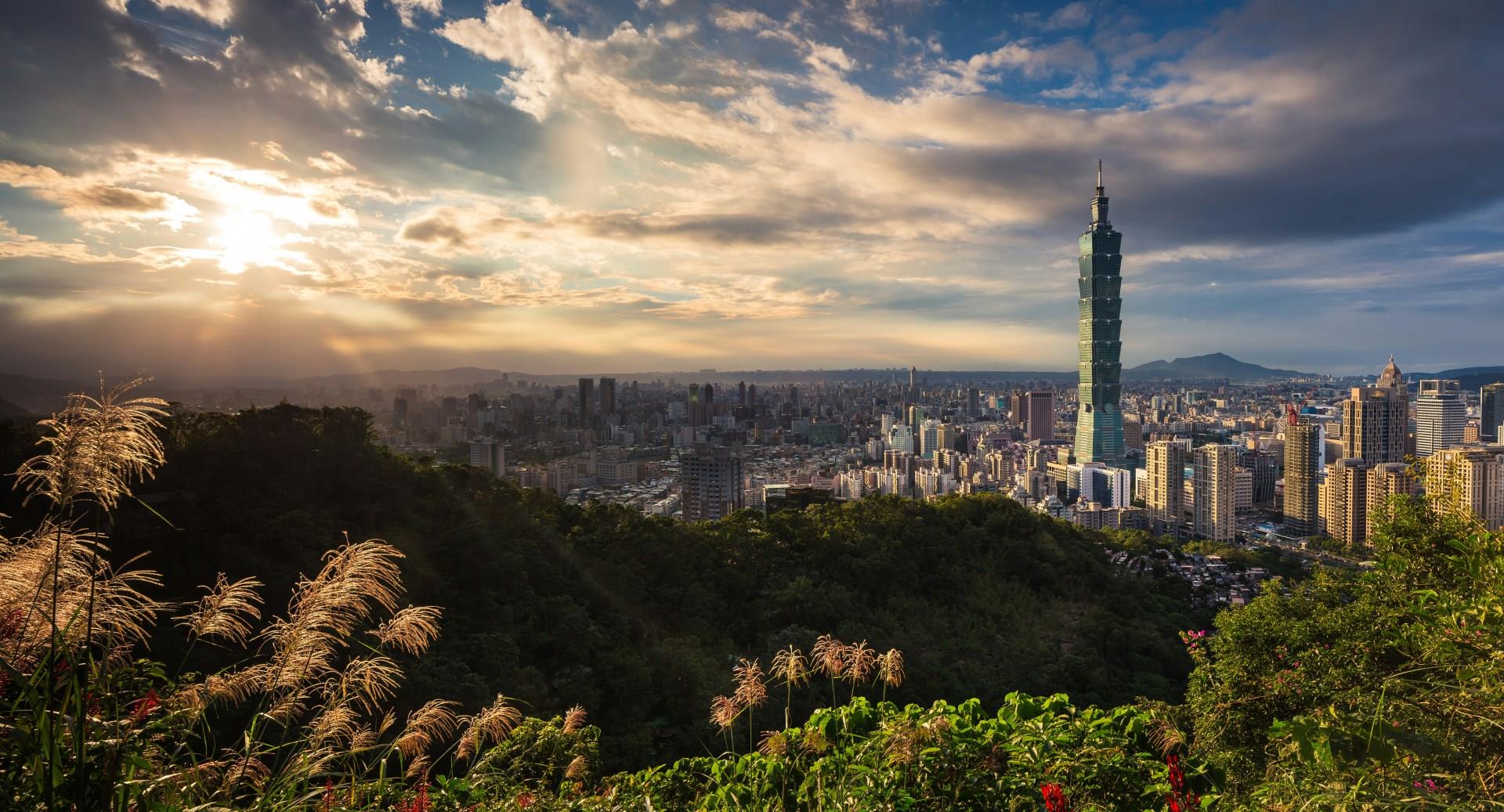
Taipei, the vibrant capital of Taiwan, is a city where tradition and modernity coexist. Visitors can explore historic temples such as Longshan Temple, discover cultural treasures at the National Palace Museum, and admire the cityscape from Taipei 101, one of the world’s tallest skyscrapers.
Guadalajara
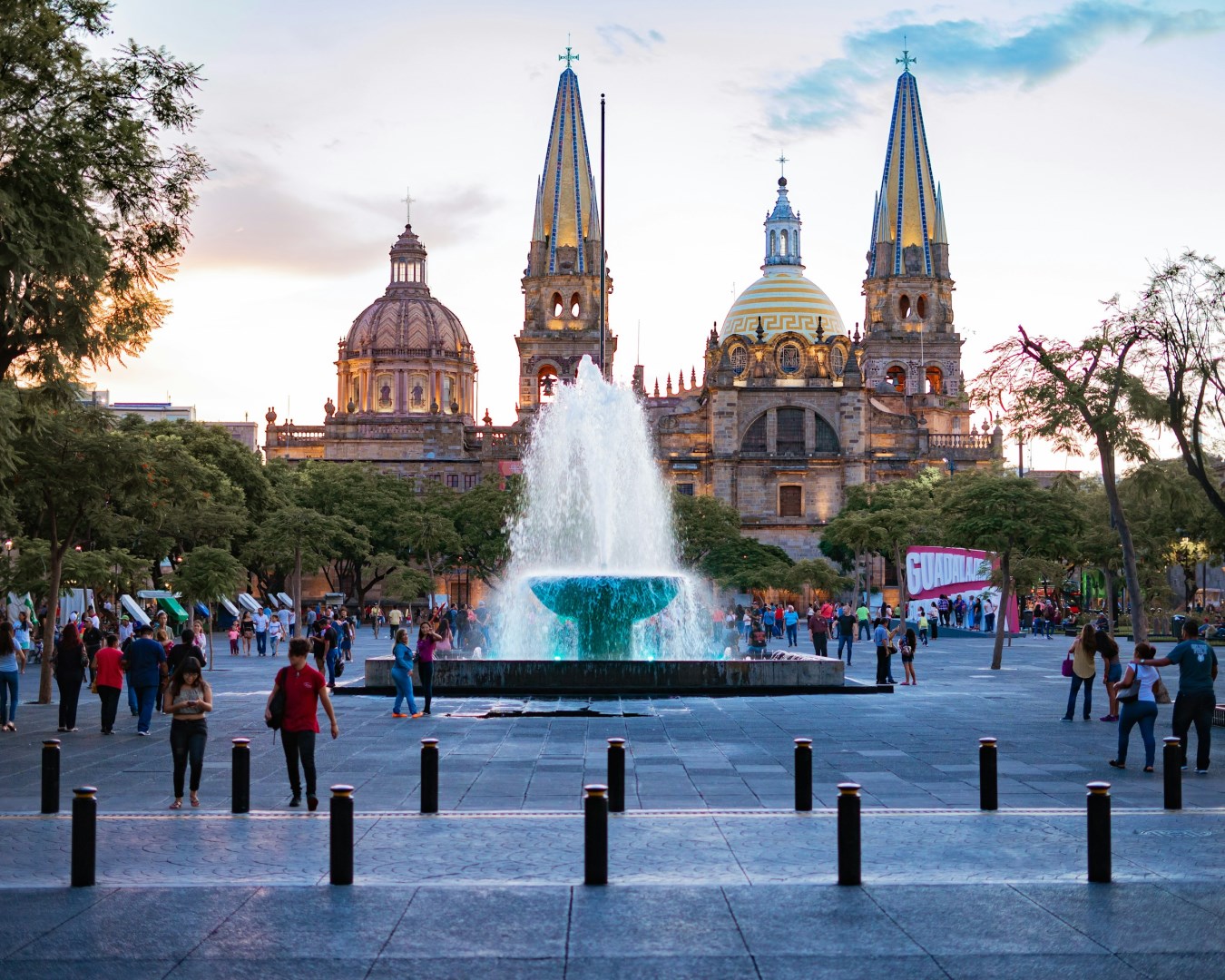
In the central highlands of Mexico lies a rich city, with a culture as colorful as its past. Guadalajara, Mexico's second largest city, may be best known for its tequila, mariachis and the hat dance, all part of its celebrations. The downtown area is dominated by a huge public square, the Plaza del la Liberacion. Guadalahara's most impressive historical sights are found along this square, as well as museums tracing Mexico's long history.
Khao Lak
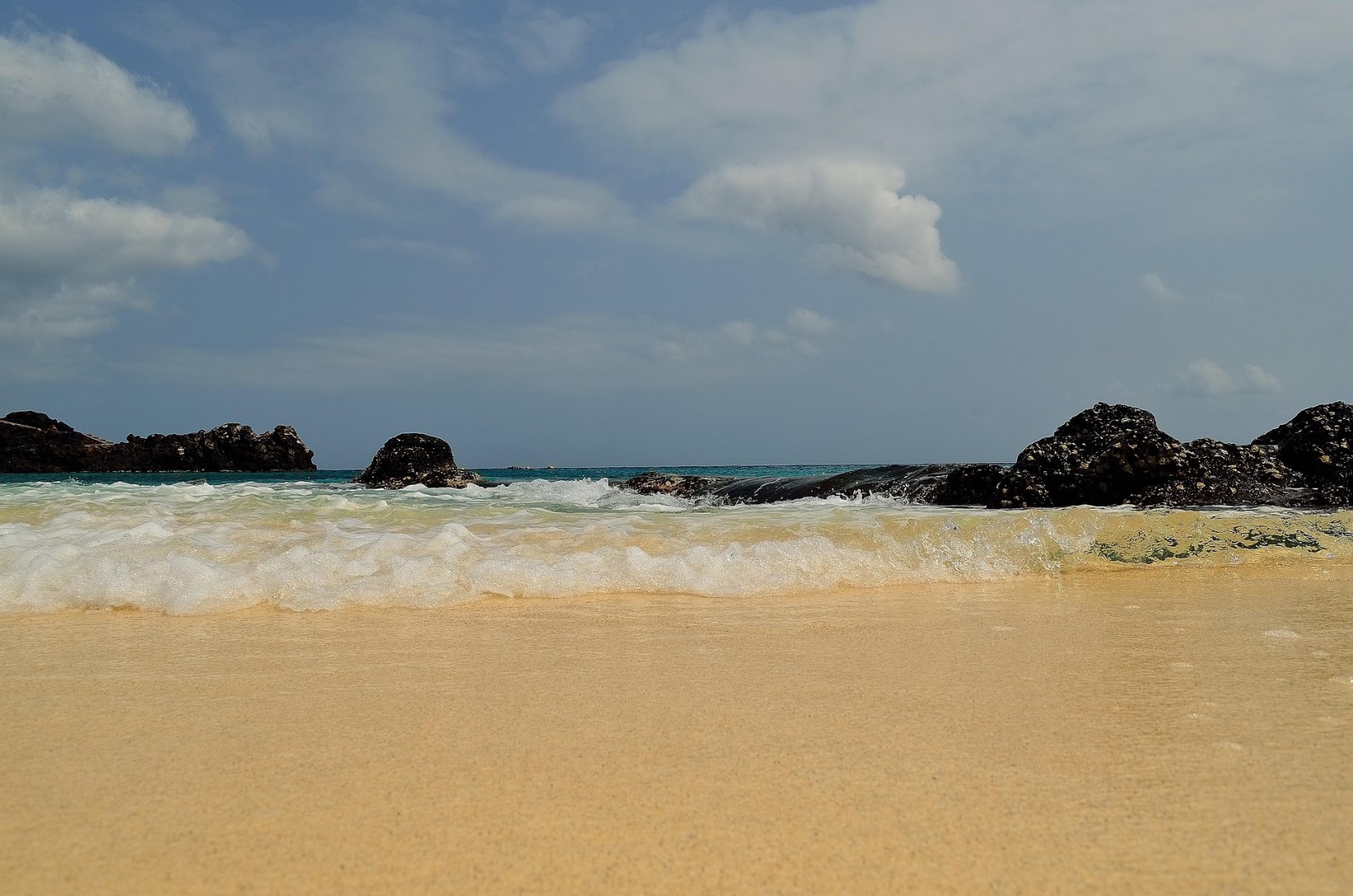
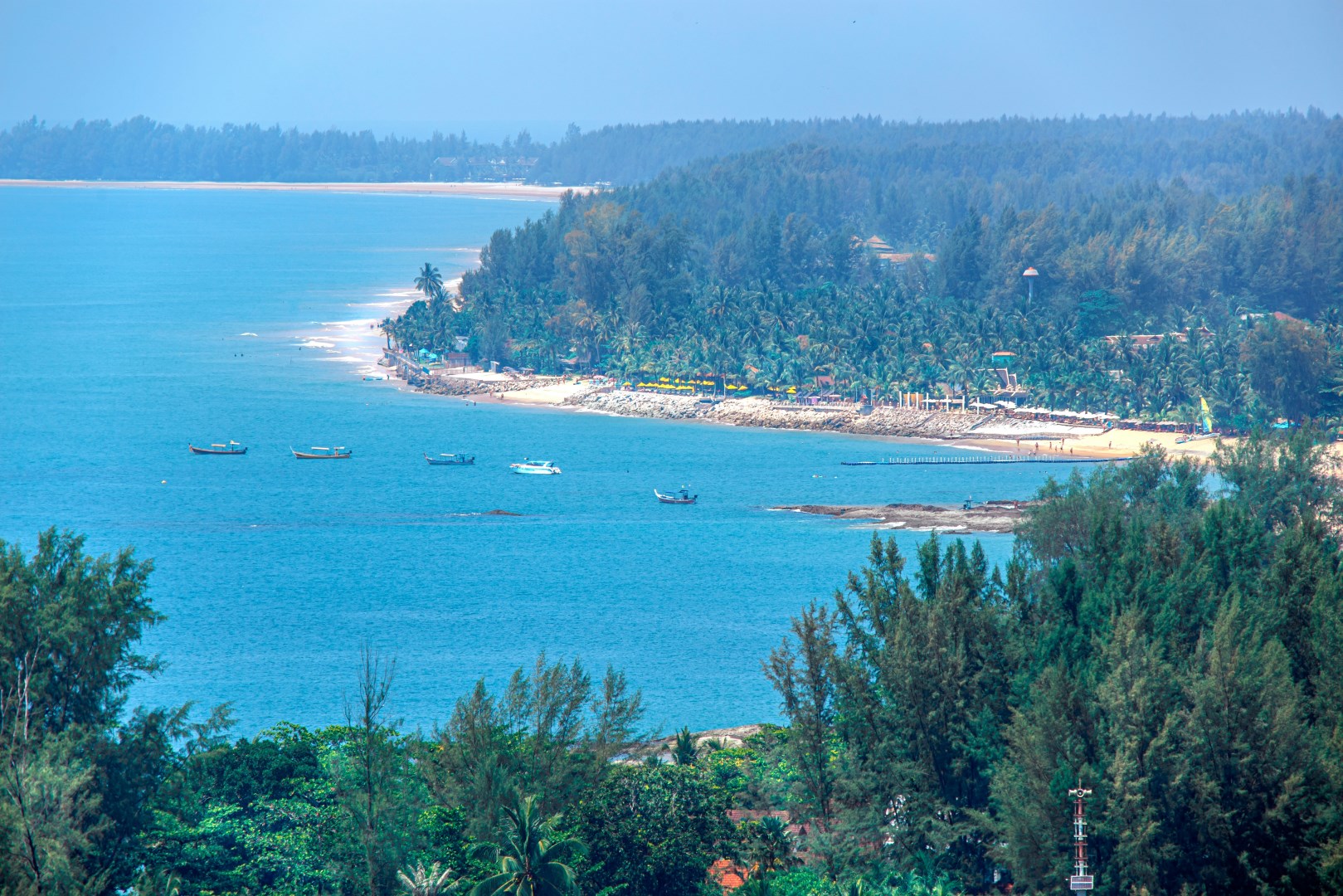
Khao Lak rests quietly along Thailand’s Andaman coastline, about an hour north of Phuket, yet it feels worlds apart. This stretch of shoreline runs for miles, with wide sandy beaches that often seem almost untouched. The name itself comes from the nearby mountain that rises behind the coast, giving the area a dramatic backdrop where forest meets sea.
India
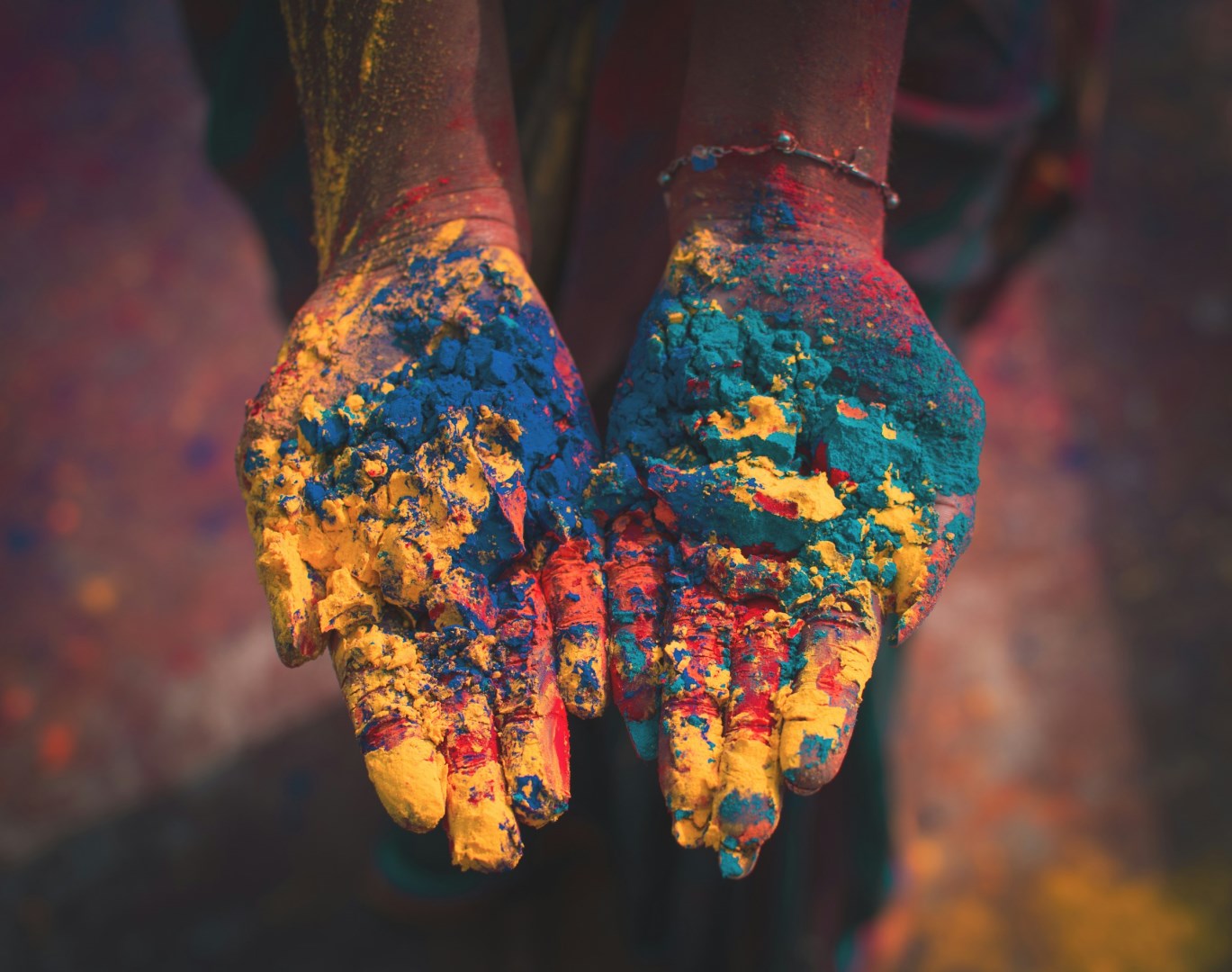
Considered a hub for the world’s information technology industry, India is a major player in the global economy, and its cosmopolitan cities, including Delhi and Mumbai, offer a mosaic of modern and historic architectural styles for locals and visitors alike to enjoy.