Ipswich
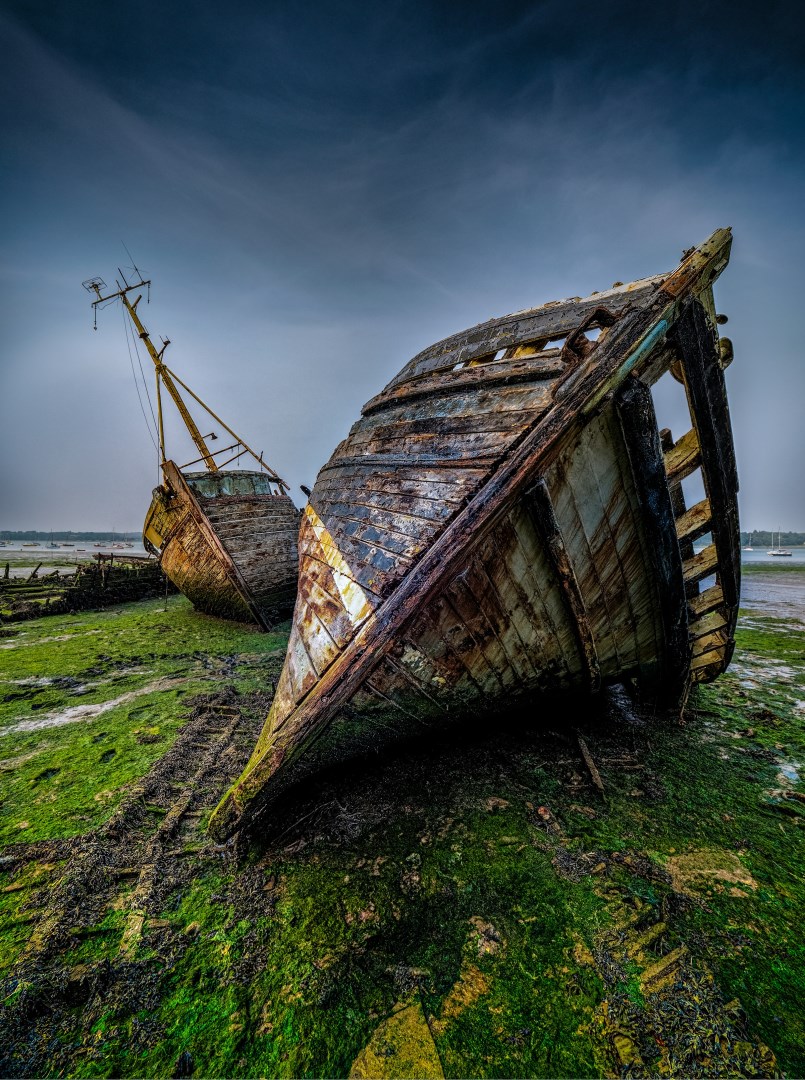
Ipswich is a historic town in Suffolk, eastern England, situated along the River Orwell a short distance from the North Sea. Its waterfront has been transformed from a commercial dock into an area of restaurants, galleries, marinas, and converted warehouses, while the town center retains medieval streets and historic buildings. Ipswich is surrounded by the agricultural landscape of Suffolk, with farmland extending beyond the urban area. Christchurch Park provides a large green space near the cen
Ballybunion
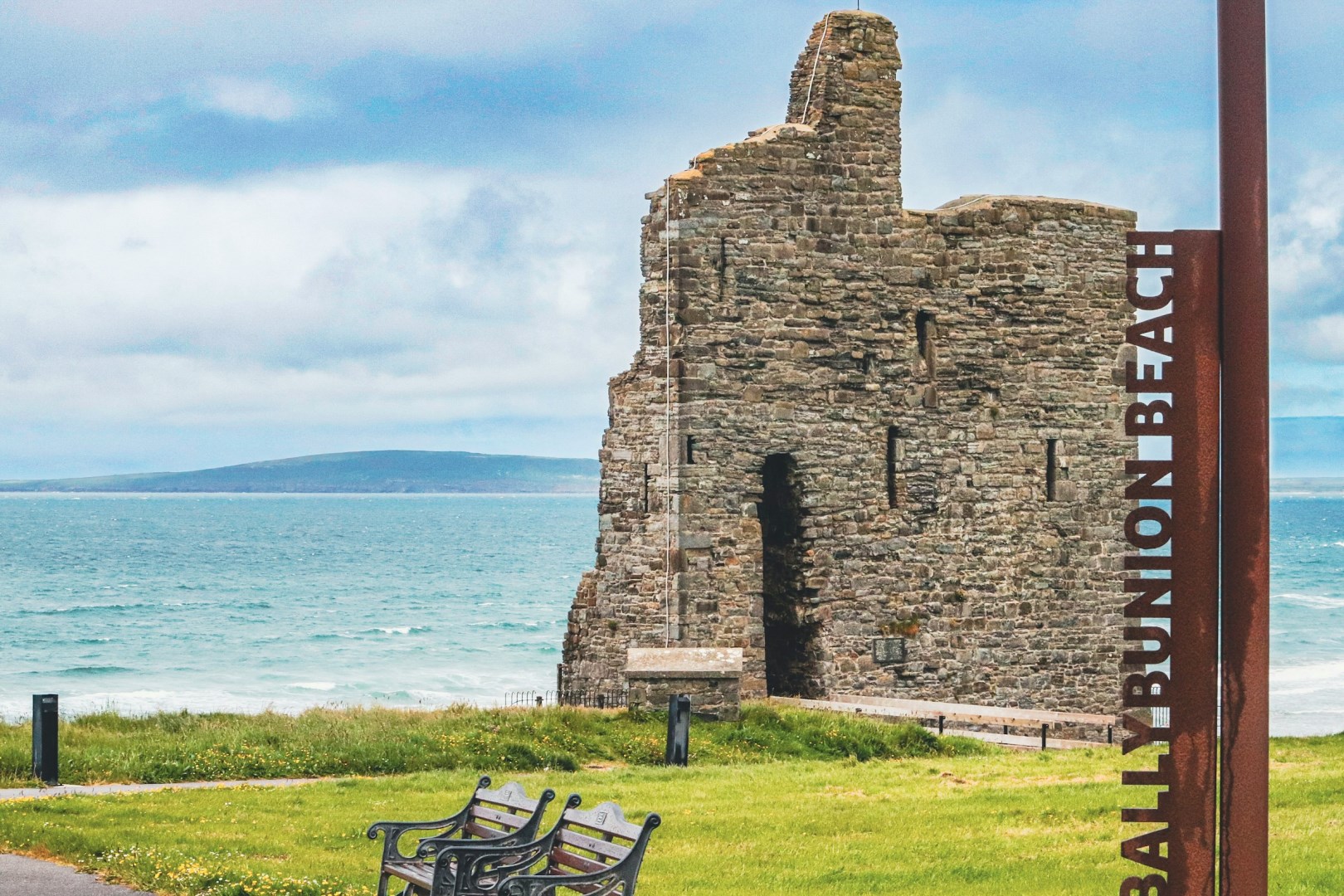
Ballybunion is a coastal town in County Kerry on Ireland’s southwest coast, overlooking the Atlantic Ocean. It is known for broad sandy beaches, high cliffs, sea caves, and a rocky shoreline shaped by the Atlantic. The town sits beside Ballybunion Beach, with the ruins of Ballybunion Castle standing on a headland above the coast.

Poland
Poland offers a layered and often surprising experience shaped by centuries of resilience and creativity. From the cobbled lanes of Kraków’s Old Town to the post-industrial art scenes in Łódź, the country moves comfortably between tradition and reinvention.

Tangier
Located on the north coast of Morocco near the Strait of Gibraltar, Tangier is a cultural capital replete with historic sites, colorful architecture, and splendid beaches. An essential stop is the Ancien Medina, a walled collection of winding streets and alleys filled with cafes and shops leading to the Kasbah, a former palace and mosque that also houses a museum.

Cyprus
In Cyprus, travelers are immersed in a culture that draws on Europe, the Middle East, and 9000 years of constant invasion. Crusader castles rub shoulders with ancient vineyards, frescoed monasteries overlook citrus orchards, and sandy, sun-soaked feet tread Roman mosaic floors.