Twizel
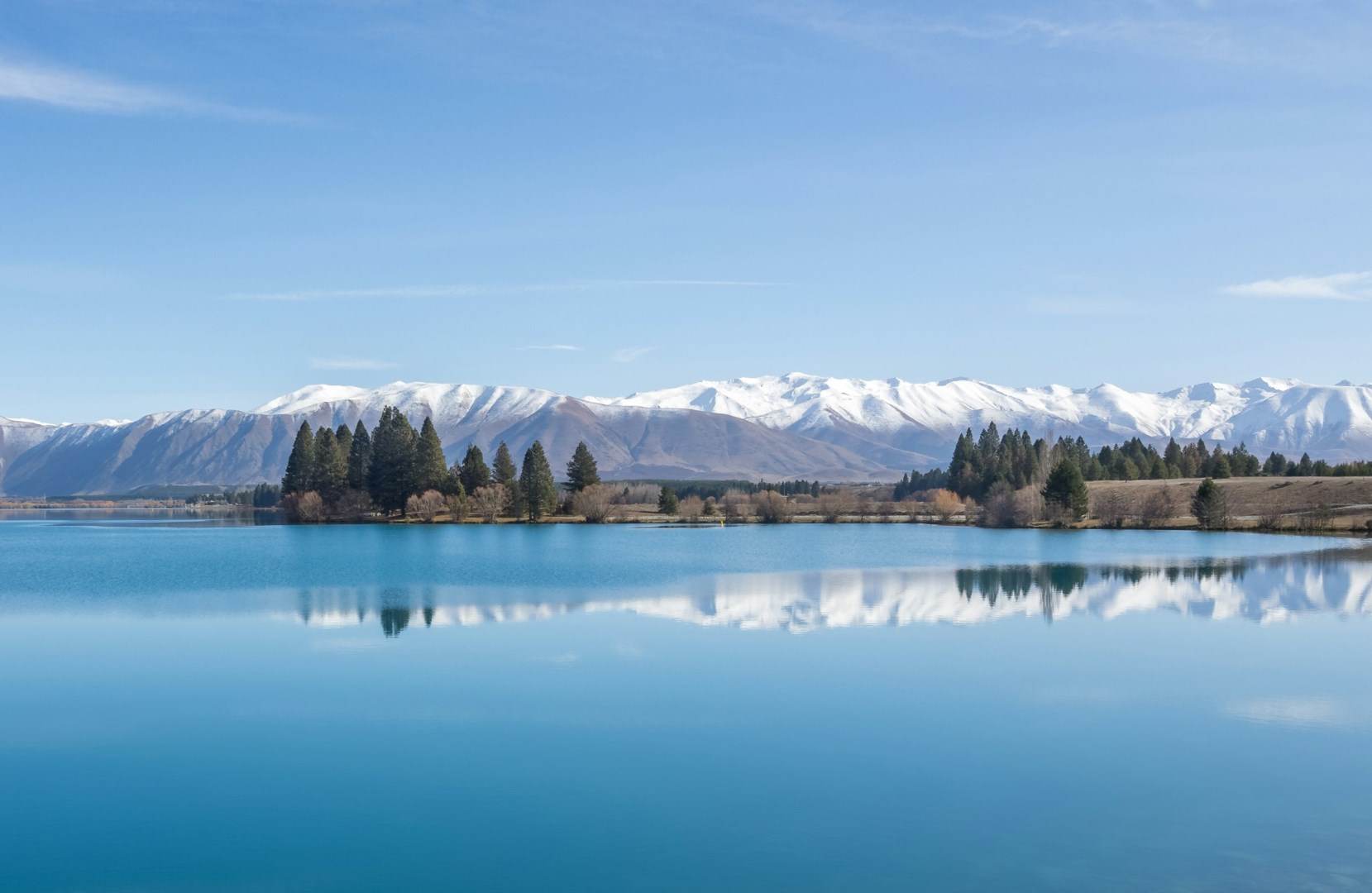
Twizel is a 40 minute drive from Mt. Cook Village. Nearby is Mount Cook National Park and Lake Ruataniwha.
Mývatn
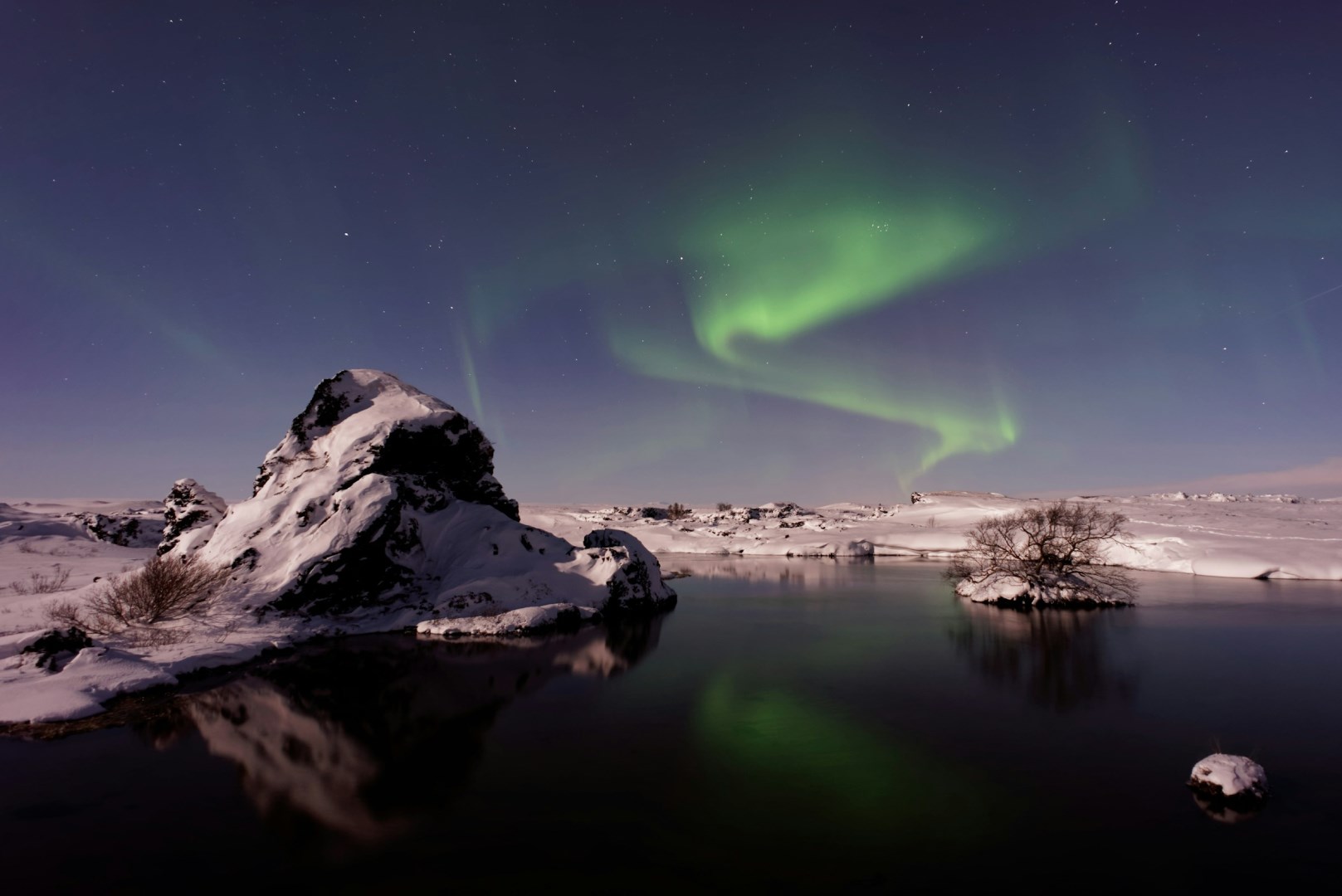
Mývatn is a lake and surrounding region in North Iceland, known for its shallow waters, numerous small islands, volcanic formations, and rich birdlife. The lake covers about 37 square kilometers and is part of an internationally important wetland together with the Laxá River. The surrounding landscape was shaped by volcanic activity, creating a mixture of lava fields, craters, geothermal areas, and wetlands within a relatively compact area.

Fiji
Fiji, a tropical haven in the heart of the South Pacific, is made up of over 330 islands, each with its own distinct character. The islands boast lush rainforests, soaring mountains, and white sandy beaches, offering a wide range of activities, from kayaking through calm lagoons and paddleboarding along scenic coastlines to zip-lining through lush rainforests and hiking across mountainous terrain.
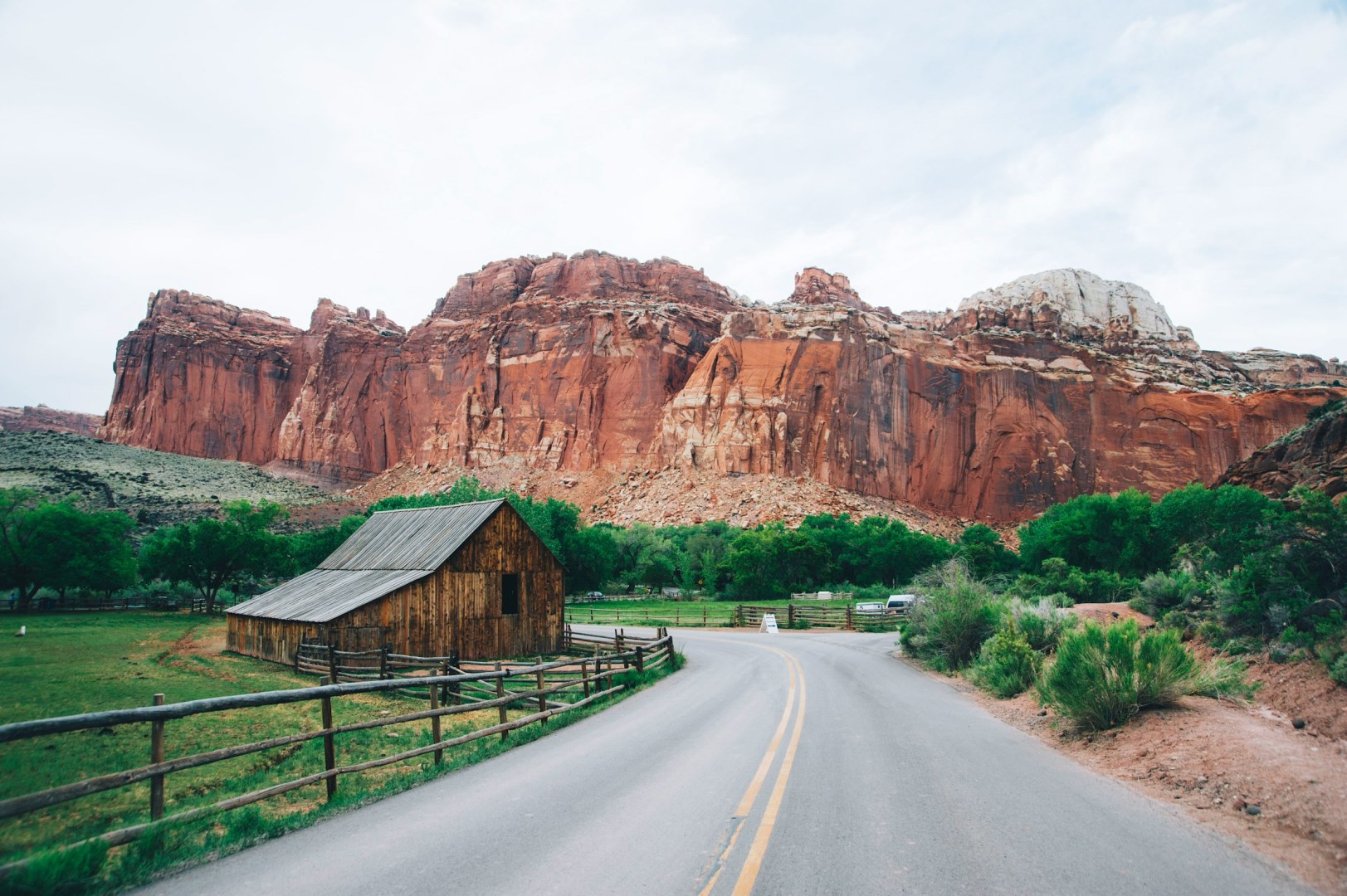
Capitol Reef National Park
Capitol Reef National Park occupies a long, rugged section of southern Utah where sandstone cliffs, domes, canyons, and high desert plateaus form a landscape centered on the Waterpocket Fold. This immense wrinkle in the earth’s crust creates a dramatic change in elevation and exposes layers of rock in shades of red, orange, white, and gray.

Luang Prabang
Luang Prabang, the jewel of northern Laos, captivates travelers with its blend of serene spirituality, French colonial charm, and breathtaking natural beauty. This UNESCO World Heritage Site is nestled between the Mekong and Nam Khan rivers, creating a tranquil setting where time seems to slow down. Here, ancient temples with glistening spires, like Wat Xieng Thong, sit alongside quaint colonial-era villas, inviting visitors to explore the harmonious fusion of Lao and French cultures.