Uluru
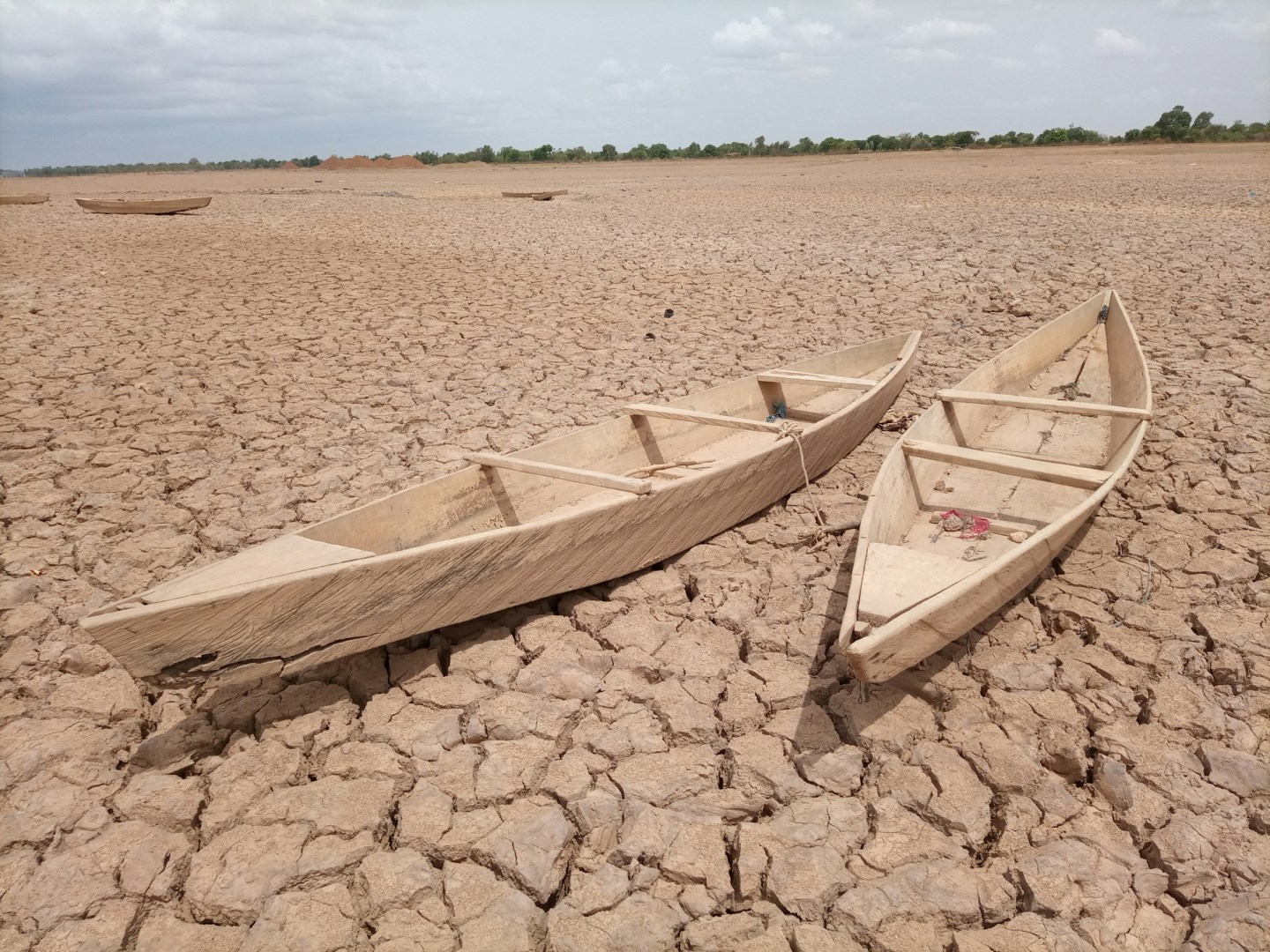
Located in Australia's Northern Territory, Uluru is an iconic sandstone formation and UNESCO World Heritage site. This red rock monolith, believed to be over 500 million years old, has been considered sacred by Australia's indigenous peoples for thousands of years and is one of the country's most well-known natural landmarks. This spiritual destination will astound you at sunrise and sunset, when the warm sunlight turns Uluru to deep hues of red and orange.

Seville
Must-sees in Seville include the landmark palace Royal Alcázar of Seville, the Gothic, bell-towered Catedral de Sevilla, and Plaza de España, an architectural marvel with Moorish, Baroque and Renaissance influences. Meanwhile, Museo del Baile Flamenco is the place to learn about flamenco dancing culture.
Vágar
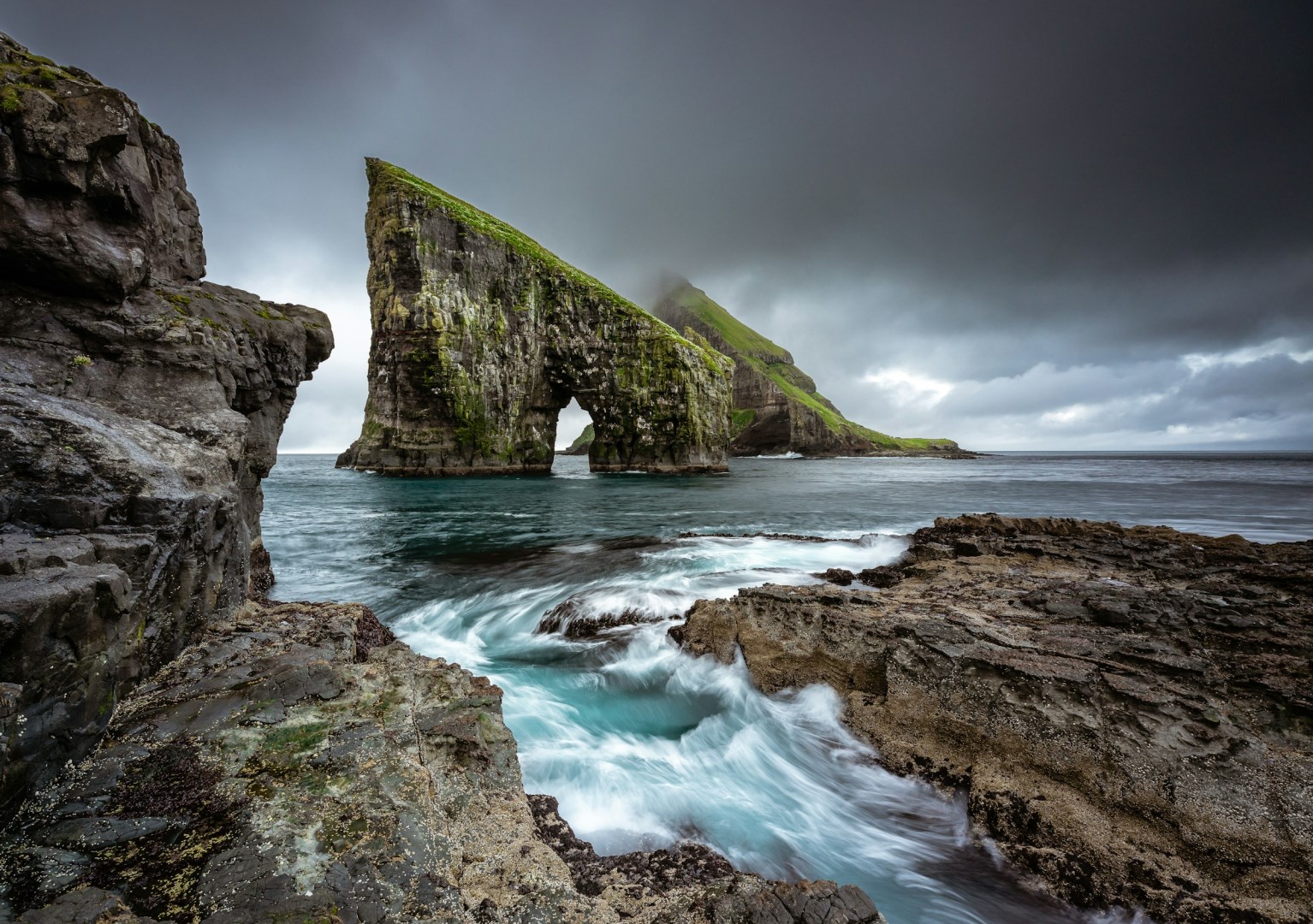
Vágar is one of the western islands of the Faroe Islands and the main arrival point for many visitors, with the archipelago’s only airport located near Sørvágur. The island combines high mountains, freshwater lakes, steep sea cliffs, and small villages set along sheltered bays. Its landscape is particularly varied for its size, ranging from the agricultural fields around Miðvágur and Sandavágur to the rugged western coast near Bøur and Gásadalur.
Charyn Canyon National Park
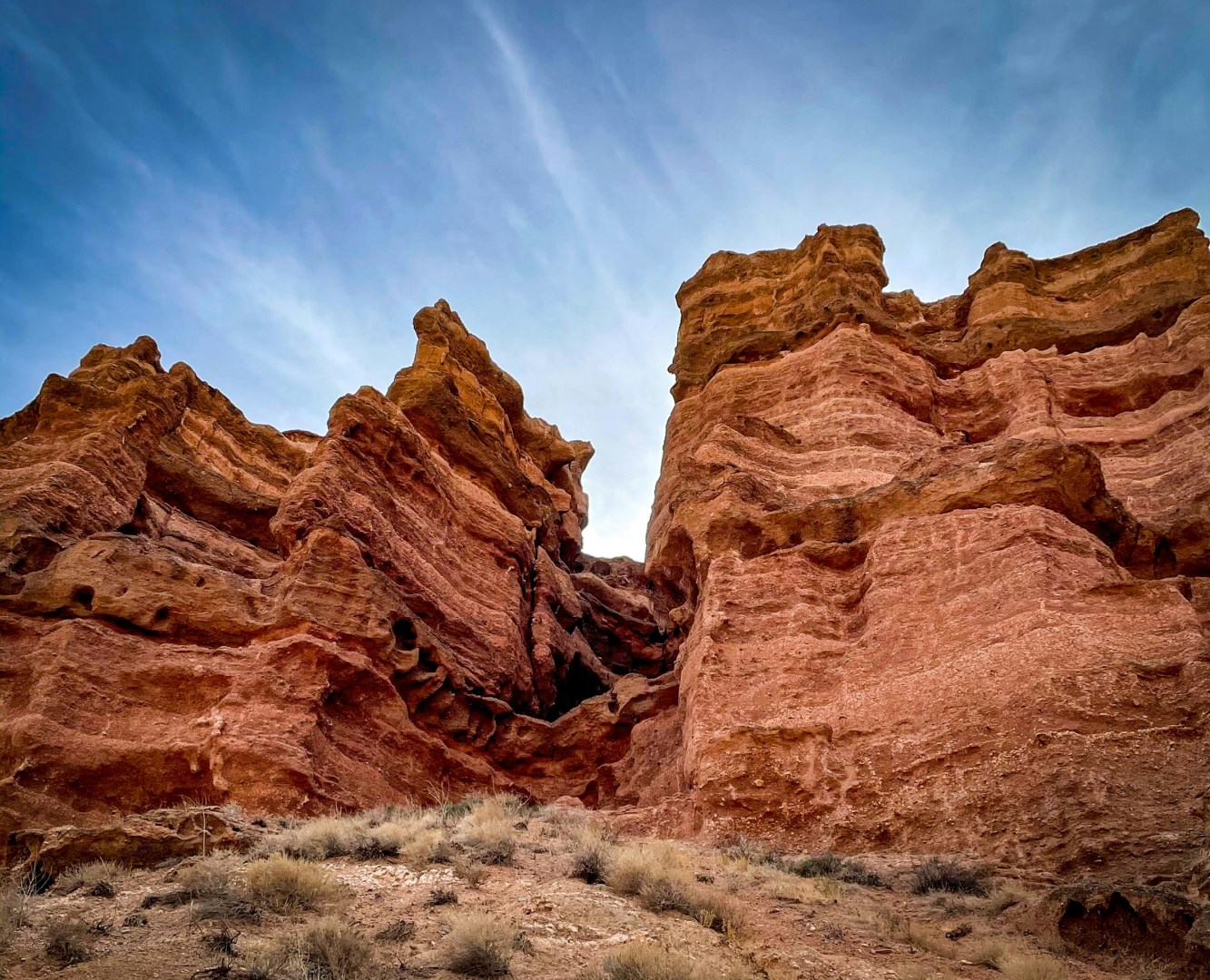
Charyn Canyon National Park is a protected area in southeastern Kazakhstan, east of Almaty, centered on the dramatic Charyn Canyon carved by the Charyn River. The park covers a landscape of deep gorges, dry valleys, cliffs, and semi-desert plains at the edge of the Tian Shan. Charyn Canyon is the park's best-known feature, with layers of sedimentary rock exposed along steep walls shaped by erosion.

Crotone
Located along the coast of Southern Italy, Crotone emanates a classic Italian lifestyle that appeals to tourists both foreign and domestic.