Vilnius
Vilnius, the charming capital of Lithuania, is a city where historical grandeur meets vibrant modernity. The heart of Vilnius is its UNESCO-listed Old Town, one of the largest and most well-preserved medieval city centers in Europe. Wander through its cobblestone streets and admire the stunning Baroque architecture.
Bad Ems
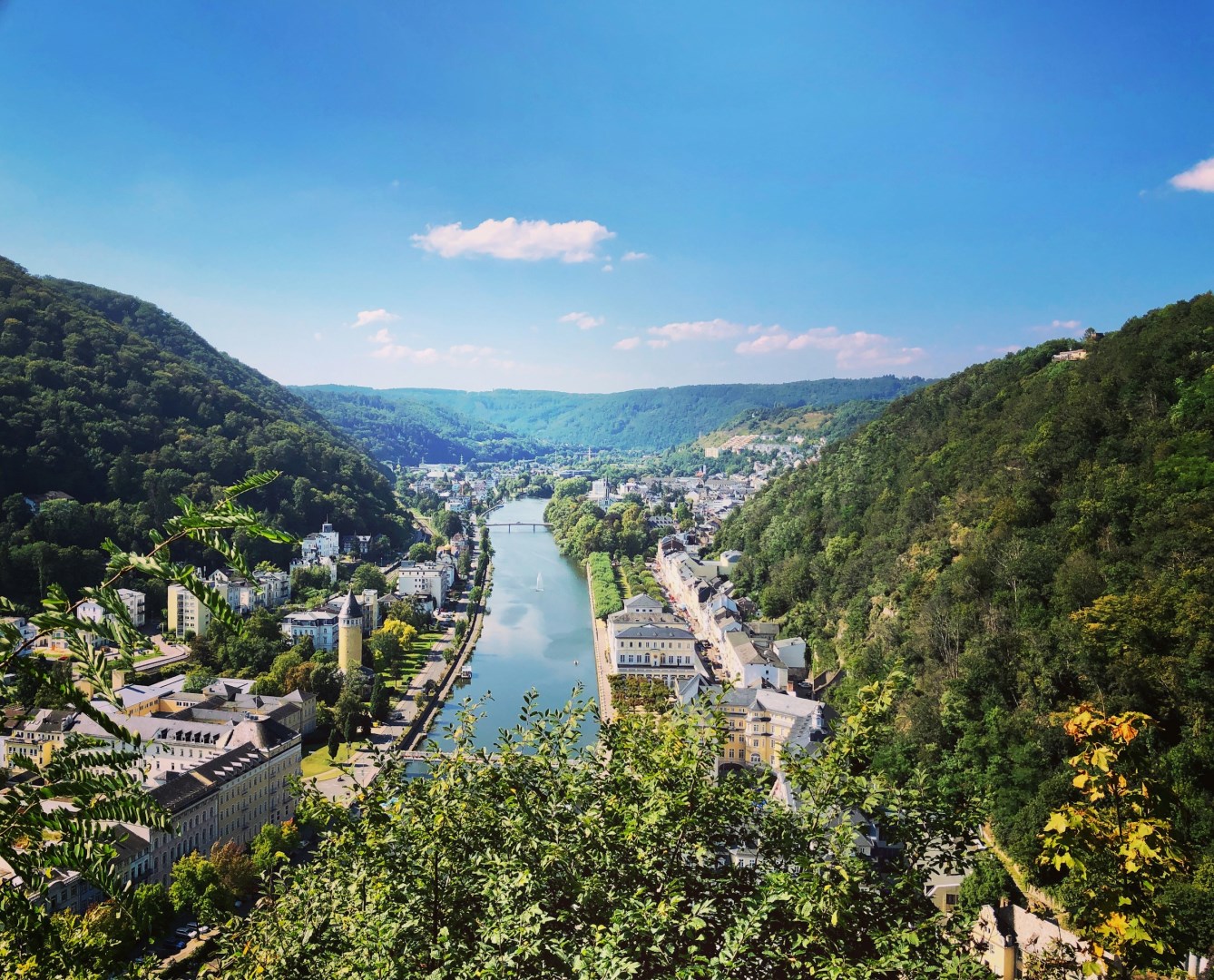
Nestled between the Westerwald and Taunus, this charming spa town on the Lahn has a lot to offer for a carefree stay. Along with the wide variety of health facilities the Emser springs ensure relaxation and well-being while leisure and cultural events take care of your other needs and desires. Highlights include the flower carnival, the Jacques Offenbach festival and the Rose Ball.

Corner Brook
The Corner Brook region is one of eastern Canada's top four season vacation destinations and offers a wide variety of experiences from relaxing scenic drives to high adventure in the wilds of the backcountry.
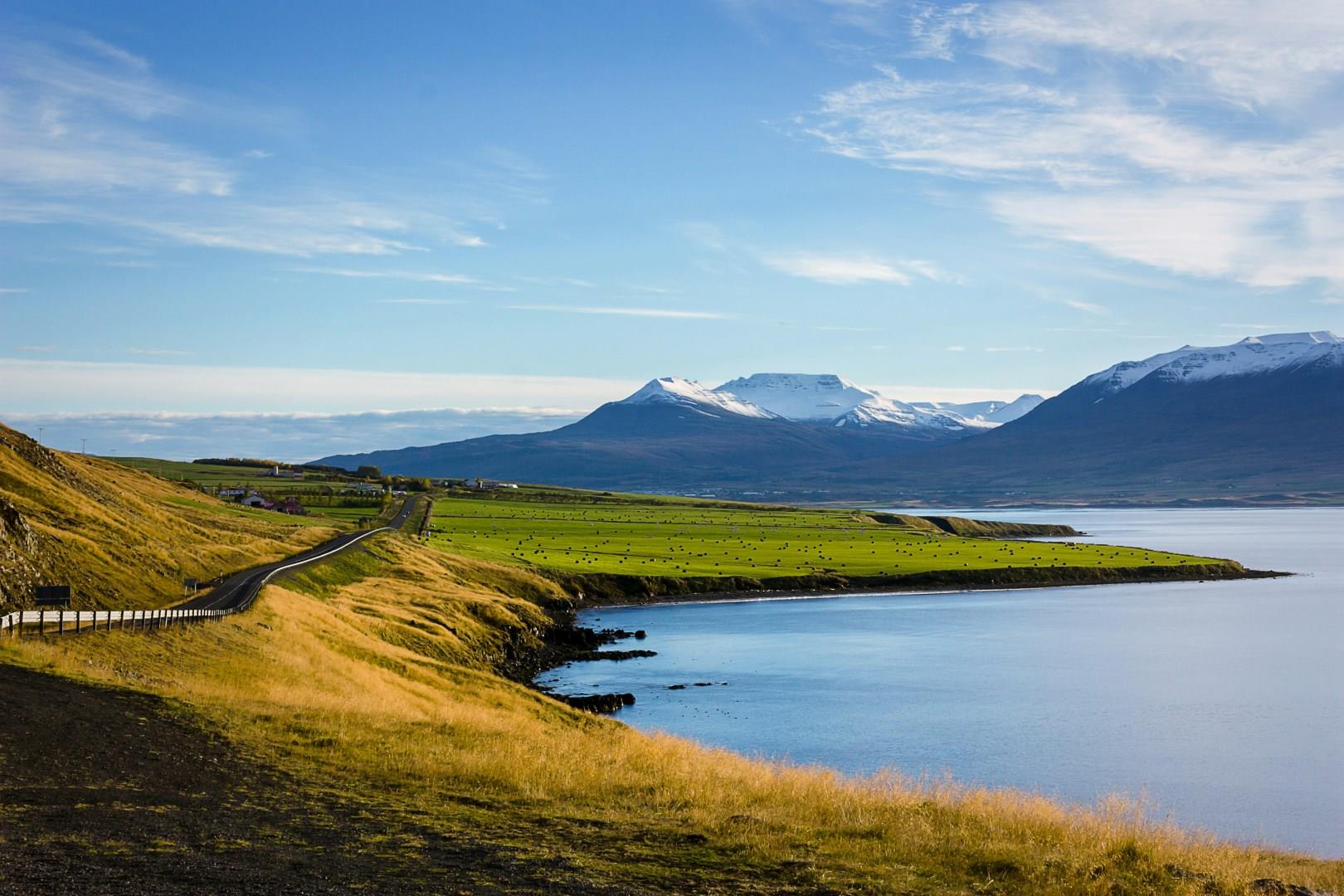
Akureyri
Akureyri, often referred to as the capital of North Iceland, offers travelers a distinct experience shaped by its Arctic location and rich local culture. Nestled at the base of Eyjafjörður fjord, the town has served as a trading center since the 1600s and continues to thrive with a mix of fishing, arts, and tourism. Within a few hours’ drive, visitors can reach the geothermal fields of Hverir, the volcanic craters at Lake Mývatn, and the powerful Goðafoss waterfall.
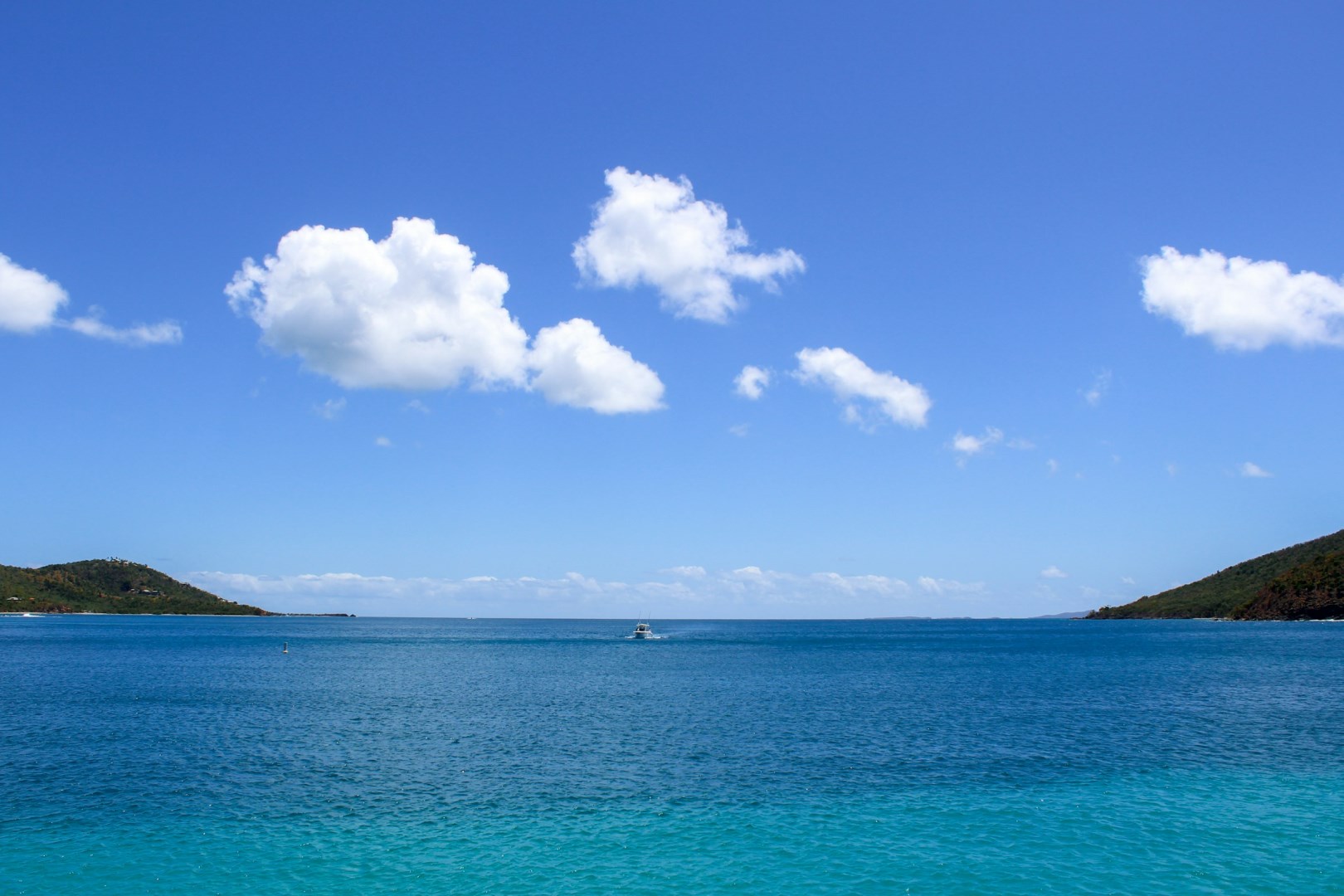
Fajardo
Called "La Metropolis del Sol Naciente" (The City that guards the Sun of the Caribbean), Fajardo was founded in 1772 as Santiago de Fajardo. Fajardo's perfect beaches are bounded by calm, clear water ideal for snorkeling, Seven Seas Beach, offers plentiful water sports facilities, offshore points for sailing, snorkeling and plenty of scuba diving.