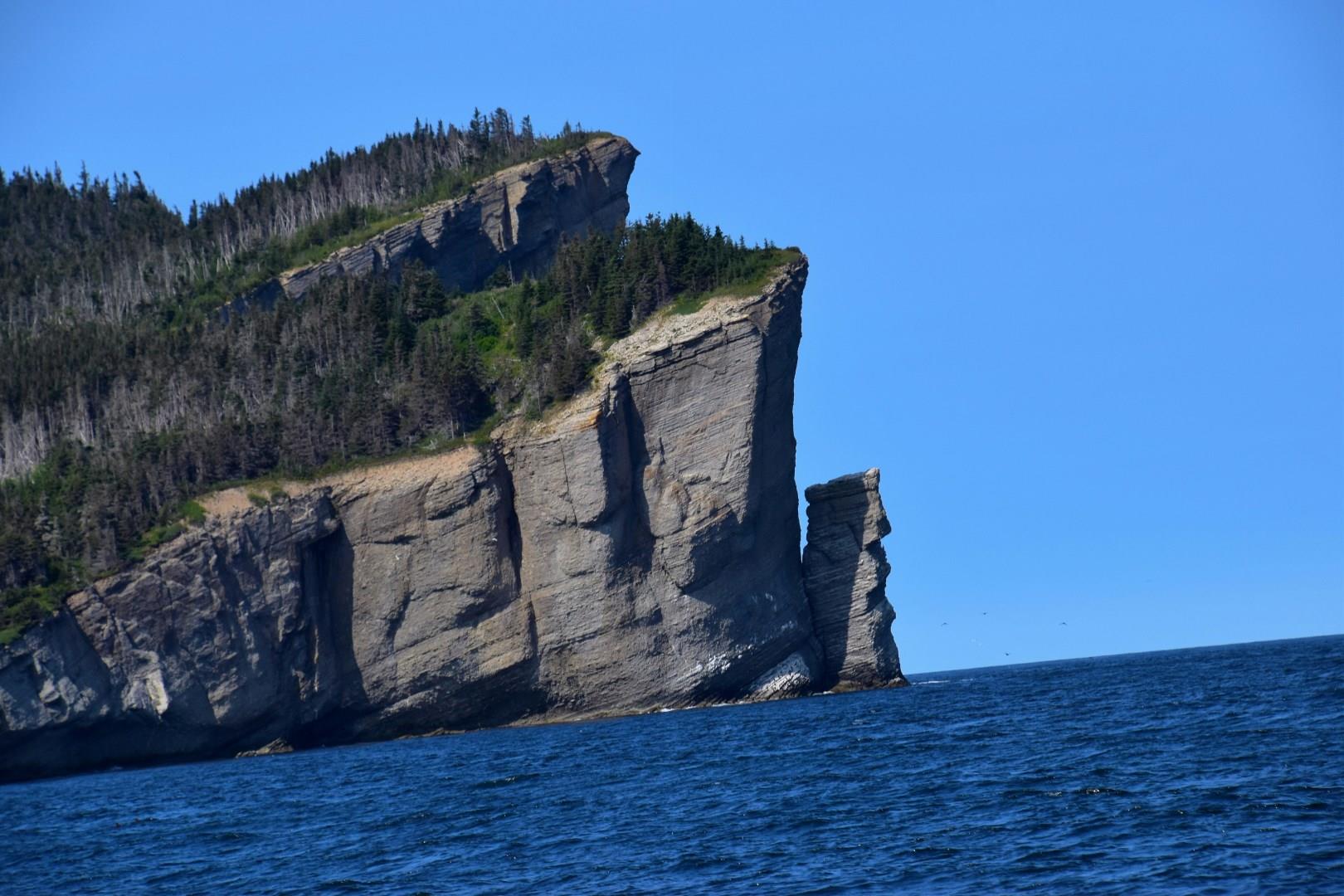
Gaspe
Gaspé sits at the eastern tip of the Gaspé Peninsula in Québec, where the St. Lawrence River opens into the Gulf and the land feels distinctly maritime.
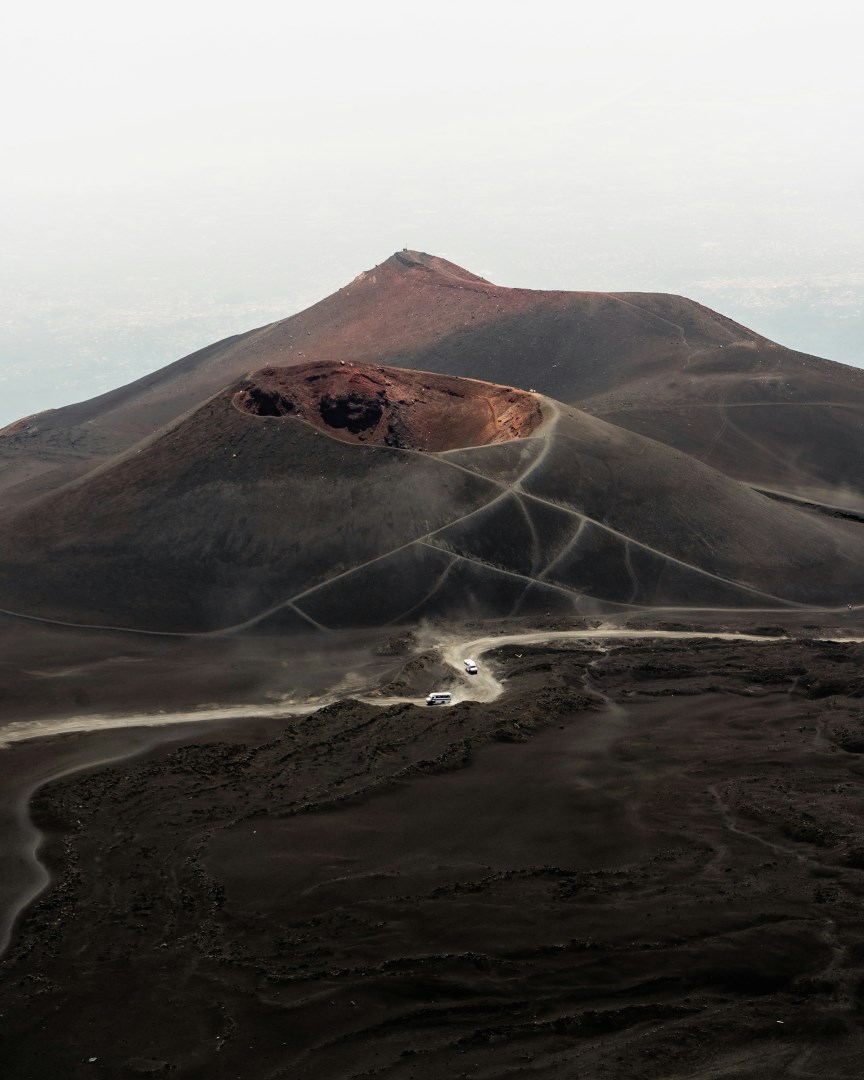
Mt. Etna, Sicily
The biggest volcano in Europe - and still very active. Drive up to the 6,000 foot level, travel along roads that run over layers of hardened lava, created in ancient and modern times. Enjoy the magnificent view of the Tyrrhenian and lonian coasts.
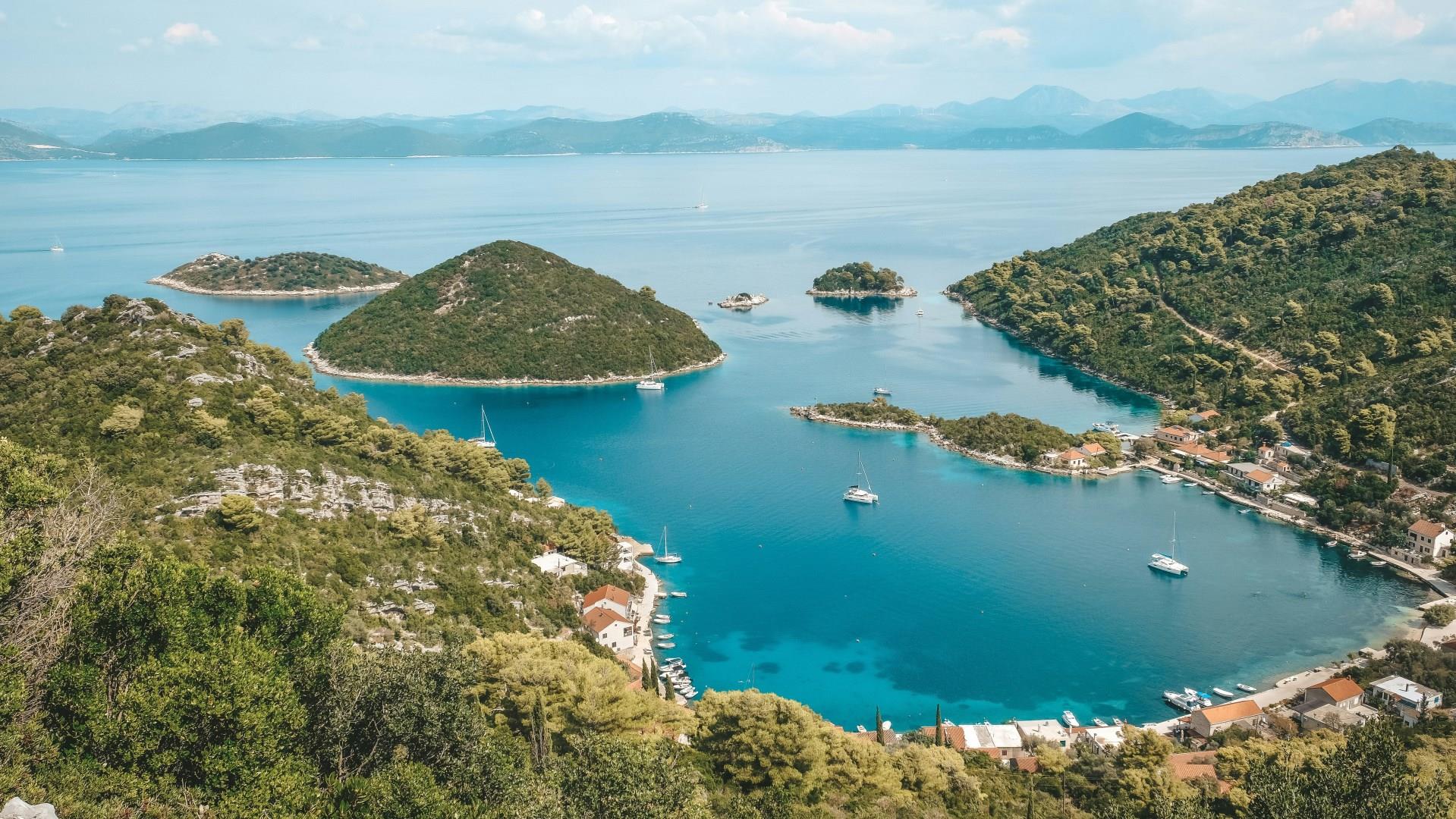
Mljet National Park
Mljet National Park sits on the western side of Mljet Island in Croatia’s Adriatic Sea, a place where saltwater lakes meet ancient forest pathways. The park stretches across nearly one-third of the island, with Veliko Jezero (Great Lake) and Malo Jezero (Small Lake) as their most striking features. These two saltwater lakes are connected by a narrow channel to the open sea, creating calm blue waters that draw visitors for swims, casual kayak outings, or peaceful cycles around the shaded paths.
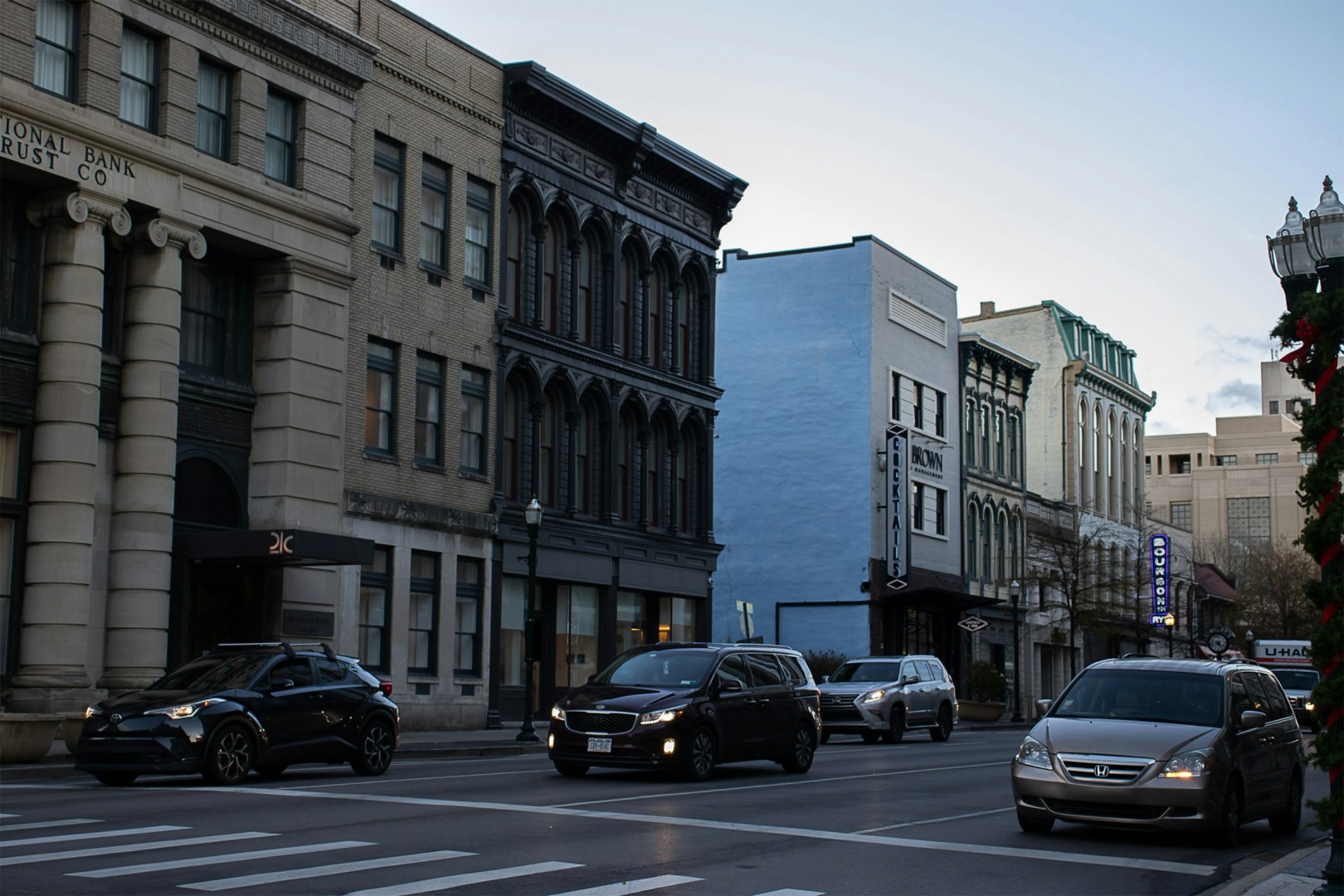
Lexington
Lexington lies in Kentucky’s Bluegrass Region, surrounded by rolling pastureland, limestone-rich soil and hundreds of horse farms. Known as the “Horse Capital of the World,” the city is closely associated with Thoroughbred breeding and racing, yet it also has a busy downtown shaped by universities, restaurants, arts venues and bourbon production.

Christchurch
Welcome to Christchurch, a picturesque city with English heritage. Here, the new mixes with the old in enchanting ways, with edgy modern architecture and old buildings sitting side by side