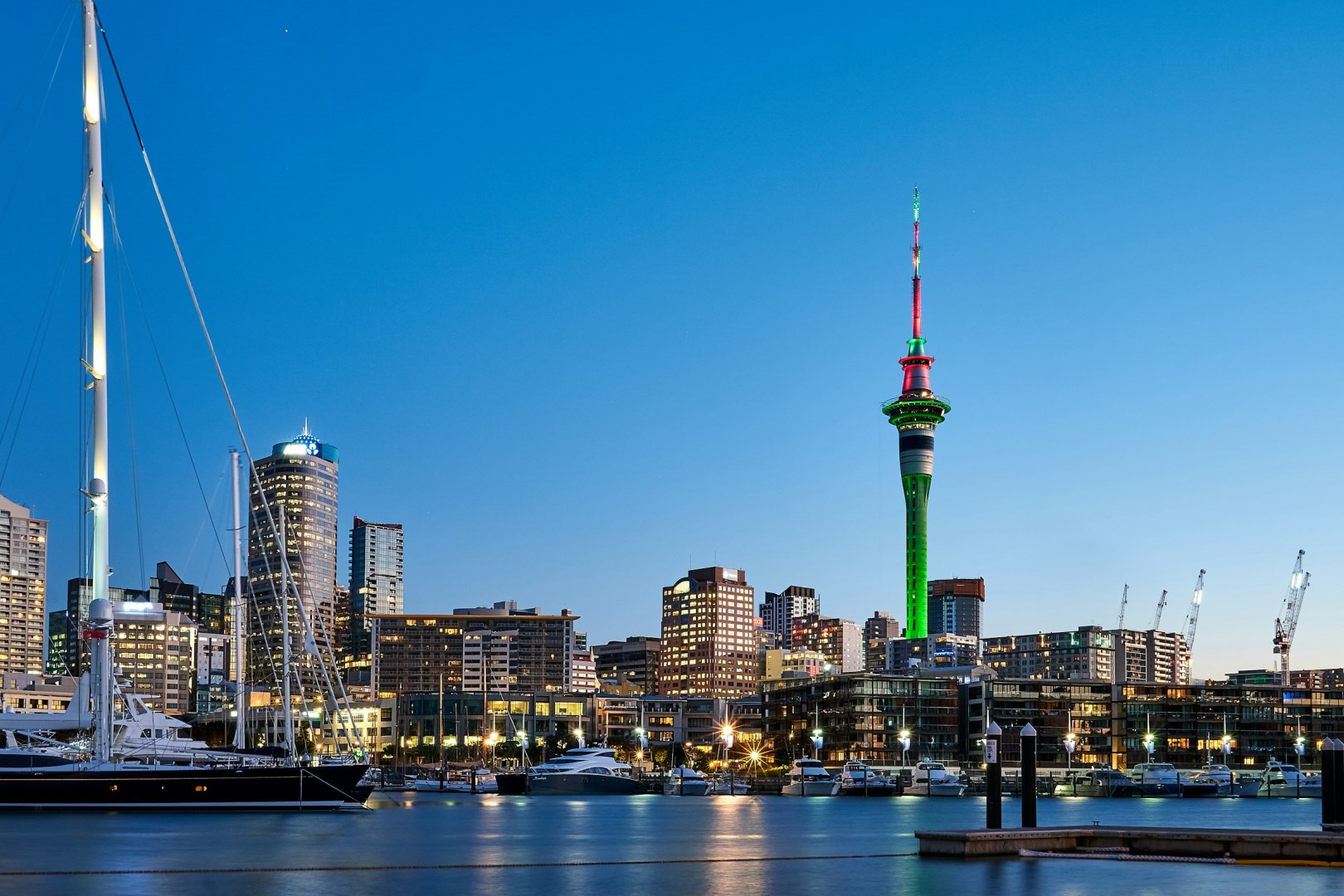
Auckland
A veritable paradise on Earth, Auckland combines the best of both worlds – a thrilling urban metropolis surrounded by striking natural areas, sparkling blue water, and colorful wildlife. New Zealand’s cultural and recreational hub, beautiful Auckland has something for everyone.
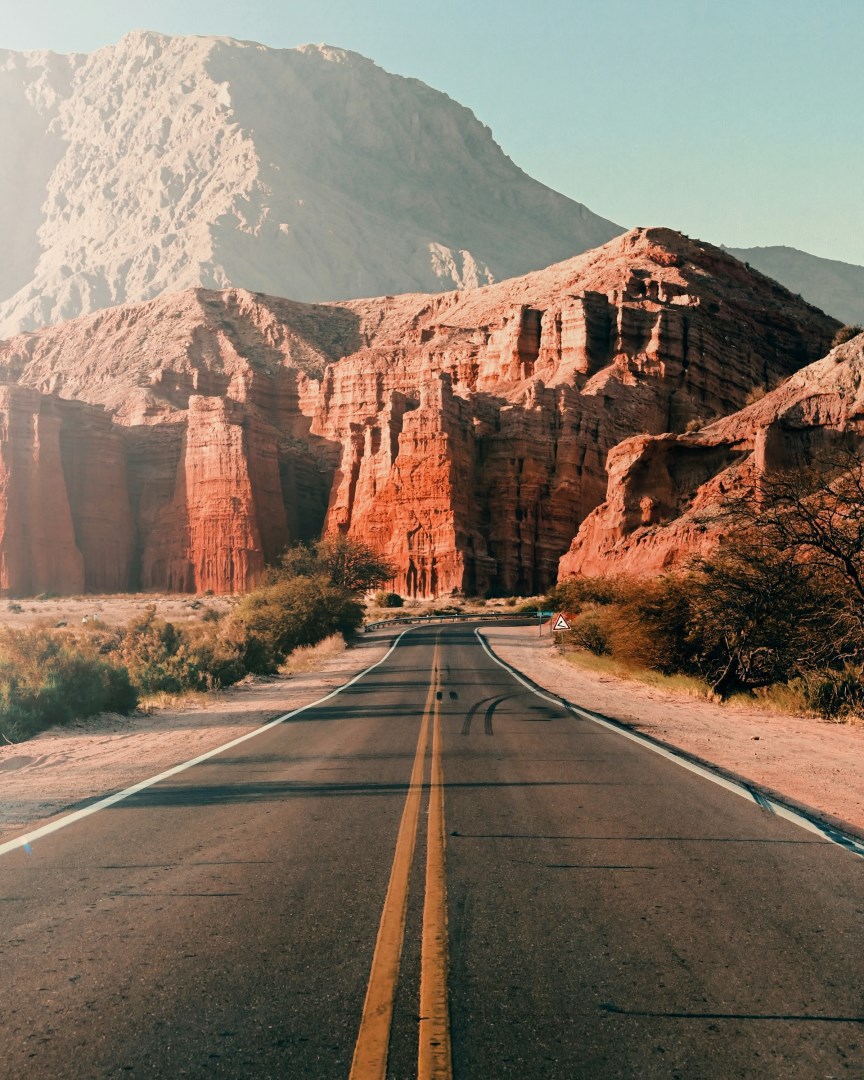
Cafayate
Cafayate is a town in Salta Province, Argentina, located in the Calchaquí Valleys at about 1,683 meters above sea level. It is surrounded by vineyards, dry mountain slopes, and the colorful rock formations of the Quebrada de las Conchas. The town has a compact center with a leafy main square, the Nuestra Señora del Rosario Cathedral, and an artisan market selling locally made pottery, textiles, and silverwork.

Dominica
Dominica, known as the “Nature Island of the Caribbean,” is a haven for eco-tourists and adventure seekers. Nestled between the French islands of Guadeloupe and Martinique, this lush island boasts a remarkable landscape of volcanic mountains, dense rainforests, and stunning waterfalls. Dominica’s most iconic natural wonder is the Boiling Lake, the second-largest hot spring in the world.
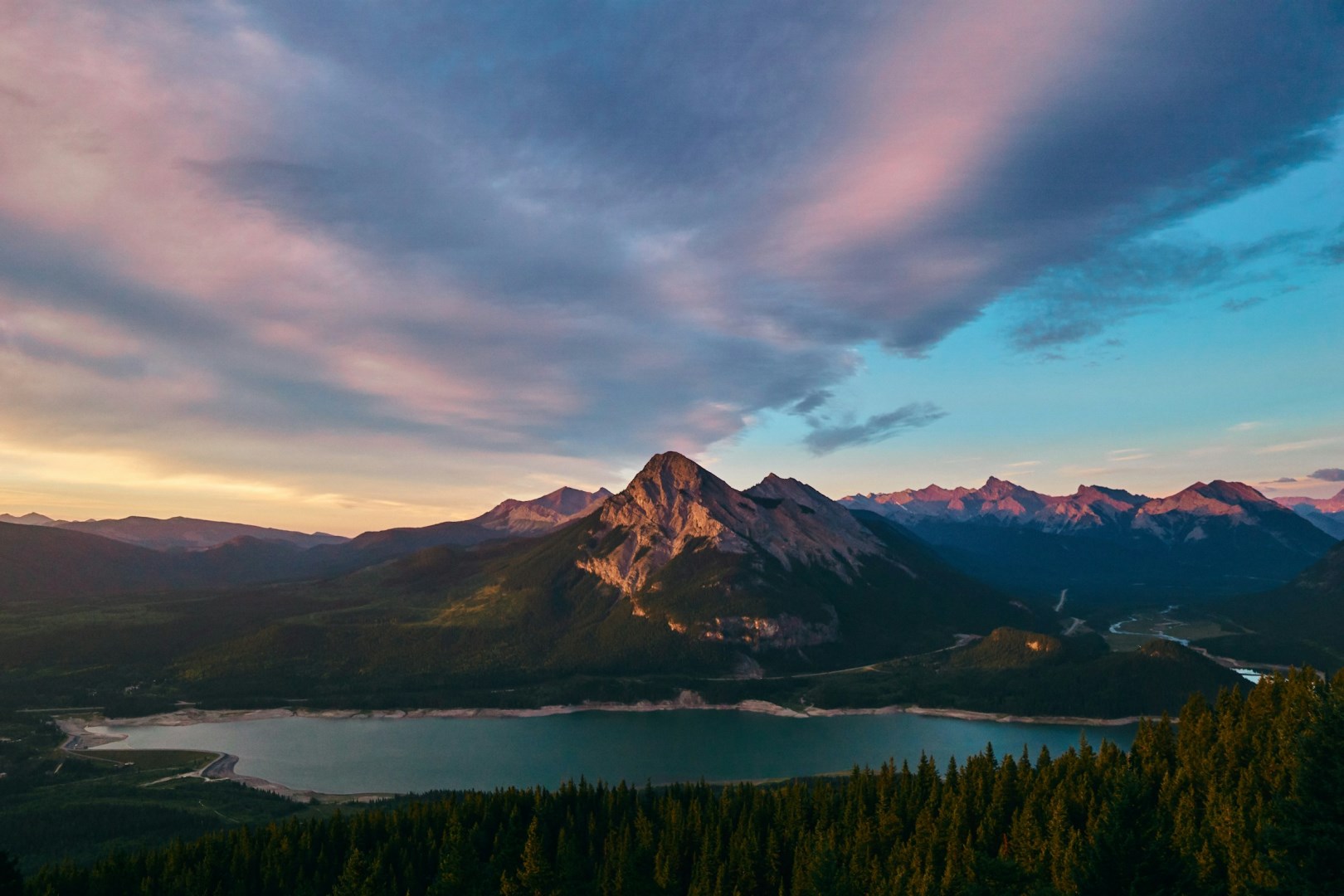
Kananaskis
Kananaskis, located in the foothills and front ranges of the Canadian Rockies in Alberta, is a vast region celebrated for its rugged mountains, alpine lakes, and outdoor recreation opportunities. Unlike nearby Banff or Jasper, Kananaskis is less developed and offers a quieter, more wilderness-focused experience while still being easily accessible from Calgary.

Civitavecchia
This pleasant port town provides a nice, calmer contrast to bustling Rome, so travelers are advised to not simply pass through, but linger and discover more of Civitavecchia. Explore Forte Michelangelo, shop at Corso Centocelle, see the neoclassical Trajan Theatre, and delve into the therapeutic Taurine Baths of Civitavecchia.