Maui Island
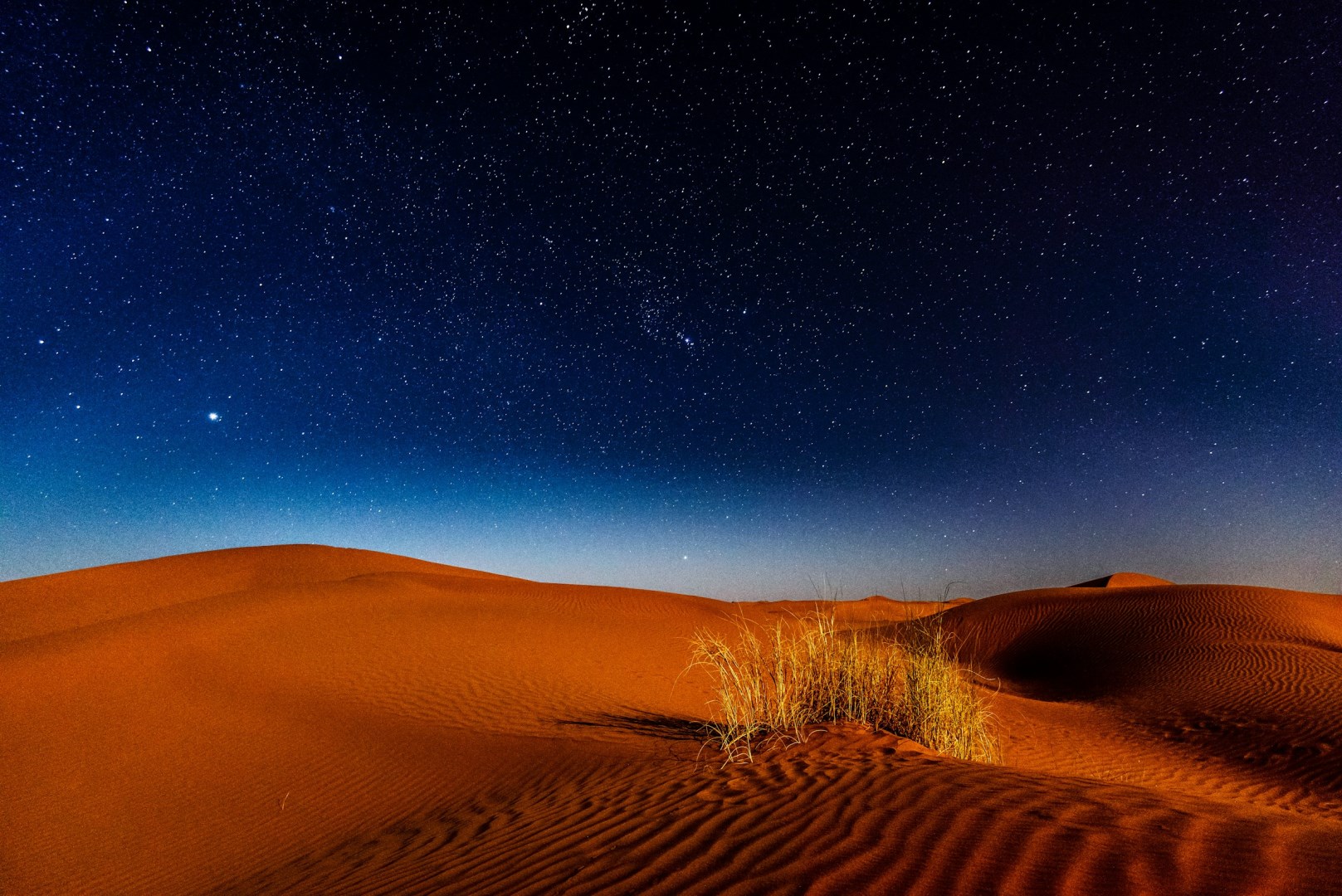
Maui is a Hawaiian paradise offering an incredible variety of landscapes, experiences, and cultural traditions. Known for its valleys, beaches, and volcanic peaks, Maui attracts visitors who want to immerse themselves in nature and Hawaiian heritage. The island’s crown jewel is Haleakalā National Park, where the massive dormant volcano provides beautiful scenery and unforgettable sunrise views. Visitors can hike through the park or stargaze under one of the clearest night skies in the world.
Amelia Island
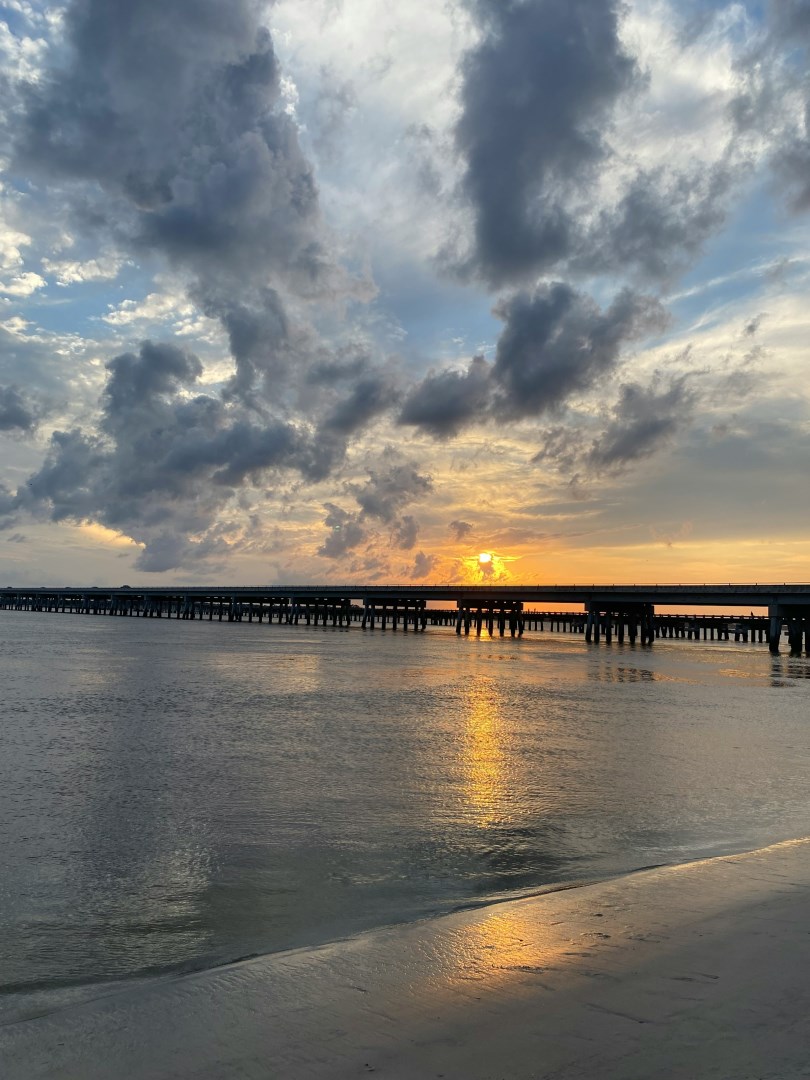
Amelia Island is a barrier island on Florida’s northeast coast, located near the Georgia state line and about 30 minutes north of Jacksonville. The island stretches roughly 13 miles and combines Atlantic beaches, salt marshes, maritime forests, and the historic port community of Fernandina Beach. Its compact size makes it possible to move easily between the oceanfront and the island’s historic districts, while waterways on the western side connect to the Intracoastal Waterway. T
Plymouth
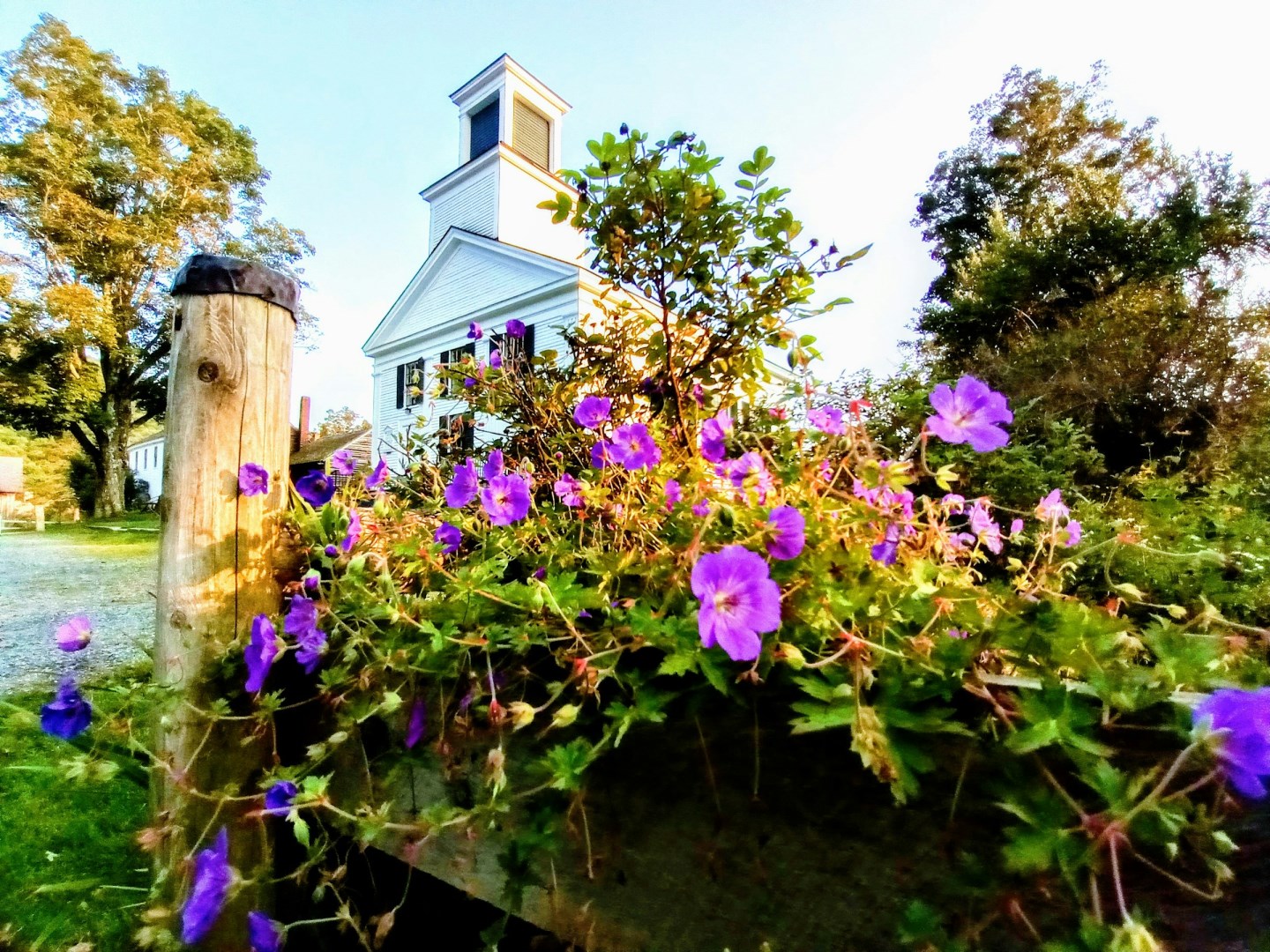
Plymouth is a rural town in central Vermont, set among wooded hills, small farms, ponds, and mountain valleys in the Green Mountain region. The town includes several small settlements, with Plymouth Notch being the best-known because of its preserved historic buildings and connection to President Calvin Coolidge. Much of the surrounding landscape remains forested and lightly developed, with roads following valleys and ridgelines rather than forming a dense urban center.
Riyadh
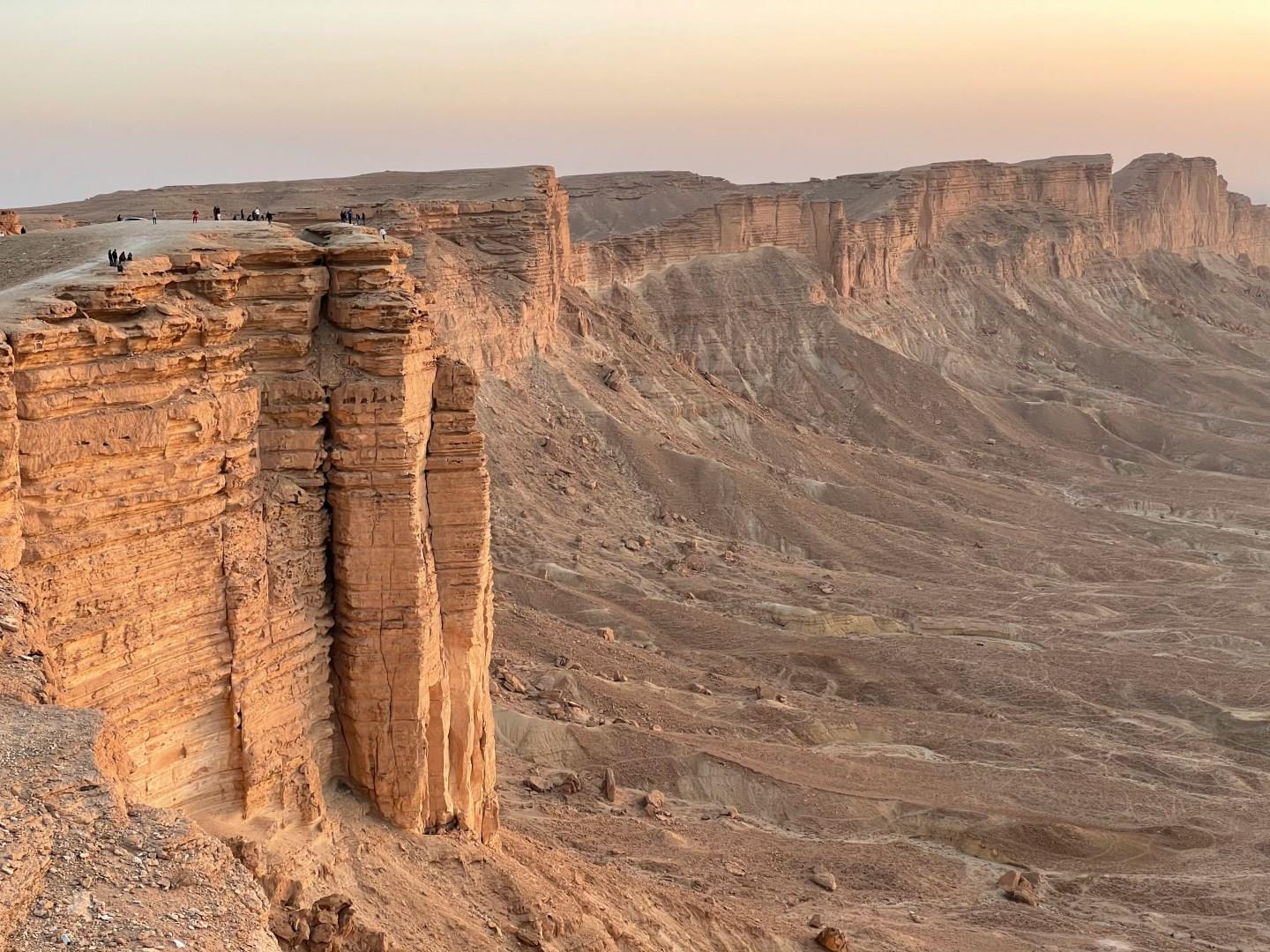
Riyadh blends stories from centuries with modern splendor. At its core stands Al Masmak Fortress, built of clay and mud-brick in the 19th century. It was the site that set the stage for the unification of Saudi Arabia. Today, it’s a museum that preserves weapons, historical displays, and accounts of that pivotal moment. Adjacent to the fortress, the Souq Al-Zal offers spices, traditional jewelry, and handmade crafts, connecting visitors to the city’s past through its alleyways.
Hilton Head Island
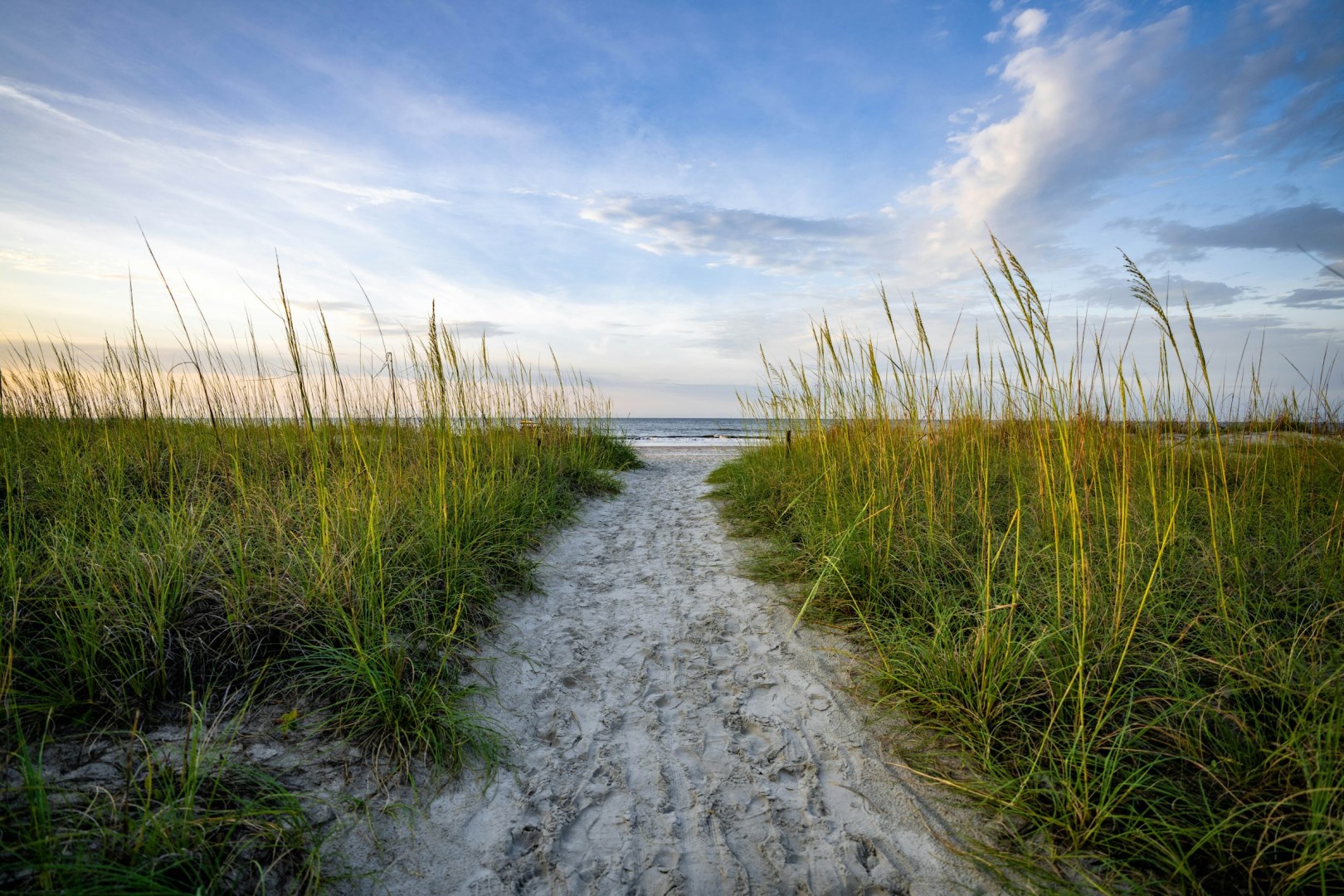
Located off the coast of South Carolina, near Charleston, Hilton Head Island is a popular golf resort area.