Foz do Iguaçu
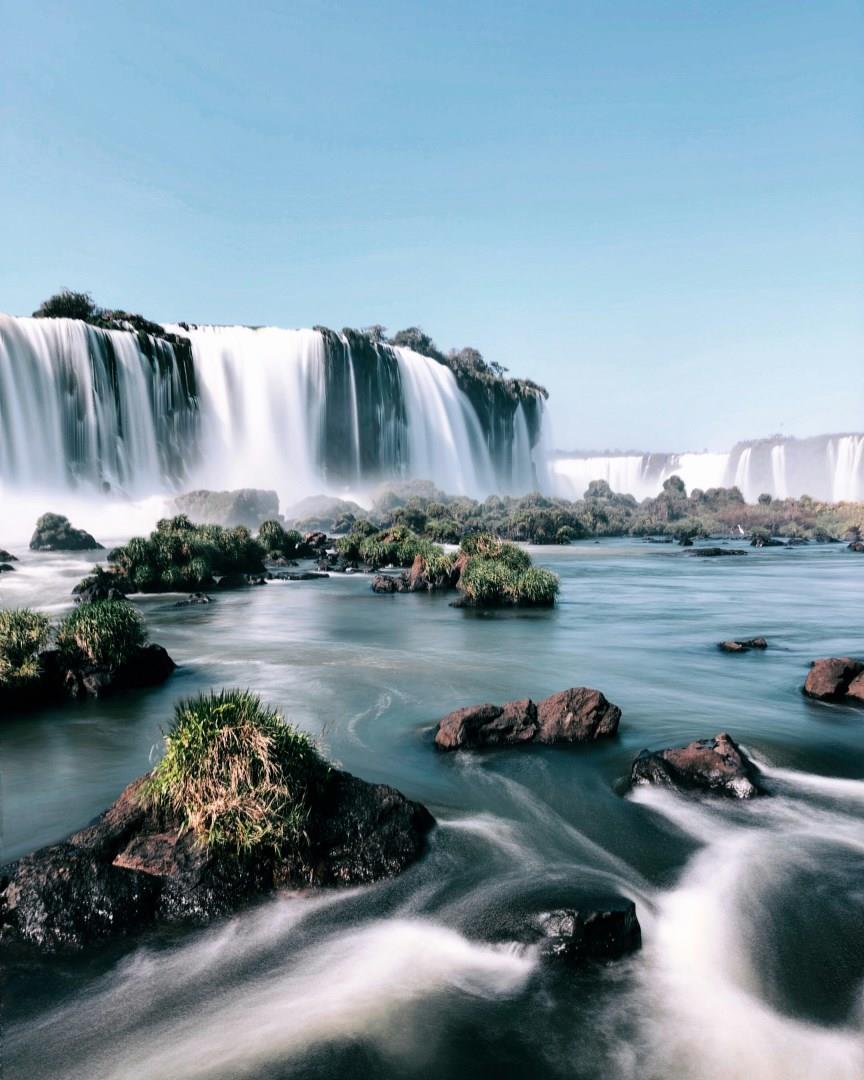
Set at the meeting point of Brazil and Argentina, Foz do Iguaçu is defined by the sheer scale of the Iguaçu Falls. Nearly 275 individual waterfalls stretch across close to three kilometers, sending mist into the air and sound echoing through the surrounding forest. Visitors follow raised walkways that bring them face to face with this moving wall of water, culminating at the dramatic Devil’s Throat, a deep, curved drop where the river seems to vanish into the earth.

Los Angeles
Sunshine, cars, celebrities... these are just a few of the things that define Los Angeles. But as any visitor to this expansive Southern California city will tell you, it's a place with seemingly infinite possibilities. There's downtown, with Crypto.com Arena, Walt Disney Concert Hall, and Olvera Street. There's Hollywood, with its Walk of Fame, maps to the stars' homes and palm-tree lined boulevards. There's Santa Monica, with its pier, shopping and ocean breezes.
Parma
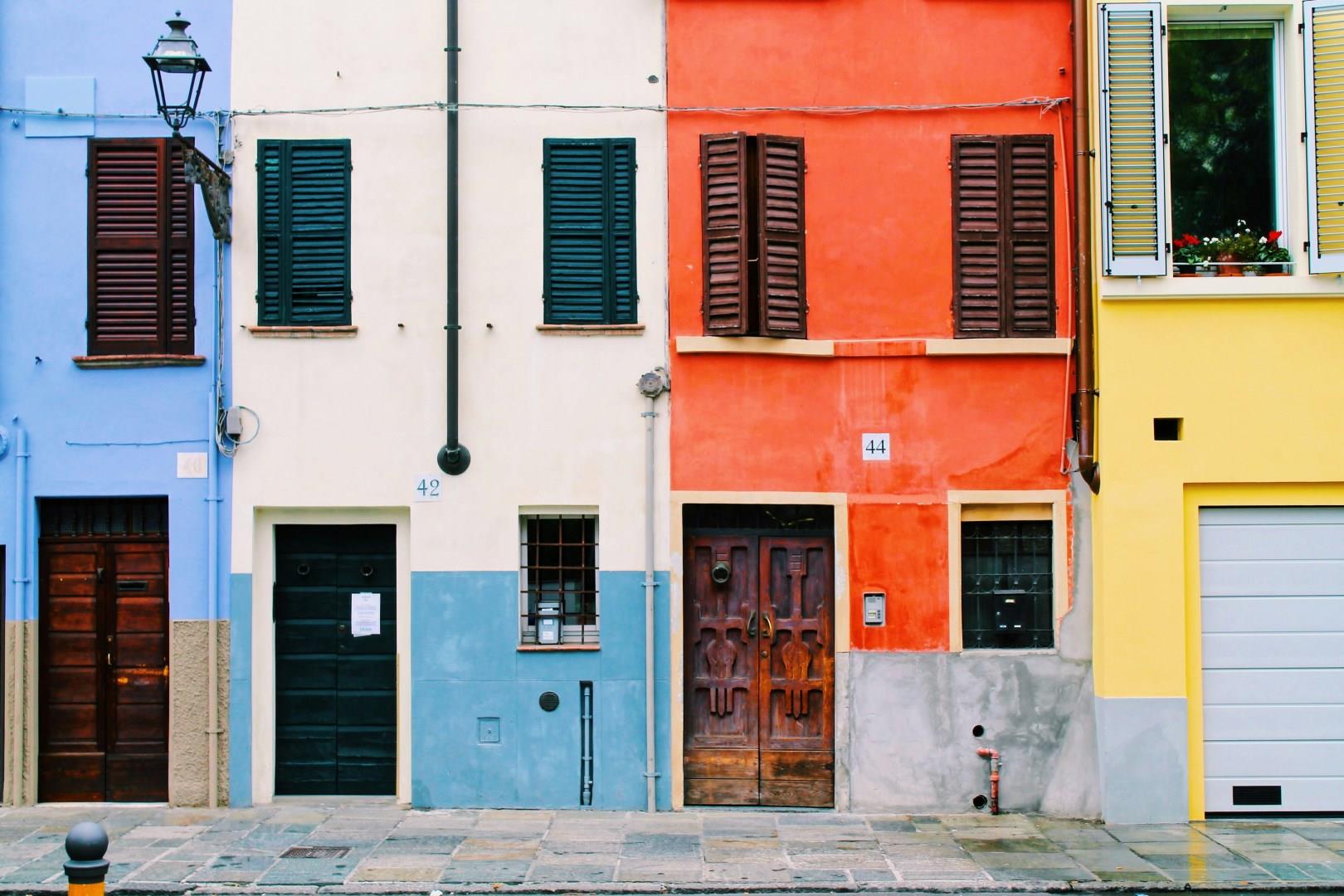
Parma, in Italy’s Emilia-Romagna region, is a city where art, history, and gastronomy intertwine. Known worldwide as the birthplace of Parmesan cheese and Parma ham, the city has long been a culinary capital, but its cultural depth extends far beyond the table.

Münich
Munich is known for its architecture, fine culture, the annual Oktoberfest beer celebration, its vibrant cultural scene and its museums. But there is much more to Munich than Oktoberfest! For traditional Bavarian beauty, don't miss out on Neuschwanstein Castle, one of the most visited castles in Germany.

Stowe
Stowe, Vermont, nestled in the Green Mountains, is a quintessential New England destination that captivates visitors year-round with its charming village atmosphere, outdoor adventures, and vibrant arts scene. Often referred to as the “Ski Capital of the East,” Stowe offers world-class skiing and snowboarding at Stowe Mountain Resort, which boasts over 485 acres of skiable terrain, including trails on Vermont's highest peak, Mount Mansfield.