Ushuaia
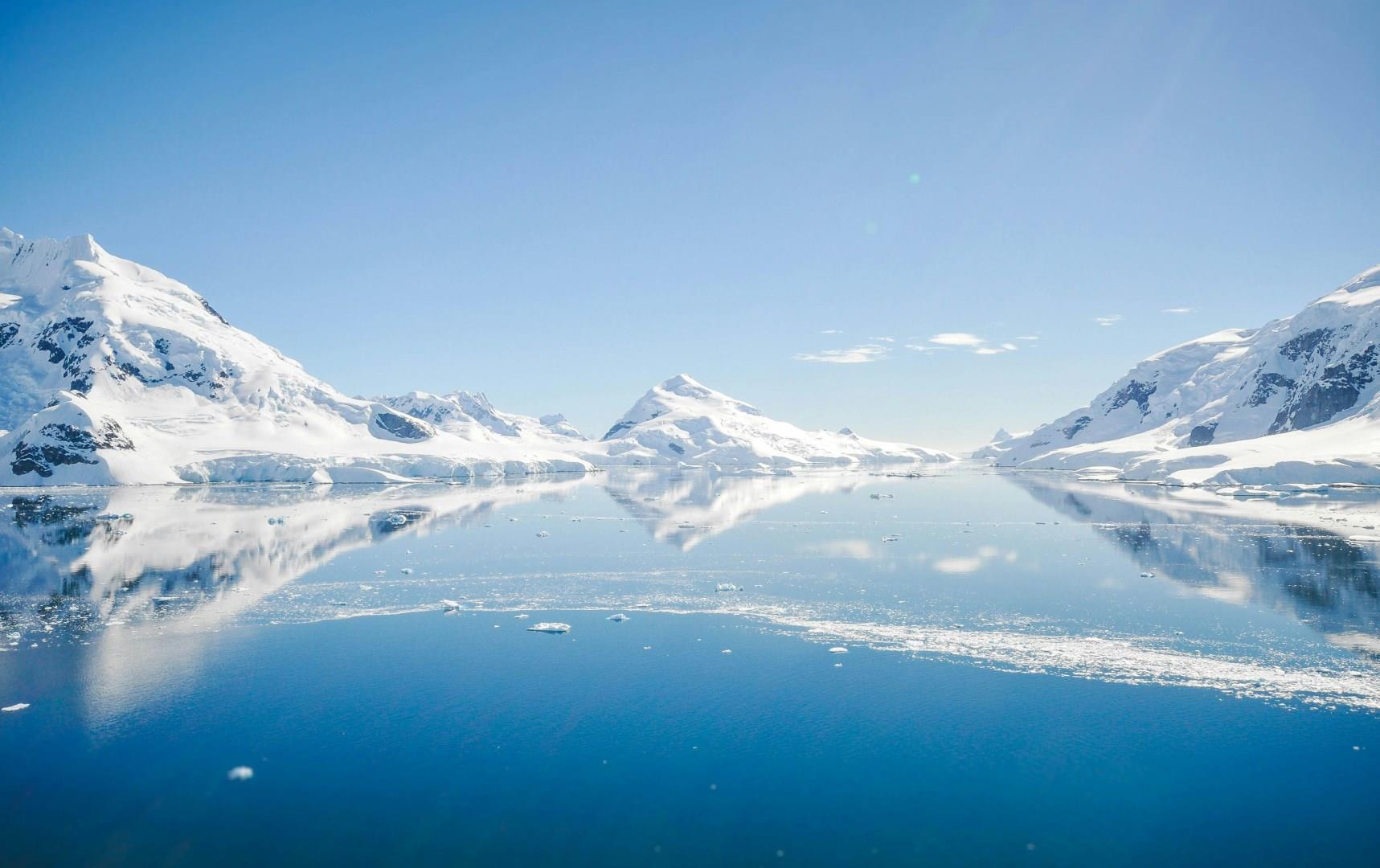
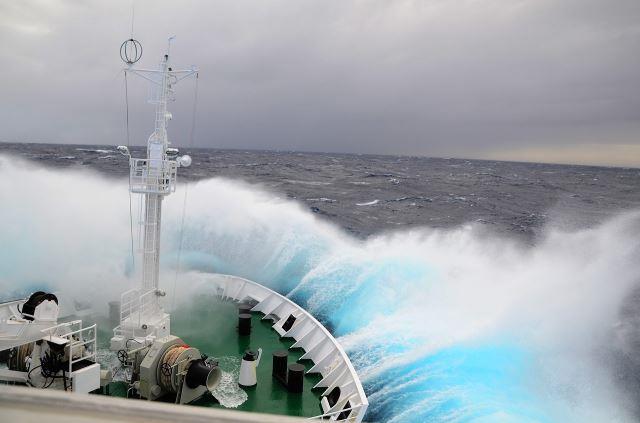
Are you ready to go to the End of the World? Stunning views of snow-capped mountain peaks await you in Ushuaia, located on the southernmost tip of South America. This small coastal town sits between the Martial Mountains and the Beagle Channel and is a popular embarkation point for Antarctic cruises. Visit some of Ushuaia's popular attractions, including Les Éclaireurs Lighthouse, Tierra del Fuego National Park, Lapataia Bay, and the Museo del Fin del Mundo.

Kingston
Kingston is Jamaica’s capital and largest city, occupying a broad coastal plain beneath the Blue Mountains and beside one of the Caribbean’s largest natural harbours. It is the country’s main center for government, business, education, music, art, and food, with neighborhoods ranging from historic downtown streets to the commercial districts of New Kingston and the hillside communities above the city.
Healy
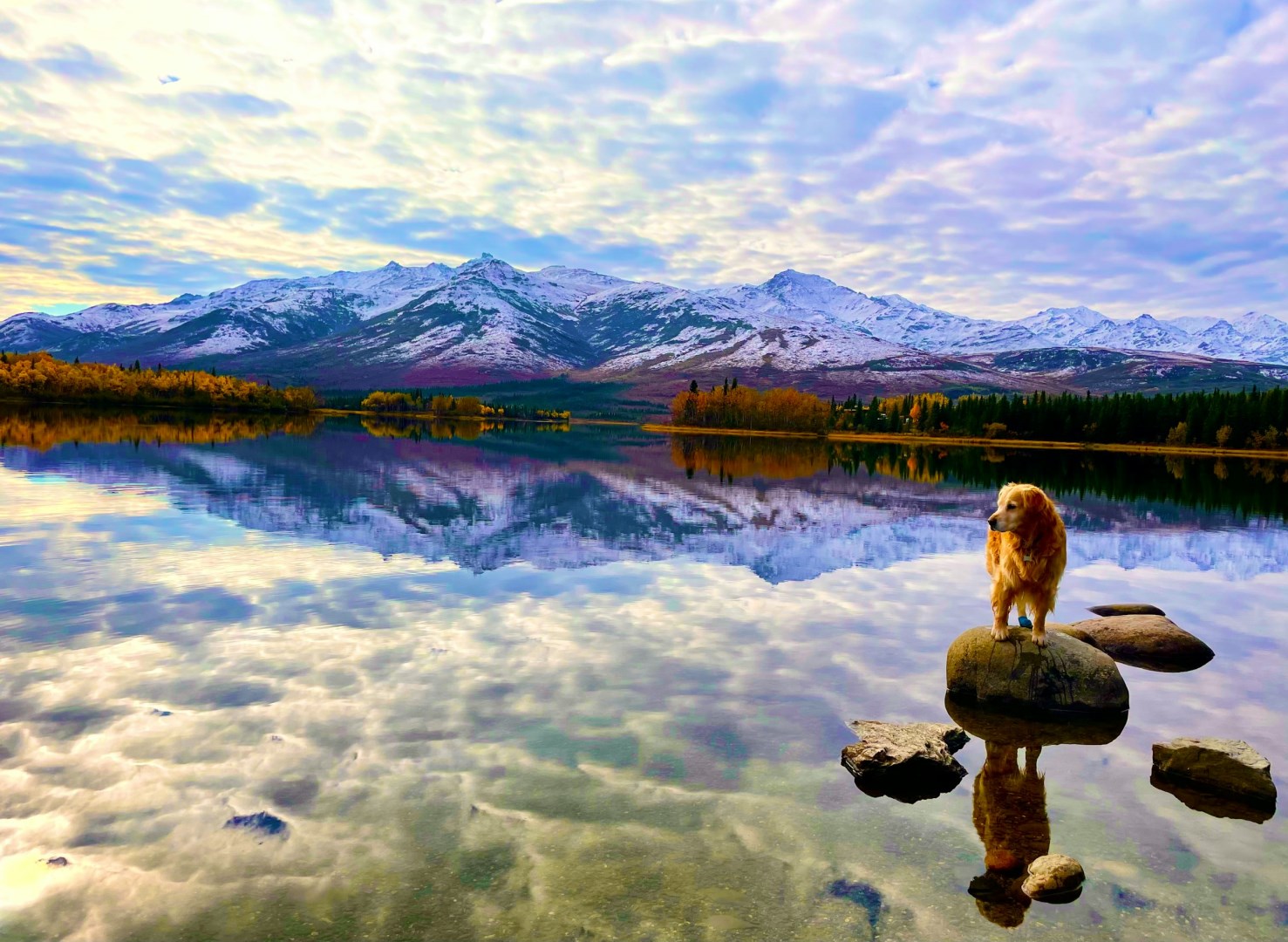
Healy is a small community in Interior Alaska, located along the Parks Highway just north of Denali National Park and Preserve. The town stretches through the Nenana River valley, with low hills, spruce forests, wetlands, and broad views toward the Alaska Range.

Málaga
Not only is Malaga the birthplace of famous Spanish artist Pablo Picasso but it offers beaches, hiking, architectural sites, art museums, excellent shopping and cuisine. Not only is Malaga the birthplace of famous Spanish artist Pablo Picasso but it offers beaches, hiking, architectural sites, art museums, excellent shopping and cuisine. The climate is a pleasant warm Mediterranean climate with dry and warm, long summers with short, mild winters.
Chandler
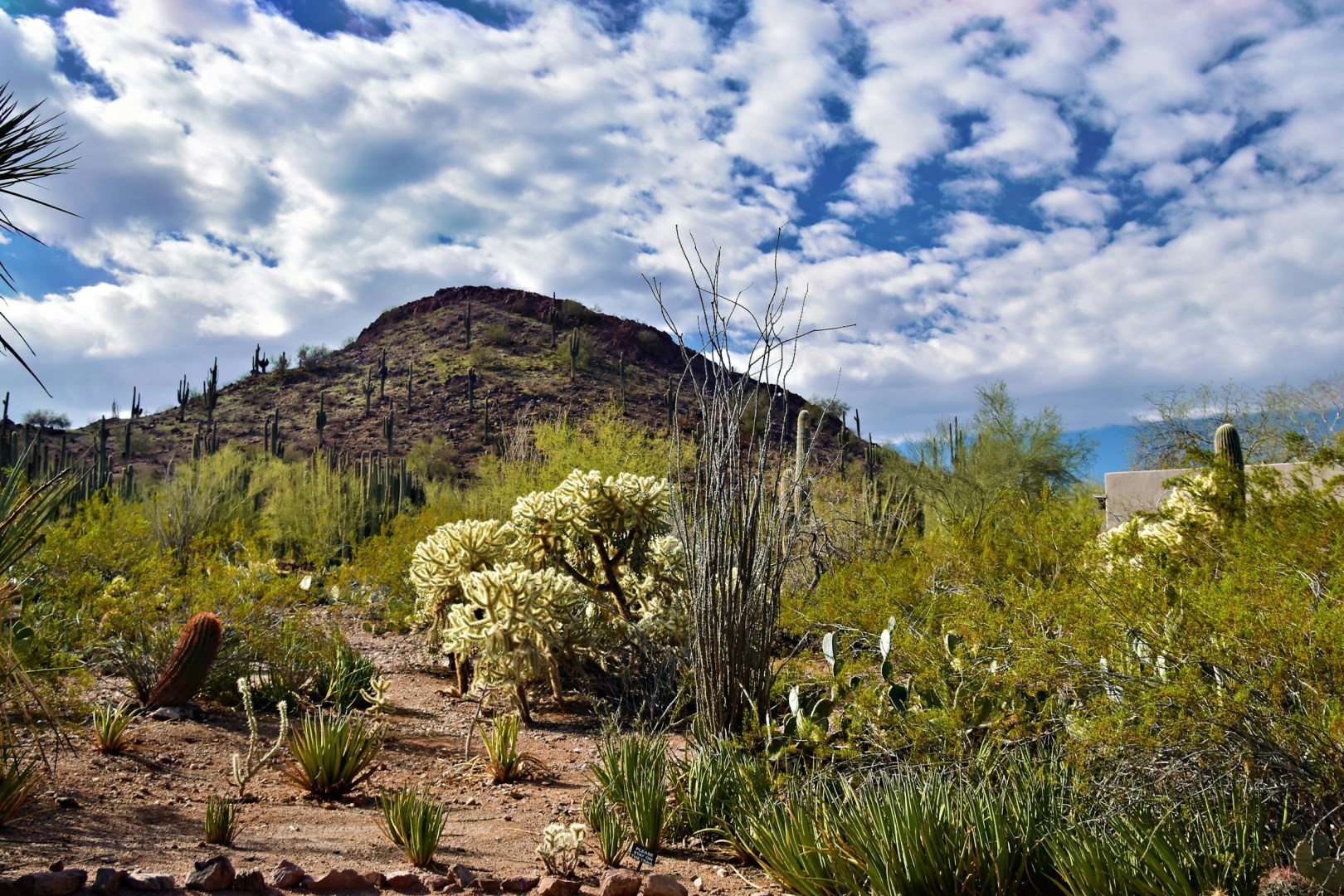
Chandler, located in the southeastern part of the Phoenix metropolitan area in Arizona, is a vibrant city that balances modern urban amenities with a strong sense of community and history. Originally founded as an agricultural town in the early 20th century, Chandler has grown into a hub for technology, education, and culture, while still celebrating its roots through local heritage sites and events.