Bel Ombre
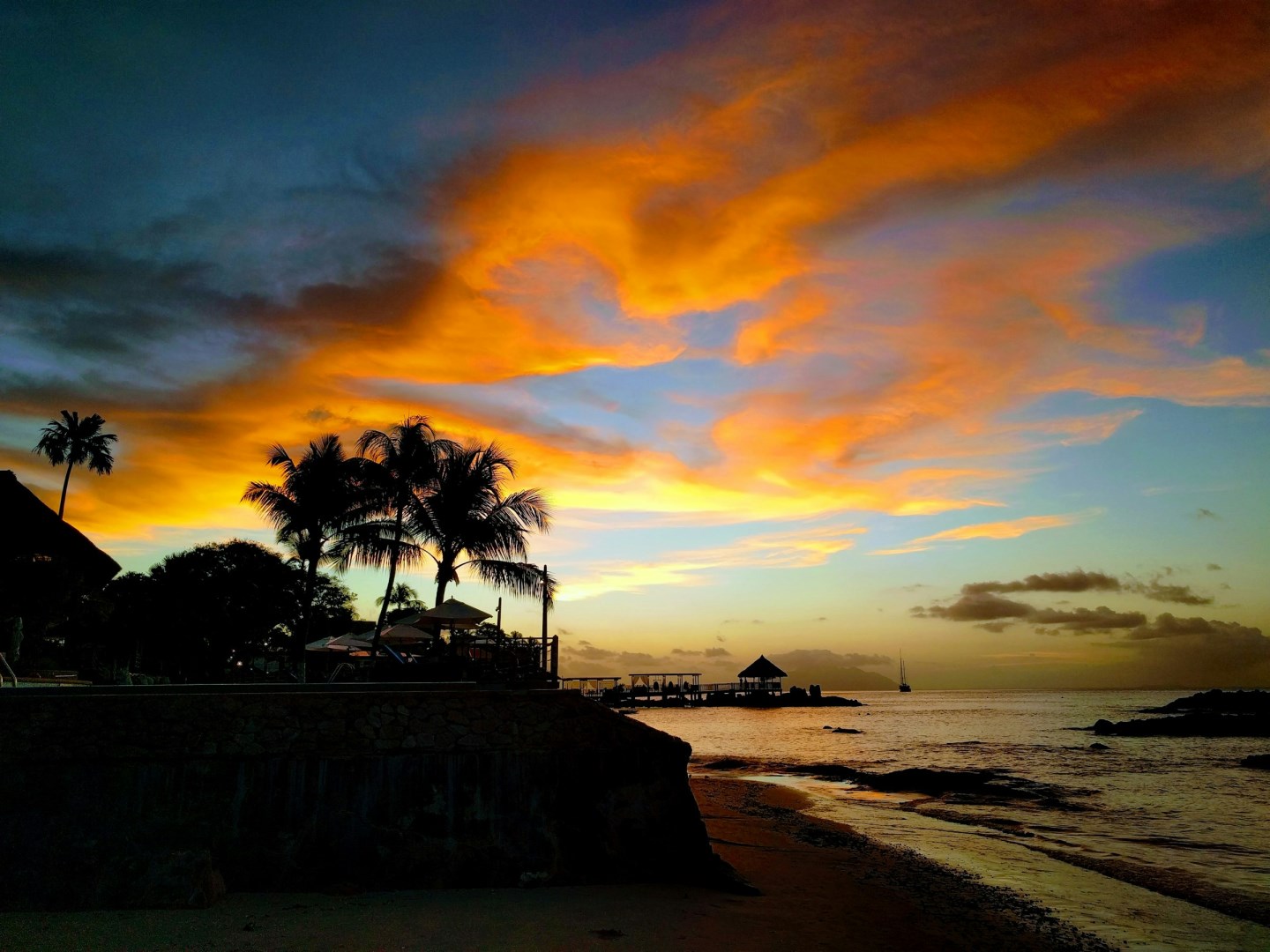
Bel Ombre is a coastal village and rural district on the southwestern side of Mauritius, set between the Indian Ocean and the forested slopes of the Black River Gorges. The area is known for its combination of sugar-growing land, native forest, rivers, and a sheltered lagoon. Much of the surrounding landscape forms part of the wider Bel Ombre estate, where agriculture has gradually been joined by conservation and tourism.
Jakarta
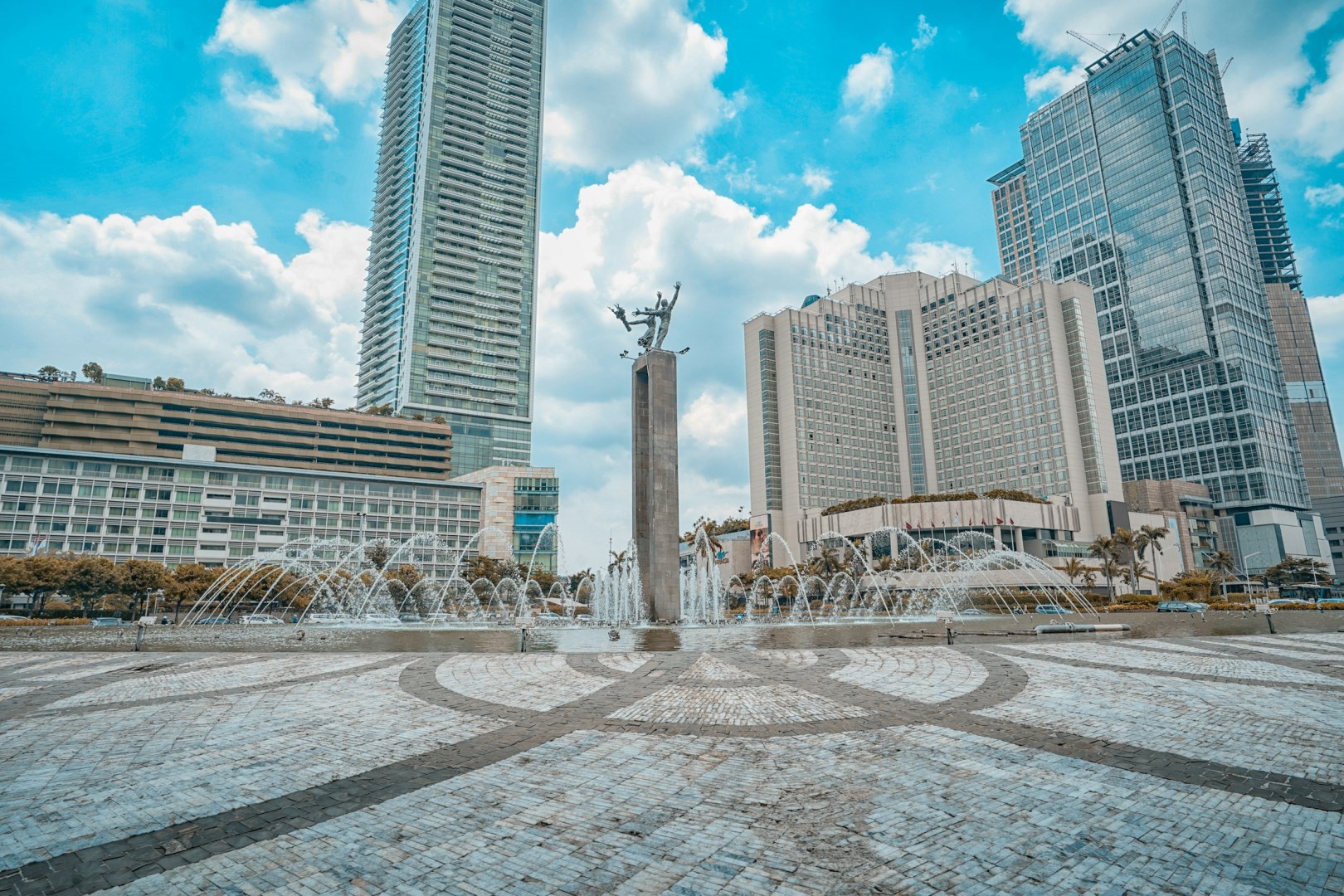
Jakarta, the capital of Indonesia, is a city where centuries of history meet modern energy. Located on the island of Java, it has long been a hub for trade and culture, drawing influences from across Asia, the Middle East, and Europe.
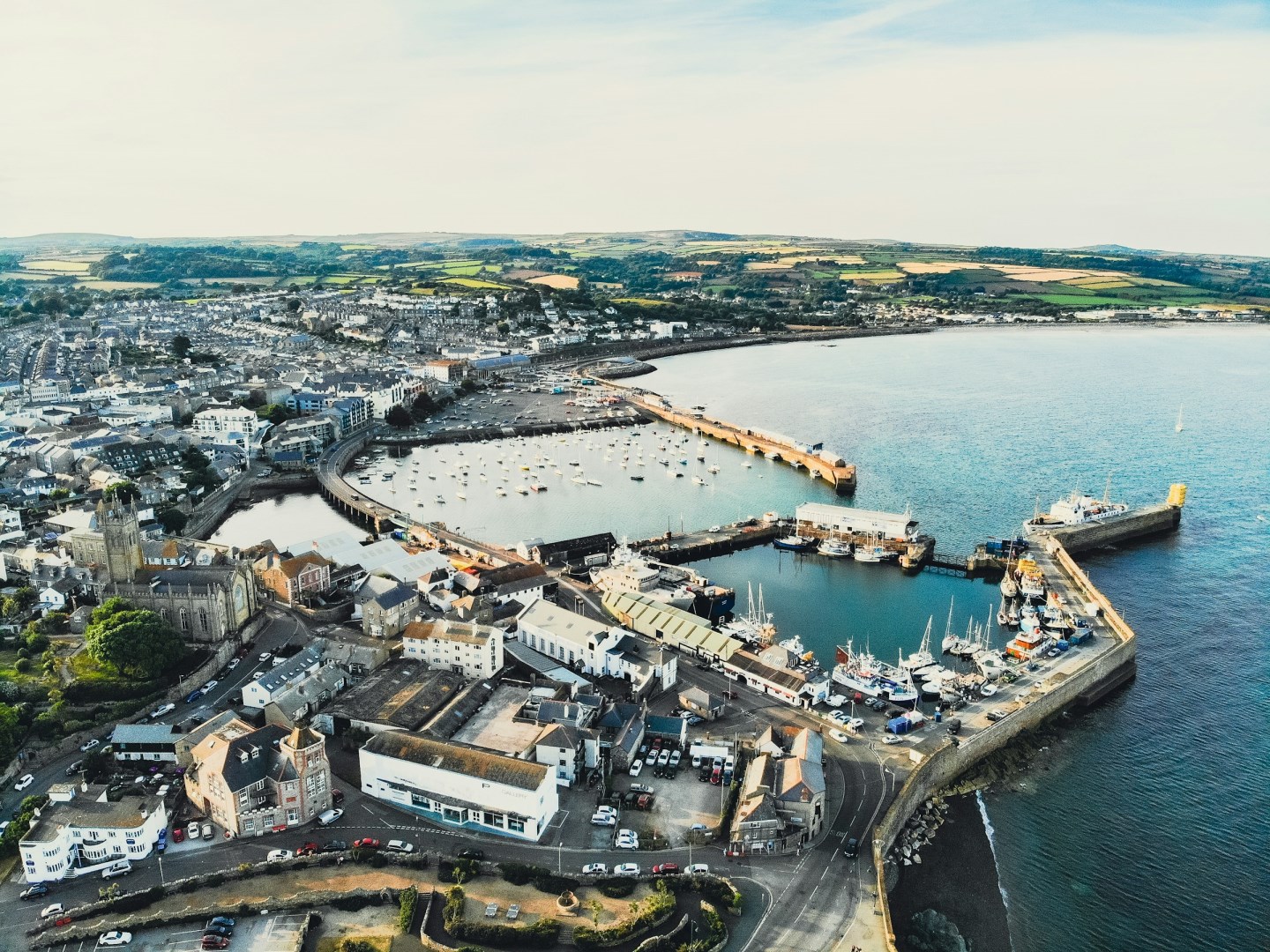
Penzance
This fishing port in southwestern England's county of Cornwall rests along the sheltered Mount's Bay and is blessed with a mild climate year-round, as evidenced by the subtropical plants in Morrab gardens. Near Penzance is the town of St.Ives, a quaint place with a reputation as an artist's colony.

Lake Como
Lake Como, nestled in the Lombardy region of northern Italy, offers a sublime retreat with its stunning landscapes and elegant charm. Renowned for its crescent shape and crystal-clear waters, Lake Como is framed by lush hills and dramatic mountain scenery. The lake's picturesque towns, such as Bellagio and Varenna, showcase charming cobblestone streets, historic villas, and lush gardens.
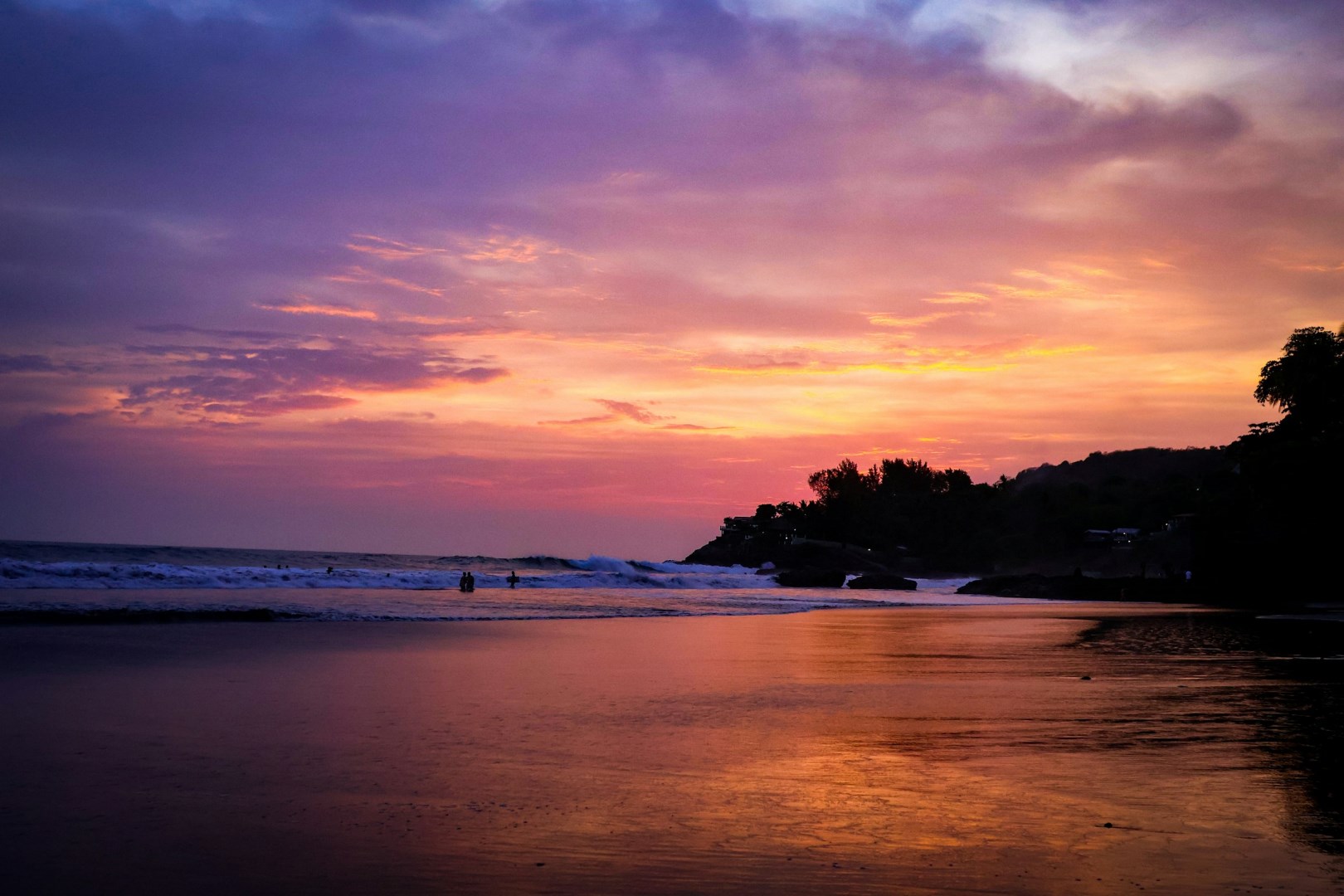
El Zonte
El Zonte is a small Pacific coastal community in the department of La Libertad, El Salvador, known for its surf beaches, rocky shoreline, and tropical setting. The village sits between low coastal hills and the Pacific Ocean, with a river flowing toward the beach and dividing sections of the shoreline. El Zonte has developed around surfing, small hotels, guesthouses, restaurants, and local businesses rather than large-scale coastal development.