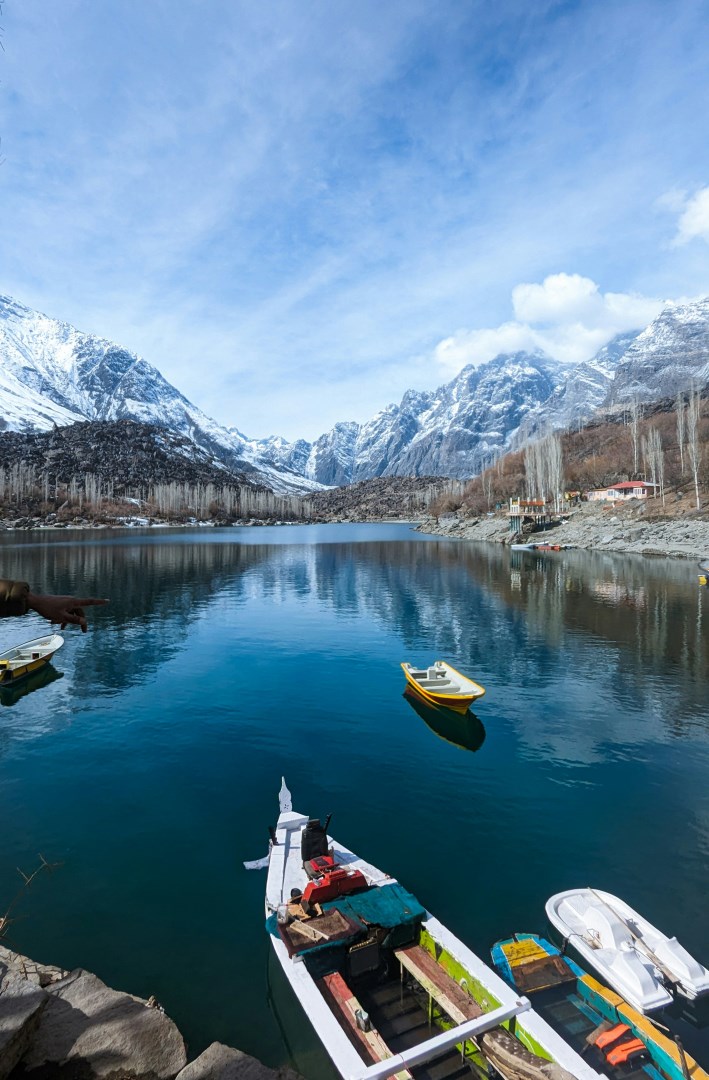
Skardu
Skardu is a mountain town in Gilgit-Baltistan, northern Pakistan, set in a broad valley near the confluence of the Indus and Shigar rivers. It serves as an important gateway to the Karakoram and to trekking and mountaineering routes leading toward K2, Gasherbrum, and other high peaks. The town is surrounded by starkly contrasting landscapes, including dry mountain slopes, fertile valleys, turquoise lakes, and high-altitude plains.
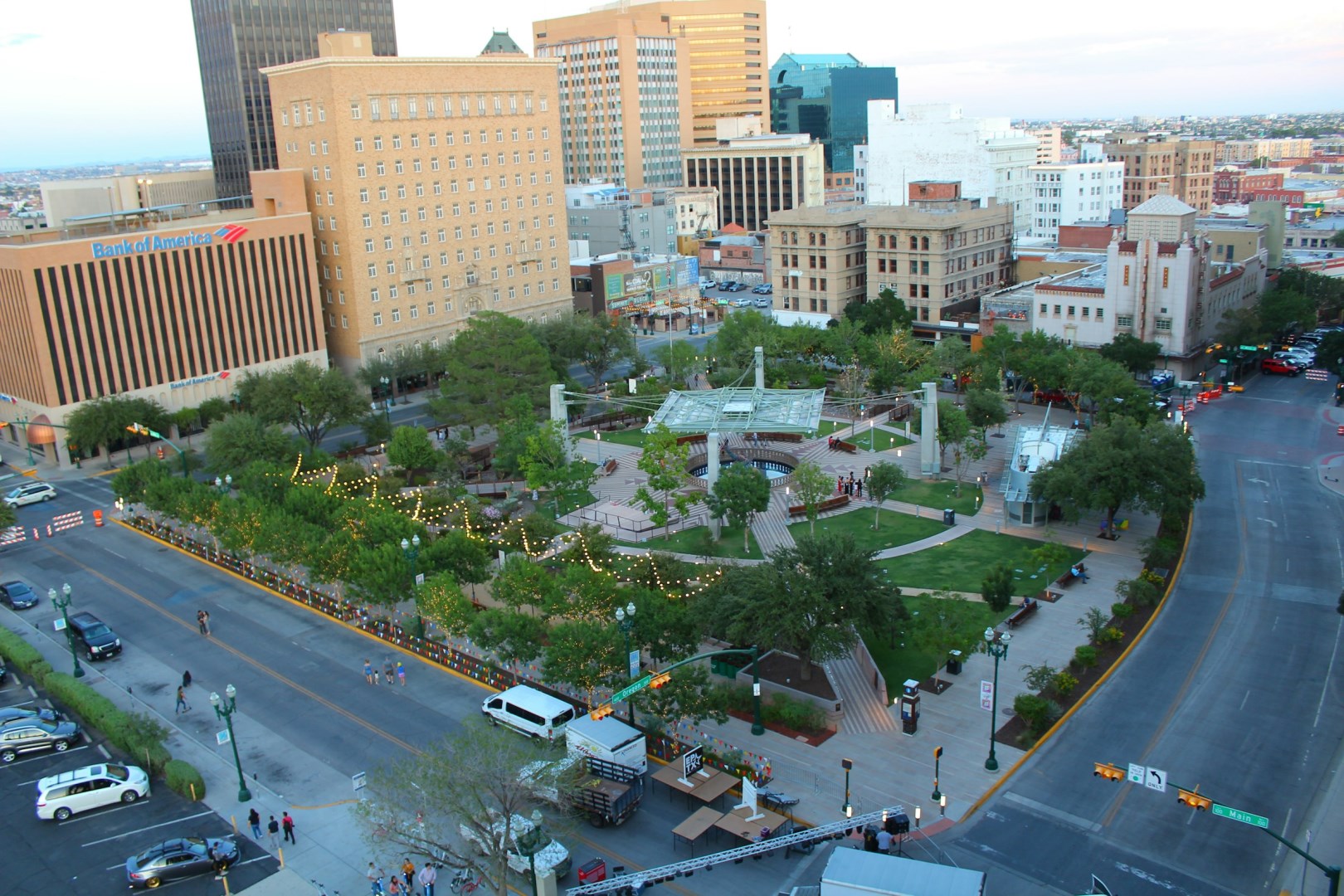
El Paso
El Paso, located in far western Texas along the Rio Grande, is a vibrant border city that blends American, Mexican, and Native American cultures. Its location at the meeting point of Texas, New Mexico, and Chihuahua, Mexico, has shaped a rich cultural tapestry, visible in its architecture, cuisine, and community traditions. El Paso’s history stretches from indigenous settlements to Spanish colonial influence, all of which contribute to the city’s unique identity.
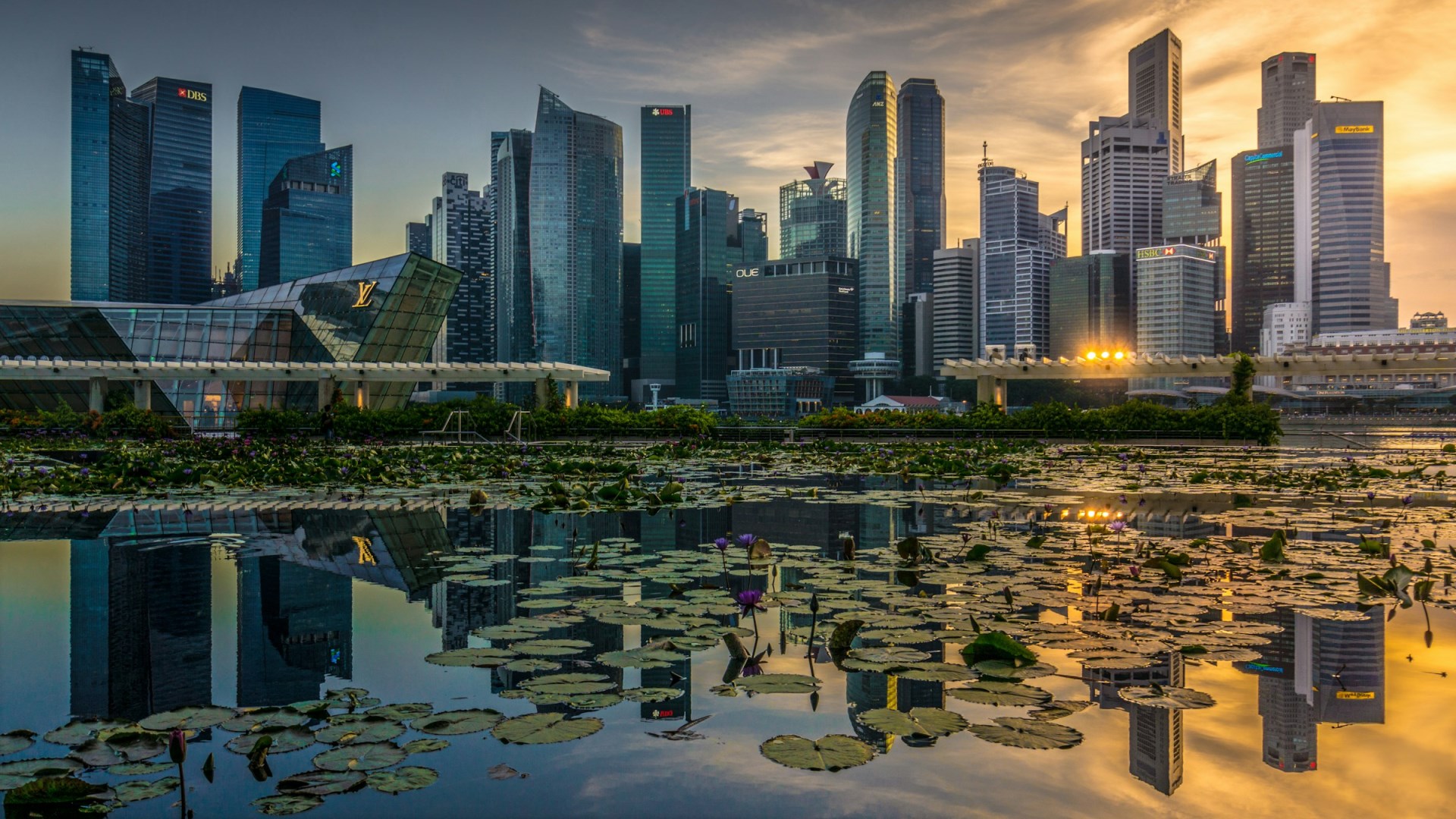
Singapore
Singapore, a sovereign city-state in Southeast Asia, is known for its blend of modern innovation, cultural diversity, and green urban planning. Its skyline features striking architecture such as Marina Bay Sands and the Supertree Grove at Gardens by the Bay, while its neighborhoods highlight cultural influences from Chinese, Malay, Indian, and Peranakan heritage. The city is also celebrated for its efficiency, safety, and status as a global financial hub.

Bulgaria
Bulgaria is a republic in southeastern Europe. The capital and largest city is Sofiya. Bulgarian culture has been influenced successively by Byzantine, Greek, Russian, and Western cultures.
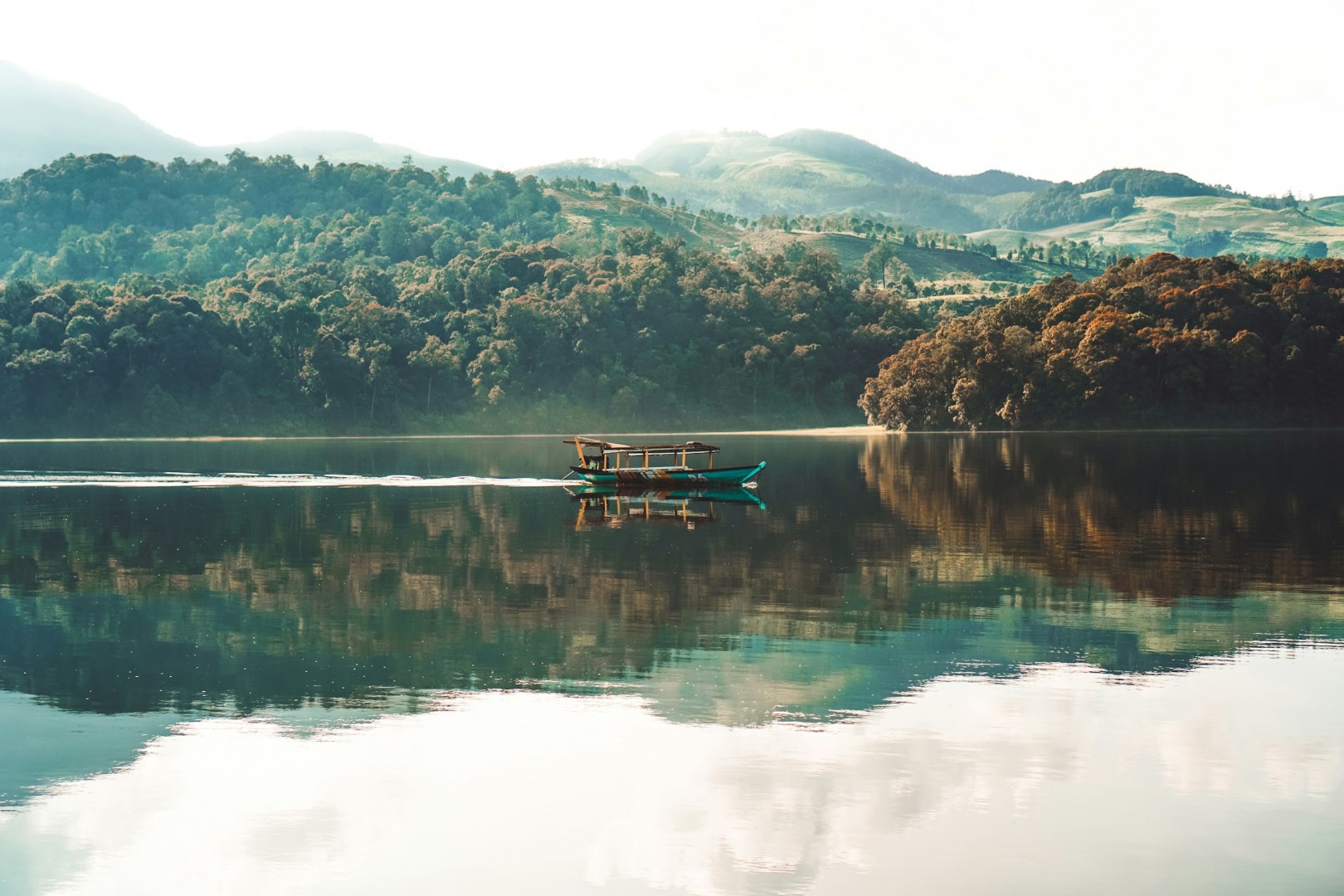
Bandung
Southeast of Jakarta in western Java, the city is a commercial center and a popular resort area with a moderate climate.