Sigiriya, in central Sri Lanka, is an ancient rock fortress and one of the country’s most iconic archaeological sites. Rising nearly 200 meters from the surrounding plains, the massive granite column is crowned by the ruins of a royal palace built in the 5th century CE by King Kasyapa.
Polonnaruwa, located in Sri Lanka’s North Central Province, served as the island’s capital nearly a thousand years ago. Today, it offers one of the most extensive and well-preserved archaeological sites in South Asia. Visitors can walk among the ruins of royal palaces, Buddhist monasteries, and intricately carved stone temples. One of the highlights of Polonnaruwa is the Gal Vihara, a group of colossal Buddha statues carved directly into granite.
New Orleans is unlike any other city in the United States. Founded in 1718, it carries layers of French, Spanish, African, and Caribbean influence that can be felt in everything from its architecture to its street music. The French Quarter, the oldest neighborhood in the city, is full of iron-laced balconies, gas lamps, and narrow streets that echo with the sounds of live jazz.
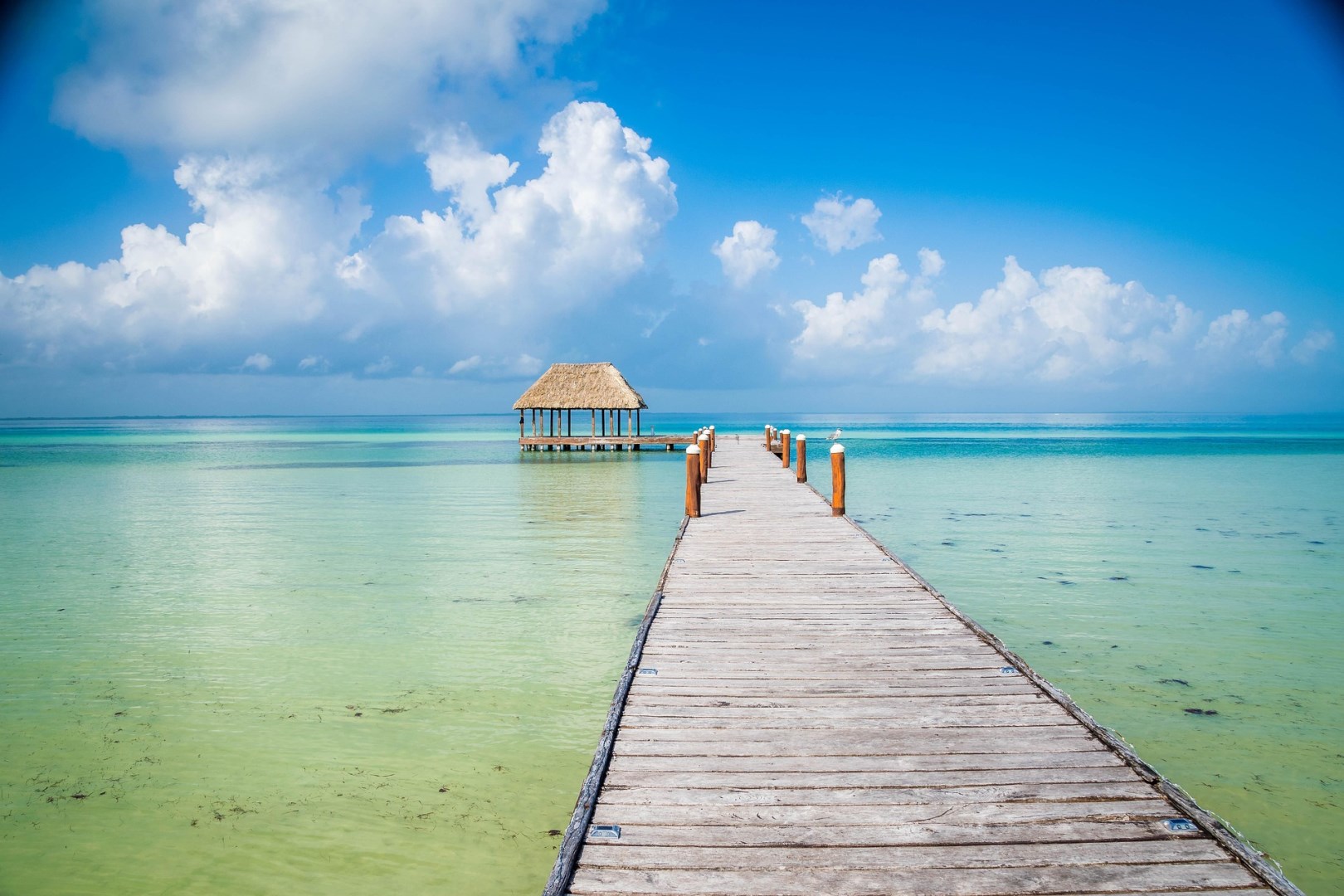
Leros Island, Greece, rests quietly in the Aegean Sea, offering a combination of sun-drenched beaches and historical landmarks that invite exploration. The main town, Agia Marina, spreads along a natural harbor, where fishing boats and small yachts sway gently against the backdrop of colorful houses climbing the hillside. Winding streets reveal a mix of architecture, from traditional whitewashed homes to neoclassical buildings.
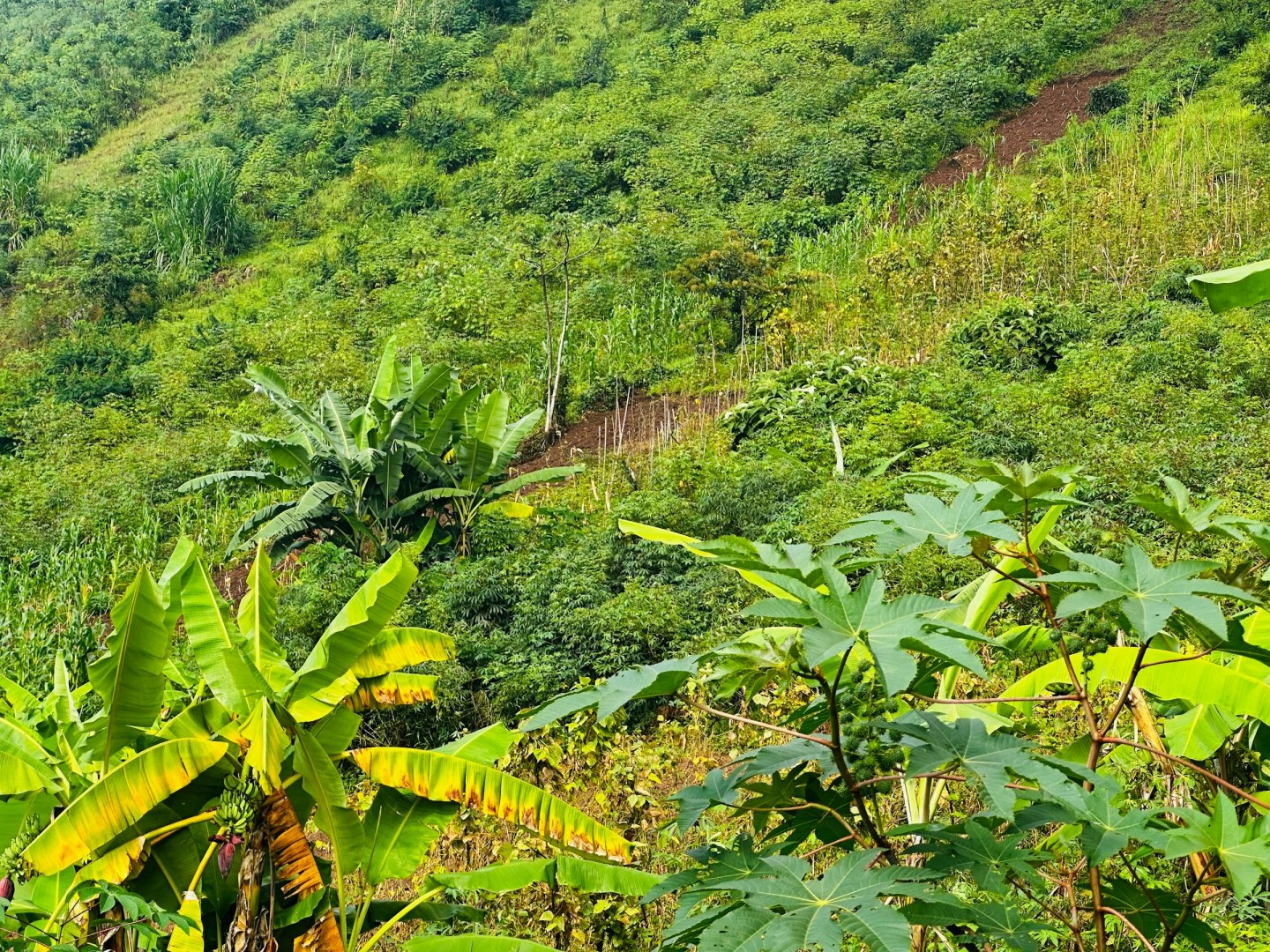
Guanacaste is a province on the western coast of Costa Rica in Central America. A biodiverse paradise, this region is popular for its tropical rainforests, beaches, and a variety of adventurous activities, including ziplining and snorkeling.
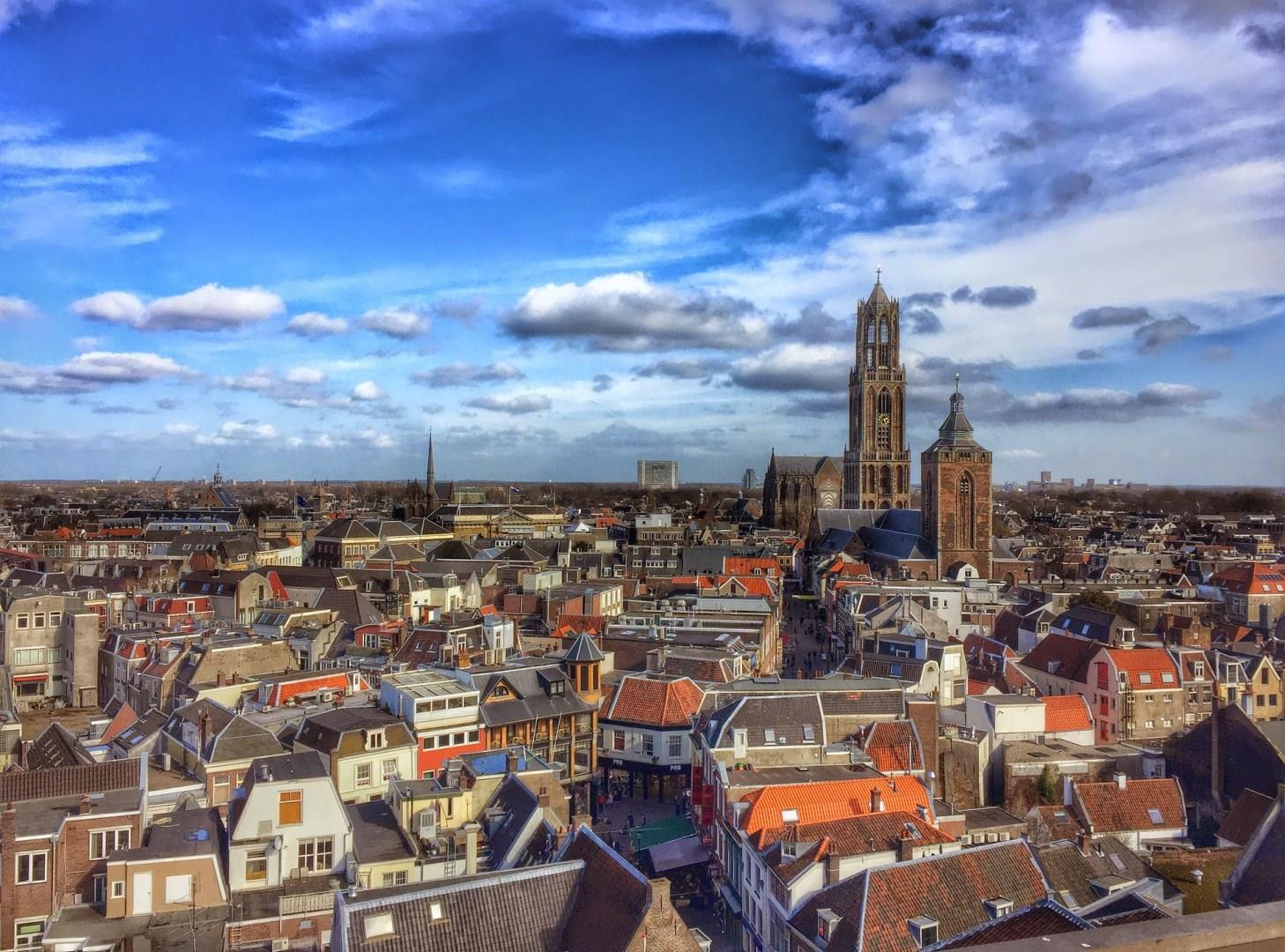
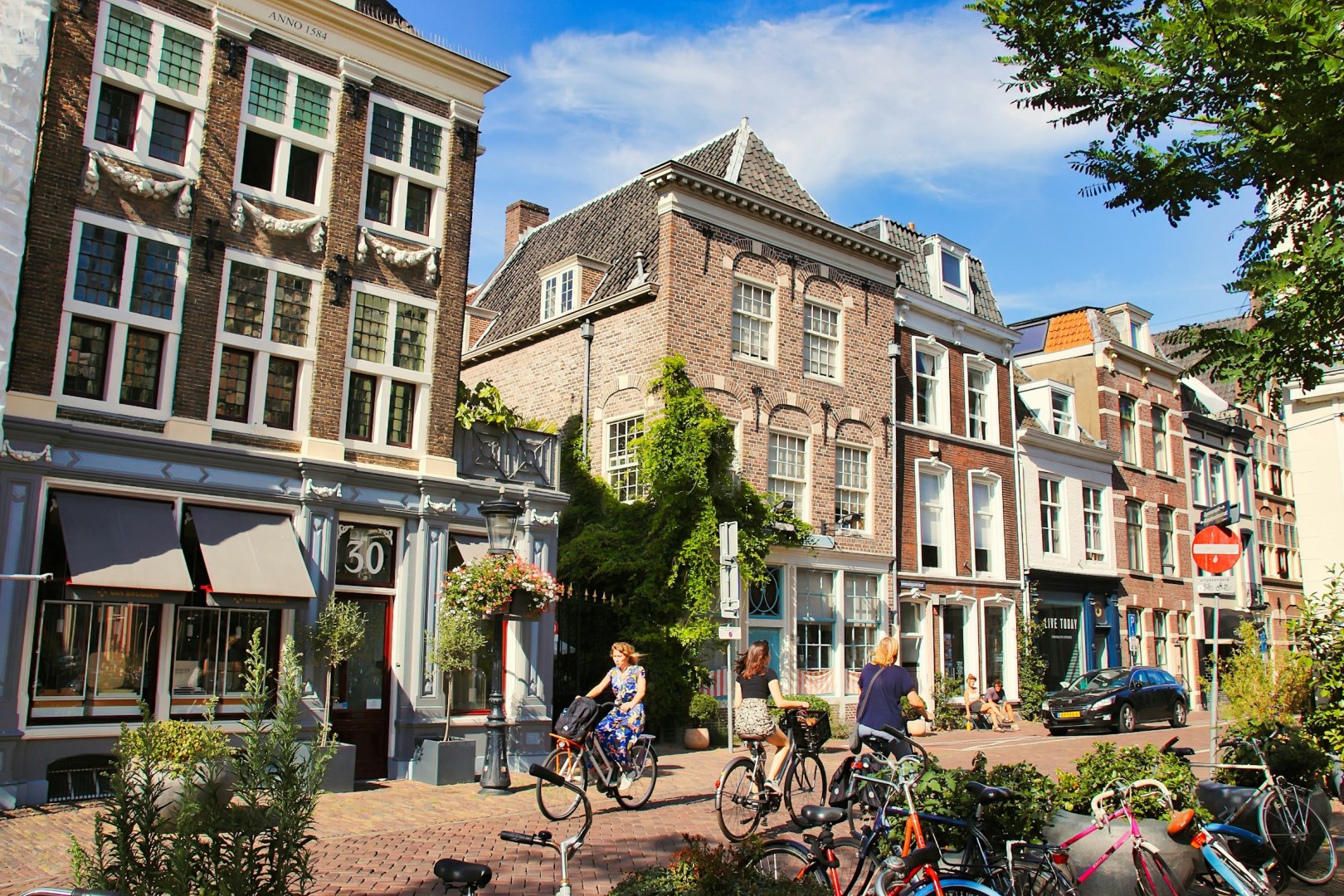
Utrecht, a charming city in the Netherlands, offers a captivating blend of history, culture, and modern vibrancy. Dominated by its striking Dom Tower, the tallest church tower in the Netherlands, Utrecht invites visitors to climb its 465 steps for panoramic views of the city and the surrounding countryside. This iconic landmark, part of the Dom Church, is a remnant of the medieval era, reflecting Utrecht’s rich historical tapestry.
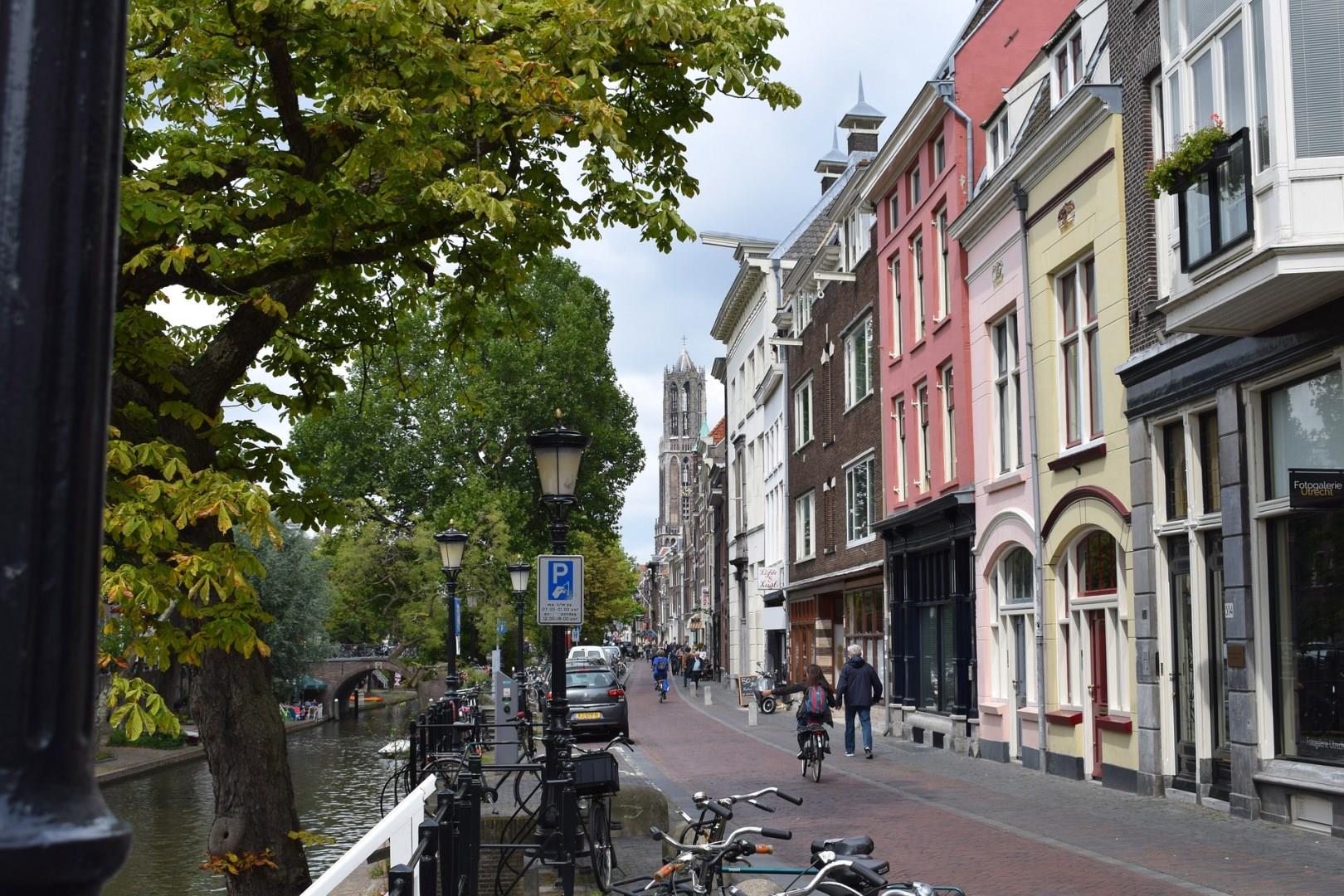
The city’s picturesque canals, lined with unique wharfs and charming cafes, create an enchanting atmosphere. Utrecht’s Old Canal, with its distinctive lower-level quays, is a favorite spot for a leisurely stroll or a boat tour. The canals are a remnant of the city's medieval waterway system and provide a scenic backdrop for exploring Utrecht’s vibrant neighborhoods.
Culture enthusiasts will appreciate Utrecht’s diverse museums and galleries. The Centraal Museum showcases a wide range of exhibits from contemporary art to historic artifacts, including works by the famed Utrecht Caravaggisti. Additionally, the Rietveld Schröder House, a UNESCO World Heritage Site, offers a glimpse into the innovative De Stijl movement with its groundbreaking architecture and design.
For an optimal visit, consider coming in spring or early autumn when the weather is mild and the city’s cultural events are in full swing.