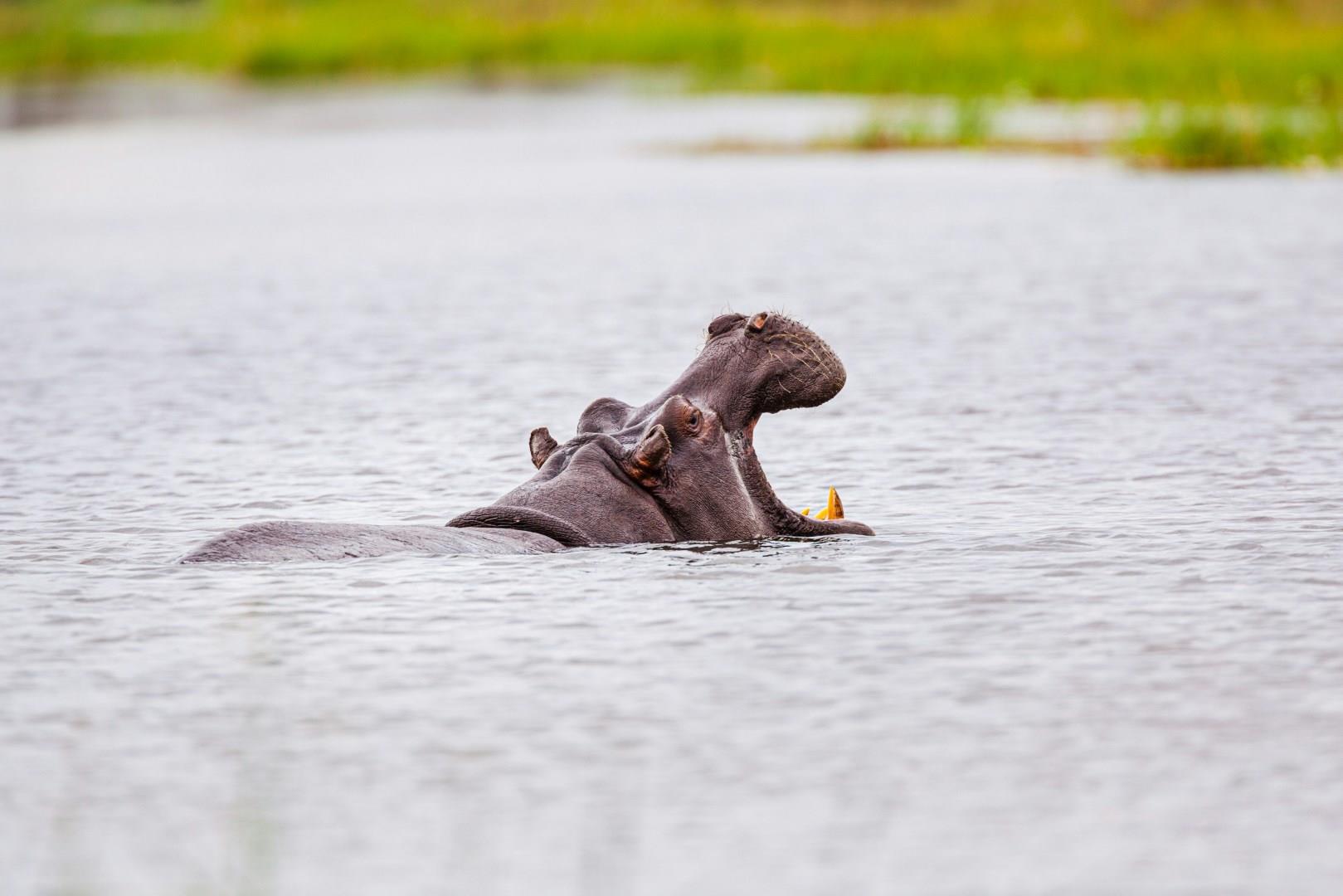
Moremi Wildlife Reserve
Moremi Wildlife Reserve, nestled in the heart of Botswana’s Okavango Delta, is a premier destination for those seeking an extraordinary safari experience. This pristine reserve, established in 1963, offers a rich tapestry of landscapes including lush floodplains, verdant woodlands, and expansive lagoons. Its diverse ecosystems make it one of Africa's most sought-after wildlife viewing locations.

Val Gardena
Val Gardena, nestled in the heart of the Italian Dolomites, is a paradise for outdoor enthusiasts and a hidden gem for travelers seeking alpine beauty. This stunning valley is part of the UNESCO World Heritage-listed Dolomites, renowned for its dramatic mountain landscapes, lush meadows, and charming villages. Whether you're visiting in the summer for hiking and mountain biking or in the winter for world-class skiing, Val Gardena offers year-round adventure paired with breathtaking scenery.

Bimini Islands
The Bimini Islands, the westernmost point of the Bahamas, are a tiny chain of islands steeped in history, legend, and natural wonder. Bimini has long been celebrated as the “Gateway to the Bahamas,” blending fishing traditions, maritime lore, and a laid-back island culture.
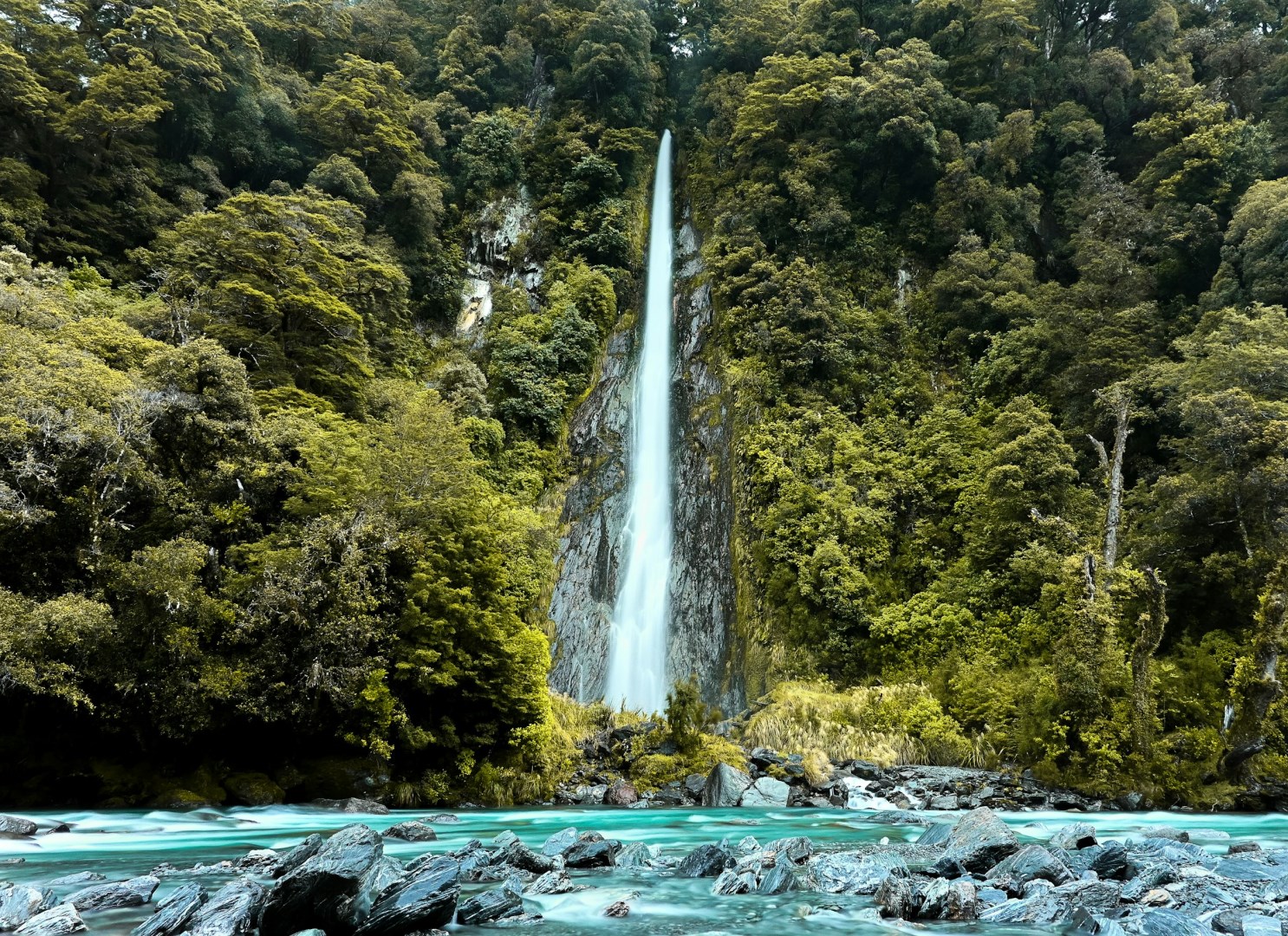
Mount Aspiring National Park
Mount Aspiring National Park occupies a large section of the Southern Alps in New Zealand’s South Island, extending across remote mountain country between Wānaka, Glenorchy, and the Haast Pass area. Covering more than 350,000 hectares, the park contains high peaks, glacial valleys, rivers, forests, alpine lakes, and extensive wilderness.

Zanzibar
Zanzibar Island, off the coast of Tanzania, is a captivating destination where history and natural beauty converge. The island’s Stone Town, a UNESCO World Heritage Site, is a maze of narrow alleys, vibrant markets, and historical buildings. Wander through the bustling Darajani Market, where local spices, textiles, and crafts create a sensory feast.