Bibury
Bibury, often described as one of the most beautiful villages in England, is a must-visit destination in the heart of the Cotswolds. The village is famous for its idyllic setting along the River Coln and its stunning stone cottages that date back to the 17th century. Chief among these is Arlington Row, a series of picturesque weavers’ cottages that have become one of the most photographed spots in England.

Kansas City
Kansas City is a major city in western Missouri, located where the Missouri and Kansas rivers meet near the Kansas state line. Its landscape includes rolling hills, broad river valleys, wooded parks, and a network of distinctive neighborhoods. The city developed as a transportation and commercial center, with railroads, livestock markets, manufacturing, and river trade shaping its growth.
Coober Pedy
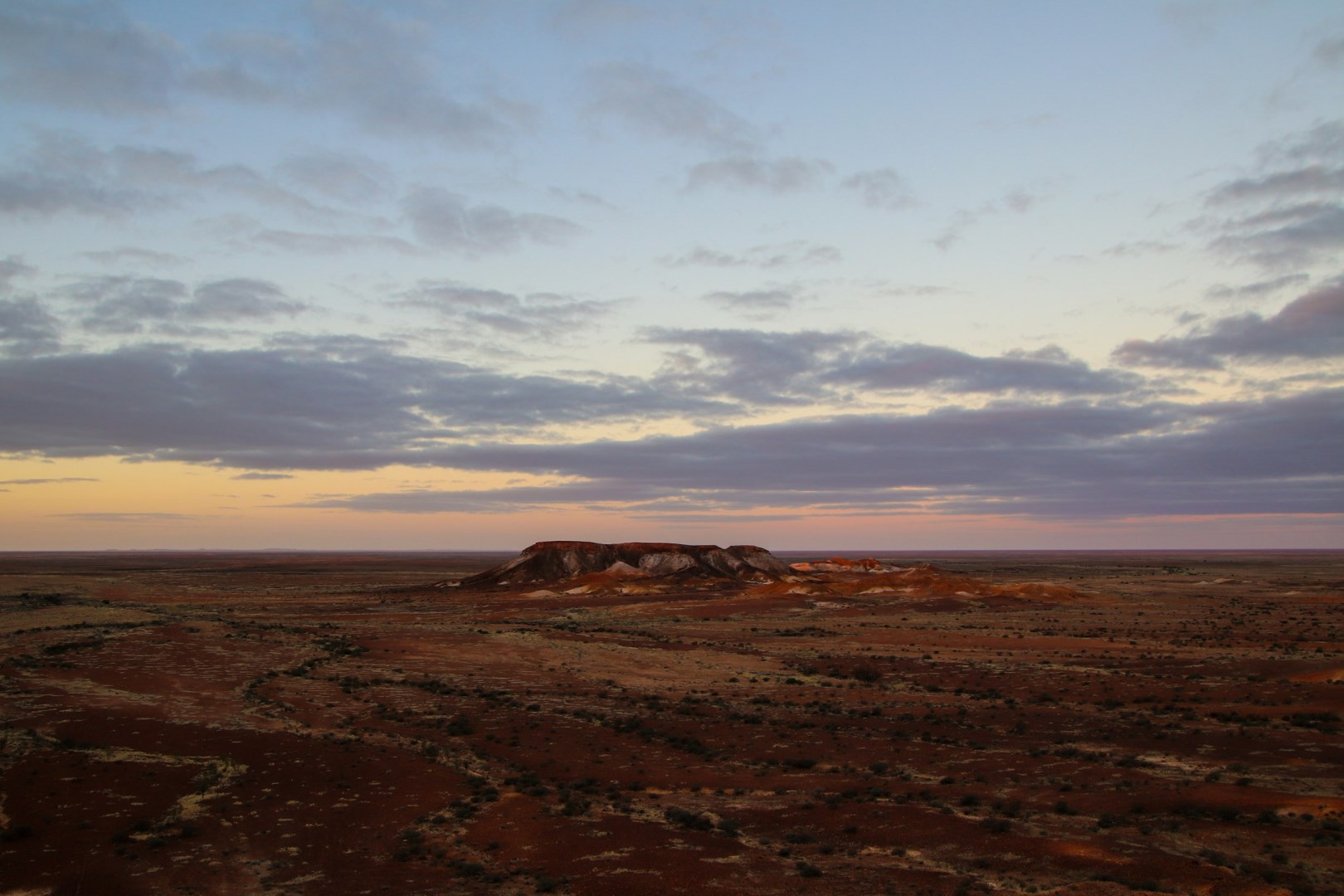
Located in the Southern Territory. Coober Pedy is known as the opal capital of the world, with many opal caves.
Upolu
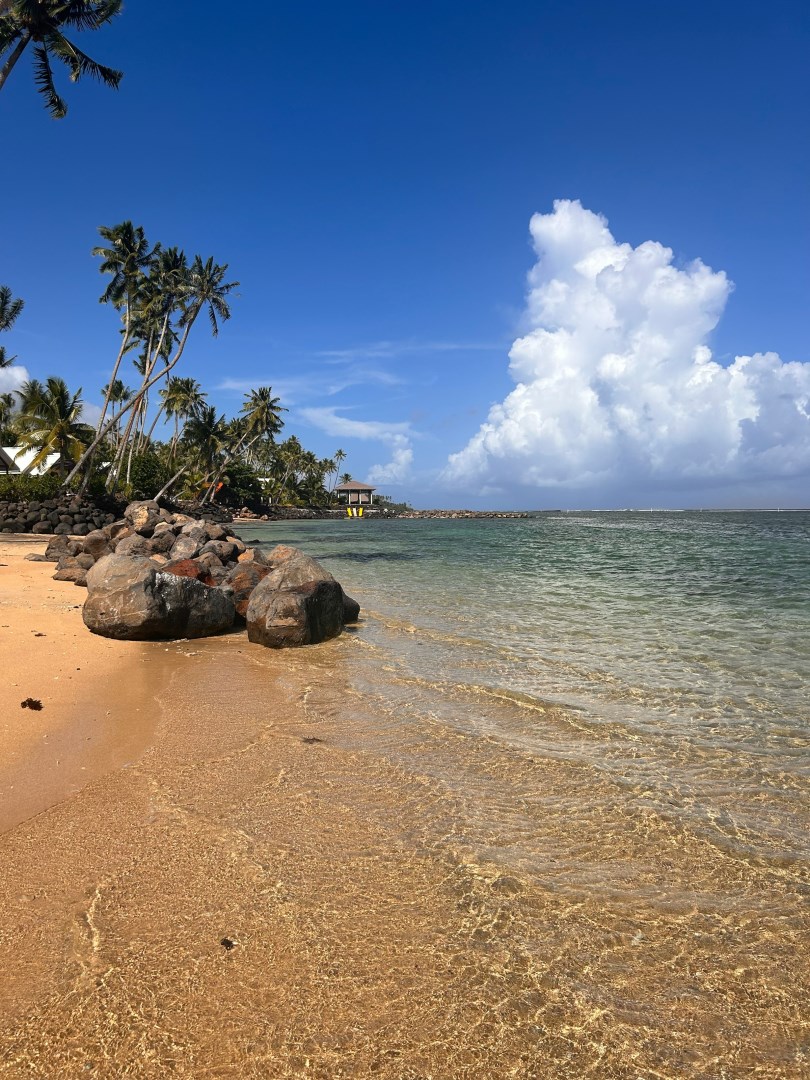
Upolu is the more populated of Samoa’s two main islands and is home to Apia, the country’s capital and principal urban center. The island stretches from volcanic mountains in the interior to a deeply indented coastline of bays, beaches, and coral reefs. Lush vegetation covers much of the landscape, with villages, plantations, and gardens occupying the lower slopes and coastal areas.

San Pedro De Atacama
San Pedro de Atacama, a small town in northern Chile, sits at over 2,400 meters above sea level in one of the most geologically diverse areas on Earth. Surrounded by volcanoes, salt flats, geysers, and ancient lava flows, it has long served as a gateway to the Atacama Desert. This desert is the driest non-polar place in the world, where some weather stations have never recorded rainfall.