Bakersfield
Bakersfield, located in the southern part of California’s Central Valley, is a city known for its agricultural significance, oil industry heritage, and vibrant cultural scene. Positioned at the junction of the Sierra Nevada and the San Joaquin Valley, Bakersfield offers a mix of urban amenities and easy access to California’s diverse landscapes.
Sandakan Sabah
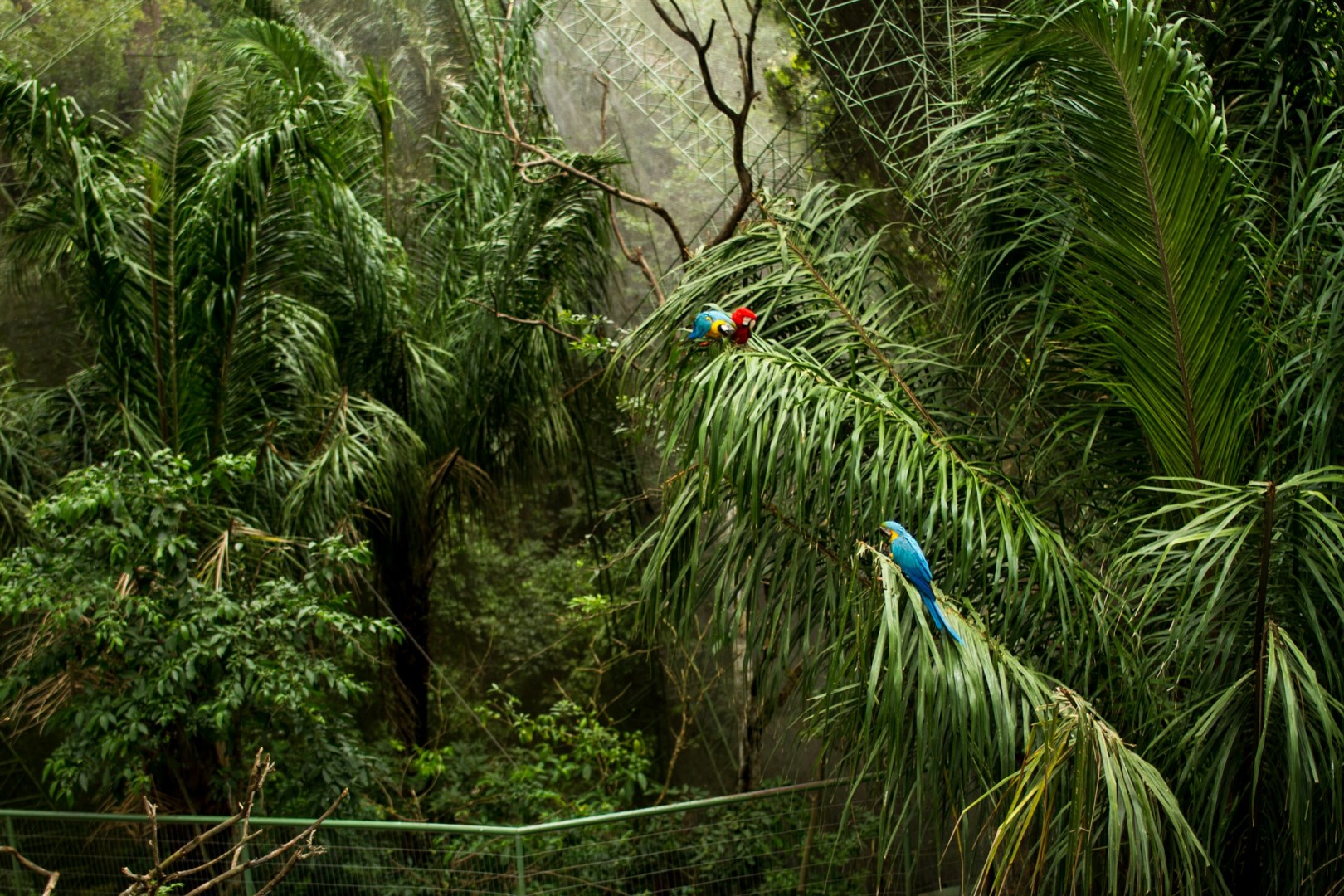
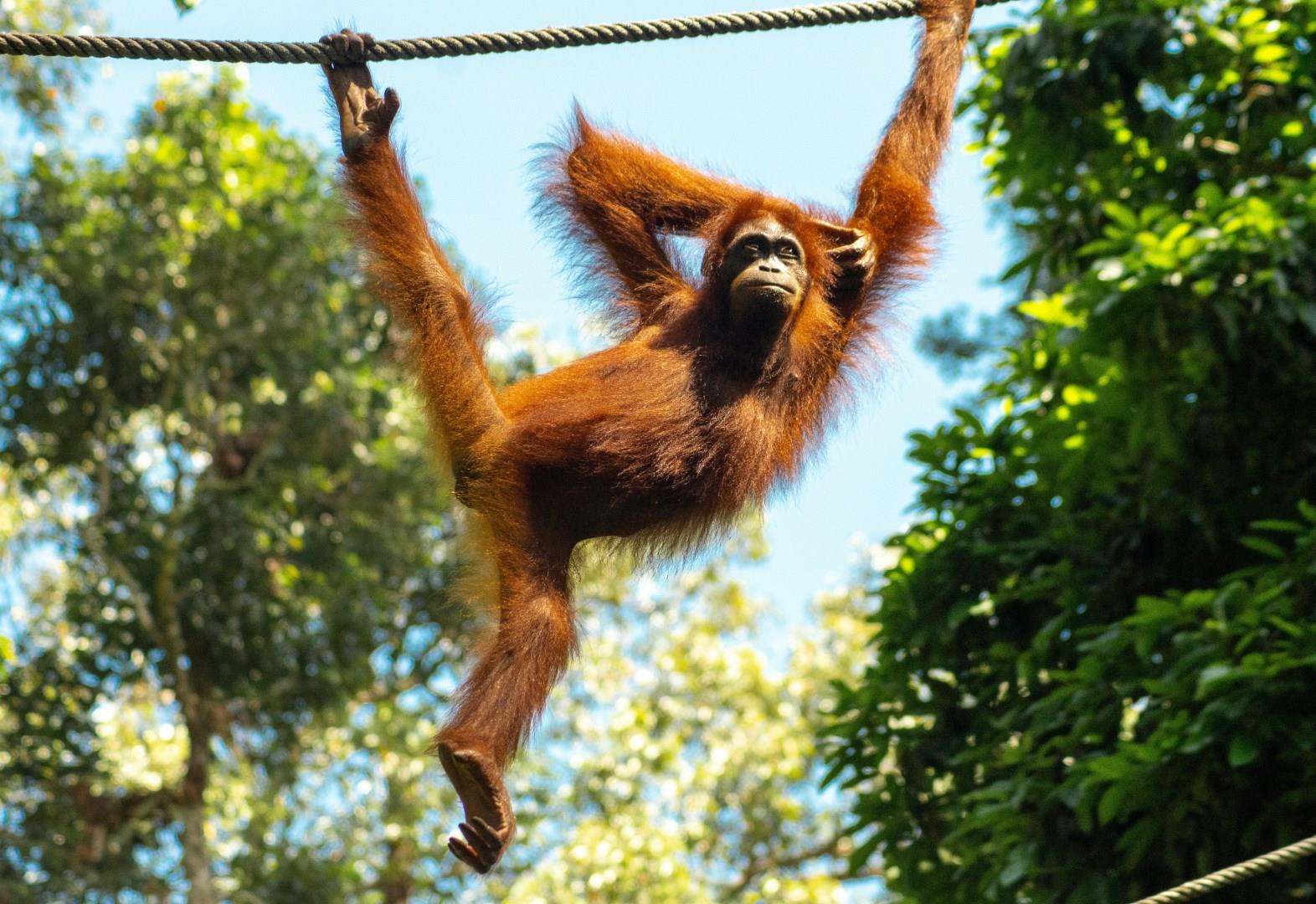
Sandakan, on the northeast coast of Sabah in Malaysian Borneo, is a city where history, wildlife, and culture come together. Once a major trading port known as “Little Hong Kong” for its bustling connections to the wider world, Sandakan has retained its multicultural character, with influences from Chinese, Malay, and Indigenous communities visible in its temples, markets, and cuisine.
Orange Walk
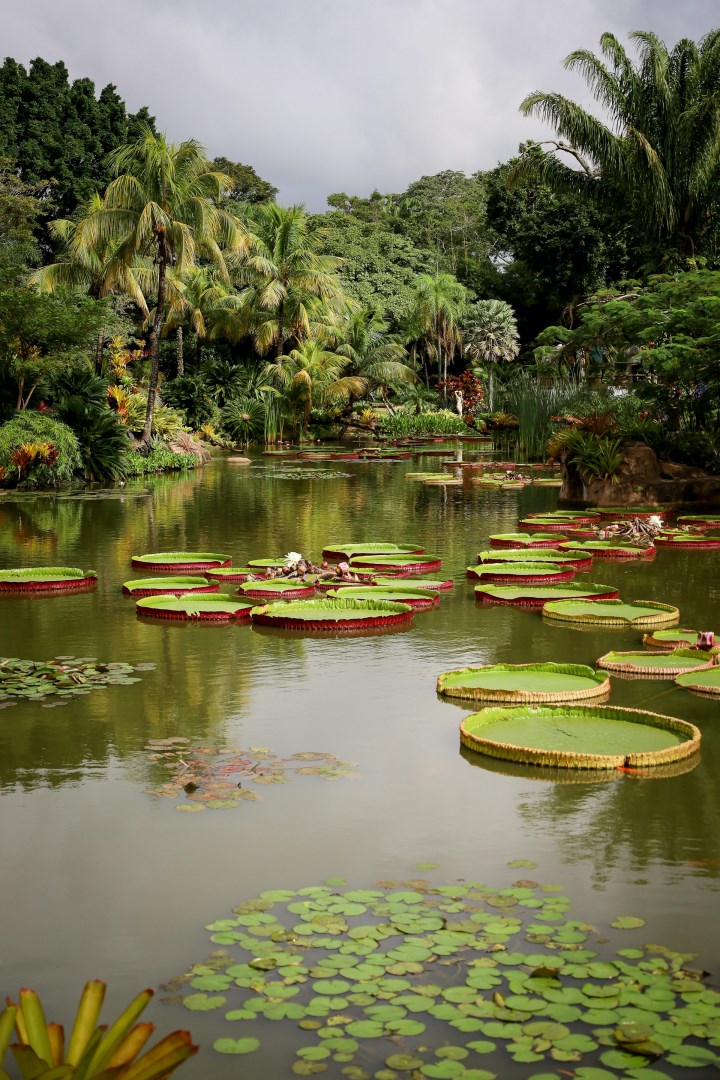
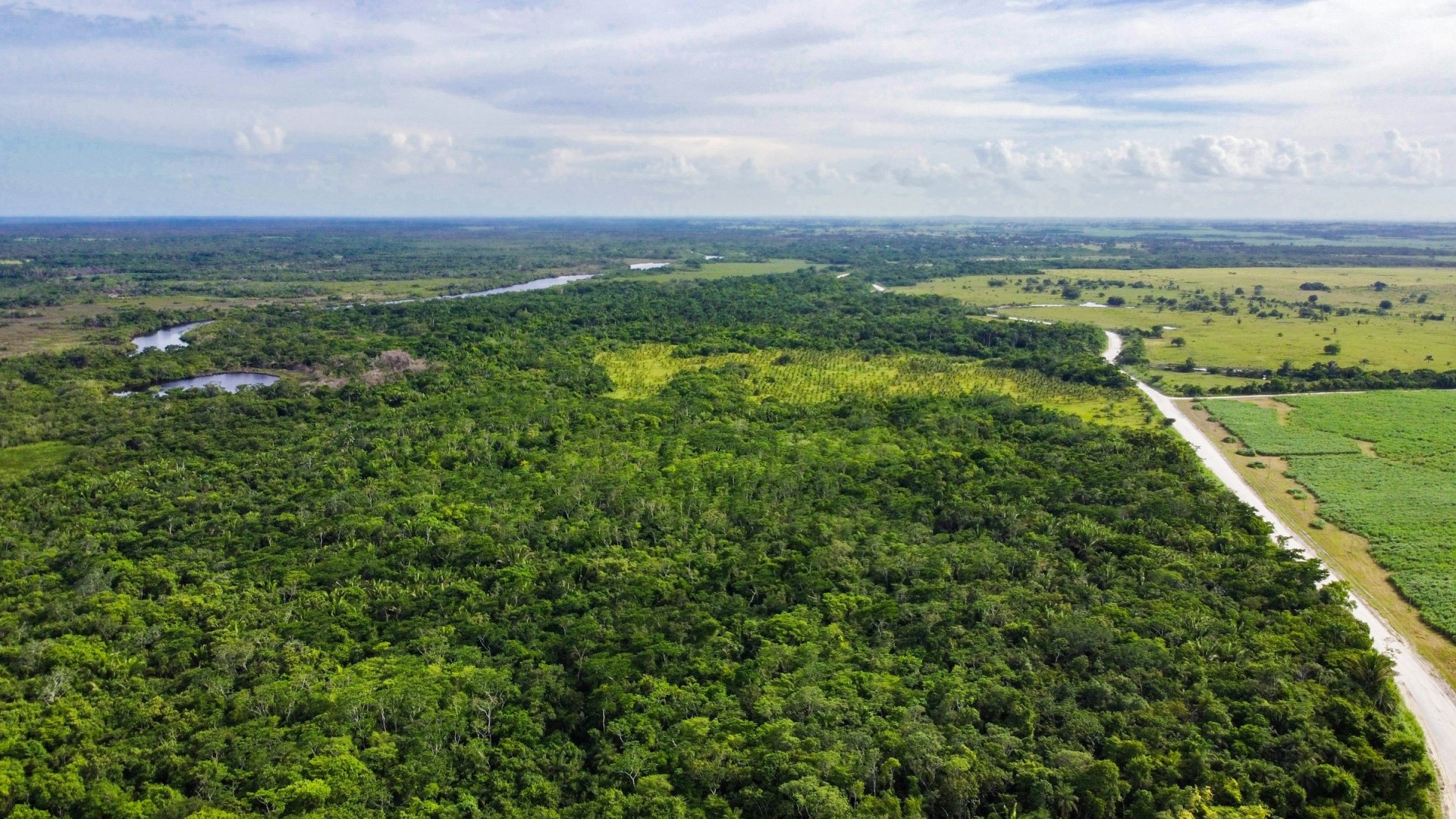
Orange Walk is a town in northern Belize situated along the New River and surrounded by agricultural land. Often associated with sugarcane production, it serves as the main center of Orange Walk District and provides a useful base for exploring northern Belize. The river is an important feature of the area, connecting the town with wetlands, forests, and the archaeological site of Lamanai.
Milos
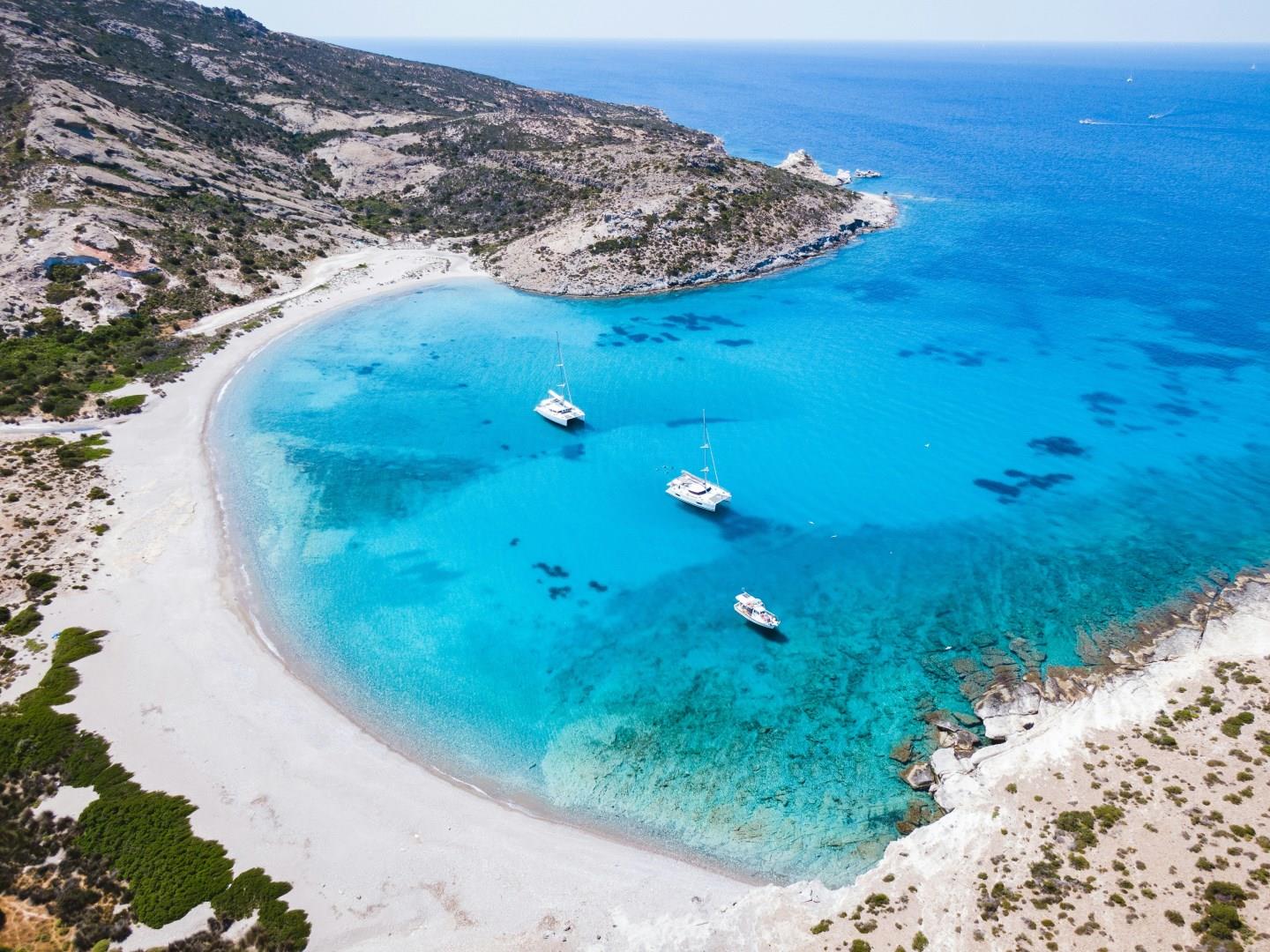
Milos is one of the most striking islands in the Aegean Sea, known for its otherworldly landscapes, turquoise coves, and centuries-old history. Shaped like a horseshoe, the island was formed by volcanic activity which left behind dramatic cliffs and hidden beaches carved from soft white rock. Visitors often find their first glimpse of Milos unforgettable, especially at Sarakiniko Beach where smooth, chalk-white formations contrast with the vivid blue water.
Kumasi
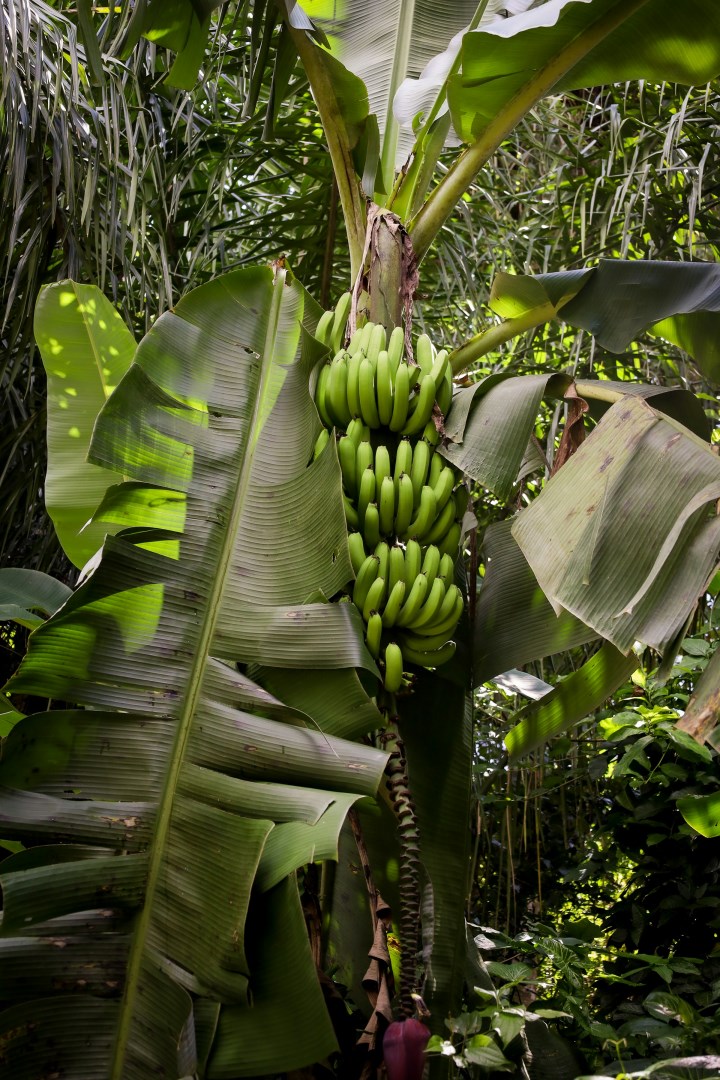
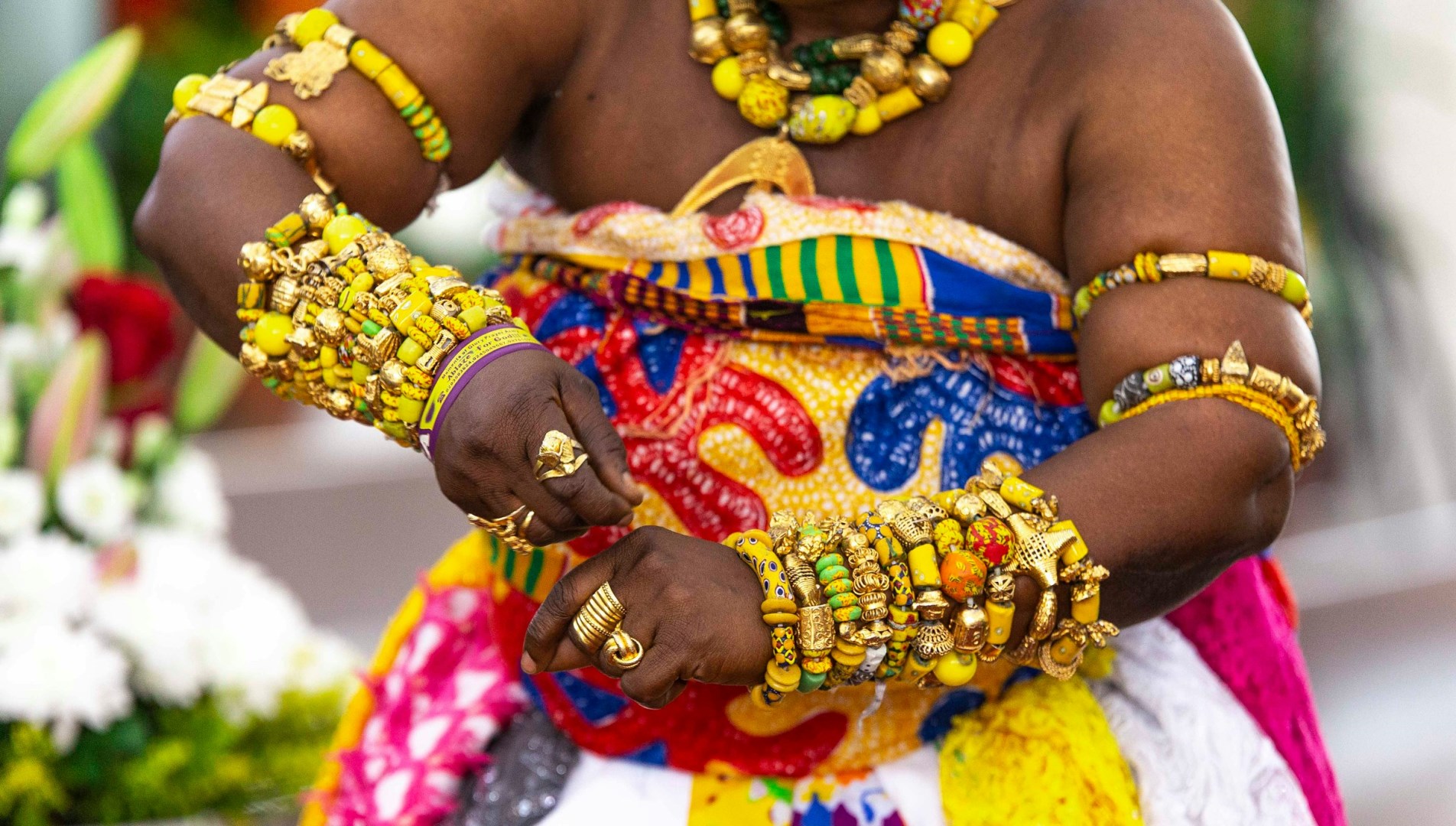
Kumasi is the capital of Ghana’s Ashanti Region and one of the country’s main cultural centers. Often called “Oseikrom” by locals, the city is closely connected to the traditions of the Ashanti Kingdom and remains an important place for trade, ceremonies, and craftsmanship.