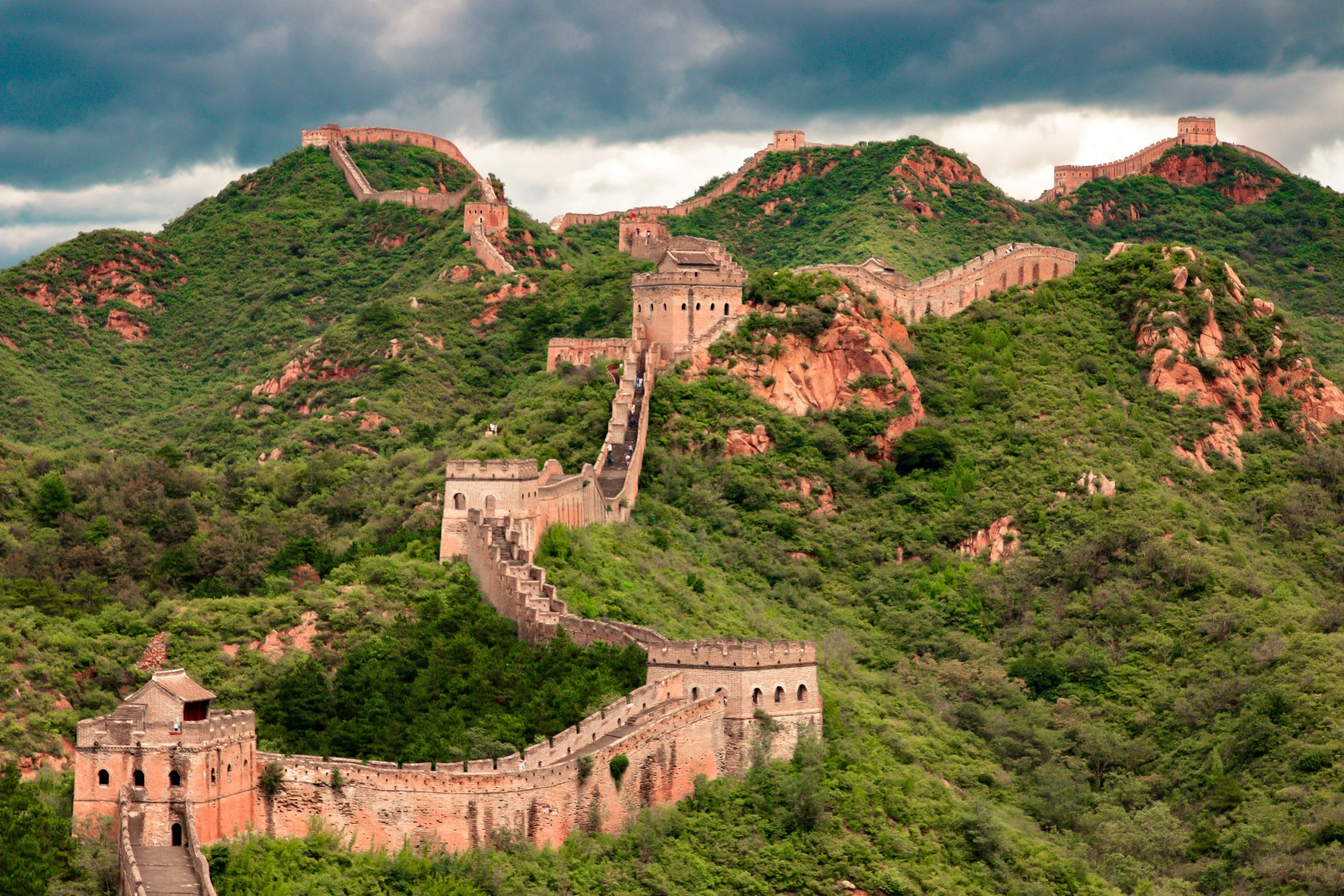
Great Wall
The Great Wall of China stretches across mountains, deserts, and grasslands, forming one of the most striking man-made landmarks in the world. Rather than a single continuous wall, it is a network of sections built with stone, brick, and packed earth, each shaped by the landscape it crosses. In areas near Beijing, such as Mutianyu, the wall winds along forested ridges, offering sweeping views that change with the seasons.
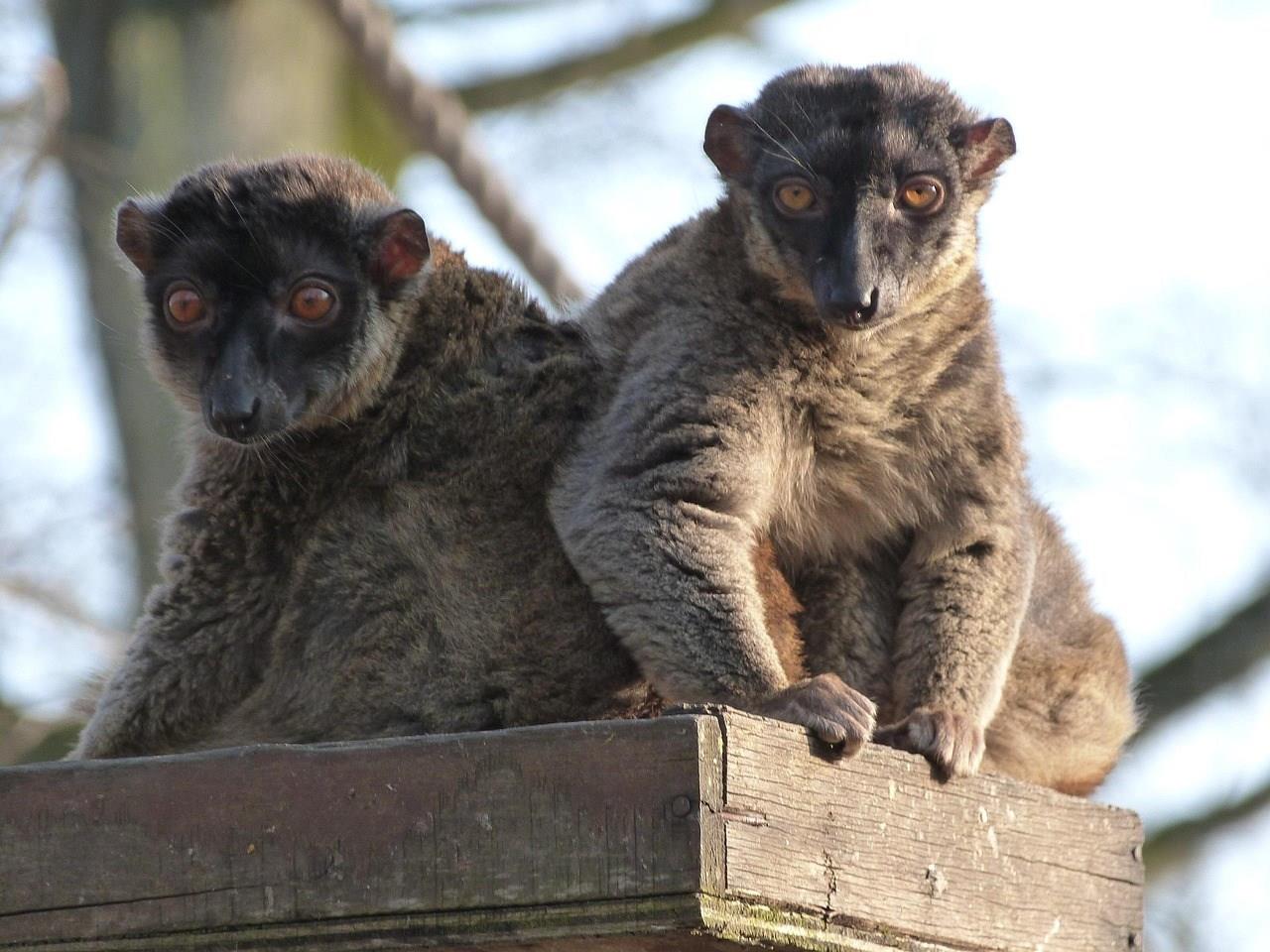
Mayotte
Mayotte, a French overseas department nestled in the Mozambique Channel between Madagascar and mainland Africa, offers travelers a window into a lesser-known island culture shaped by Swahili, Malagasy, and French influences. Unlike its neighbors in the Comoros archipelago, Mayotte remains part of France, giving it a unique blend of European infrastructure and Indian Ocean traditions.
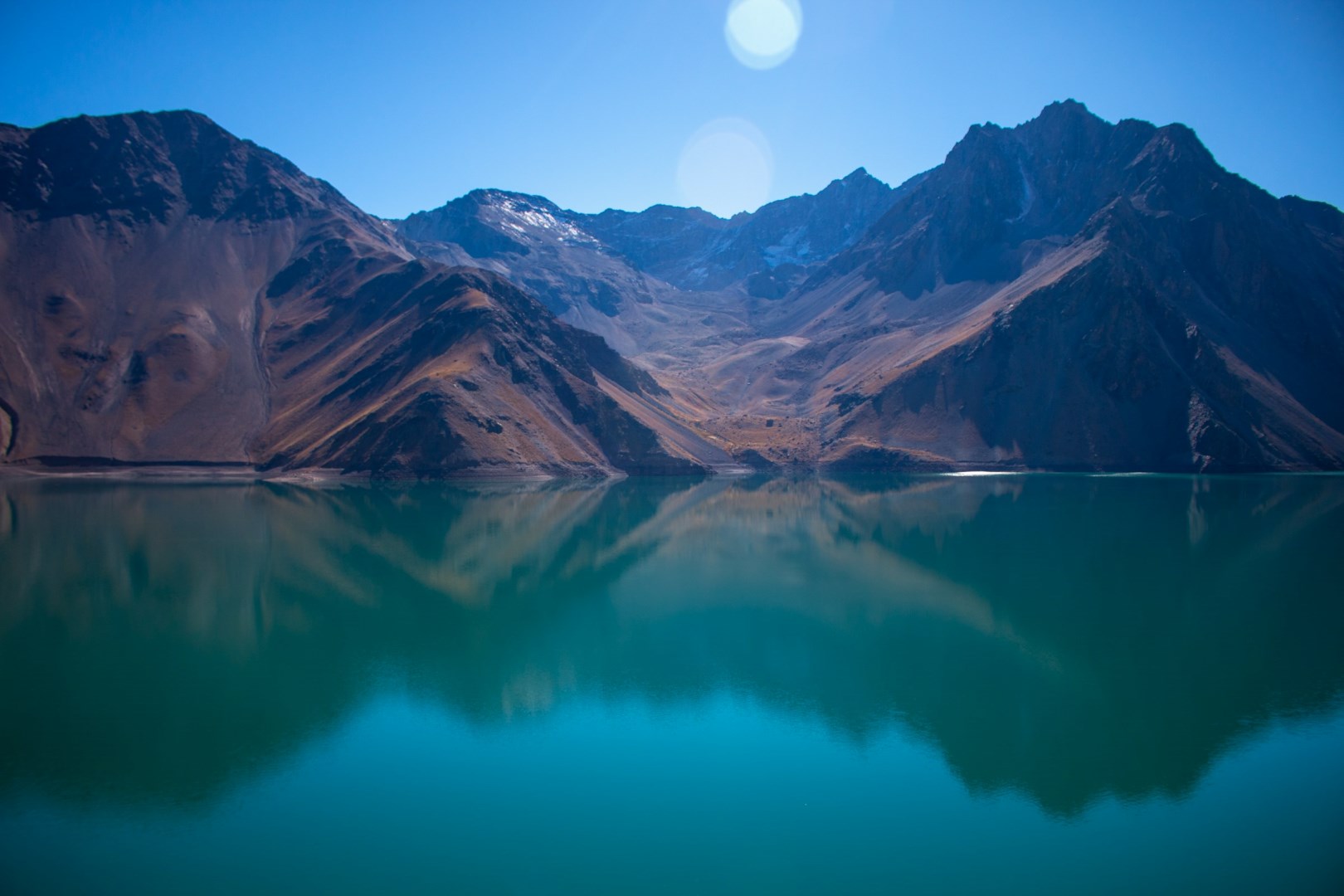
Maipo
Maipo is a rural area south of Santiago in Chile's Metropolitan Region, centered on the Maipo River and the agricultural communities of the Maipo Valley. The landscape combines vineyards, orchards, farmland, and foothills that rise toward the Andes. The area is particularly associated with wine production, especially Cabernet Sauvignon and other red varieties grown in the valley's warm, dry climate.
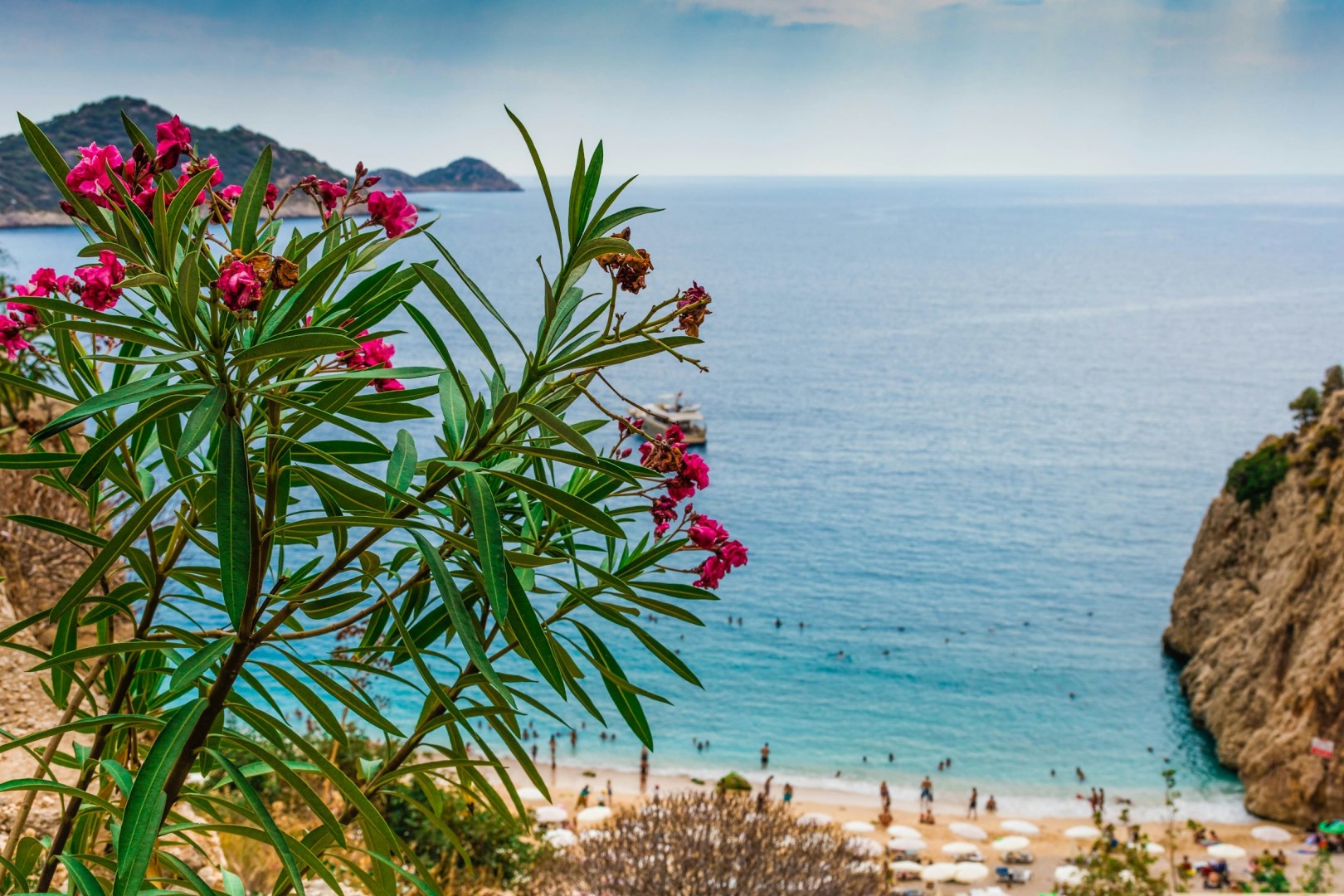
Kalkan
A lovely small hilltop town that overlooks a tiny bay. Narrow, winding streets lined with souvenir shops lead down to the charming marina.
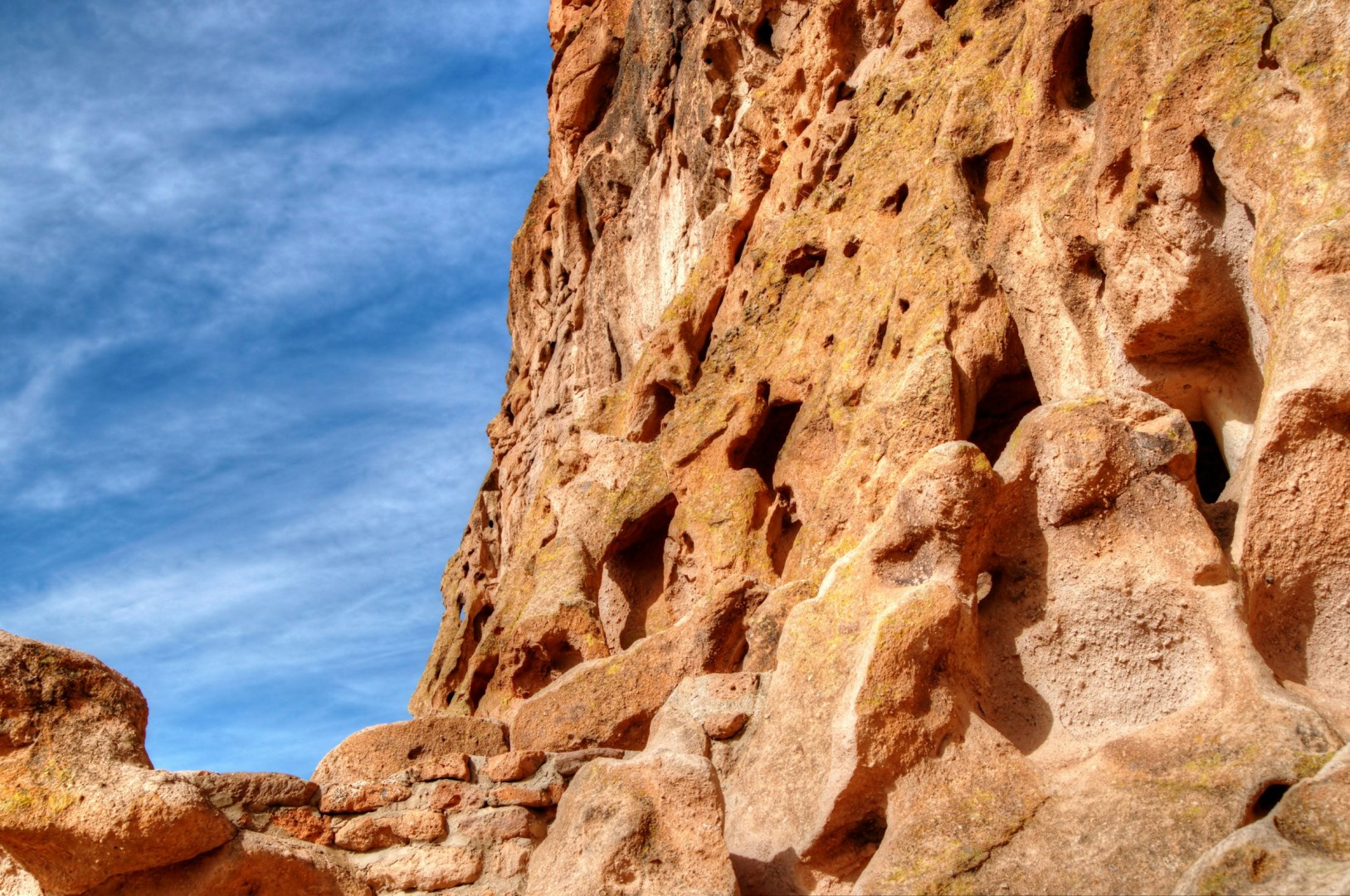
Bandelier National Monument
Bandelier National Monument lies in northern New Mexico near Los Alamos, protecting a rugged landscape of canyons, volcanic cliffs, mesas, and forested slopes. The monument is especially known for its ancestral Pueblo dwellings carved into soft volcanic tuff, including rooms, cavates, and ceremonial structures that remain visible along the canyon walls. Frijoles Canyon forms the main visitor area, with trails leading through archaeological sites and wooded terrain.