Iguassu Falls
Iguassu Falls, straddling the border between Brazil and Argentina, is a breathtaking natural wonder that captivates visitors with its sheer scale and beauty. This UNESCO World Heritage Site boasts the largest waterfall system in the world, with nearly 275 individual falls cascading over a rugged landscape.
Erg Chebbi
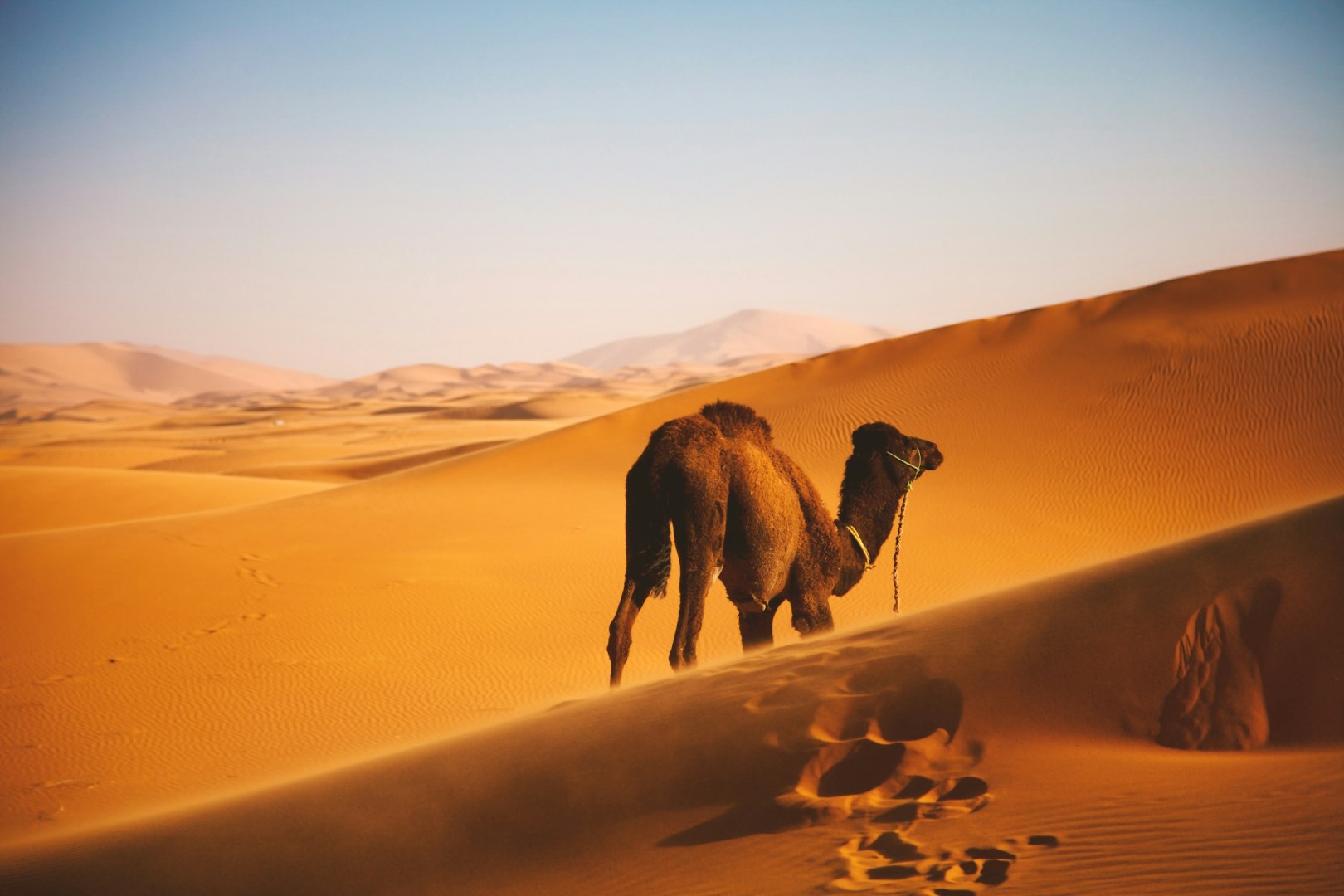
Erg Chebbi is a large field of wind-shaped sand dunes in southeastern Morocco, near the village of Merzouga in the Drâa-Tafilalet region. It forms one of Morocco’s best-known Sahara landscapes, rising abruptly from the surrounding rocky desert. The dunes stretch for roughly 28 kilometres from north to south, with some of the highest crests reaching about 150 metres. Their deep orange and golden tones change noticeably with the position of the sun.

El Tunco
El Tunco is a small coastal village in the department of La Libertad, on El Salvador's central Pacific coast. It is named for the distinctive rock formation that sits offshore and is often described as resembling a pig, giving the beach its local name. The shoreline consists of dark volcanic sand, rocky outcrops, and strong Pacific surf, while low hills and tropical vegetation surround the village.

Wānaka
Nestled on the southern shores of its namesake lake, Wanaka is a charming resort town in New Zealand's South Island that offers a captivating blend of adventure, relaxation, and stunning natural beauty. Surrounded by snow-capped mountains and crystal-clear waters, Wanaka is an ideal destination for outdoor enthusiasts.
Amritsar
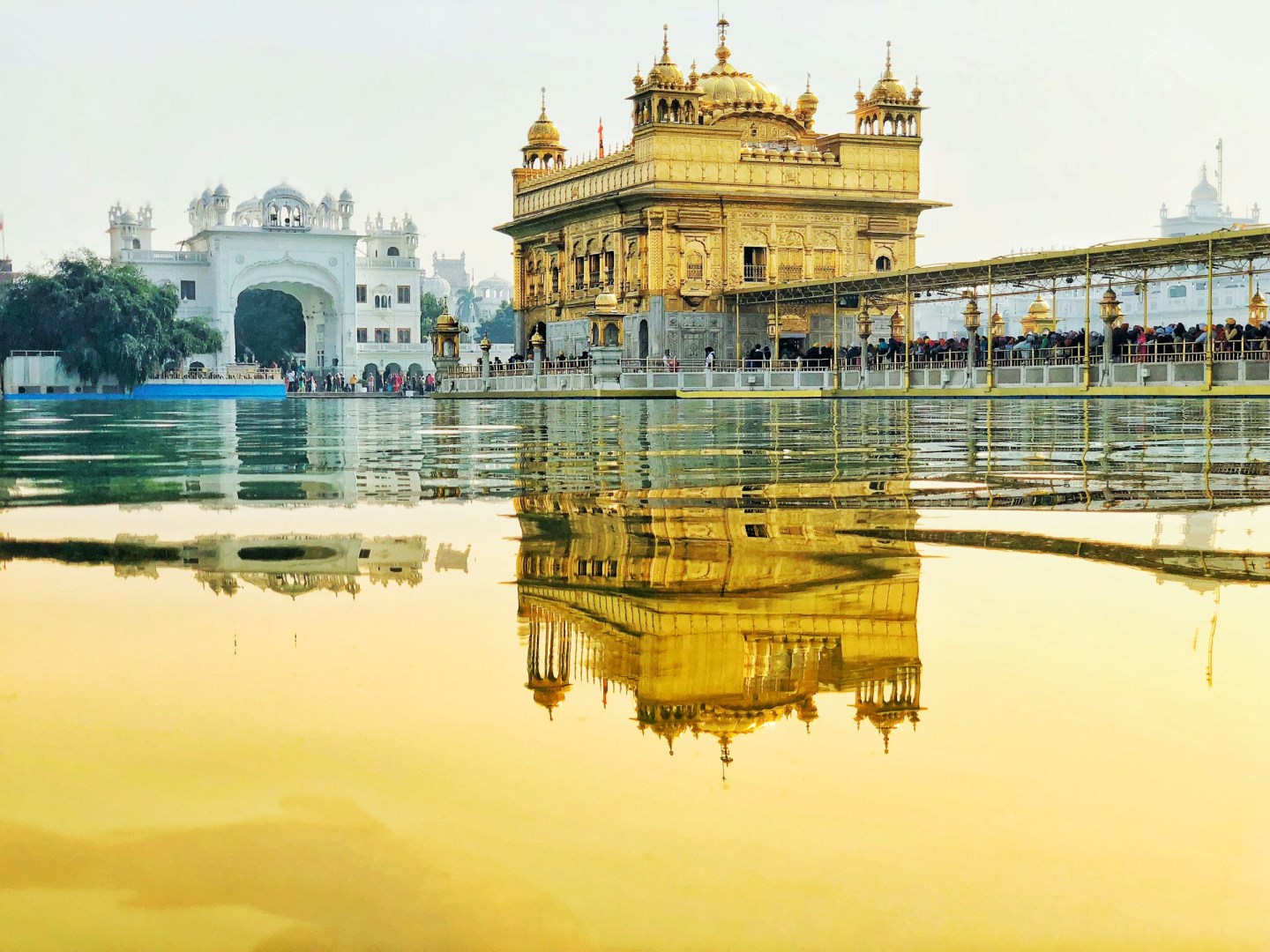
Located in the Indian state of Punjab, Amritsar is perhaps best known as the home of the Golden Temple, or Harmandir Sahib. It is one of the Sikhism religion's most significant and most-visited gurudwaras (place of worship). Tourists may also be interested in one of several museums, Urban Haat Food Street, Gobindgarh Fort and the Jallianwala Bagh memorial garden.