Mexico City
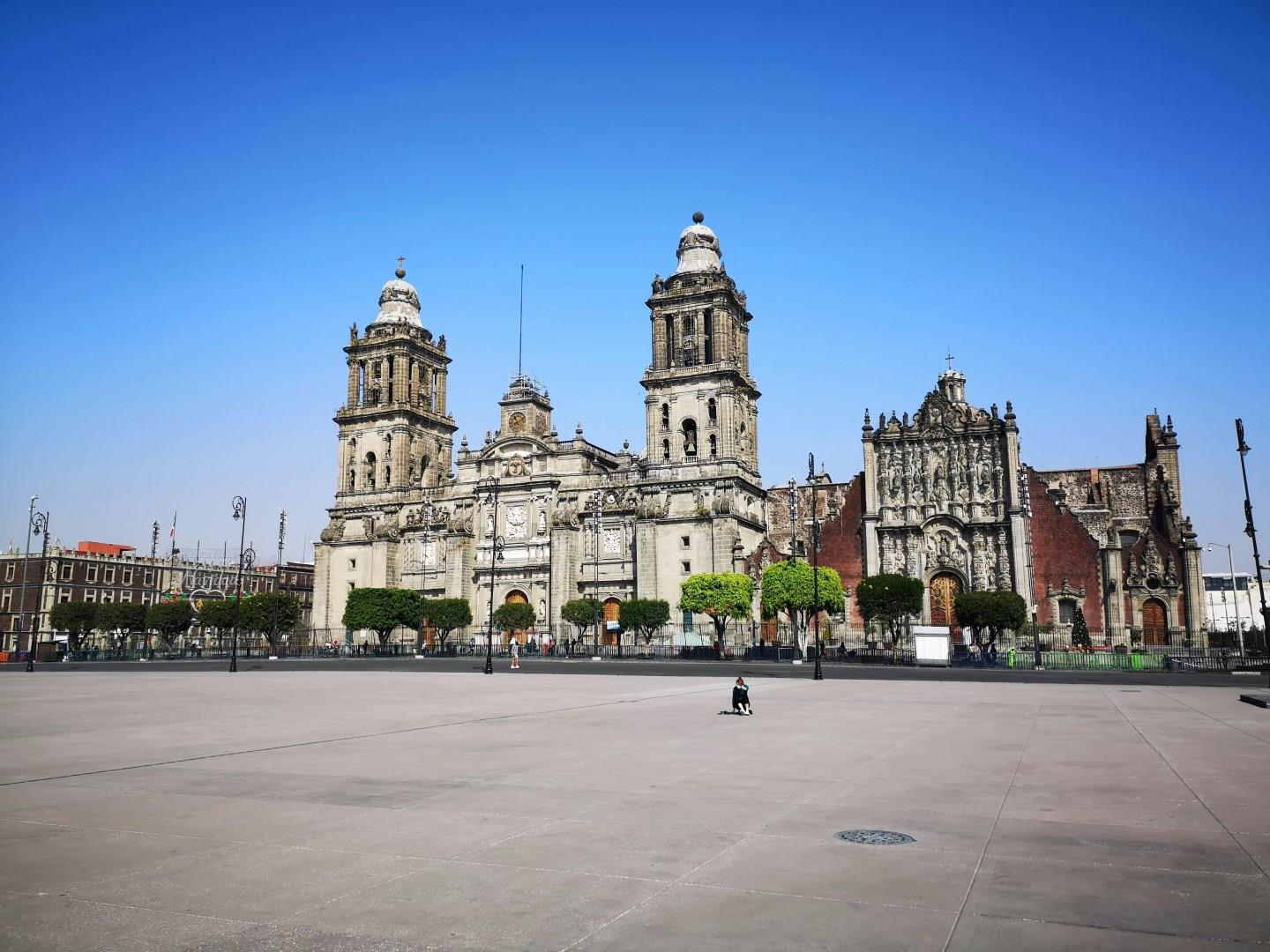
Mexico City sits on the high plateau of central Mexico, layered with more than seven centuries of history and culture. Built atop the ruins of the Aztec capital Tenochtitlán, the city reflects a continuous dialogue between Indigenous foundations, Spanish colonial influence, and modern urban life.

Florence
Florence is a city in northeastern South Carolina and a regional center for the Pee Dee area, positioned between the coastal plain and the inland agricultural districts. Its landscape is generally flat to gently rolling, with pine forests, wetlands, and farmland surrounding the urban area. Florence developed as a transportation center, and rail lines remain an important part of its identity and geography.
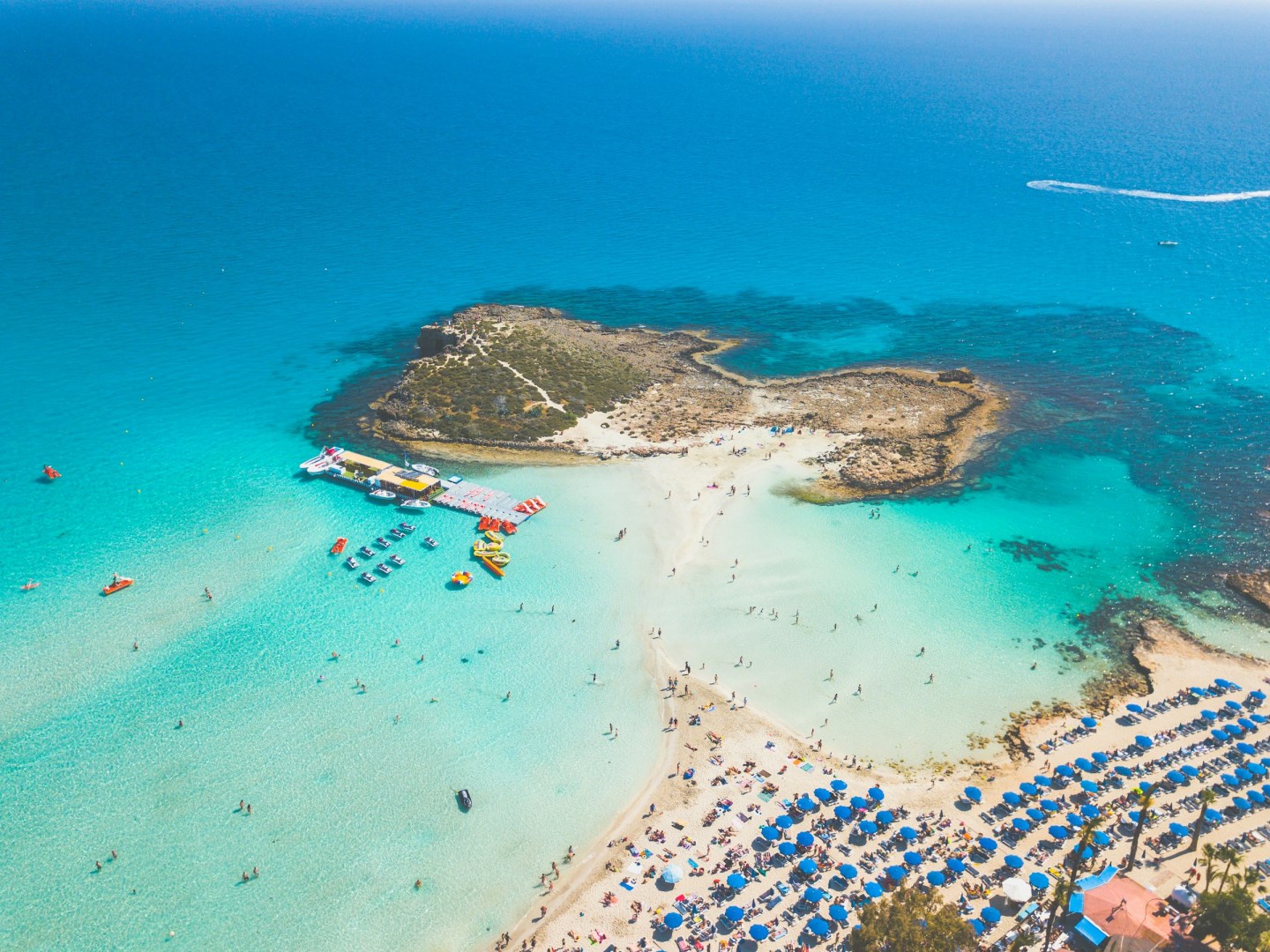
Ayia Napa
Ayia Napa is a coastal town in southeastern Cyprus, known for its sandy beaches, clear coastal waters, fishing harbor, and extensive tourism infrastructure. Once a small fishing village, it has developed into one of Cyprus's best-known seaside resorts while retaining several historic and cultural landmarks.
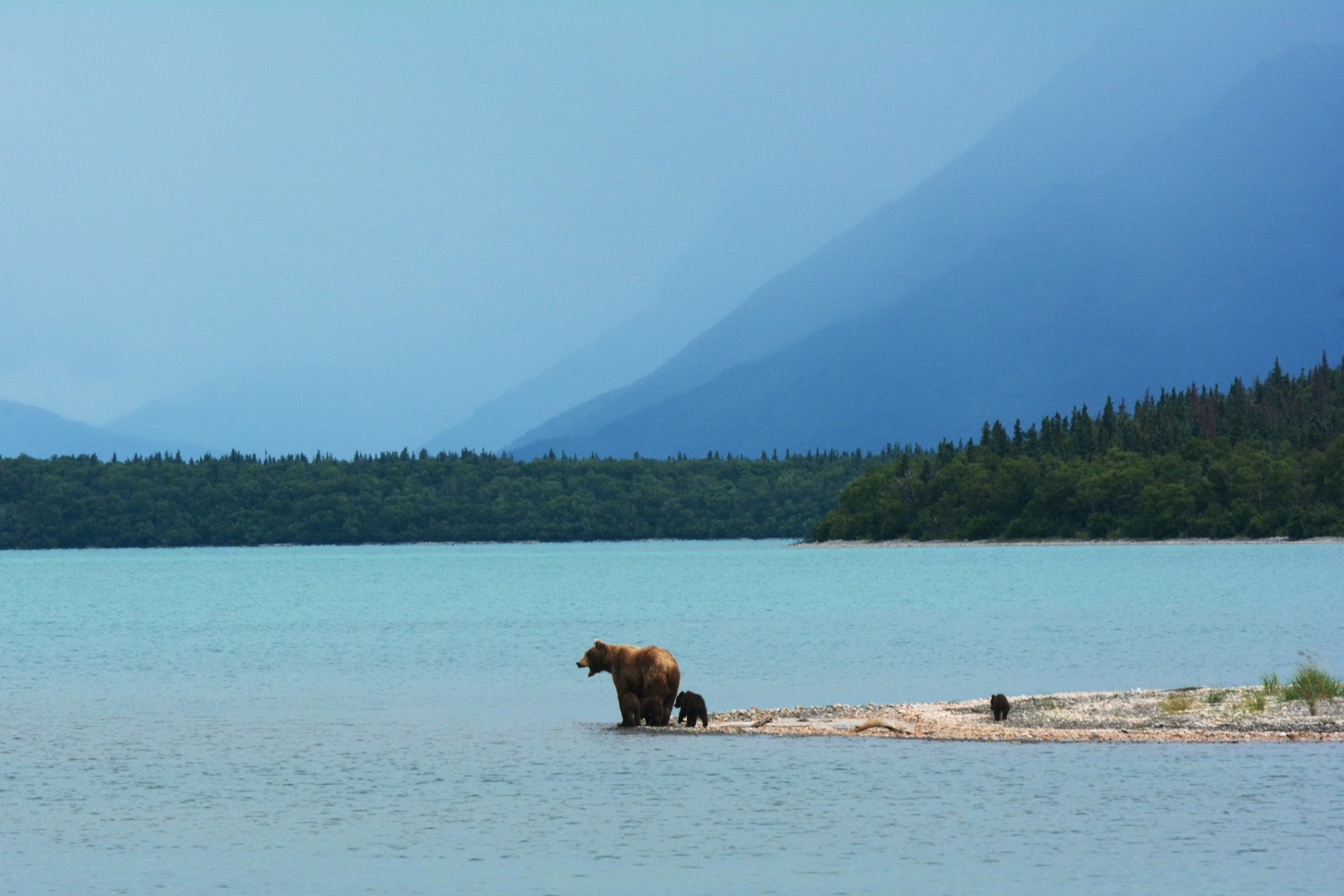
King Salmon
King Salmon is a small community in southwest Alaska on the Alaska Peninsula, located along the Naknek River near the shores of Naknek Lake. It serves as a regional transportation and service center for the Bristol Bay area and as an important base for visitors traveling into the surrounding wilderness. The community is surrounded by tundra, wetlands, lakes, rivers, and low volcanic hills rather than tall mountains.

Salerno
Salerno, nestled along Italy's stunning Amalfi Coast, offers a captivating blend of history, culture, and Mediterranean charm. As a gateway to the Amalfi Coast, Salerno's historic center features delightful streets and architectural gems.