Lapland
The region of Lapland, Finland, is a dream come true for travelers in search of a real winter wonderland. The area has long been associated with Father Christmas, reindeer and a dense, snow-covered wilderness.
Mitla
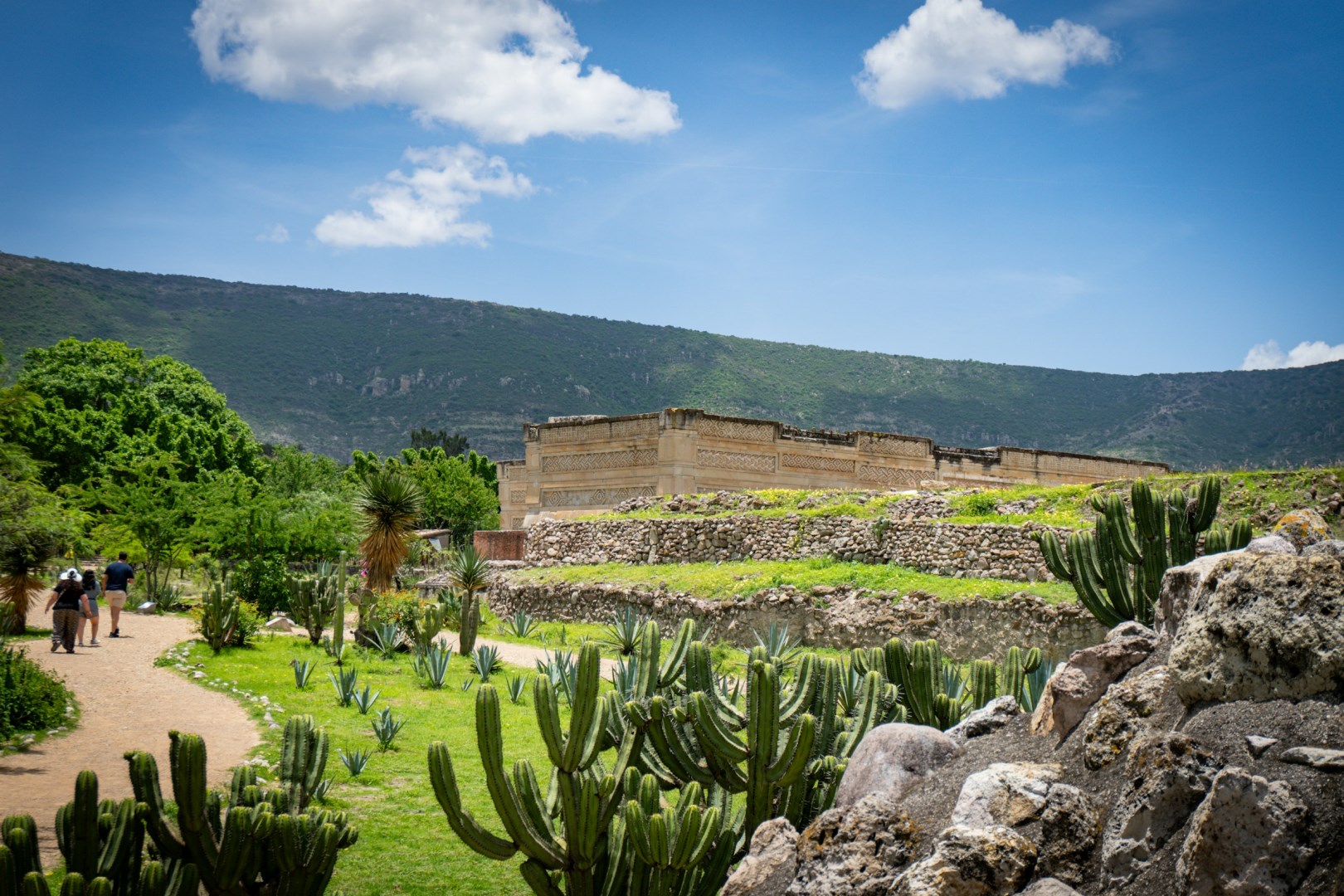
It is located 46 km from the city of Oaxaca. Mitla is famous because of its important archaeological zone, which has extraordinary constructions and a museum where valuable pieces of the Zapoteca culture are exhibited. Other interesting places you can visit in this town are the San Pablo Mitla Church and the Market of Handicrafts where beautiful textile works are sold.
Indiana
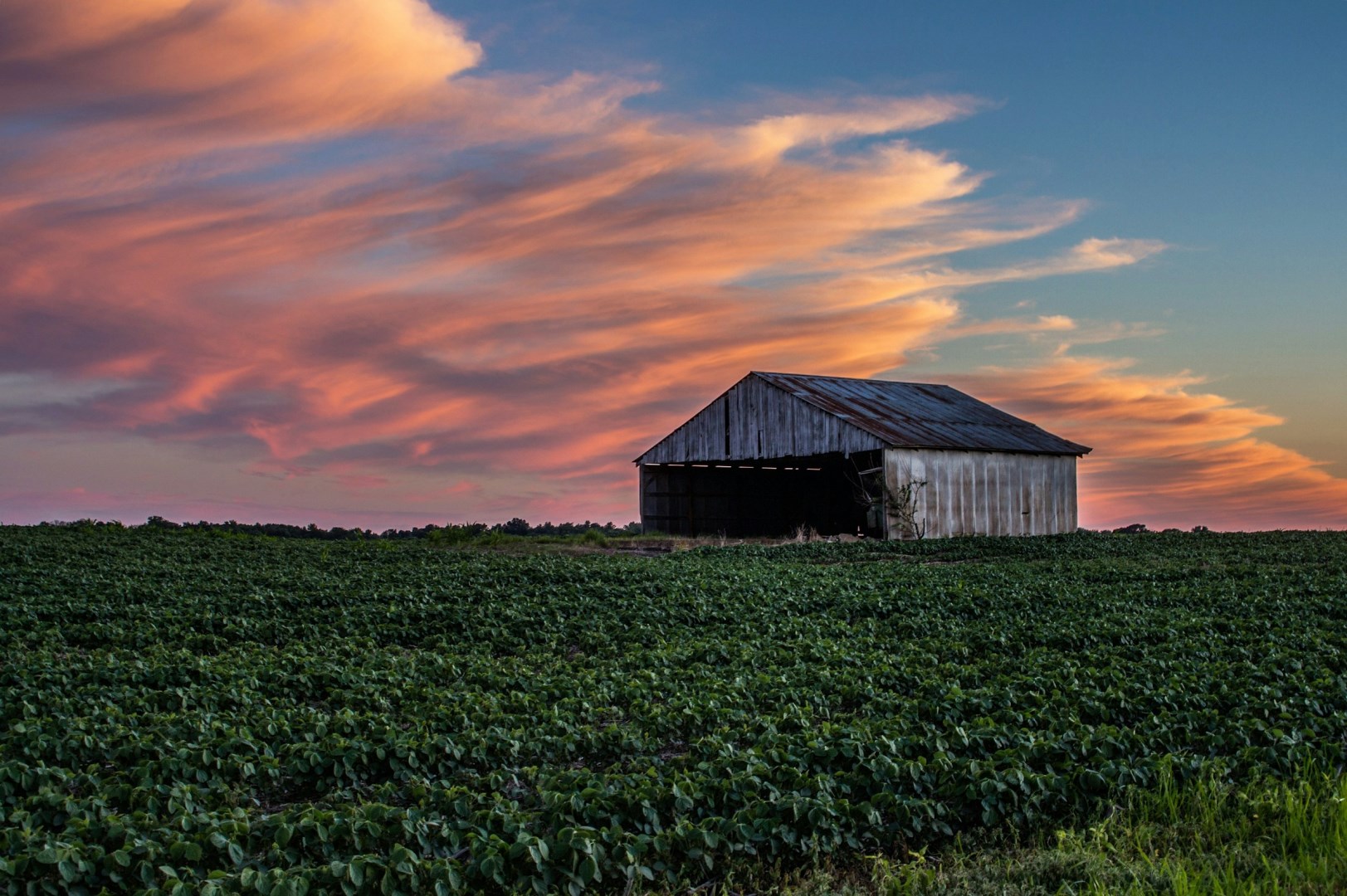
Indiana offers a surprising range of experiences for travelers who take the time to explore it. From vibrant cities to quiet countryside, the state blends deep Midwestern roots with its own brand of charm. In Indianapolis, the state's capital and largest city, visitors can tour the Indianapolis Motor Speedway or stroll through the Indianapolis Cultural Trail, which links neighborhoods, museums, and public art installations.

Zambia
Zambia, a landlocked country in southern Africa, is celebrated for its dramatic landscapes, diverse wildlife, and warm hospitality. Known as the “real Africa” by many travelers, it is home to some of the continent’s most famous natural wonders and national parks.

Vanuatu
Vanuatu, a chain of 83 islands in the South Pacific, offers travelers an experience that’s both bold and deeply rooted in custom. Once known as the New Hebrides, Vanuatu blends ancient Melanesian traditions with dramatic landscapes shaped by volcanic activity. On Tanna Island, visitors can stand at the rim of Mount Yasur, one of the world’s most accessible active volcanoes, and watch fiery eruptions light up the night sky.