Oban
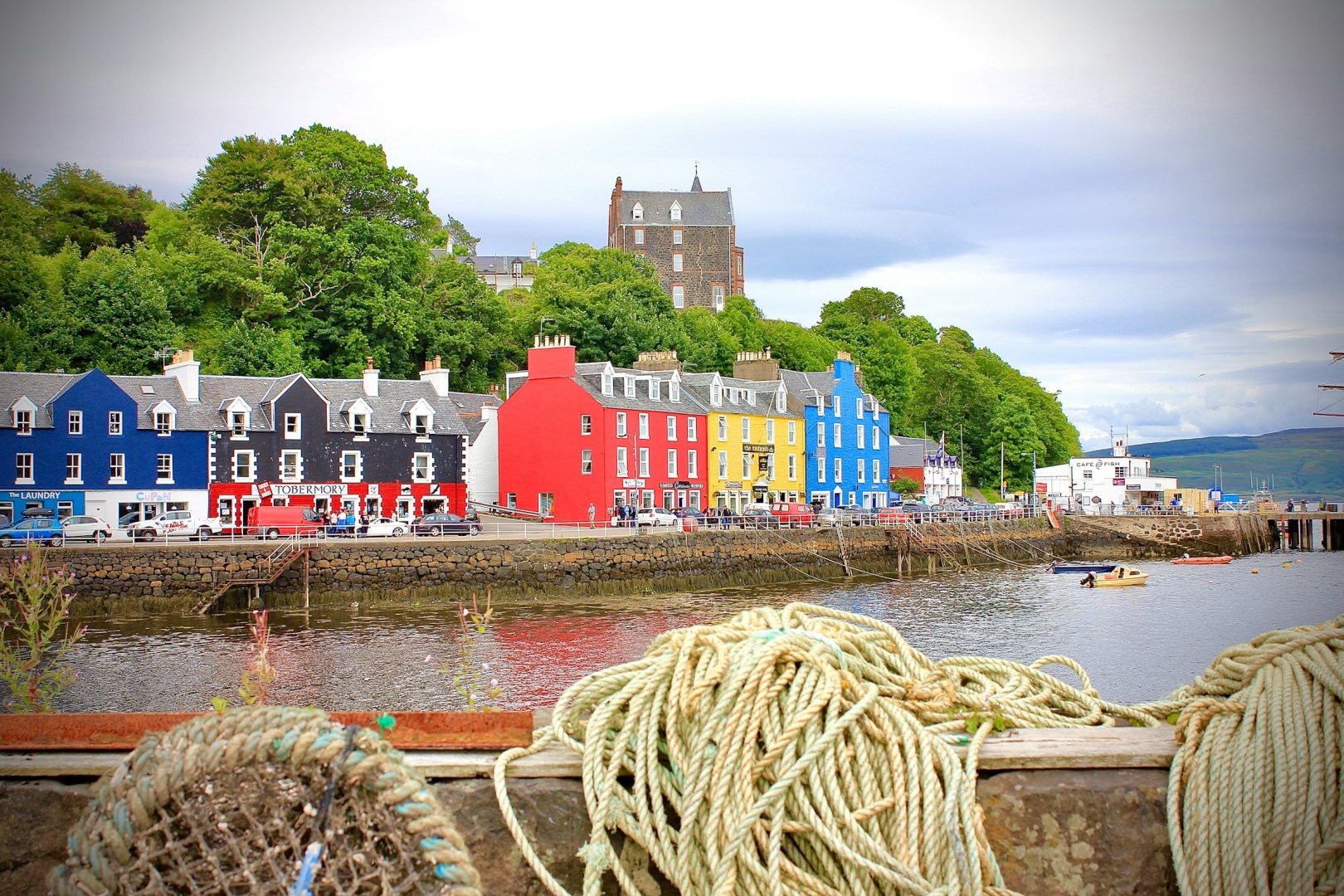
Oban is located in the northern part of the Scottish Highlands. Renowned for the beauty of the land and the excellent scotch made there, Oban is an indisputable treasure of nature.

Pennsylvania
Pennsylvania offers more than just a glimpse into American history, it invites travelers to walk through it. In Philadelphia, the Liberty Bell still draws visitors from around the world, while Independence Hall, a UNESCO World Heritage Site, is where both the Declaration of Independence and the U.S. Constitution were debated and signed. Just a short walk away, modern museums like the National Constitution Center offer hands-on exhibits that connect the past to today’s civic questions.
Zacatecas
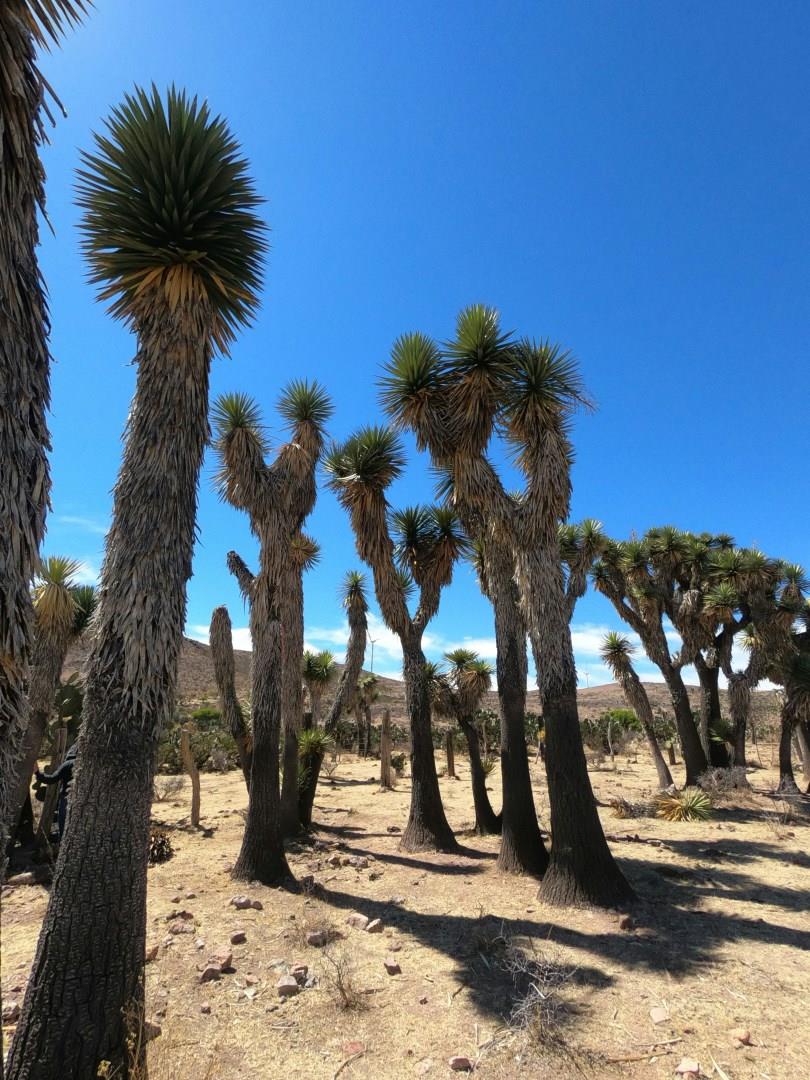
Zacatecas, built into the slopes of a narrow ravine in north-central Mexico, is a city with a deep mining past and a striking skyline. The historic center, a UNESCO World Heritage Site, is known for its pink cantera stone buildings, narrow alleys, and impressive baroque facades. The Cathedral Basilica of Zacatecas, completed in 1752, stands as one of the most detailed examples of Mexican baroque architecture, with hundreds of carved figures covering its sandstone exterior.

Tokyo
Shopping, historic temples, lush green spaces and exceptional dining are all part of Tokyo, the capital of Japan. This spectacular, highly populated metropolis holds unlimited options for tourists.
Kitakyūshū
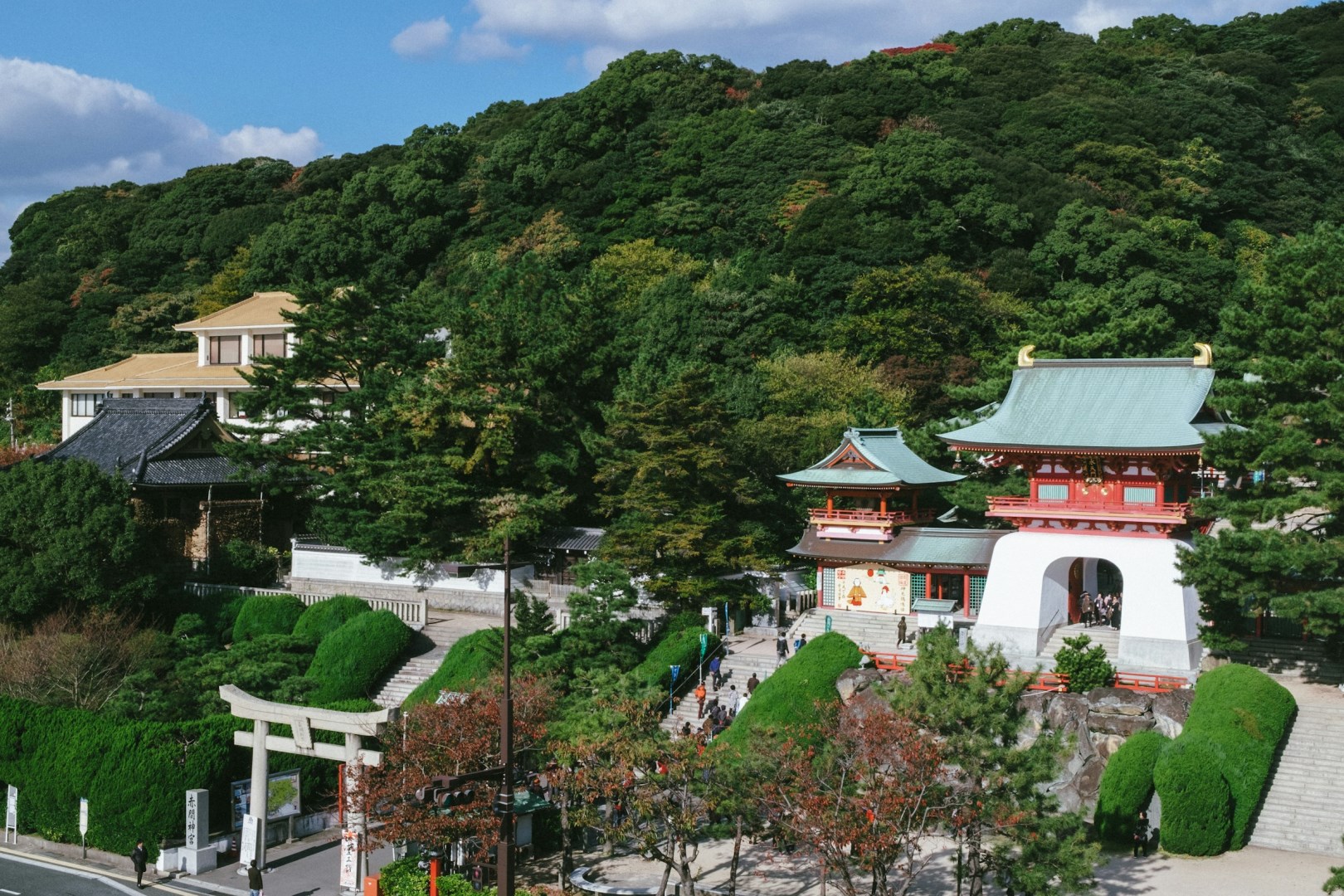
Kitakyushu, located in northern Kyushu, Japan, is a city that seamlessly combines industrial prowess with cultural and natural attractions. Formed from the merger of five cities in 1963, Kitakyushu has a strong industrial history, particularly in steel production, while also investing heavily in environmental sustainability and urban revitalization.