Kairouan
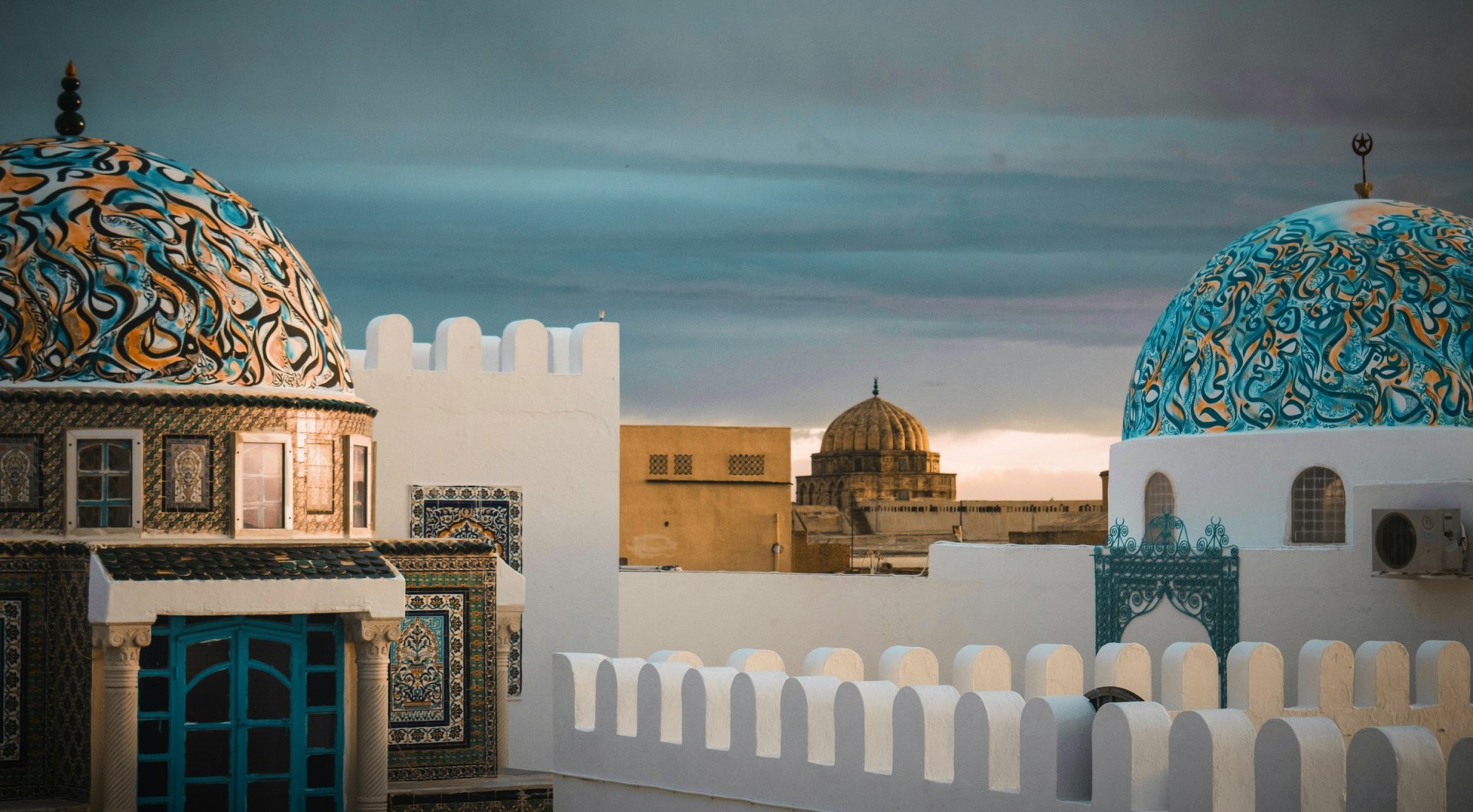
Kairouan is a historic city in central Tunisia, set on a broad plain away from the Mediterranean coast. It is one of the principal holy cities of the Islamic world and is recognized for its exceptionally preserved medina, religious monuments, and traditional urban design. The city’s whitewashed buildings, domes, narrow lanes, and surrounding walls create a distinctive landscape.
Bazaruto Archipelago
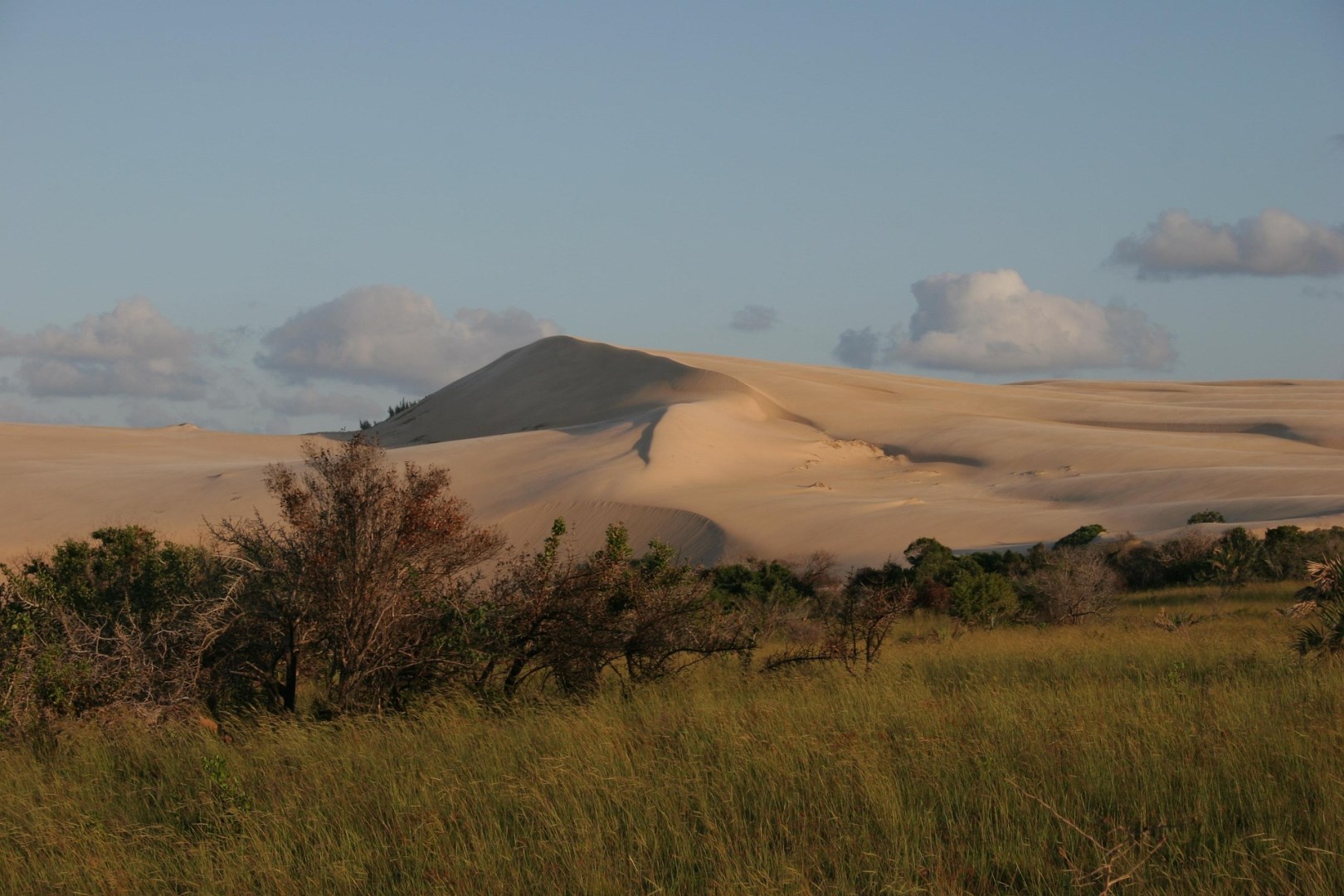
The islands have long been connected to coastal communities whose livelihoods include fishing and small-scale trade. Traditional dhow boats remain part of the maritime landscape, linking island and mainland communities across the archipelago. Local culture reflects the wider coastal heritage of Inhambane Province, where African, Swahili, and Indian Ocean influences have shaped food, language, music, and commerce.
Tarascon
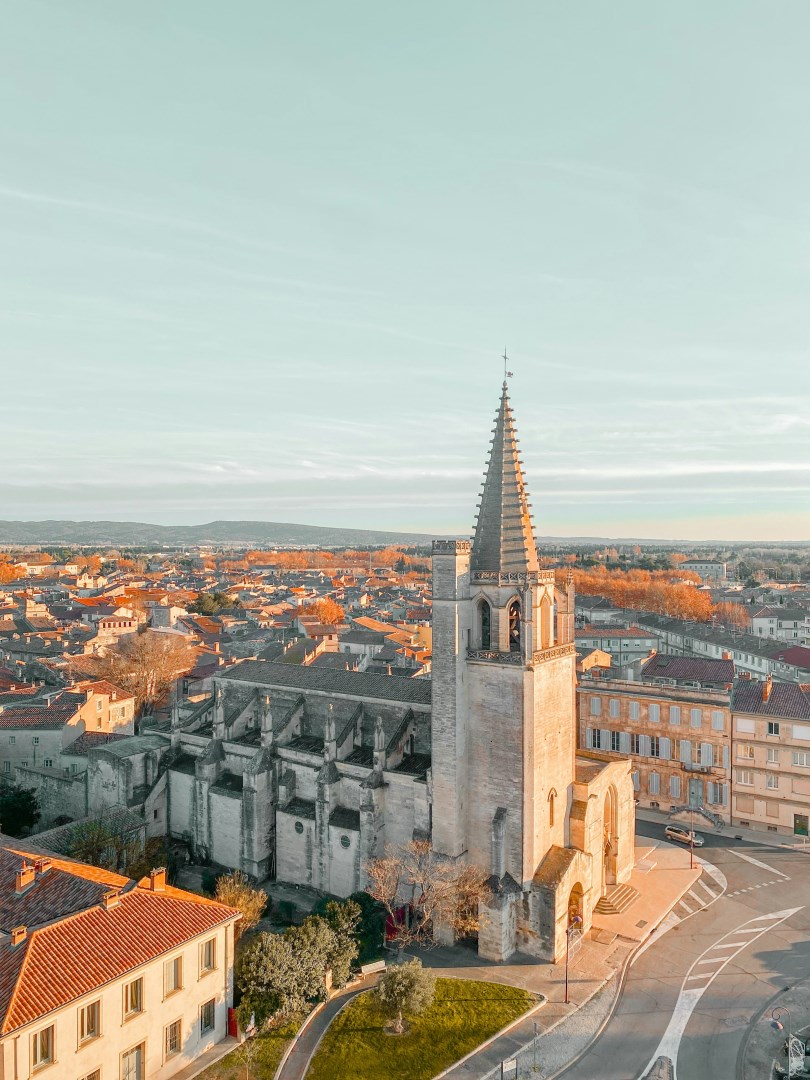
Tarascon, on the east bank of the Rhone River, is best known for its medieval appearance and historical edifices. Collegiate Sainte-Marthe (St Martha's Collegiate Church) was built in the 12th century in honor of the city's patron saint, St. Martha. Nearby, the castle of King René stands right on the banks of the Rhône.
Bristol
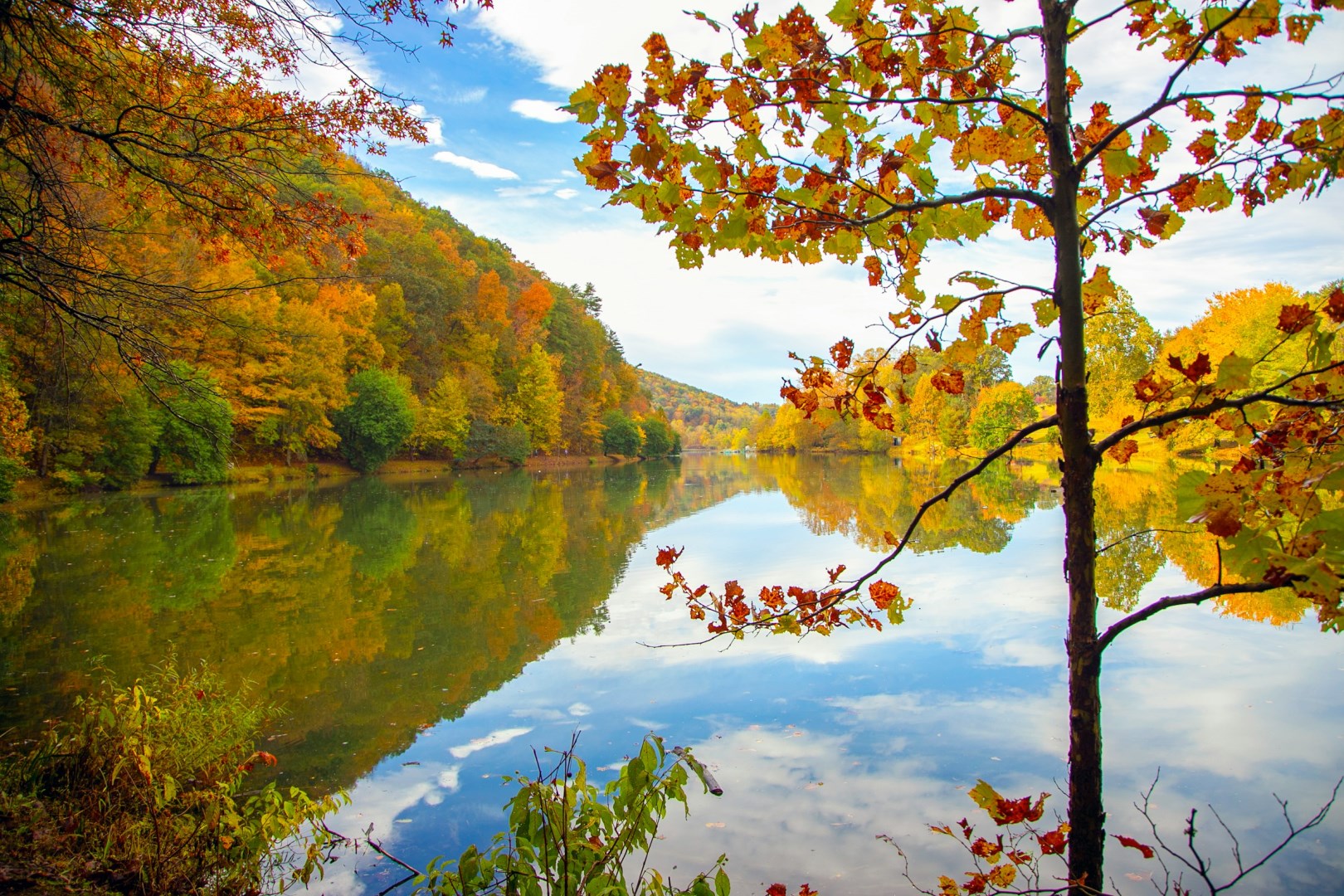
Nestled among quiet mountains lies the thriving Twin City of Bristol. One community in two states, this beautiful city is Bristol, Virginia on the north side of State Street and Bristol, Tennessee on the south side.

Isle of Man
The Isle of Man, nestled in the Irish Sea between Great Britain and Ireland, offers visitors a blend of rich history and distinctive culture. Known for its ancient Celtic and Viking roots, the island’s heritage can be explored through sites like Peel Castle, built on a rocky island in the harbor of Peel, and the ancient Manx museums scattered throughout.