Adak Island
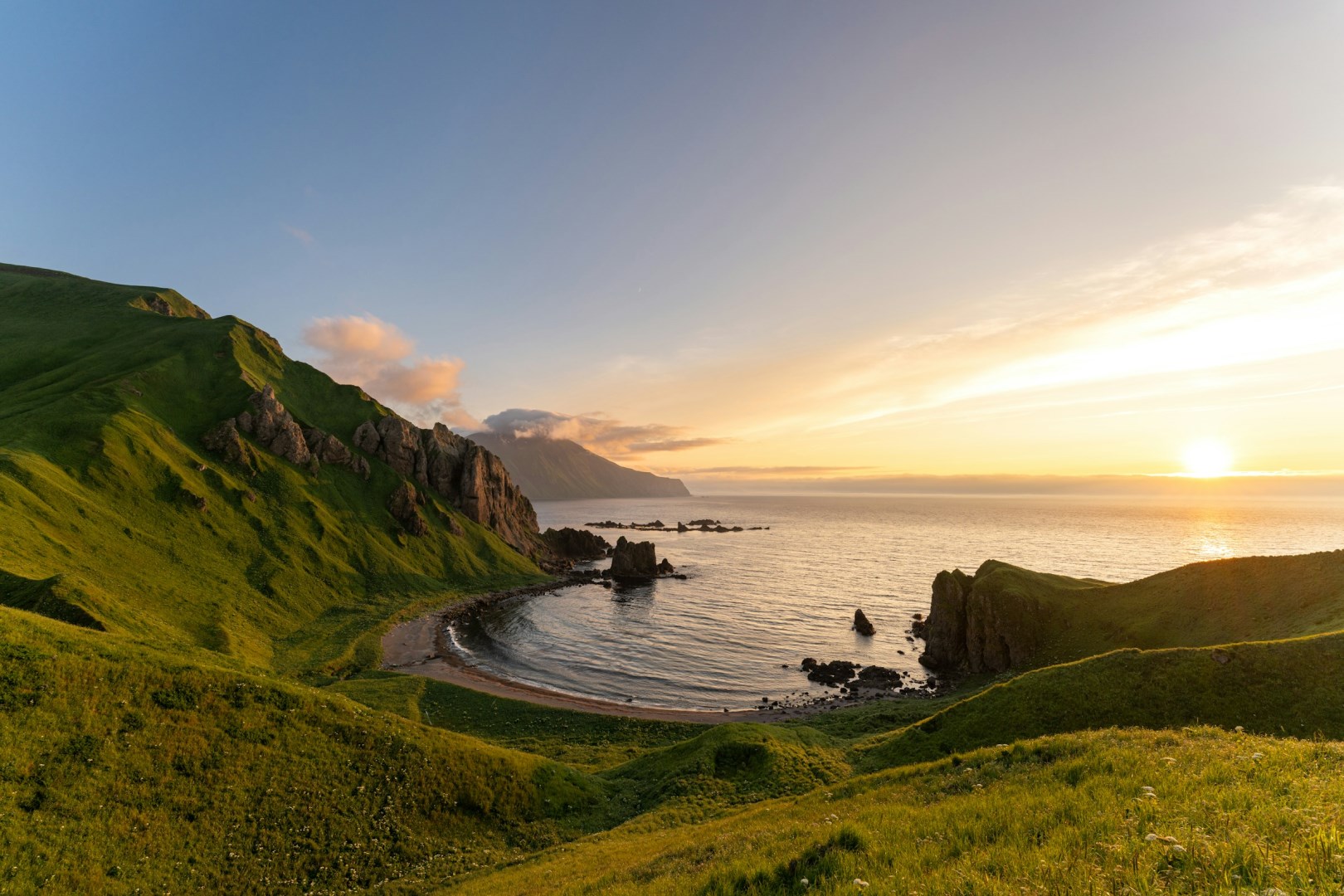
Adak Island lies in the central Aleutian Islands of southwest Alaska, where steep volcanic mountains meet the North Pacific. The community of Adak occupies a sheltered harbor on the island and is one of the few remote Aleutian locations accessible by commercial airline. Much of the island consists of open tundra, rugged slopes, coastal wetlands, and rocky shorelines shaped by strong winds and frequent rain.

Cabo San Lucas
Nestled on the southern tip of California's Baja Peninsula, there's a feeling of peace on Cabo San Lucas, Mexico. Find your own private sand dune and bask in the sun. Walk along the famous Playa del Amor or explore Cabo's unique rock formations that are found in almost every cove. For a special treat, stop and watch artists create black coral jewelry.

Easter Island
Easter Island, or Rapa Nui, is a remote gem in the southeastern Pacific Ocean that promises an extraordinary journey into the mysteries of Polynesian culture and history. Famous for its monumental stone statues known as moai, Easter Island captivates visitors with its enigmatic past. These colossal statues, crafted between 1400 and 1650 AD, are scattered across the island and are a testament to the islanders' sophisticated artistry and social organization.
Cai Be
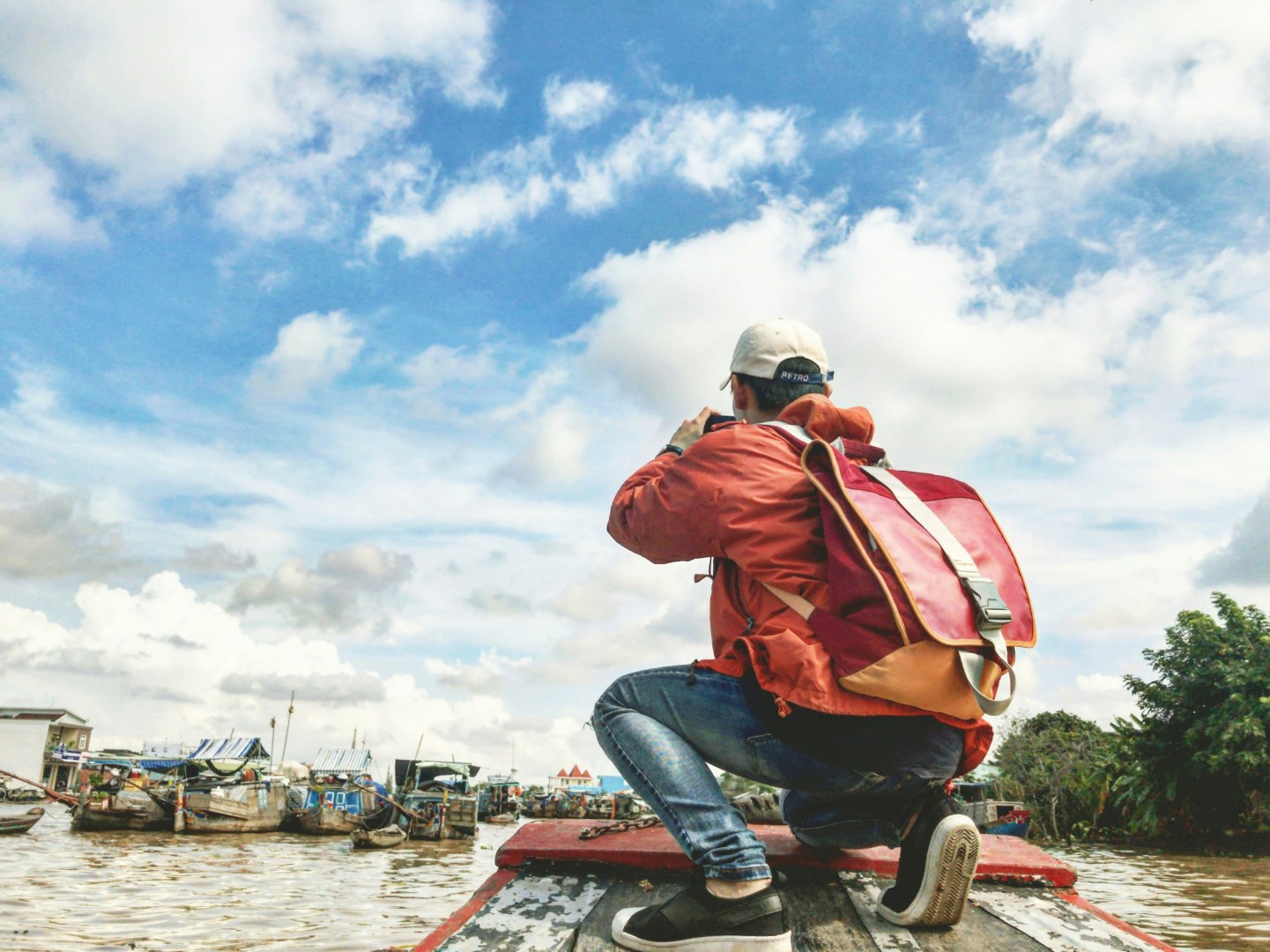
Cai Be, nestled in the Mekong Delta of southern Vietnam, offers a charming and authentic glimpse into the life of rural Vietnam.
Osa Peninsula
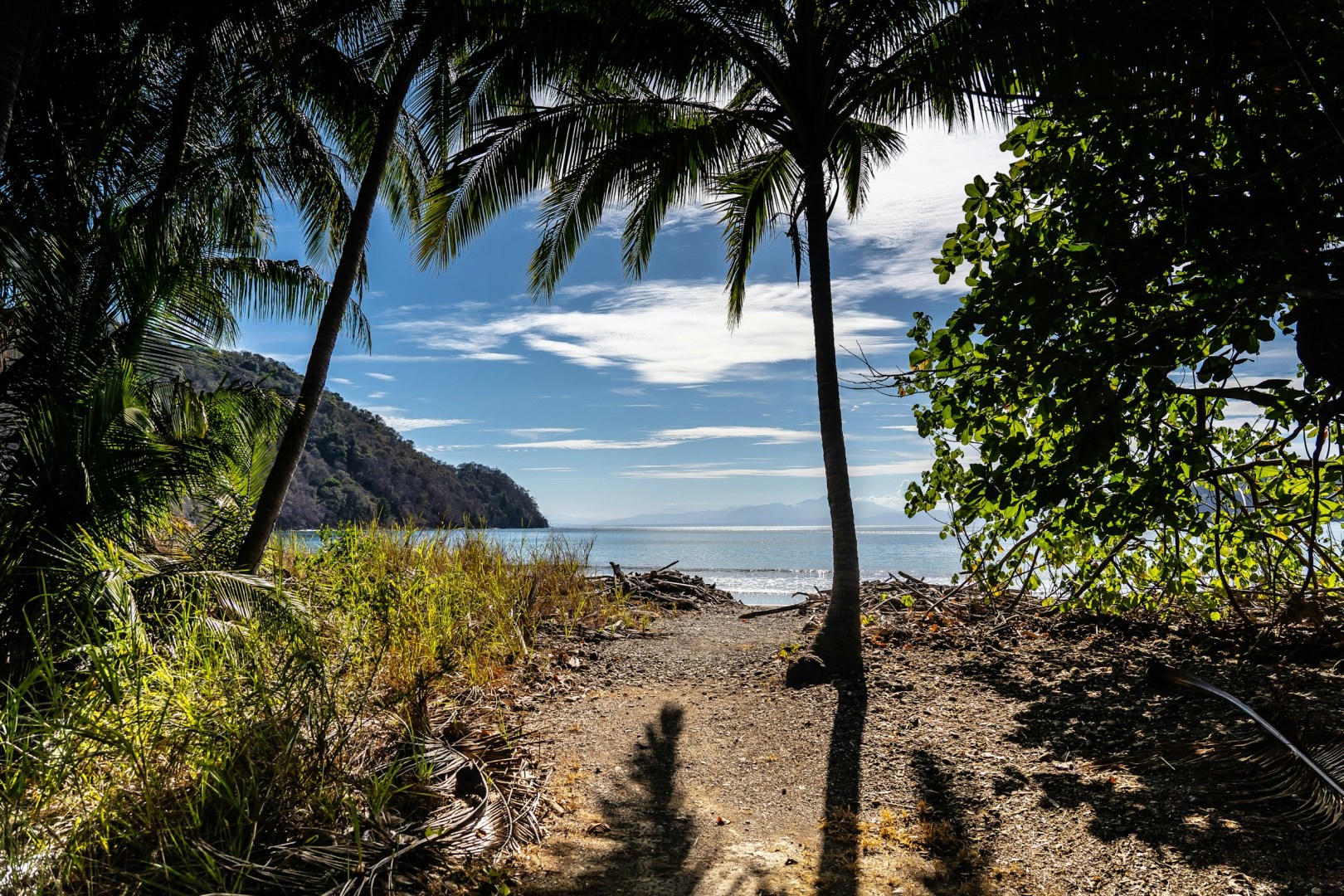
The Osa Peninsula extends into the Pacific Ocean from southern Costa Rica's Puntarenas Province, forming a remote region of rainforest, rivers, beaches, mangroves, and coastal waters. Much of the peninsula remains forested, with small communities such as Puerto Jiménez, Drake Bay, and Carate providing access to the surrounding landscape.