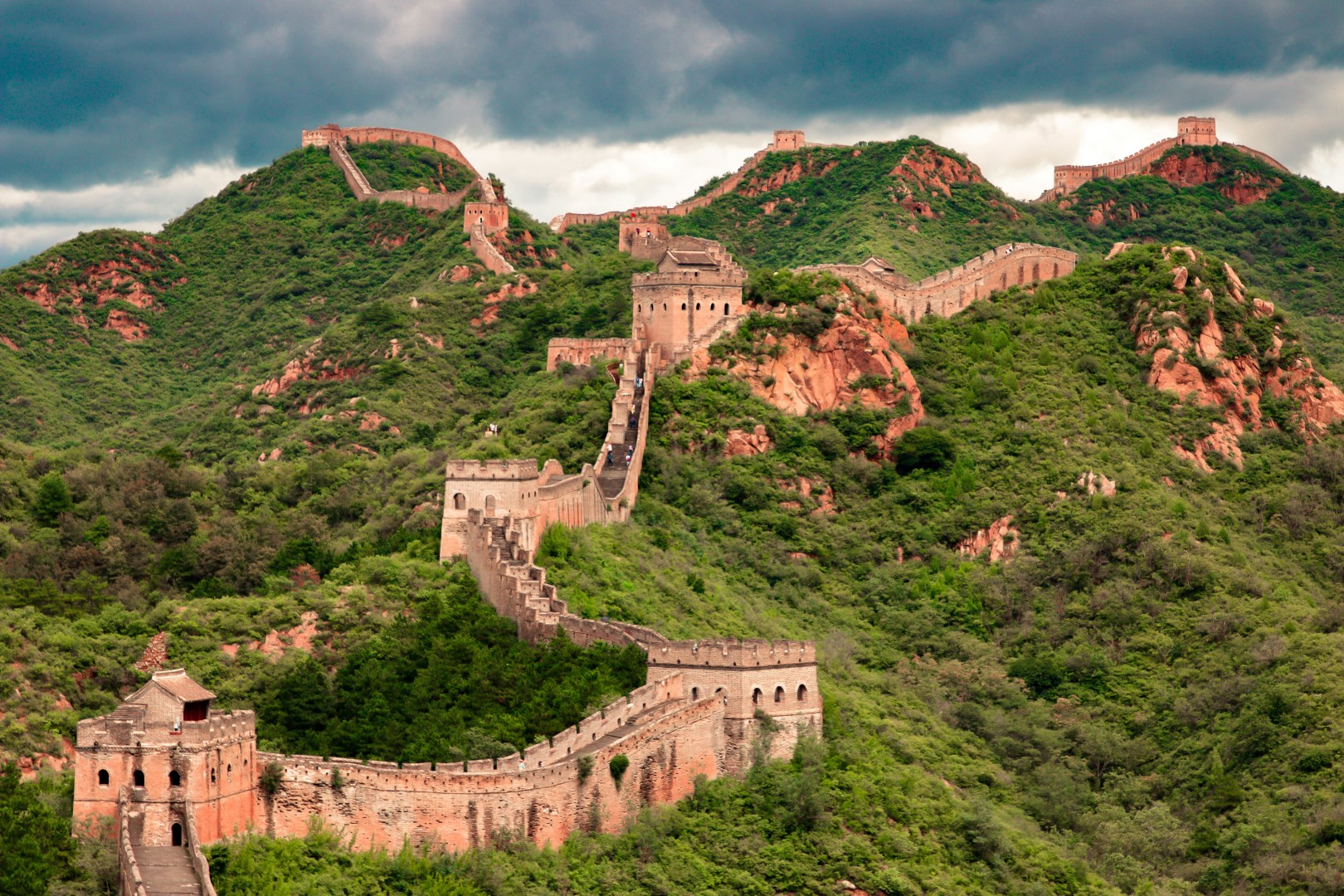
Great Wall
The Great Wall of China stretches across mountains, deserts, and grasslands, forming one of the most striking man-made landmarks in the world. Rather than a single continuous wall, it is a network of sections built with stone, brick, and packed earth, each shaped by the landscape it crosses. In areas near Beijing, such as Mutianyu, the wall winds along forested ridges, offering sweeping views that change with the seasons.
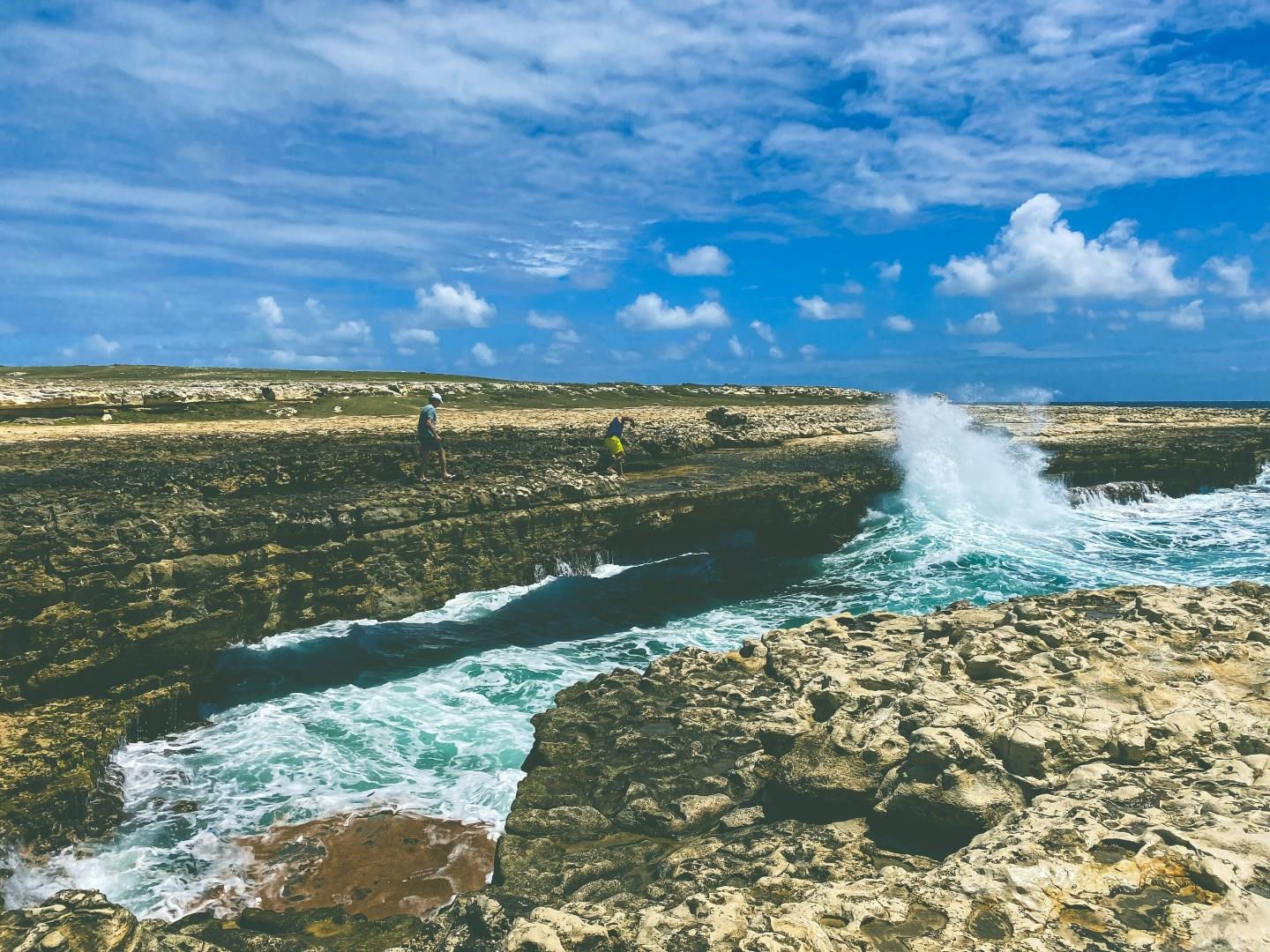
Devil's Bridge National Park
Devil’s Bridge National Park, located on the rugged Atlantic coast of Antigua, is one of the island’s most dramatic natural landmarks. The park is named after its striking limestone arch, carved over centuries by relentless waves and wind.

San Blas
San Blas is a small, western coastal town in the Mexican state of Nayarit. It is located about 100 miles north of Puerto Vallarta.
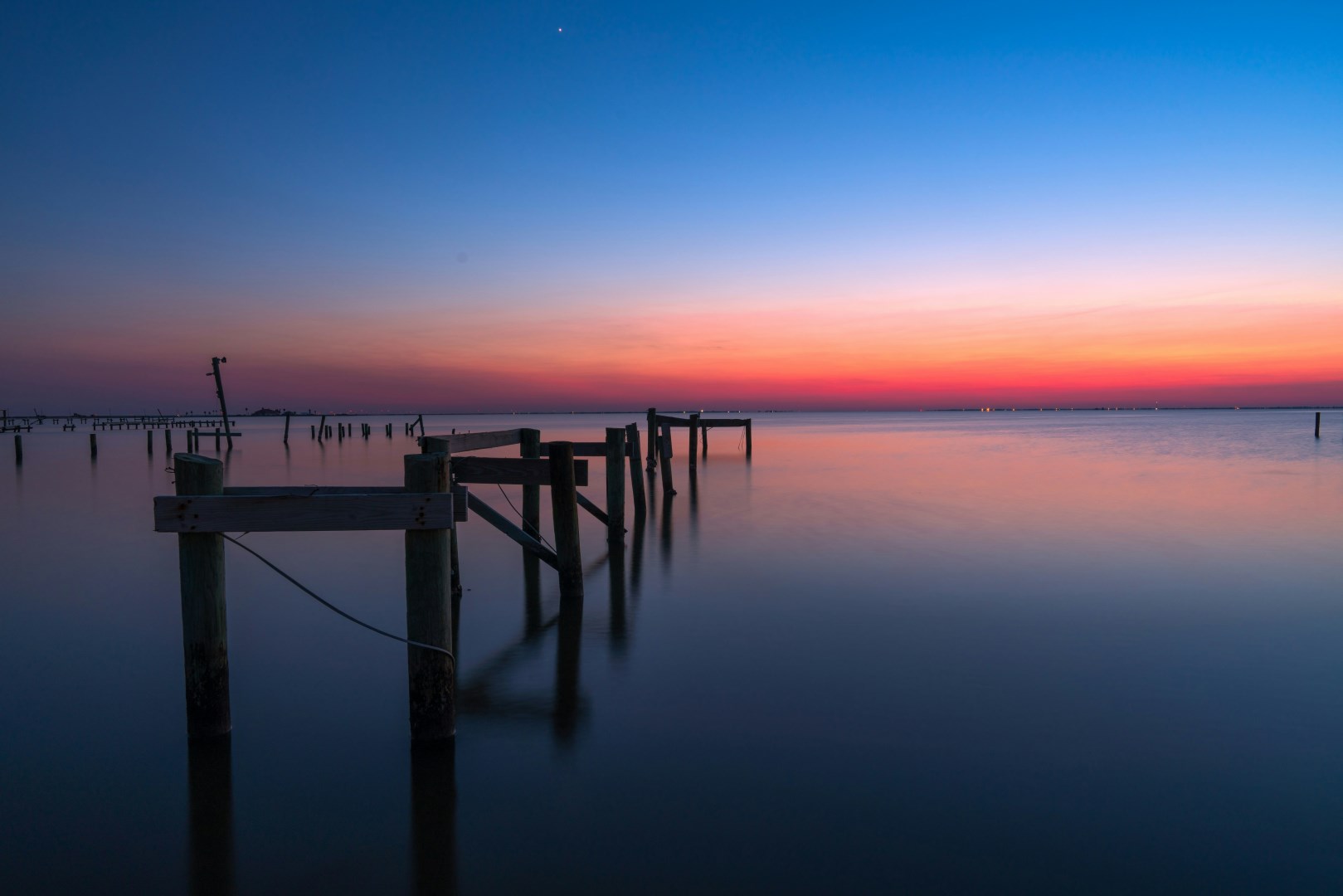
Rockport
Rockport, Texas sits along the Texas Gulf Coast, where calm bays, sandy shores, and working harbors shape daily life. The town is known for its long waterfront views over Aransas Bay, where dolphins often appear near fishing boats and pelicans glide low across the water. Rockport’s layout keeps the sea close at hand, with marinas, boardwalks, and public piers giving easy access to the shoreline from almost anywhere in town.

Riga
Riga, the vibrant capital of Latvia, offers a captivating blend of medieval charm and contemporary energy. Founded in 1201, Riga’s Old Town, a UNESCO World Heritage Site, is a treasure trove of stunning architecture and historical landmarks. Wander through its cobblestone streets to admire the intricately carved facades of buildings like the House of the Blackheads, a striking 14th-century guildhall that epitomizes Riga's rich merchant history.