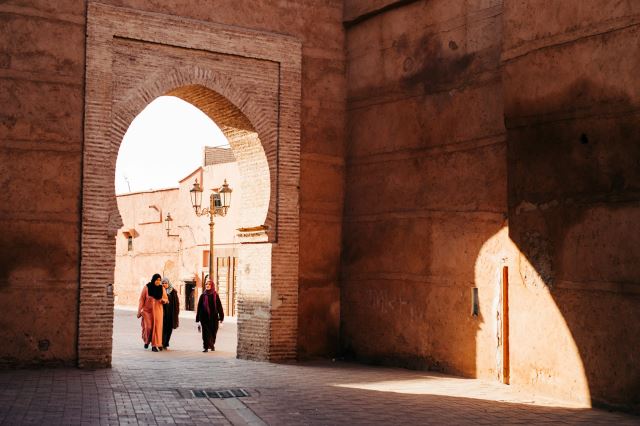
Aberdeen
ABERDEEN -- Scotland's third-largest city (pop. 187,000) is characterized by buildings of beautiful white granite. Set beside the North Sea, Aberdeen is both a university town and the capital of the Scottish oil boom. It is also one of Scotland's largest seaside resorts (though its appeal is confined to those who like their water well-chilled).
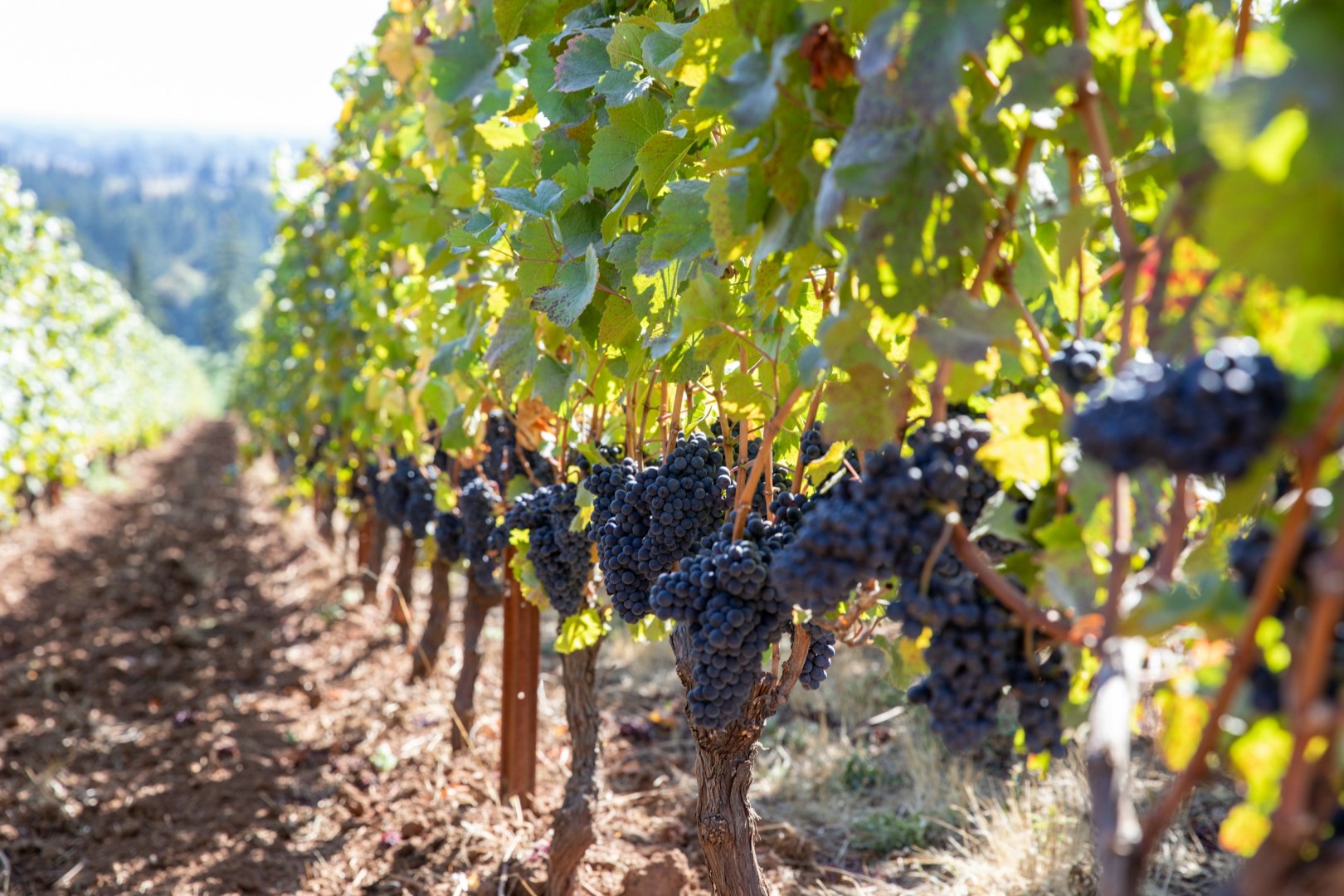
Dundee
Dundee is a small city in Oregon’s Willamette Valley, surrounded by vineyards, orchards, and rolling farmland in the heart of the state’s wine country. Located southwest of Portland, the community sits along the foothills of the Chehalem Mountains and is closely associated with the Dundee Hills American Viticultural Area. Its compact center contains tasting rooms, restaurants, galleries, and locally owned businesses, while the surrounding countryside is characterized by vineyards and forested sl
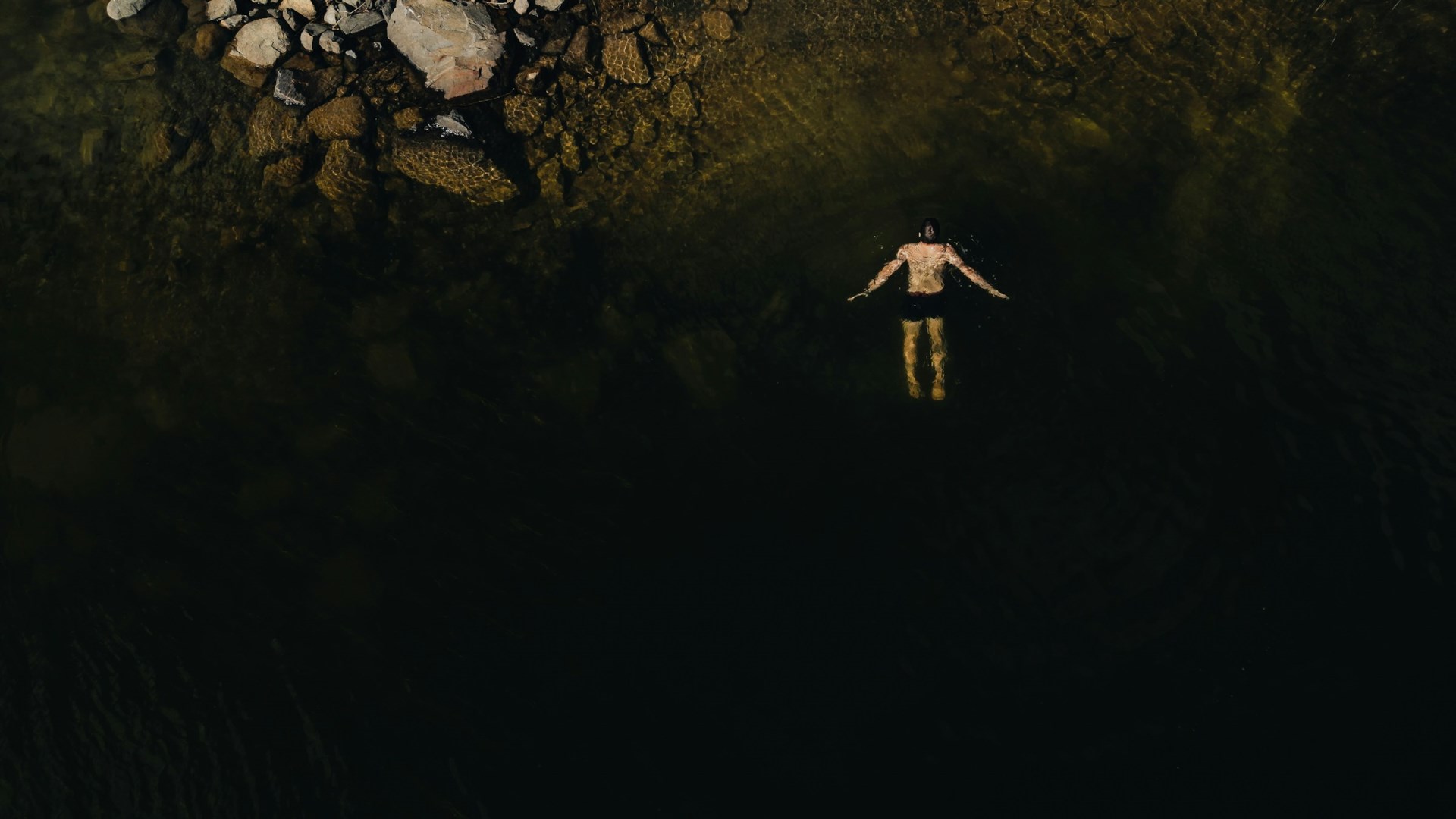
Yellowknife
Yellowknife is the capital of the Northwest Territories, set on the rocky northern shore of Great Slave Lake amid the forests and exposed Canadian Shield of the subarctic. The city developed around gold mining and later became the territorial centre for government, commerce, transportation, and northern services. Today, Yellowknife serves as a gateway to the wider Northwest Territories and the Canadian Arctic. Its location beneath the auroral oval makes the northern lights a defining feature.
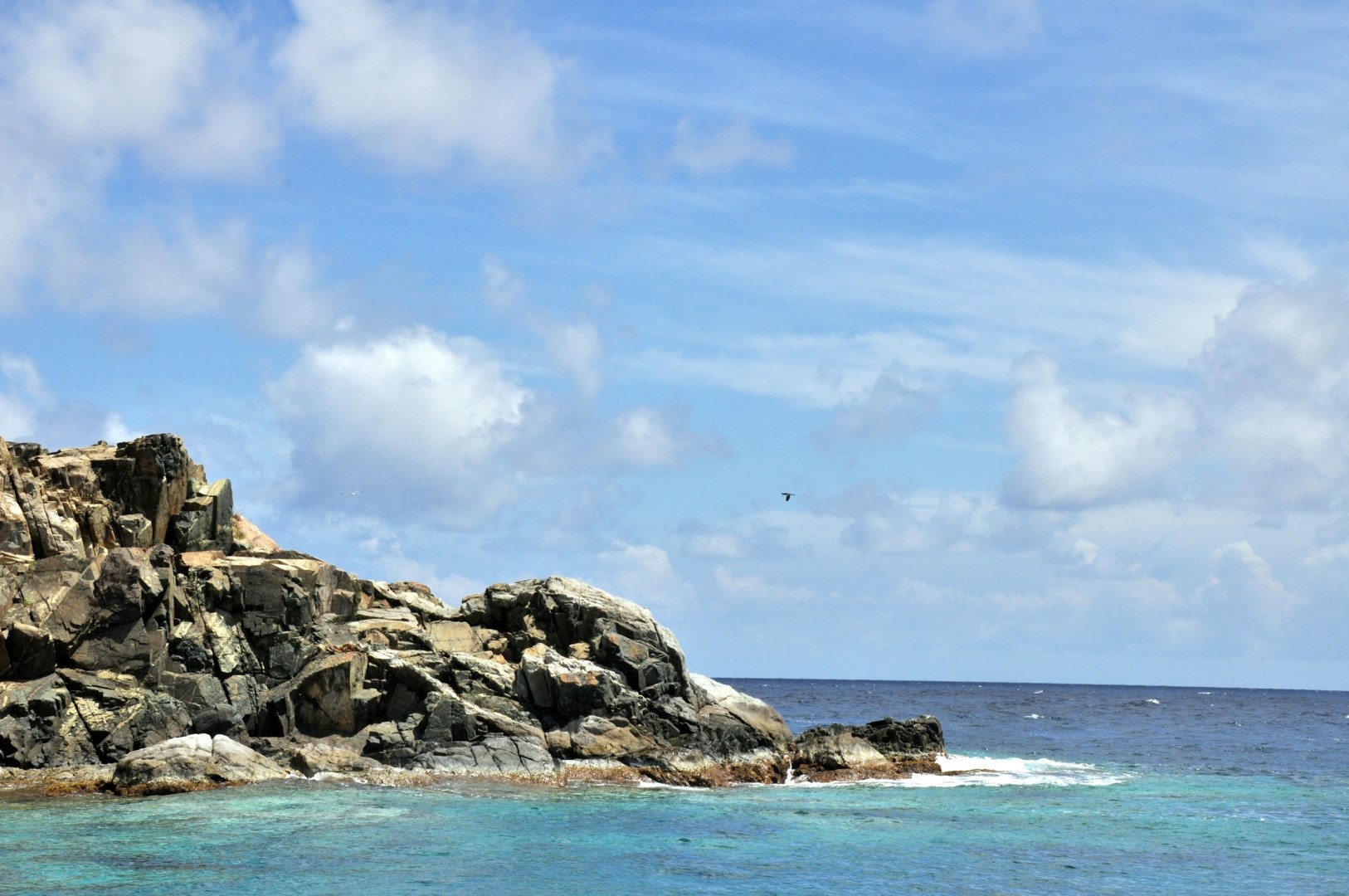
Buck Island
Buck Island is a small uninhabited island off the northeastern coast of St. Croix in the U.S. Virgin Islands. Most of the island and surrounding waters form Buck Island Reef National Monument, a protected area known for coral reefs, sandy beaches, dry forest, and marine habitats. The island lies a short boat journey from Christiansted and is surrounded by clear Caribbean waters.
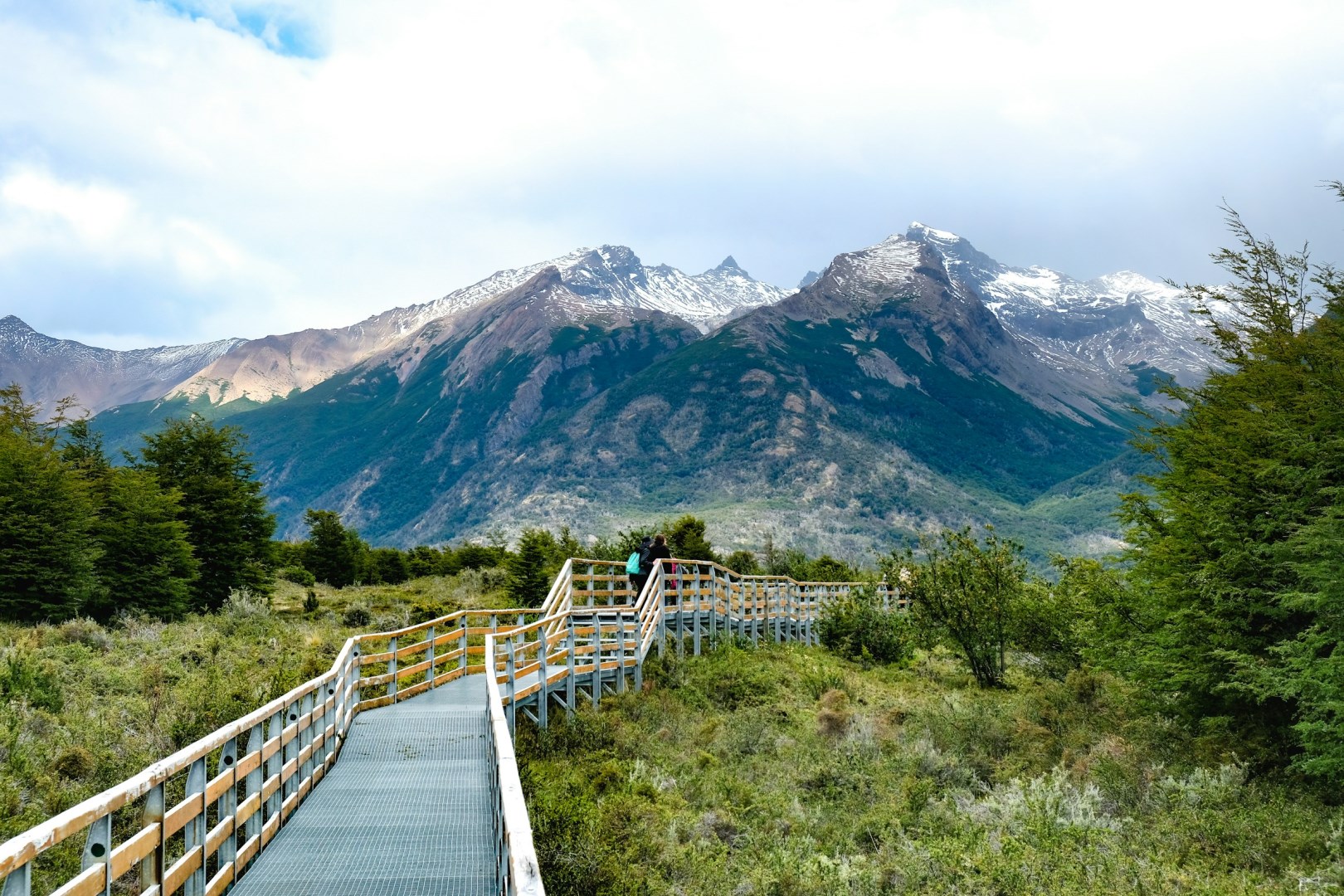
Los Glaciares National Park
Los Glaciares National Park is the largest park in Argentina. It's located in the Austral Andes, southwest of Santa Cruz, on the border of Chile. With stunning views of glaciers, lakes, and mountains, it's no surprise that Los Glaciares National Park is included on the bucket list of so many.