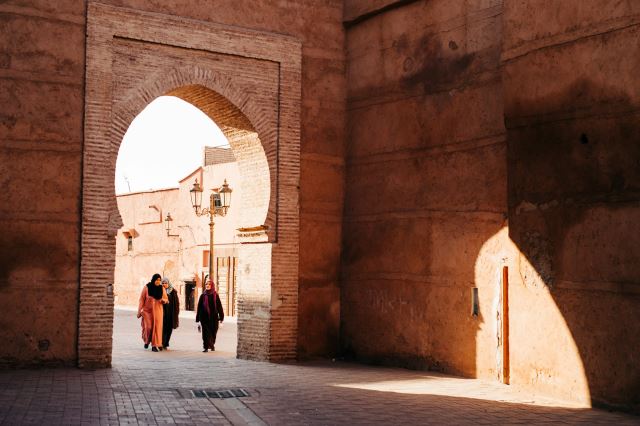
Osaka
Osaka is a city that thrives on contrasts with centuries-old castles sit just blocks from neon-lit arcades and high-speed trains. Once known as “Japan’s kitchen” during the Edo period, Osaka played a key role in rice trading and food distribution across the country. Today, visitors can walk the grounds of Osaka Castle, originally built in the 16th century by Toyotomi Hideyoshi, and take in panoramic city views from the top floor of its museum.
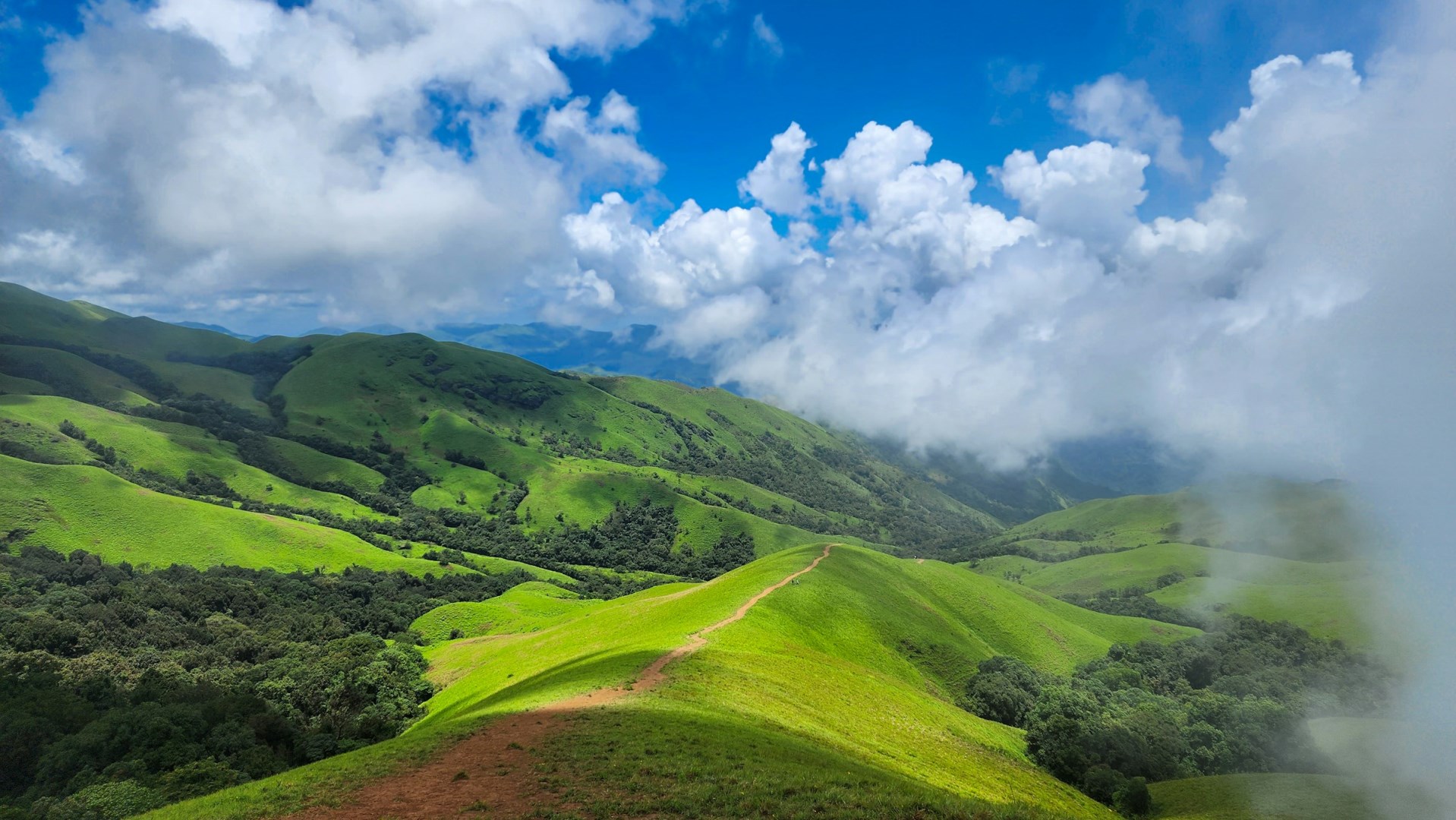
Chikmagalur
Chikmagalur is a hill town in Karnataka’s Malnad region, surrounded by the Western Ghats and known for coffee plantations, forested slopes, and mountain landscapes. The town sits at the center of a coffee-growing district where estates cover the hills around the Bhadra River basin. Chikmagalur’s setting combines plantation country with nearby peaks, streams, and dense forests, making it a base for exploring the western Karnataka highlands.
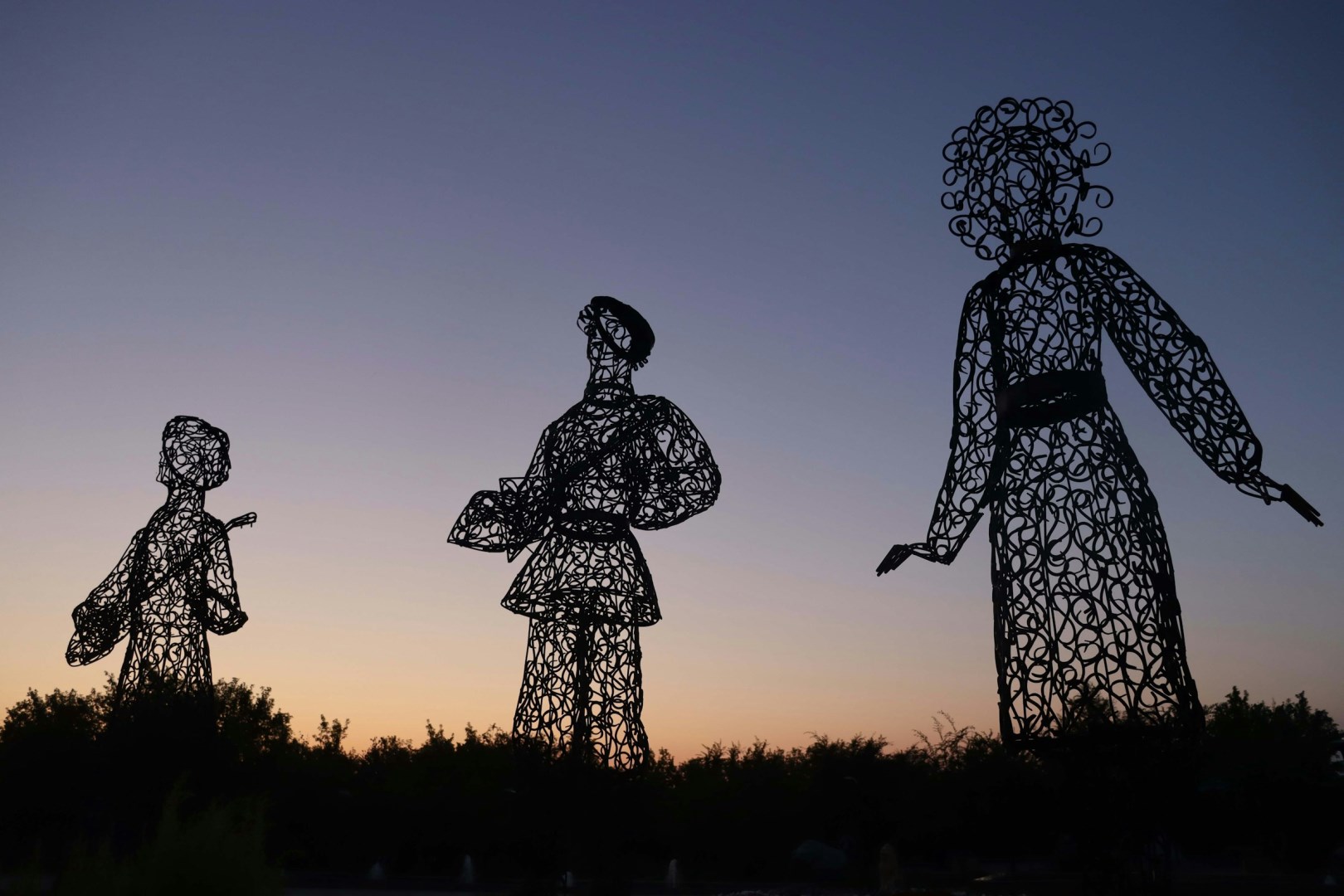
Temirtau
Temirtau is an industrial city in central Kazakhstan, located in the Karaganda Region on the Nura River near the Samarkand Reservoir. Its landscape combines broad steppe with the waterways and low hills of central Kazakhstan, while the city itself is strongly associated with metallurgy and heavy industry. Large industrial facilities form an important part of its skyline and local economy.
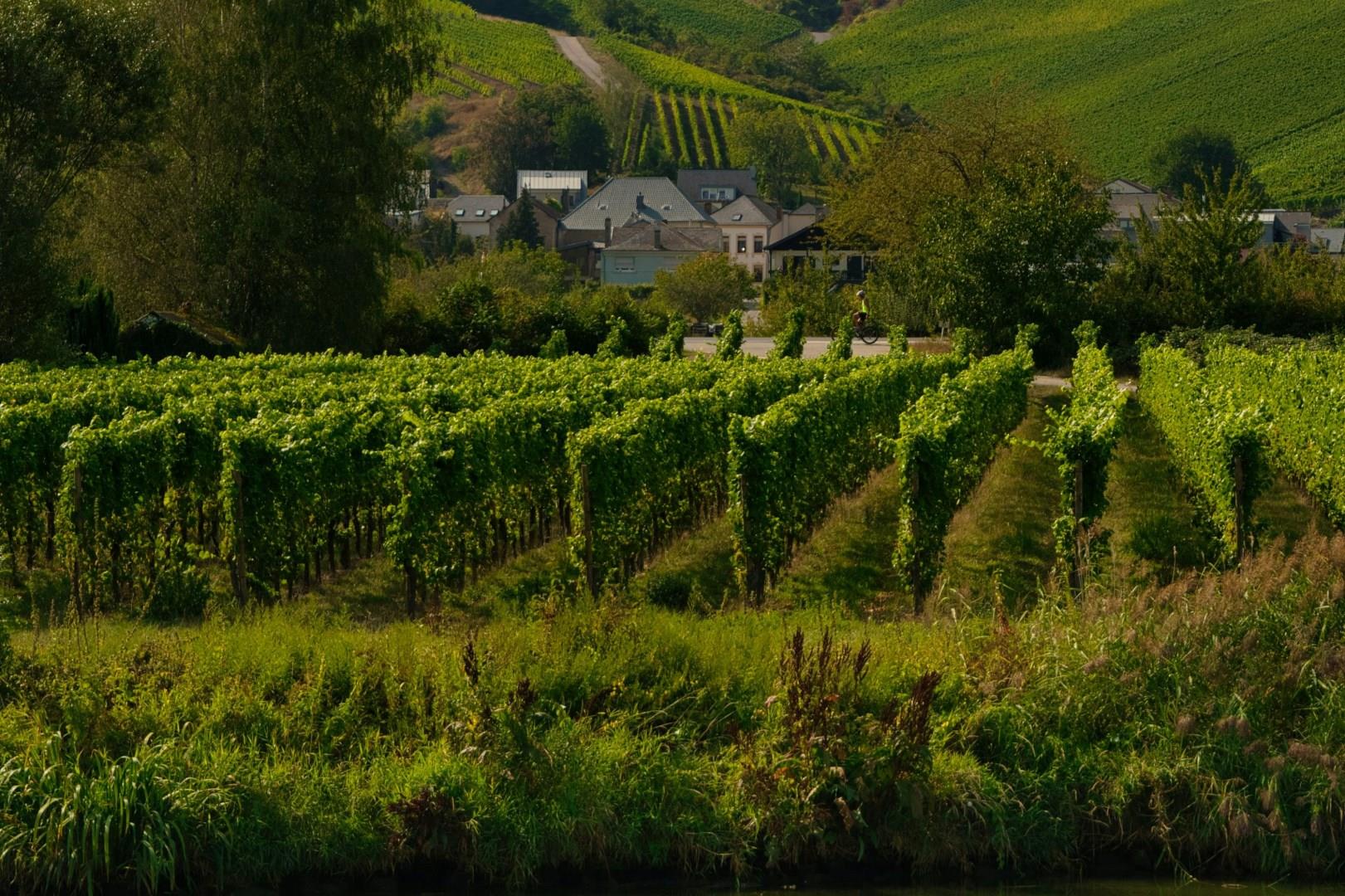
Remich
Remich, often referred to as the “Pearl of the Moselle,” is a captivating town nestled along the Moselle River in Luxembourg. This riverside gem is known for its historic vineyards that have shaped the region’s culture for centuries. Visitors can stroll along the river promenade, enjoying views of the gently flowing water framed by rolling hills covered in vineyards that produce some of Luxembourg’s finest wines.
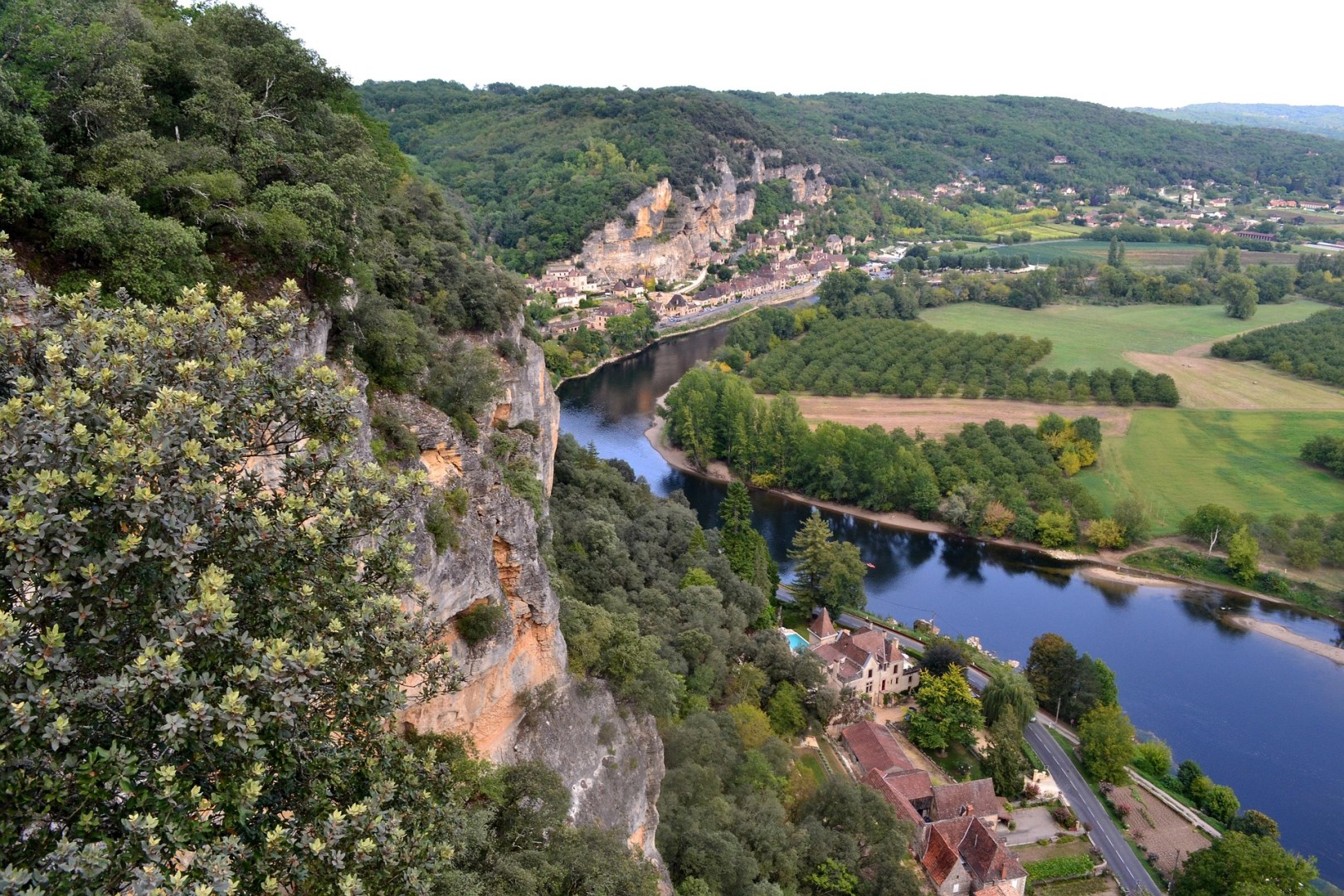
Dordogne River
The Dordogne River flows from the mountains of Auvergne to Bordeaux through the magnificent French countryside. The valley area named for the river is full of bucolic scenery, dotted with welcoming rural villages, quaint riverside castles, and plenty of opportunities for gourmet meals in true French tradition.