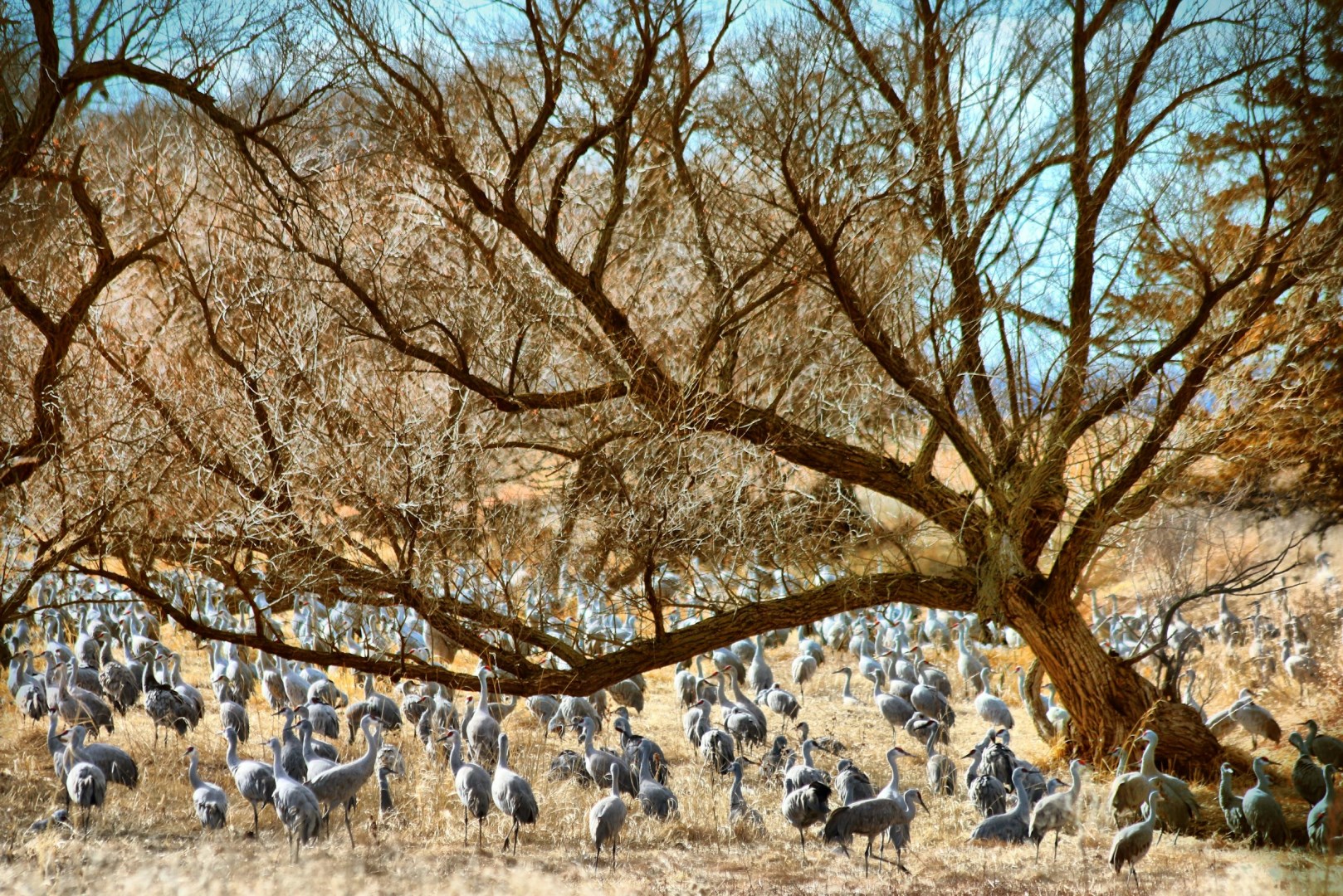
Nebraska
Nebraska, often referred to as the "Heartland of America," is a hidden gem for travelers seeking natural beauty, rich history, and vibrant culture. While it may be best known for its vast plains, Nebraska offers so much more to those who take the time to explore. The capital city, Lincoln, is home to attractions like the stunning Nebraska State Capitol, an Art Deco masterpiece.

Utrecht
Utrecht, a charming city in the Netherlands, offers a captivating blend of history, culture, and modern vibrancy. Dominated by its striking Dom Tower, the tallest church tower in the Netherlands, Utrecht invites visitors to climb its 465 steps for panoramic views of the city and the surrounding countryside.

Klaksvik
Klaksvík, the second-largest town in the Faroe Islands, is a must-visit destination for those seeking a blend of nature, culture, and modern amenities. Nestled between two majestic fjords, this picturesque fishing town is surrounded by towering mountains and offers a stunning natural backdrop at every turn.

Lake Garda
Lake Garda, Italy's largest and most captivating lake, is a blend of natural beauty, rich history, and vibrant culture that makes it an irresistible destination for travelers. Surrounded by majestic mountains and lush Mediterranean vegetation, Lake Garda's azure waters sparkle under the sun, creating an idyllic backdrop for exploration and relaxation.
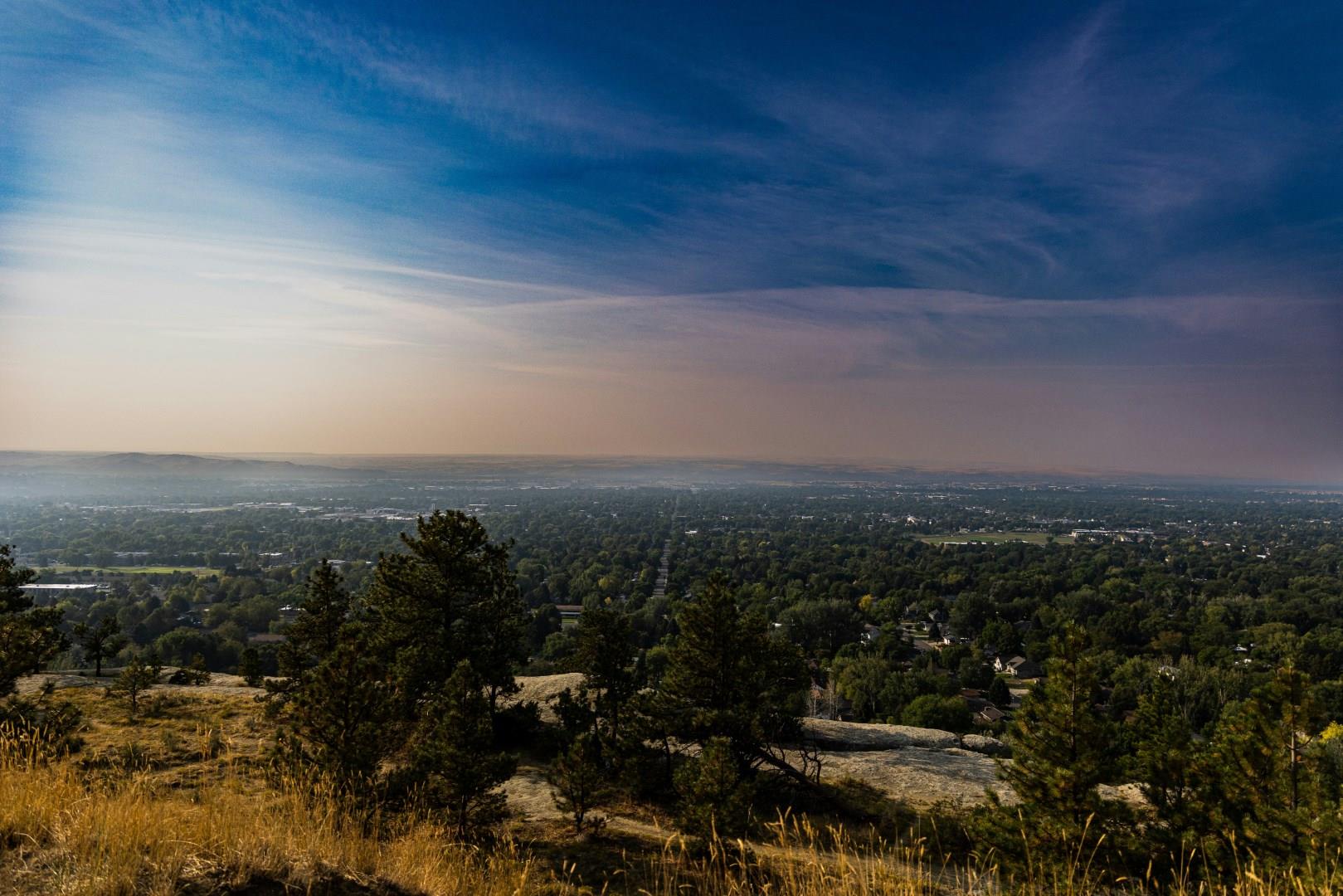
Billings
Billings, Montana sits on the edge of the vast plains and at the base of ancient sandstone cliffs known as the Rimrocks. These formations frame the city and provide miles of scenic overlooks, hiking trails, and even fossil beds. From Swords Park, visitors can walk or bike along the paved trail that follows the rim’s edge, offering sweeping views of downtown, the Yellowstone River, and distant snowcapped peaks.