Costa del Sol
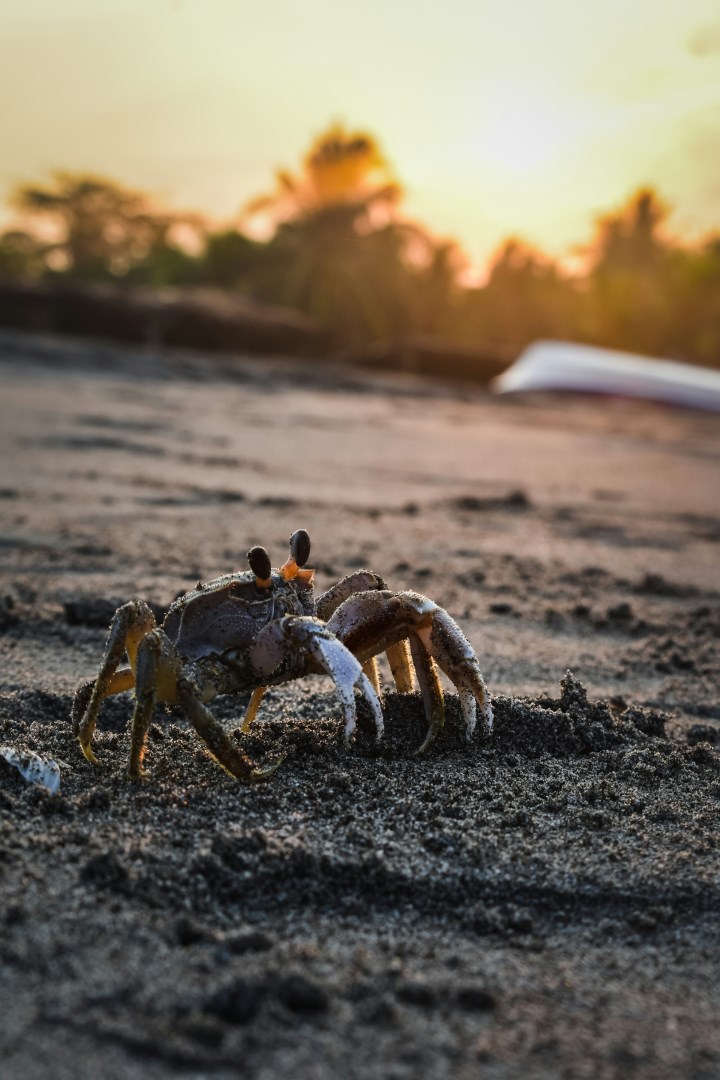
Costa del Sol is a coastal resort area in the department of La Paz, extending along a long sandbar between the Pacific Ocean and the estuary system of the Jaltepeque River. Its landscape combines broad sandy beaches, coastal vegetation, tidal channels, mangroves, and calm waterways, creating a setting that differs from El Salvador's more rugged volcanic coastline.
Baltra
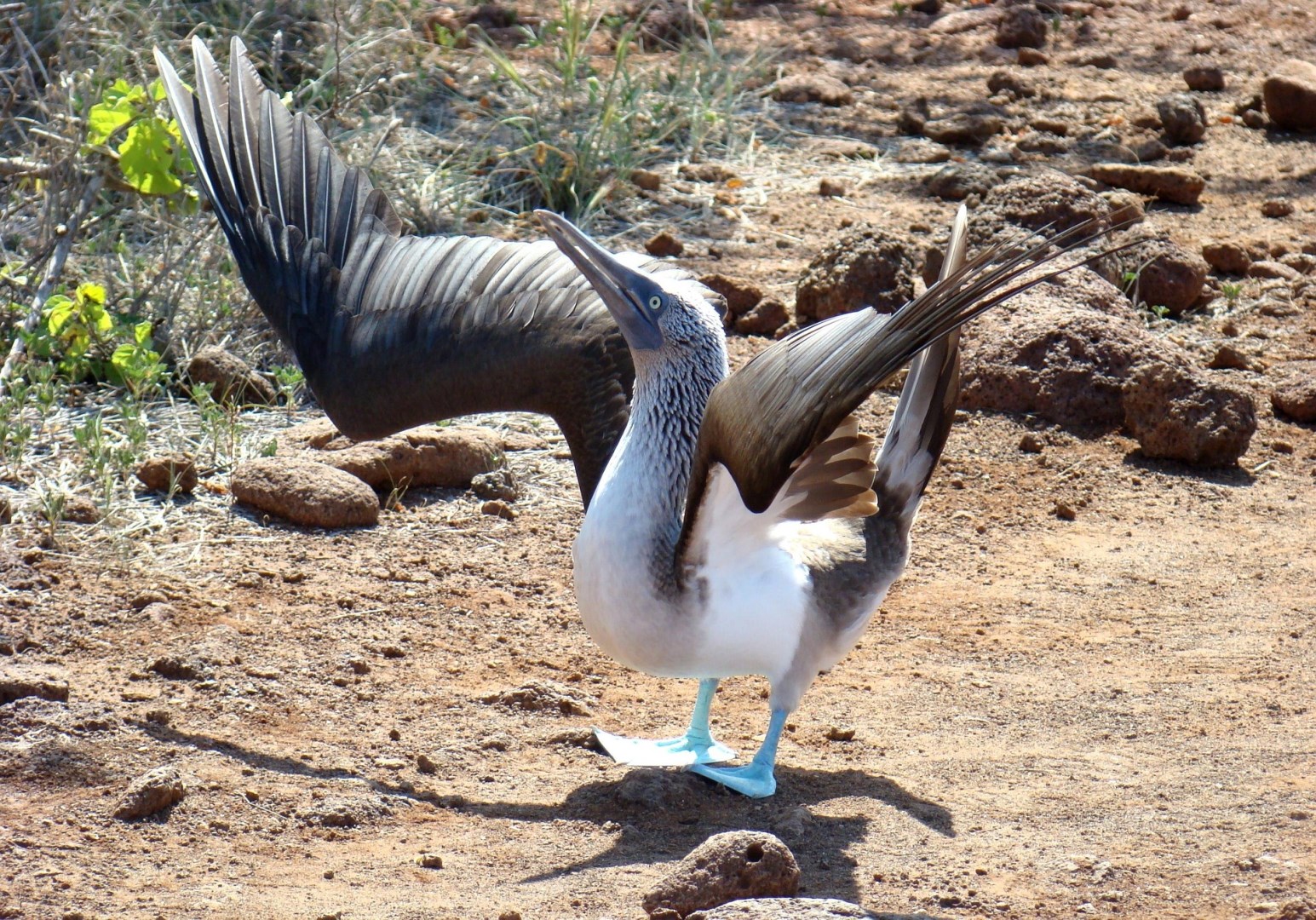
Baltra is a small island in Ecuador’s Galápagos archipelago, located just north of Santa Cruz Island. Although it has limited permanent settlement and little vegetation compared to other islands in the region, Baltra plays an important role as one of the main transportation gateways to the Galápagos.
Saunders Island
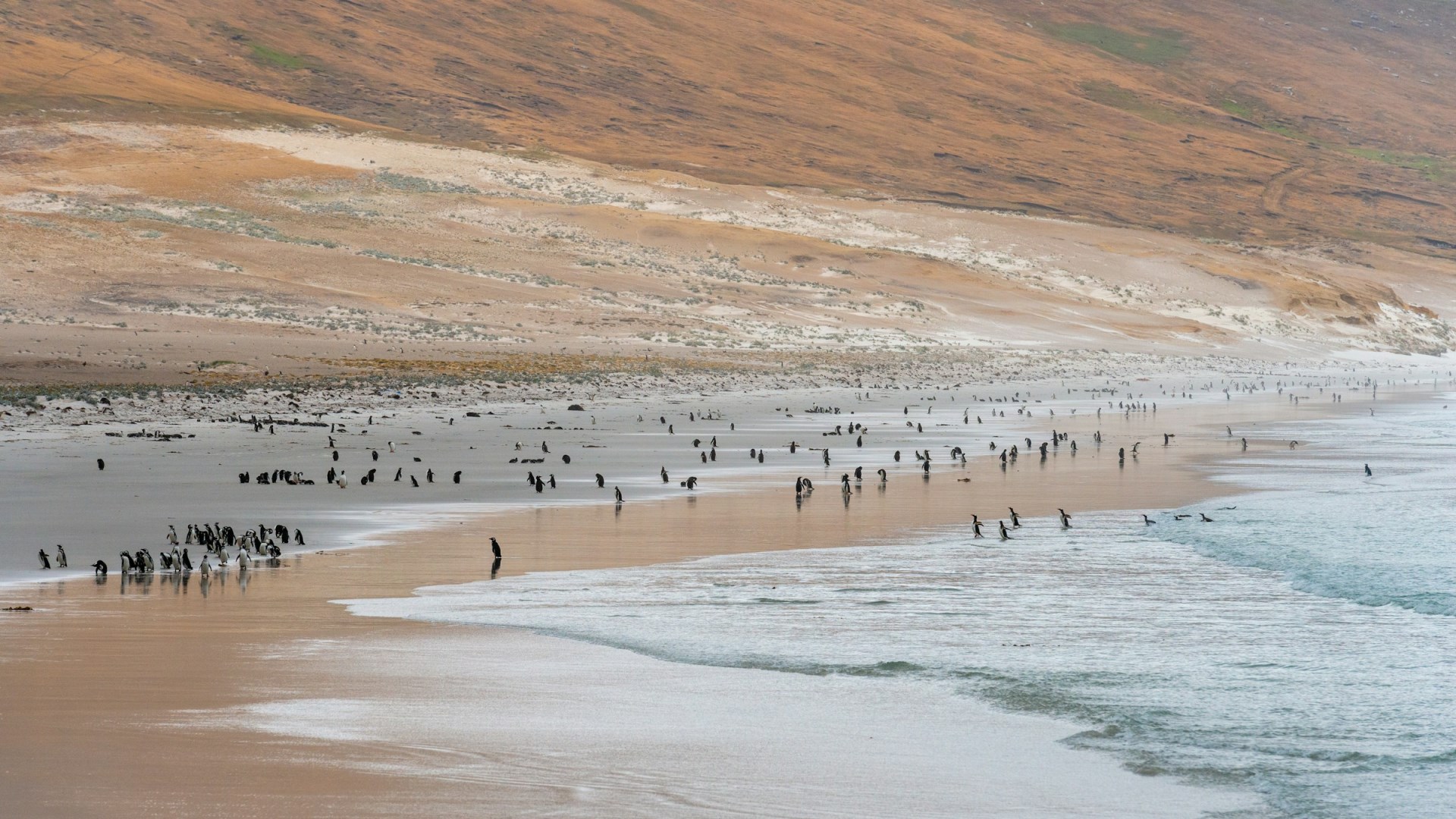
Saunders Island, located in the northwestern part of the Falkland Islands, is a haven for wildlife enthusiasts and history buffs alike. This remote and rugged island, covering over 49 square miles, offers visitors the chance to experience nature at its most pristine. Saunders Island is one of the few places in the world where you can observe five species of penguins, Gentoo, King, Magellanic, Rockhopper, and the occasional Macaroni, all in one location.
Arikok National Park
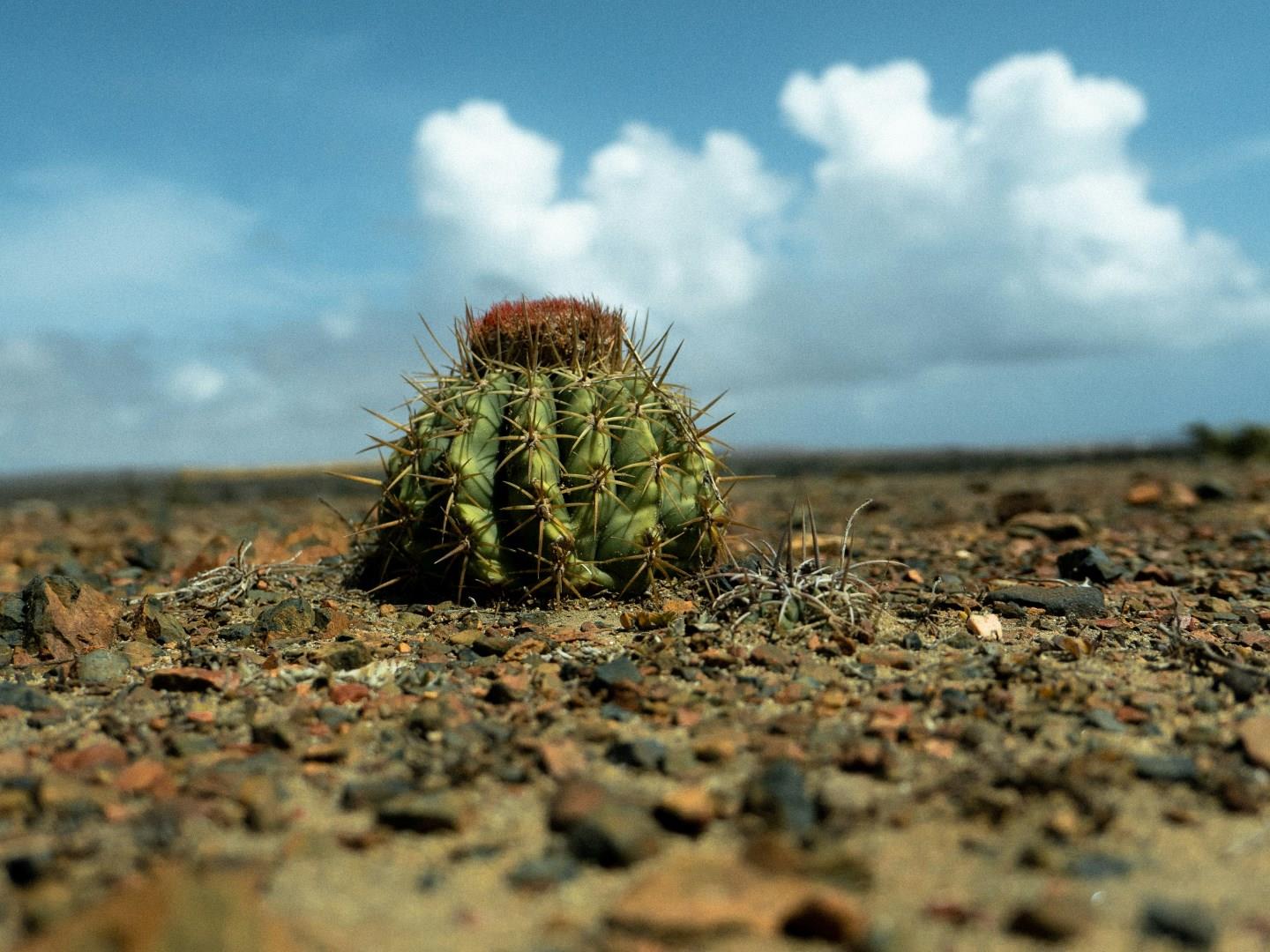
Arikok National Park, covering nearly 20% of Aruba, is a striking showcase of the island’s rugged landscapes, cultural history, and biodiversity. Unlike the postcard image of Aruba’s white-sand beaches, Arikok reveals a wilder side, with windswept hills, desert-like terrain, and dramatic limestone cliffs meeting the sea.
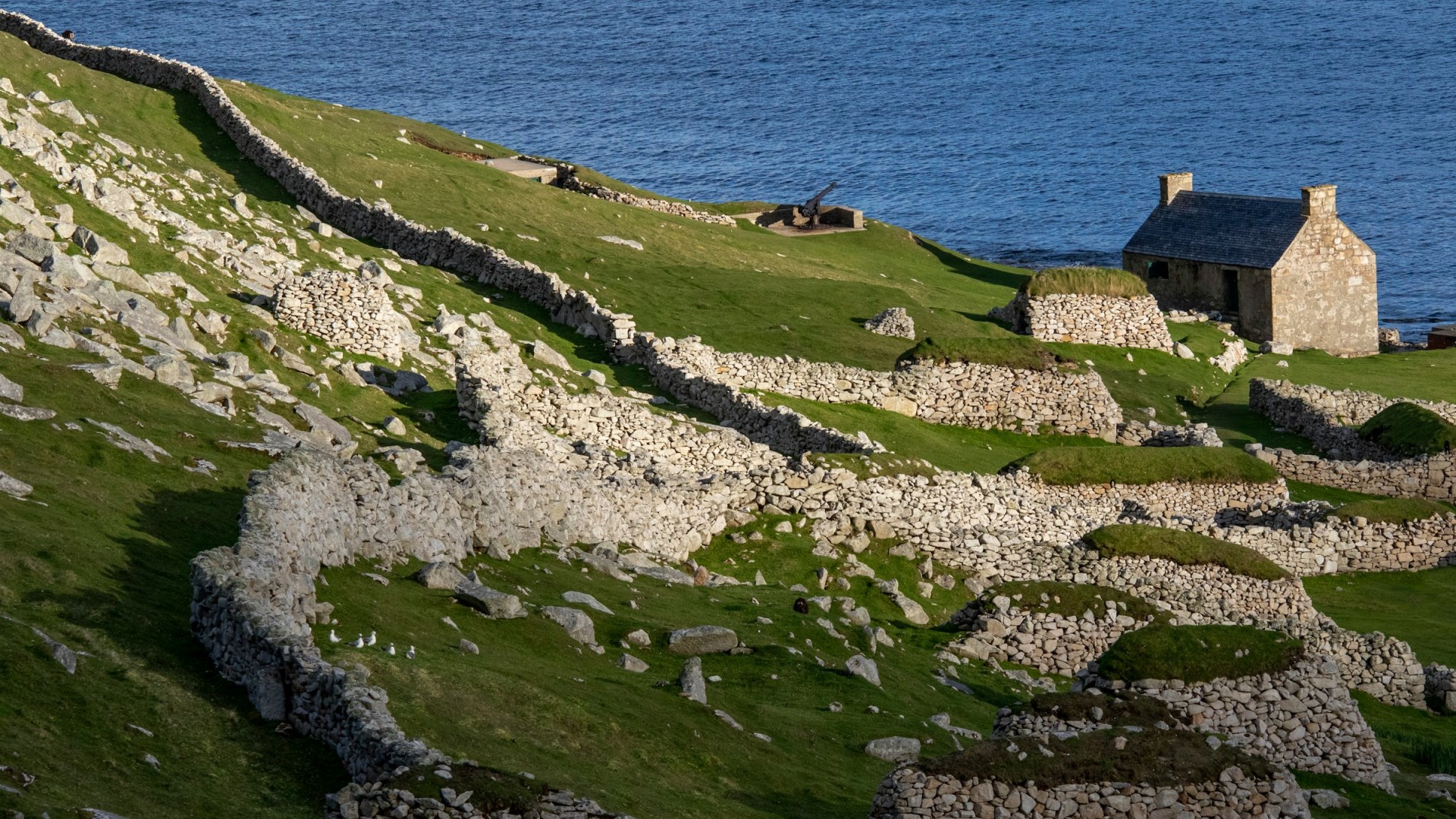
St. Kilda
St Kilda is a remote volcanic archipelago in the Atlantic Ocean, far west of Scotland’s Outer Hebrides. The group consists of Hirta, Dun, Soay, and Boreray, along with numerous sea stacks and smaller formations. Hirta is the largest island and contains the remains of the former settlement around Village Bay. No permanent civilian population lives on St Kilda today, although conservation workers, researchers, and Ministry of Defence personnel occupy Hirta at various times.