The picturesque city of Rab, located on Rab Island in Croatia, offers a delightful blend of medieval charm and stunning natural beauty. Known for its well-preserved Old Town, Rab features a network of narrow, cobblestone streets lined with historic buildings that reflect its rich past.
Patagonia, Argentina, is a land of untamed beauty, where jagged peaks, expansive glaciers, and crystal-clear lakes come together to create one of the most awe-inspiring landscapes on Earth.
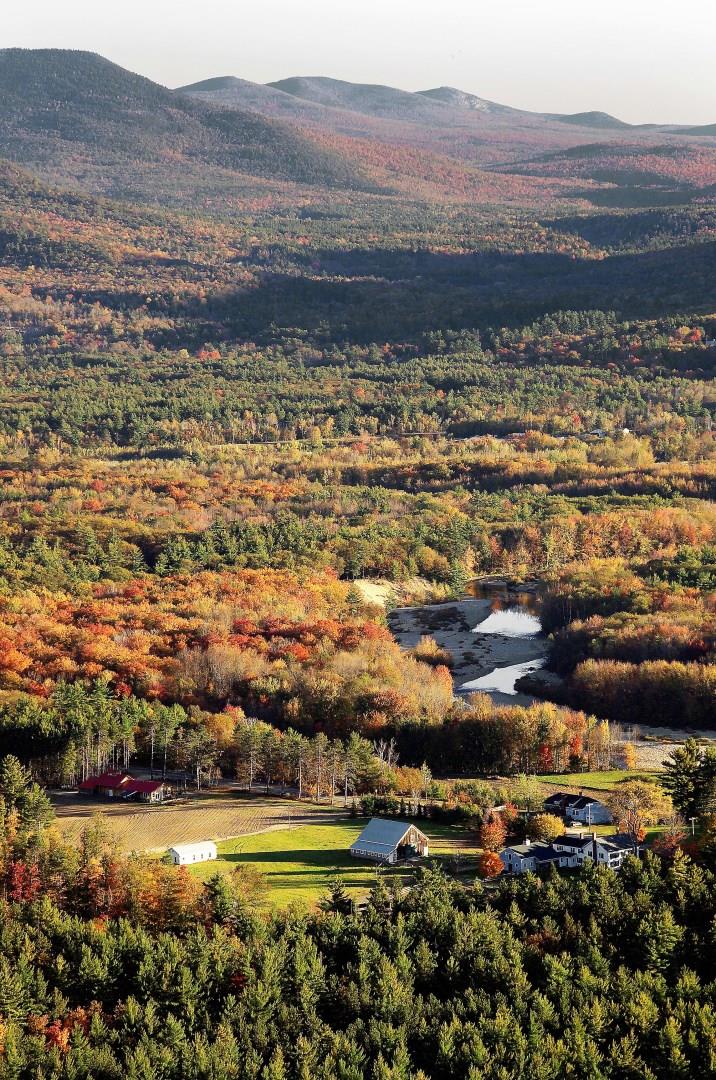
Bartlett, New Hampshire is a small White Mountains town with a deep connection to outdoor adventure and quiet mountain charm. Founded in the late 18th century, Bartlett began as a logging and railroad hub, and remnants of that past still echo through its historic buildings and covered bridges. The Bartlett Roundhouse, a relic from the town’s railway days, now serves as a museum and reminder of how trains once connected this remote region to the rest of New England.
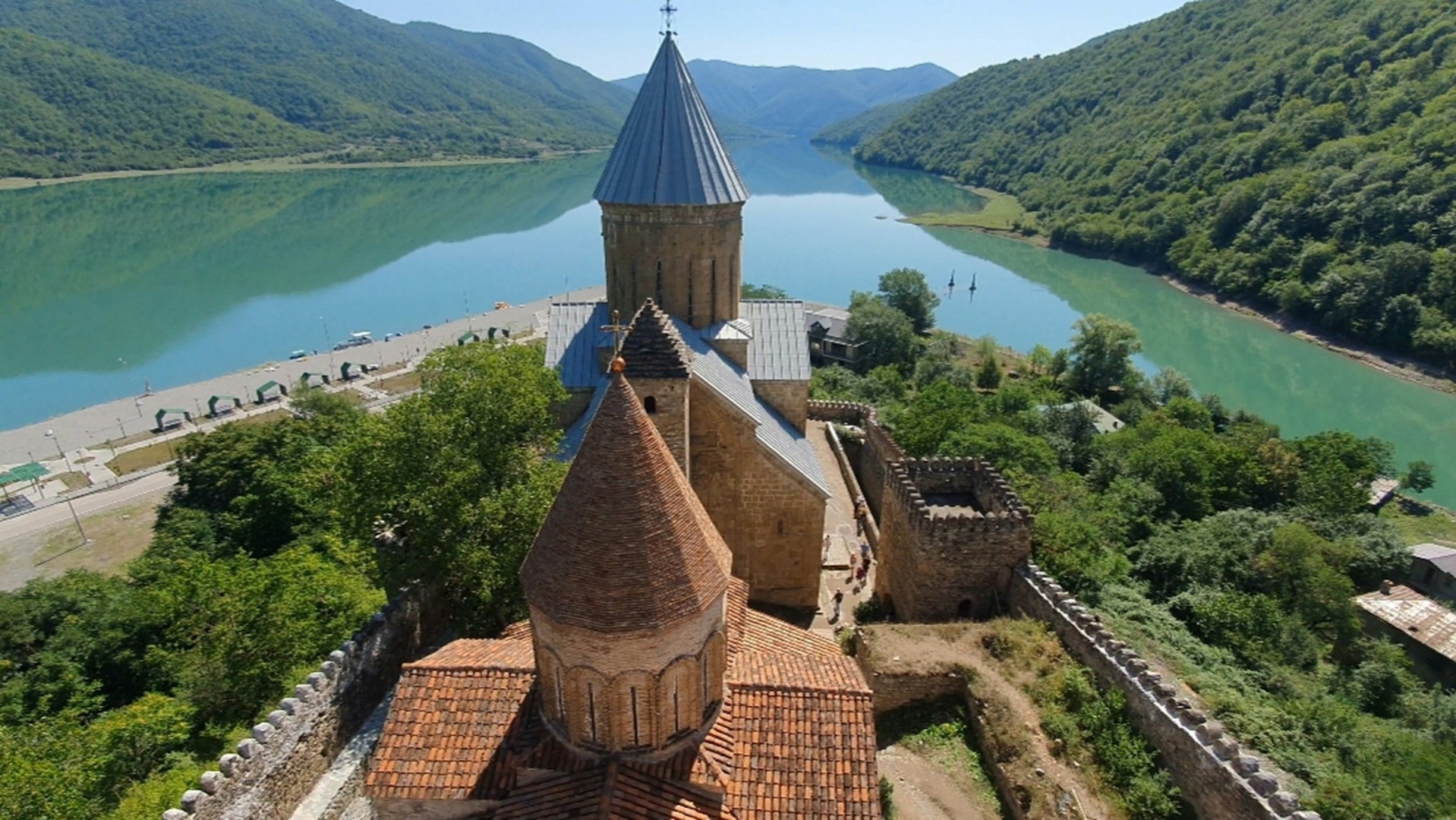
Ananuri is a historic fortified complex in northern Georgia, set beside the Zhinvali Reservoir on the Aragvi River. Its stone walls, towers, churches, and defensive structures rise above the reservoir and the surrounding wooded mountains, creating one of the most recognizable historic landscapes along the Georgian Military Highway.
Nestled in the heart of the Andean mountains, Colombia's Coffee Region, or “Eje Cafetero,” is a lush tapestry of rolling hills, fertile valleys, and towering wax palms. This UNESCO World Heritage-listed landscape is more than just the epicenter of Colombia's coffee production—it is an invitation to explore a culture steeped in tradition, warmth, and a deep appreciation for the natural world.
Photo Credit: hoto by Wim van 't Einde on Unsplash
Photo Credit: Photo by Abbas Jamie on Unsplash
Photo Credit: Photo by Hongbin on Unsplash
Photo Credit: Photo by Mohamed Abira on Unsplash
Photo Credit: Photo by Hongbin on Unsplash
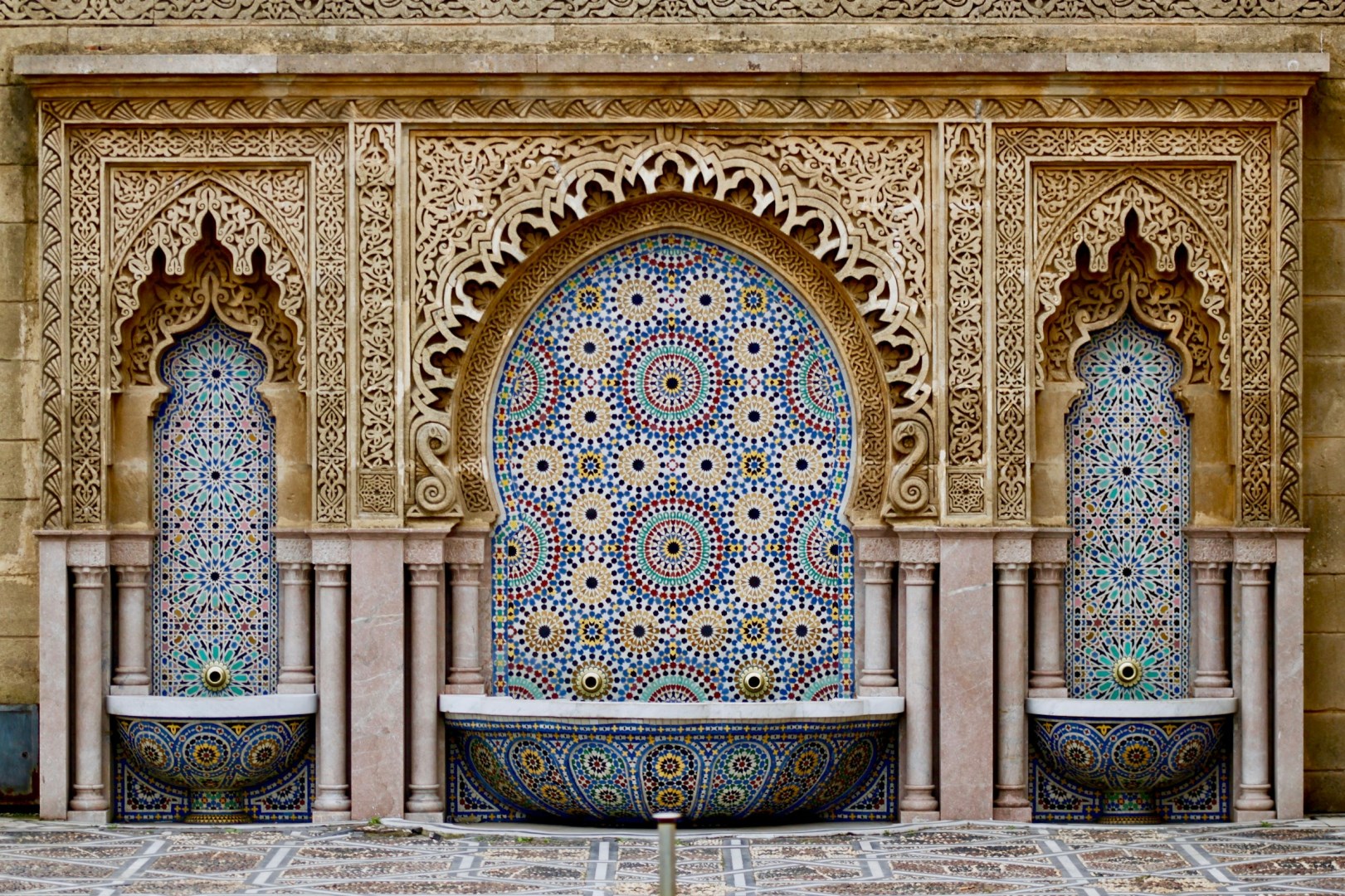
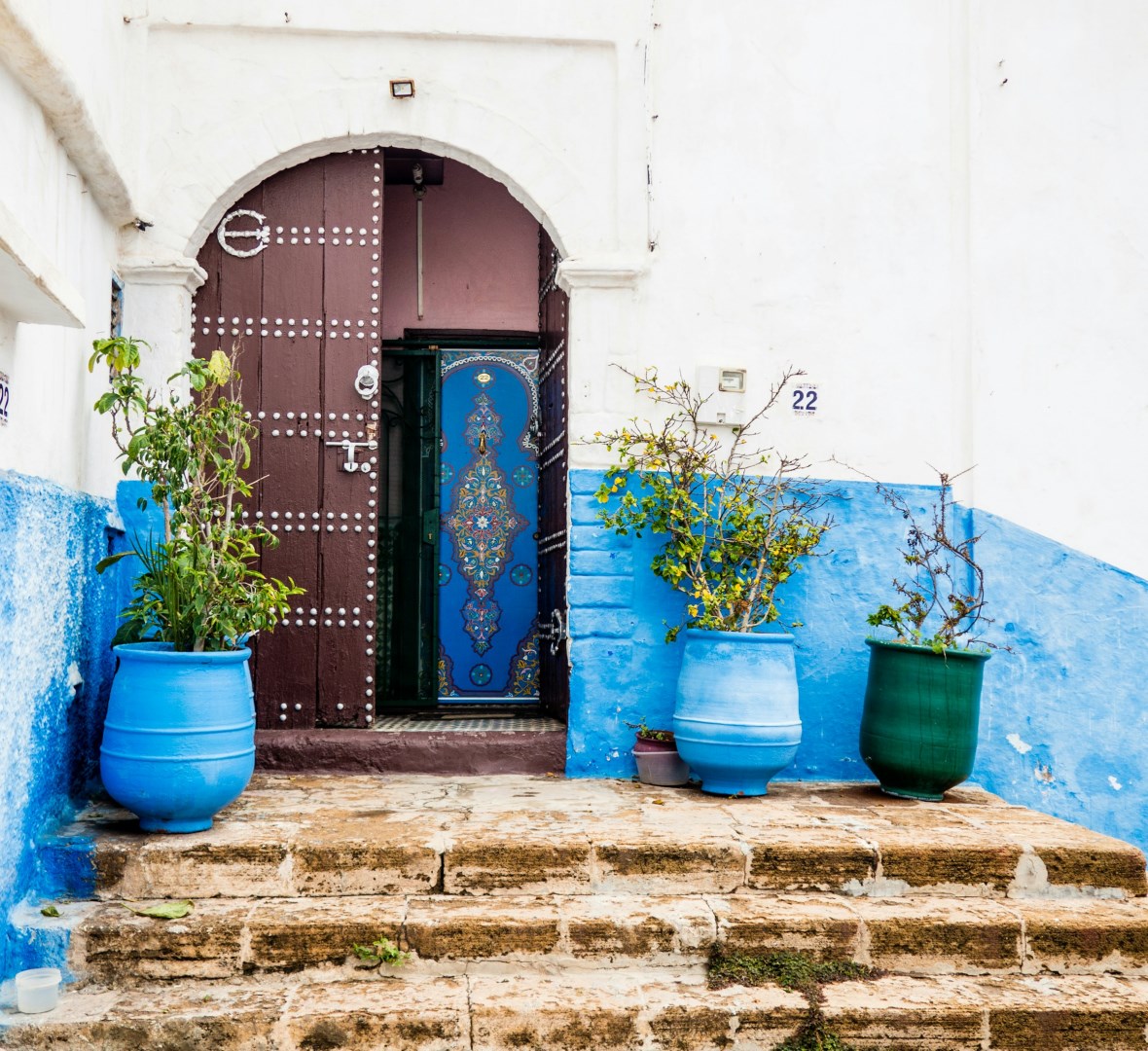
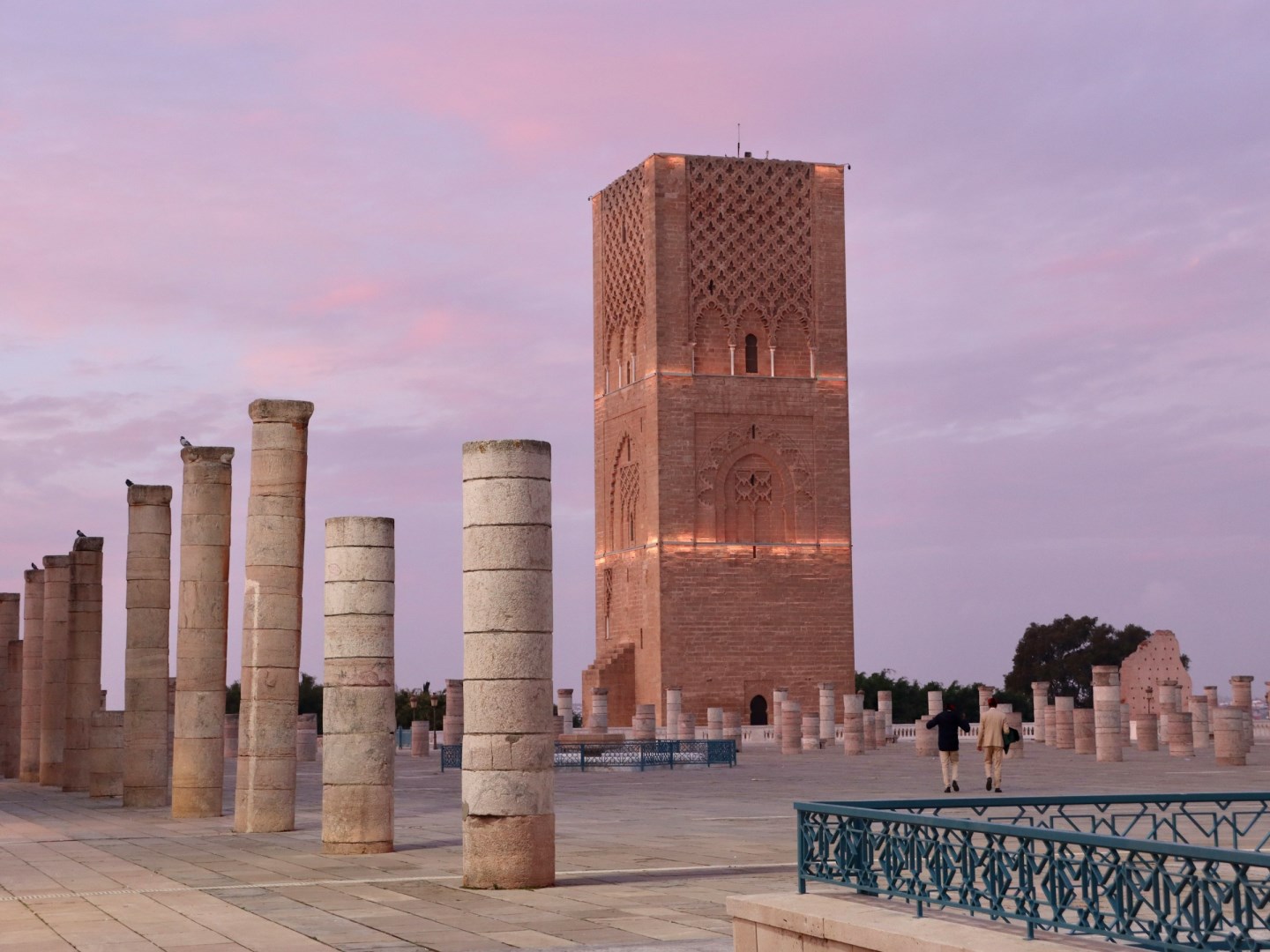
Rabat, the capital of the kingdom of Morocco, is located on the edge of the Atlantic Ocean on the left bank of the Bou Regreg Estuary. A city of trees and flowers, Rabat combines peace, beauty and Serenity, and is steeped in history. It is the residence of the King and the seat of government and embassies. Hassan II Avenue follows the Undulations' Wall, built in the seventeenth century, and separating the modern city from the medina.
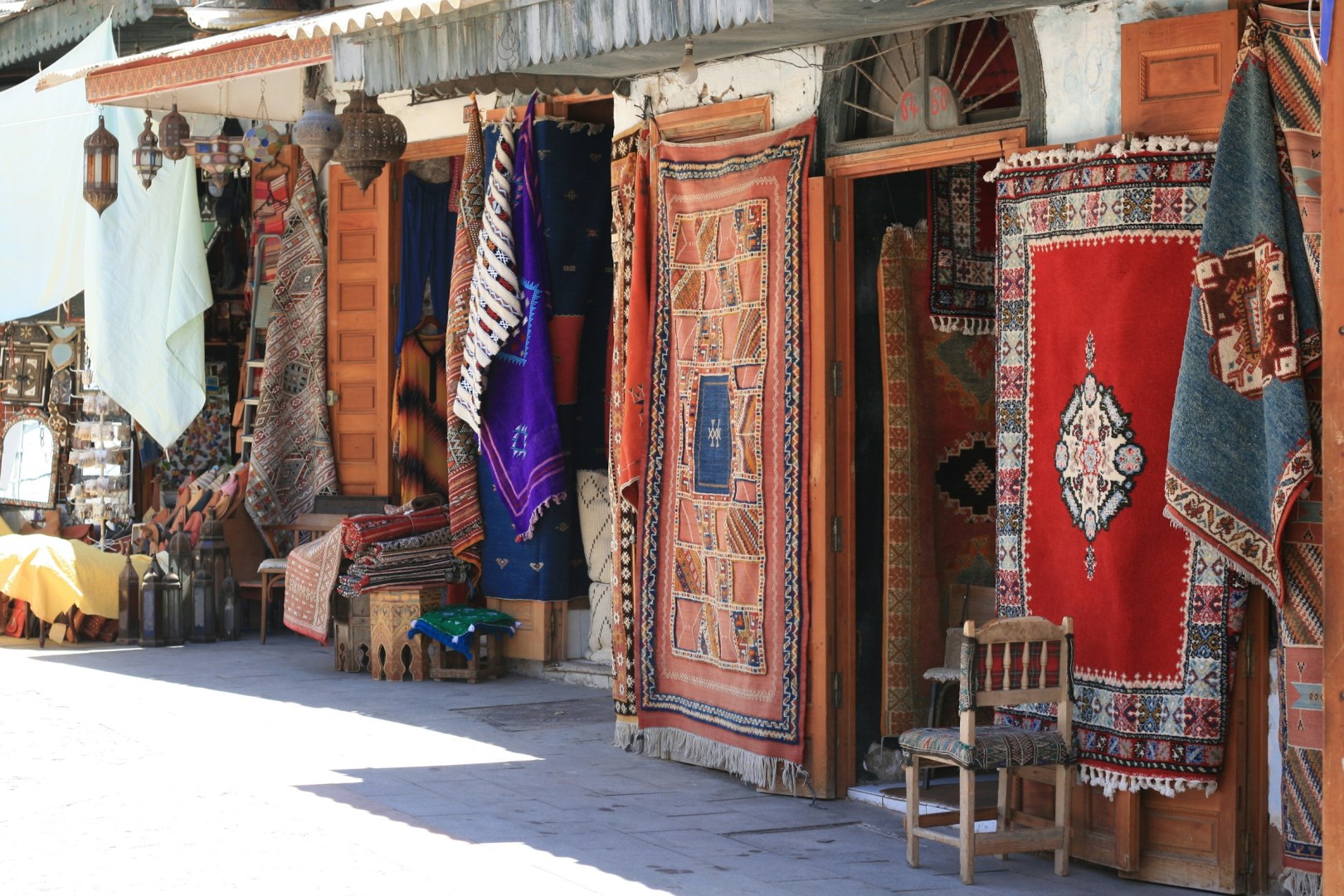
Souika Street is the main artery in the medina. The many foundouks (traditional cafes) and shops always give this axis a very lively atmosphere. The babuche and Moroccans leather ware sellers occupy "Sebbat Souk" (the footwear market), which is easily distinguished by the mat roofing. Going along Consules Street, where foreign diplomats lived until 1912, you will find curiosities, souvenirs and traditional Moroccan items: worked copper, worked leather, silk embroidery, Sale mats and the famous Rabat carpets.
Other Popular Destinations in Morocco
Marrakesh
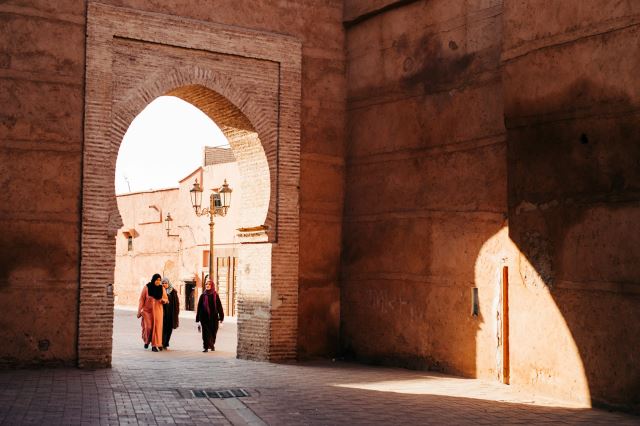
Marrakesh, a vibrant jewel in the heart of Morocco, is a city where ancient traditions blend seamlessly with modern allure. Known as the "Red City" for its rose-hued buildings and walls, Marrakesh offers a sensory experience unlike any other. The city’s medina, a UNESCO World Heritage Site, is a labyrinth of narrow alleyways, bustling souks, and hidden courtyards.
Fès
A series of gates surrounds the two centers of ancient, medieval Fez (sometimes spelled Fes). The principal axes link the center to the gates and a street surrounds the heart of the old city. The Kairouan quarter, which is longer, is crossed by an artery. Narrow, tortuous pedestrian streets, covered passages, stairs and numerous dead-ends make up the dense layout with few urban squares.