Saly
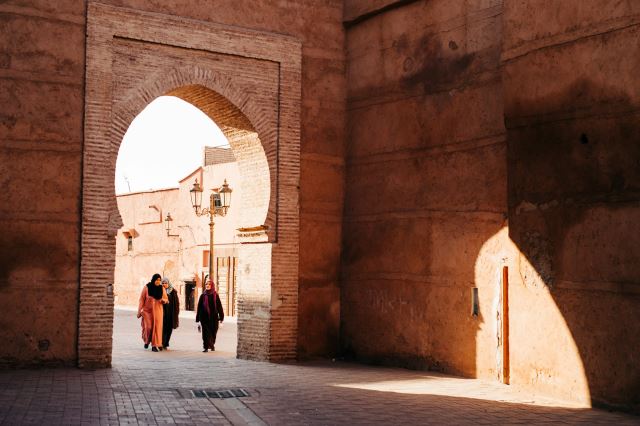
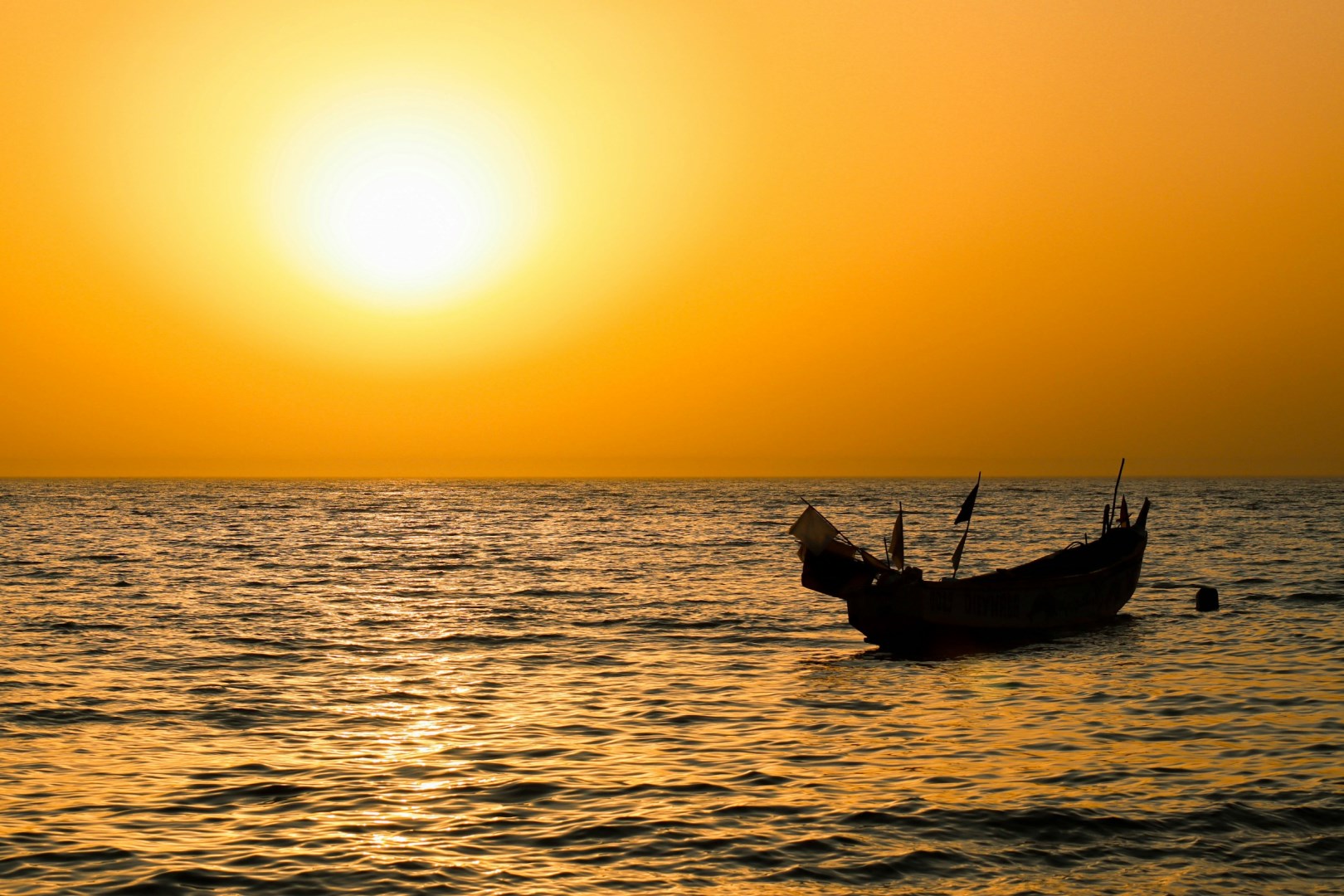
Saly is a coastal resort town on Senegal’s Petite Côte, south of Dakar and near the city of Mbour. It developed around a broad Atlantic shoreline, with sandy beaches, palm-lined streets, hotels, guesthouses, restaurants, and small businesses serving both residents and visitors. The surrounding area combines coastal dunes, scrubland, fishing communities, and lagoons, while the nearby town of Mbour remains an important fishing and trading center.
Niigata
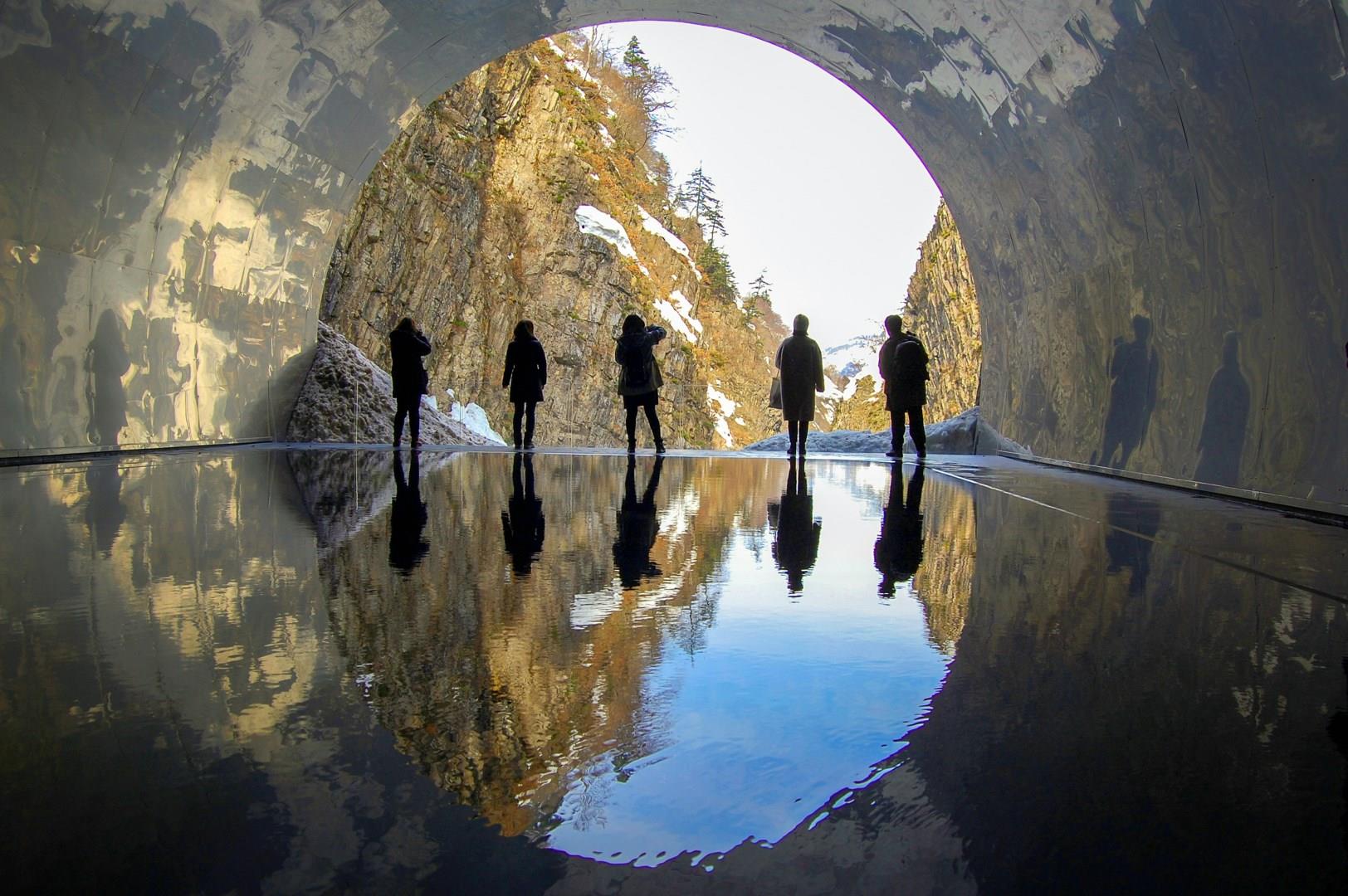
Niigata sits along the Sea of Japan on Honshu’s west coast, a place where long winters and bright summers shape its traditions and flavors. For centuries this region has produced some of Japan’s finest rice, especially the Uonuma Koshihikari variety known for its rich taste and texture. That quality rice helps make Niigata sake famous across the country, and visitors can sample more than 90 local brews at tasting spots such as Ponshukan inside Niigata Station.
Campo Grande
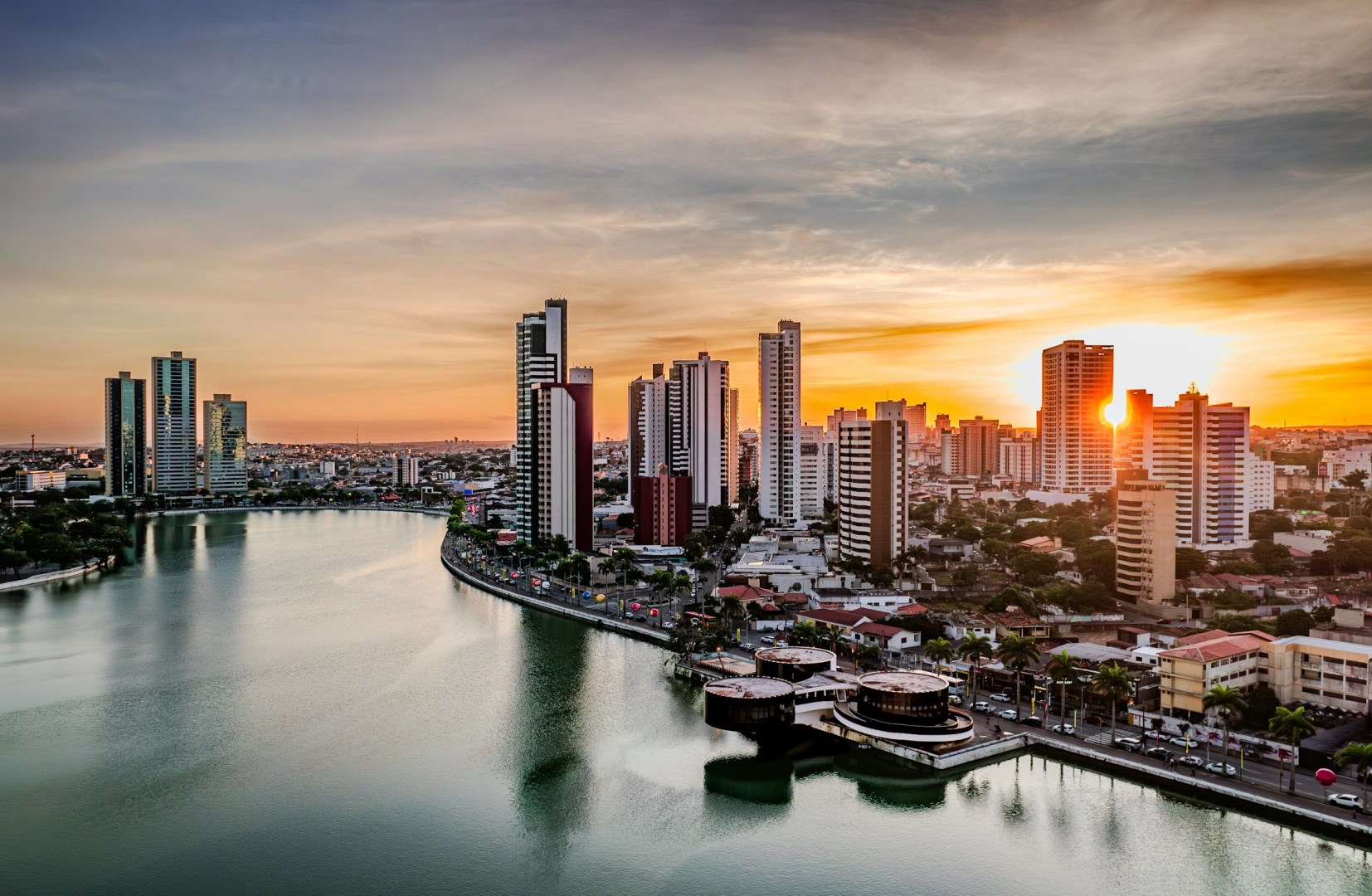
Campo Grande is the capital of Mato Grosso do Sul in central-western Brazil and an important urban gateway to the southern Pantanal and destinations such as Bonito. The city is often known as Cidade Morena, a reference to the reddish soil found across the region. Its broad avenues, parks, and low-density neighborhoods reflect its location on the edge of the Brazilian interior, where urban life meets ranching country and cerrado landscapes.
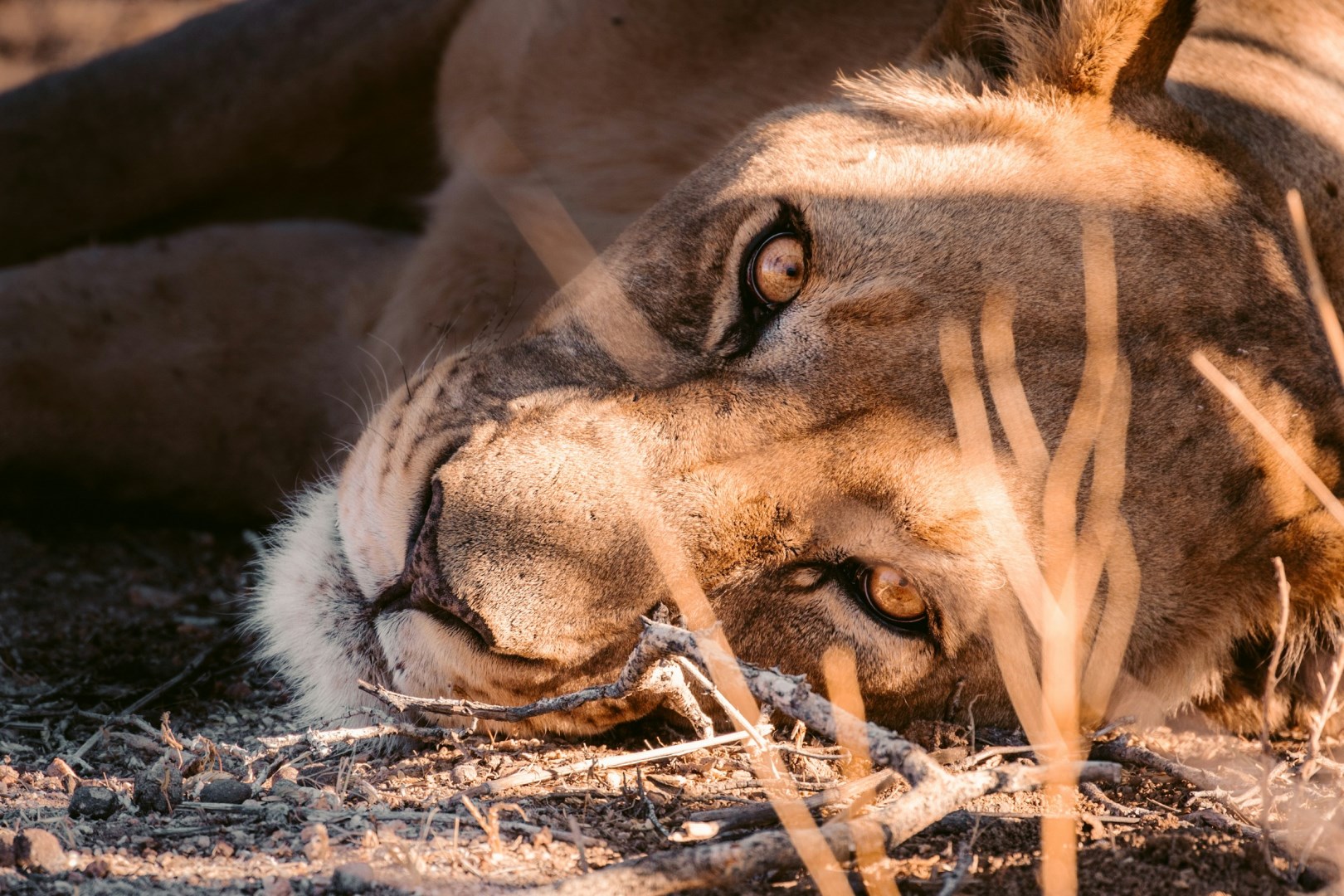
Erindi Private Game Reserve
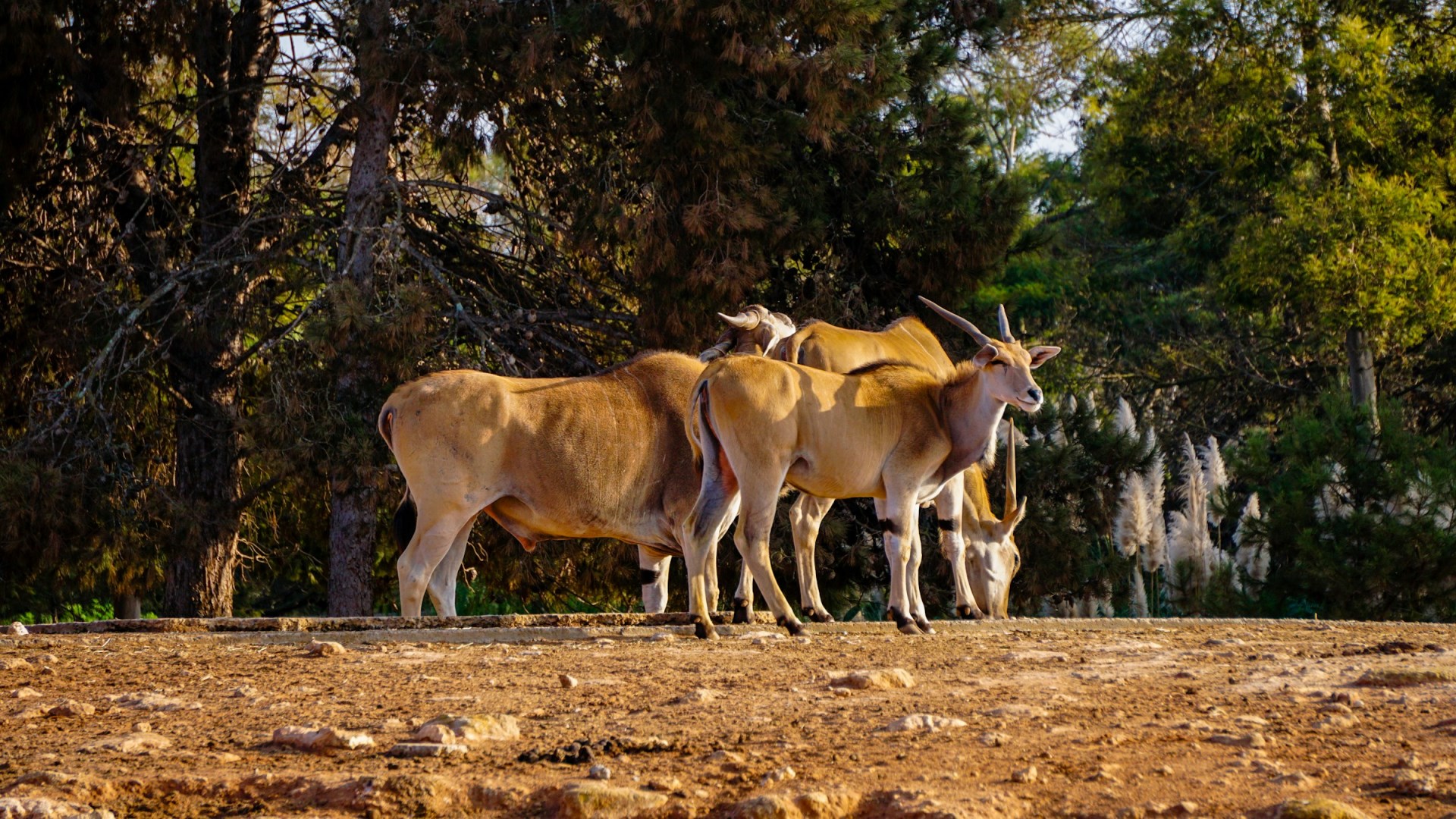
Erindi Private Game Reserve is a large wildlife area in central Namibia, situated between Windhoek and the coast. The reserve covers a broad landscape of open savanna, dry woodland, rocky hills, and seasonal watercourses. Its name comes from a Herero word meaning “place of water,” reflecting the importance of water sources within the reserve’s semi-arid environment.

Dakar
Dakar, the lively capital of Senegal, stands at the edge of the Atlantic Ocean on the Cape Verde Peninsula. As the westernmost city on the African mainland, it has long been a crossroads of cultures, trade, and ideas.