Cheju
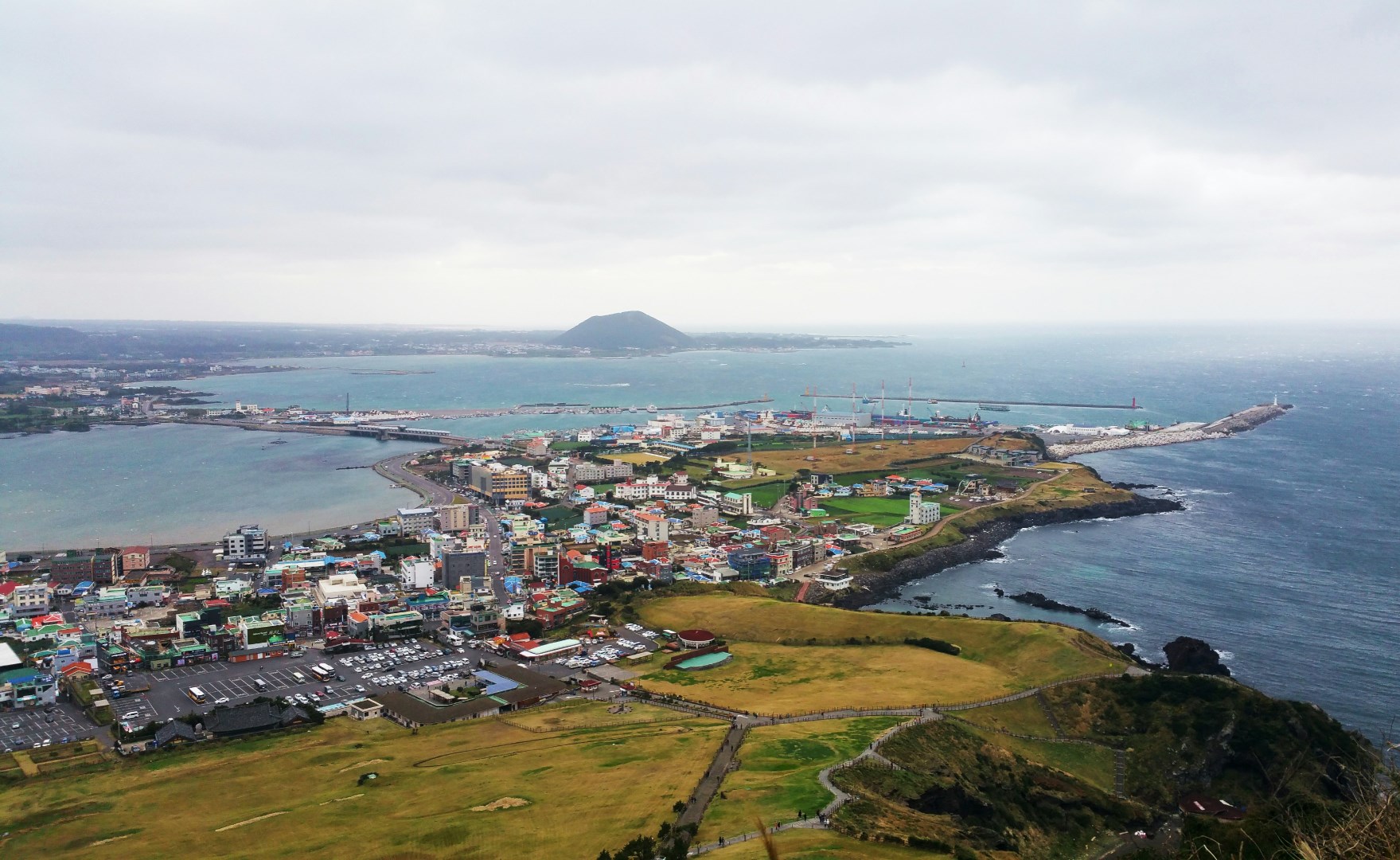
Jeju, often written as Cheju in older English sources, is South Korea’s largest island and lies in the Korea Strait south of the Korean Peninsula. The island is known for its volcanic landscapes, coastal cliffs, lava tubes, and the prominent peak of Hallasan, which rises at its center.

Abidjan
Abidjan, the largest city in Ivory Coast, is a vibrant coastal hub known for its striking skyline, lively markets, and cultural energy. Situated along the Ébrié Lagoon, it serves as the country’s economic and commercial center, blending modern urban life with West African traditions. Nicknamed the “Paris of West Africa,” Abidjan offers a dynamic mix of business districts, beachside neighborhoods, and green spaces that reflect its diverse character.
Ilulissat
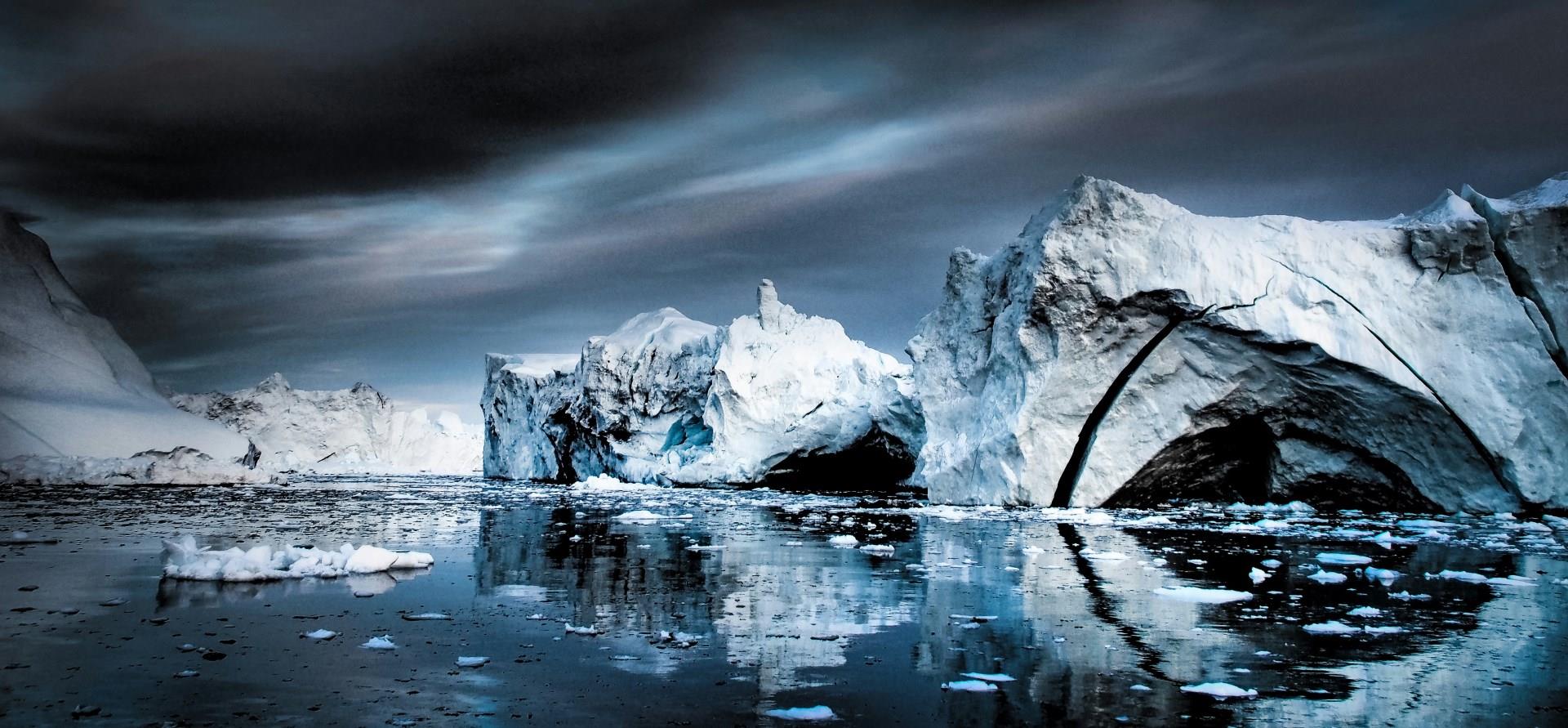
On Greenland’s west coast, Ilulissat (once known as Jakobshavn) welcomes travelers with astonishing ice scenery and a sense of scale that feels almost otherworldly. The town sits beside Disko Bay, where immense icebergs drift silently past, glowing pink and gold in the Arctic light. The name “Ilulissat” means “icebergs,” and it could not be more fitting. Here, every turn toward the sea offers a fresh view of towering ice forms, each one sculpted by nature into something fleeting and beautiful.
Episkopi
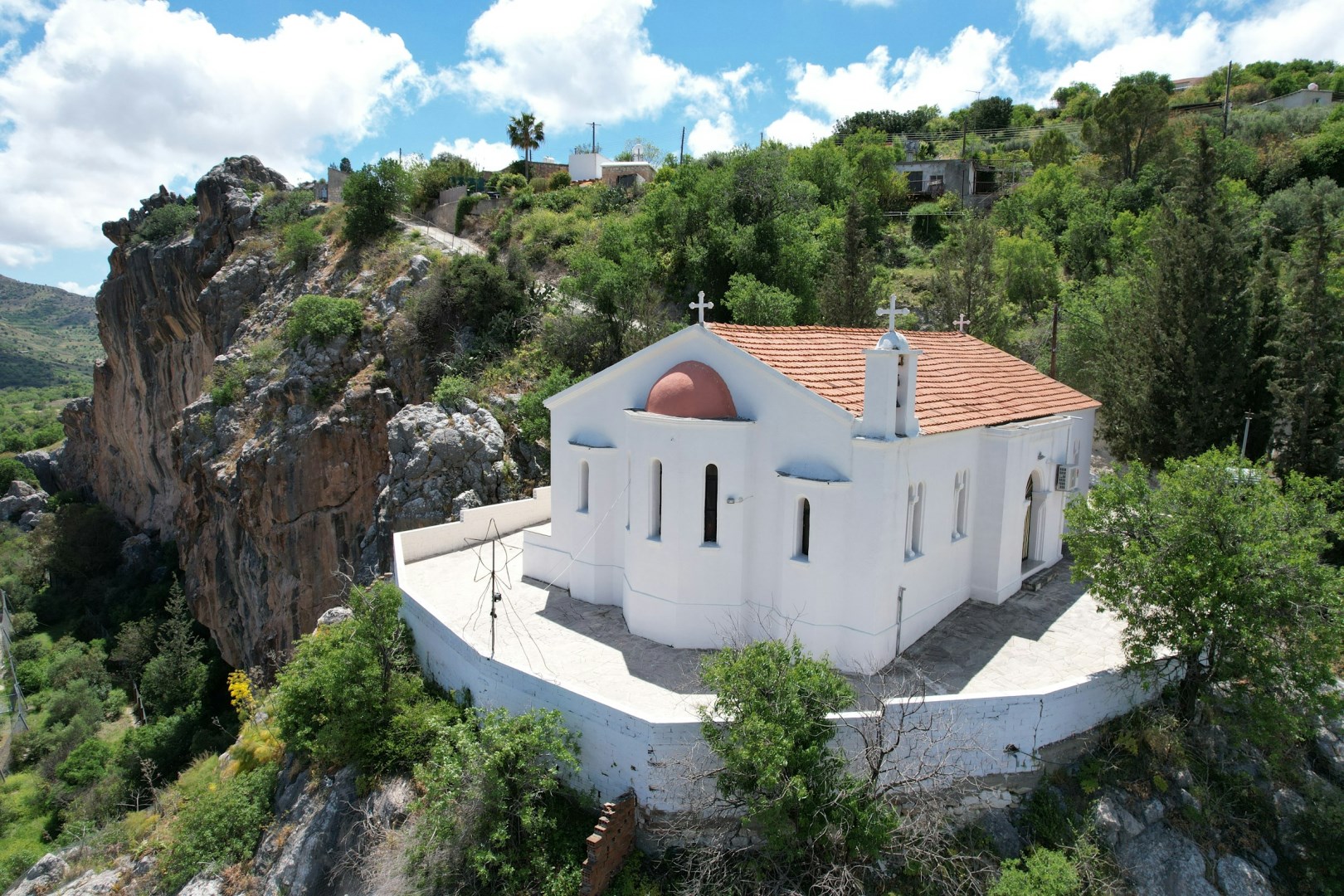
In southern Cyprus, this ancient area includes the Kolossi Castle, Kourion Basilica and Museum, and many other historical sites.

Kakadu National Park
Kakadu National Park, a UNESCO World Heritage site located in Australia’s Northern Territory, is a breathtaking destination that offers an unparalleled blend of natural beauty, ancient cultural heritage, and thrilling adventure. Visitors can explore a rich tapestry of landscapes, from rugged escarpments and floodplains teeming with wildlife to serene waterfalls and billabongs that capture the essence of Australia’s Top End.