Palo Duro Canyon State Park
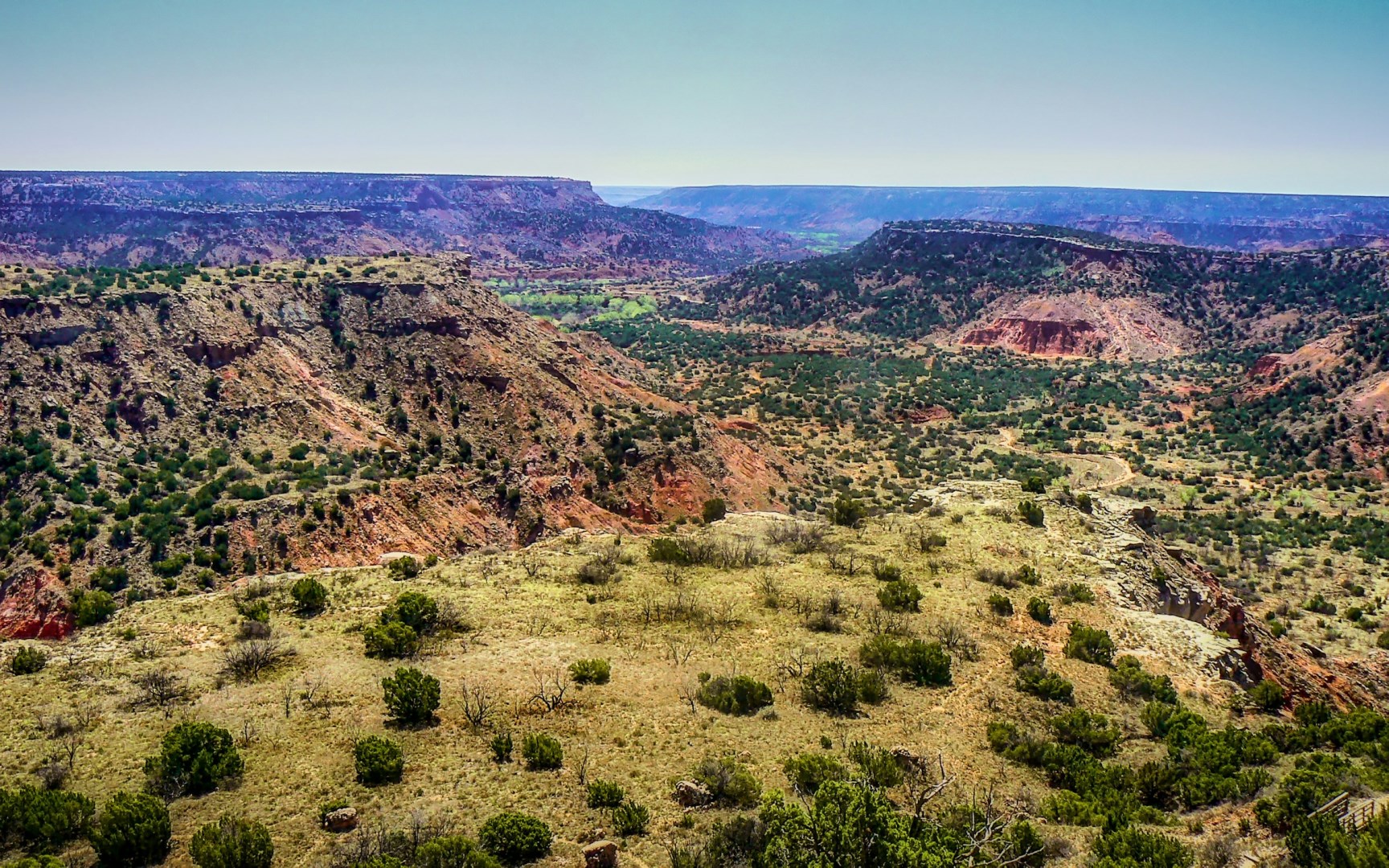
Palo Duro Canyon State Park lies in the Texas Panhandle near Canyon, protecting a section of Palo Duro Canyon, often called the “Grand Canyon of Texas.” The canyon stretches through the surrounding High Plains, with layered rock walls, mesas, buttes, and dry grasslands creating a landscape distinct from most of Texas.
Santa Maria
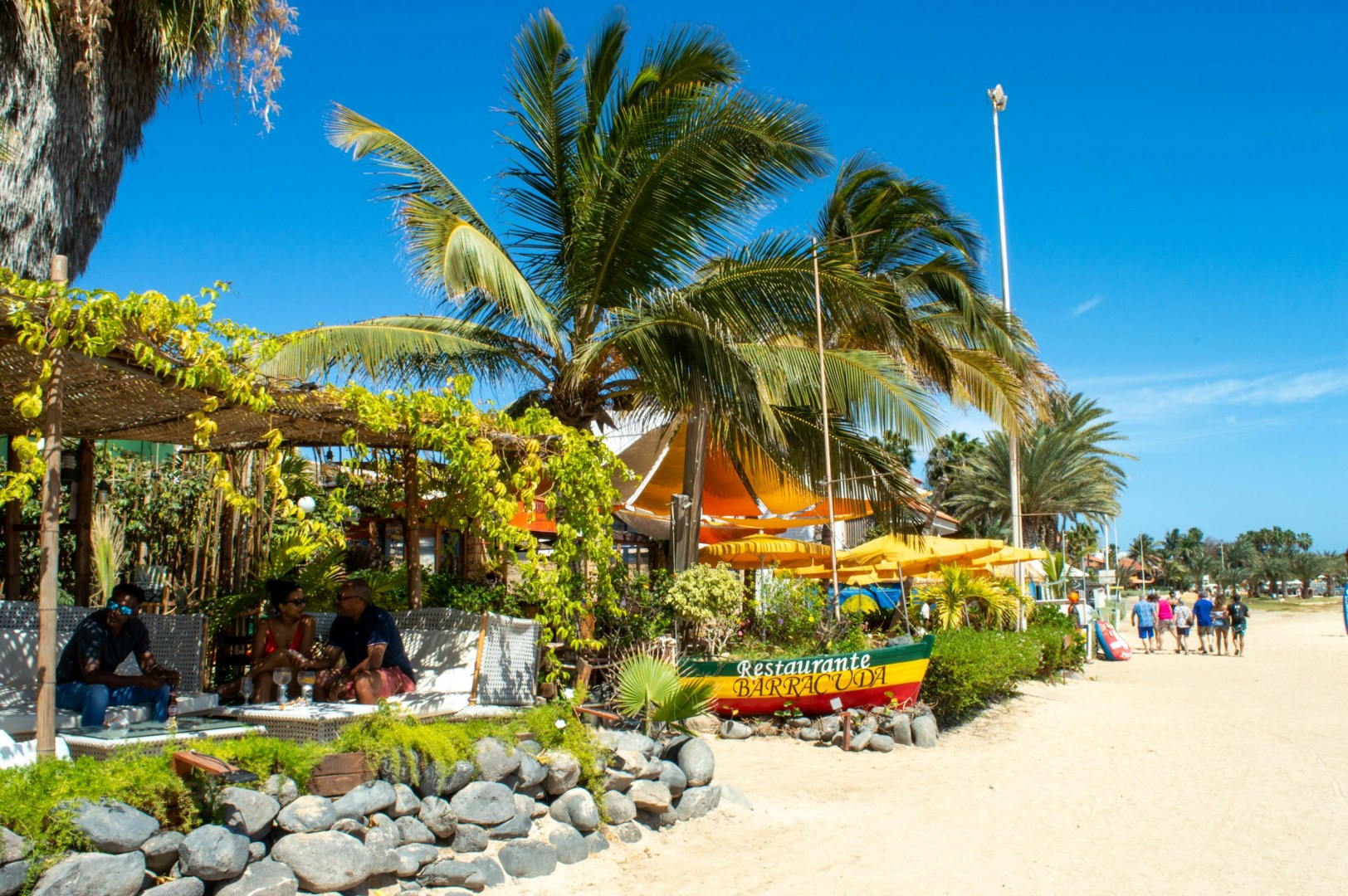
Santa Maria is the main coastal town on Sal, one of Cabo Verde’s eastern islands, and is closely connected with the island’s fishing and salt-producing heritage. The town developed beside a long sandy beach on the southern coast, with low buildings, narrow streets, small shops, restaurants, and a busy waterfront forming its center.

Dominica
Dominica, known as the “Nature Island of the Caribbean,” is a haven for eco-tourists and adventure seekers. Nestled between the French islands of Guadeloupe and Martinique, this lush island boasts a remarkable landscape of volcanic mountains, dense rainforests, and stunning waterfalls. Dominica’s most iconic natural wonder is the Boiling Lake, the second-largest hot spring in the world.

Pokhara
Pokhara, nestled in central Nepal, sits at the base of the Annapurna mountain range and has long served as both a rest stop for trekkers and a destination in its own right. What sets Pokhara apart is the rare opportunity to see 8,000-meter peaks like Machapuchare (Fishtail) and Annapurna I reflected in the calm waters of Phewa Lake. Early mornings are often the clearest, with boat rides offering peaceful views of snow-capped peaks mirrored in the lake.

Angkor Ban
A visit to Angkor Ban offers a unique opportunity to step back in time and witness a Cambodia that remains untouched by modern development. Whether admiring the historic wooden houses, visiting the temple, or engaging with friendly locals, travelers will find this riverside village a rewarding cultural experience.