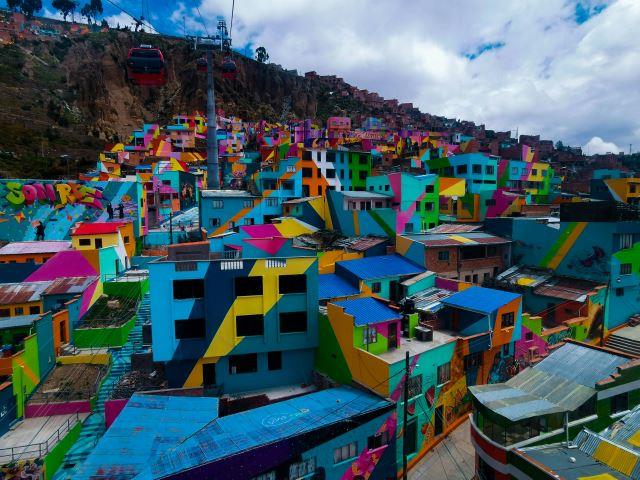
Uyuni
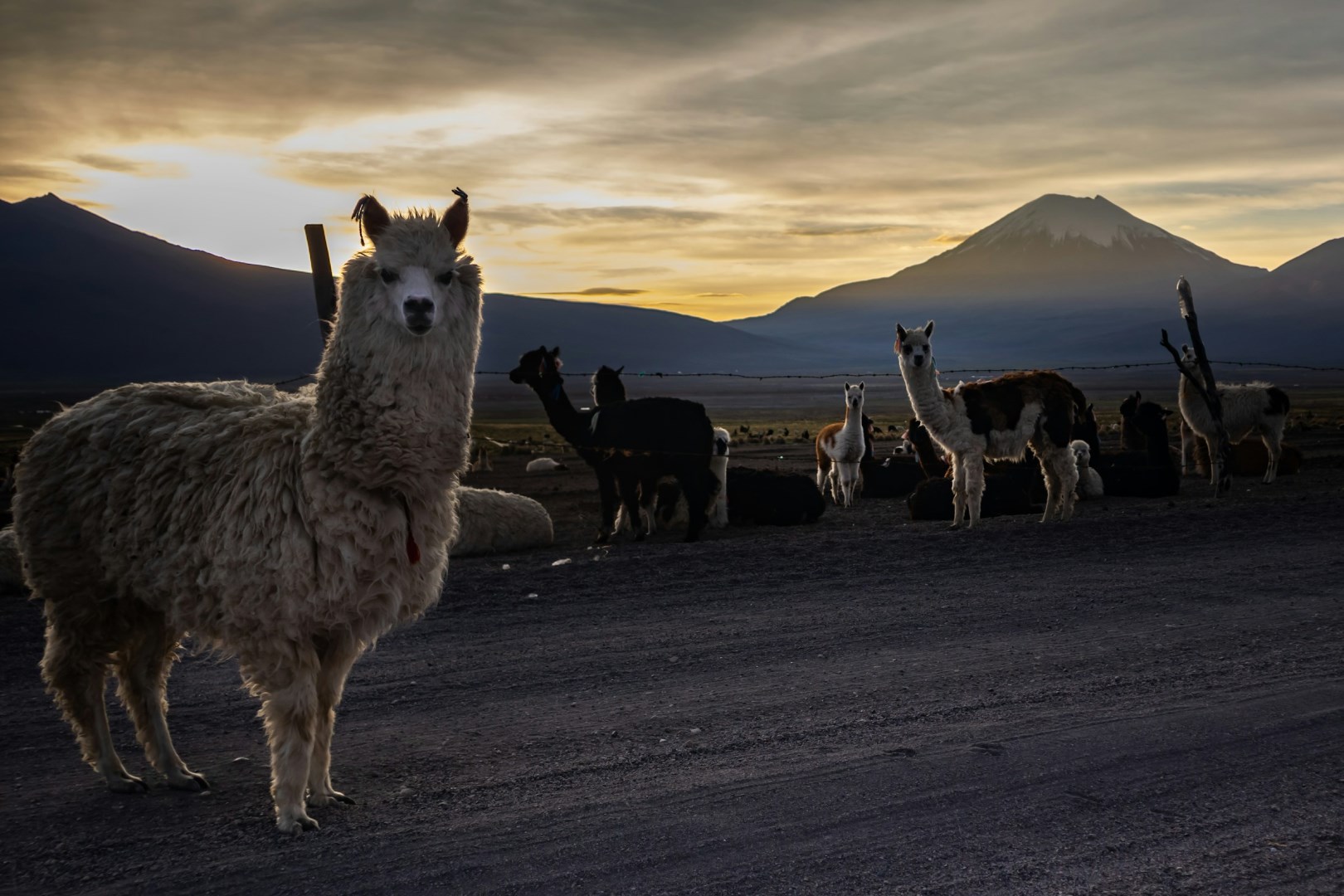
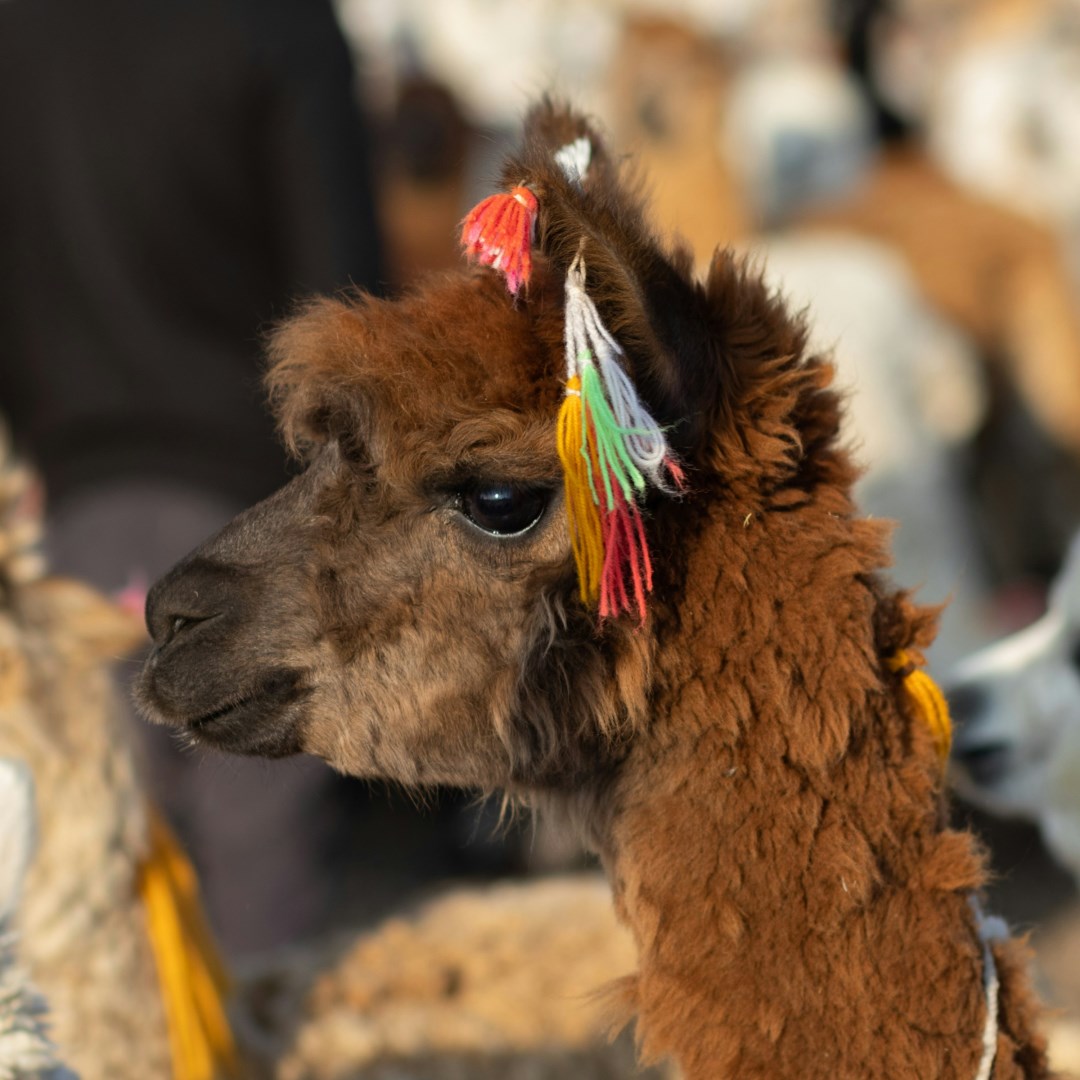
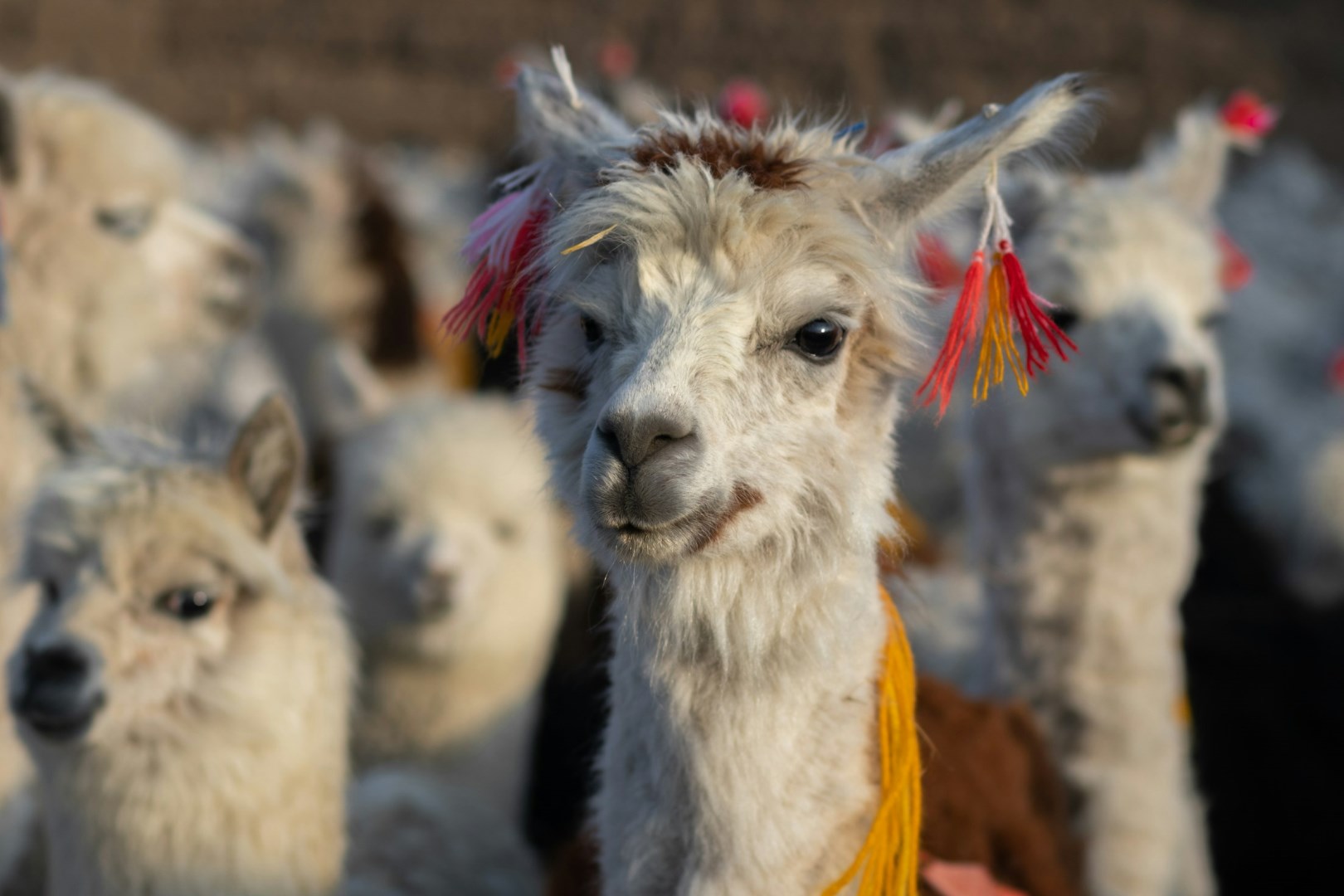
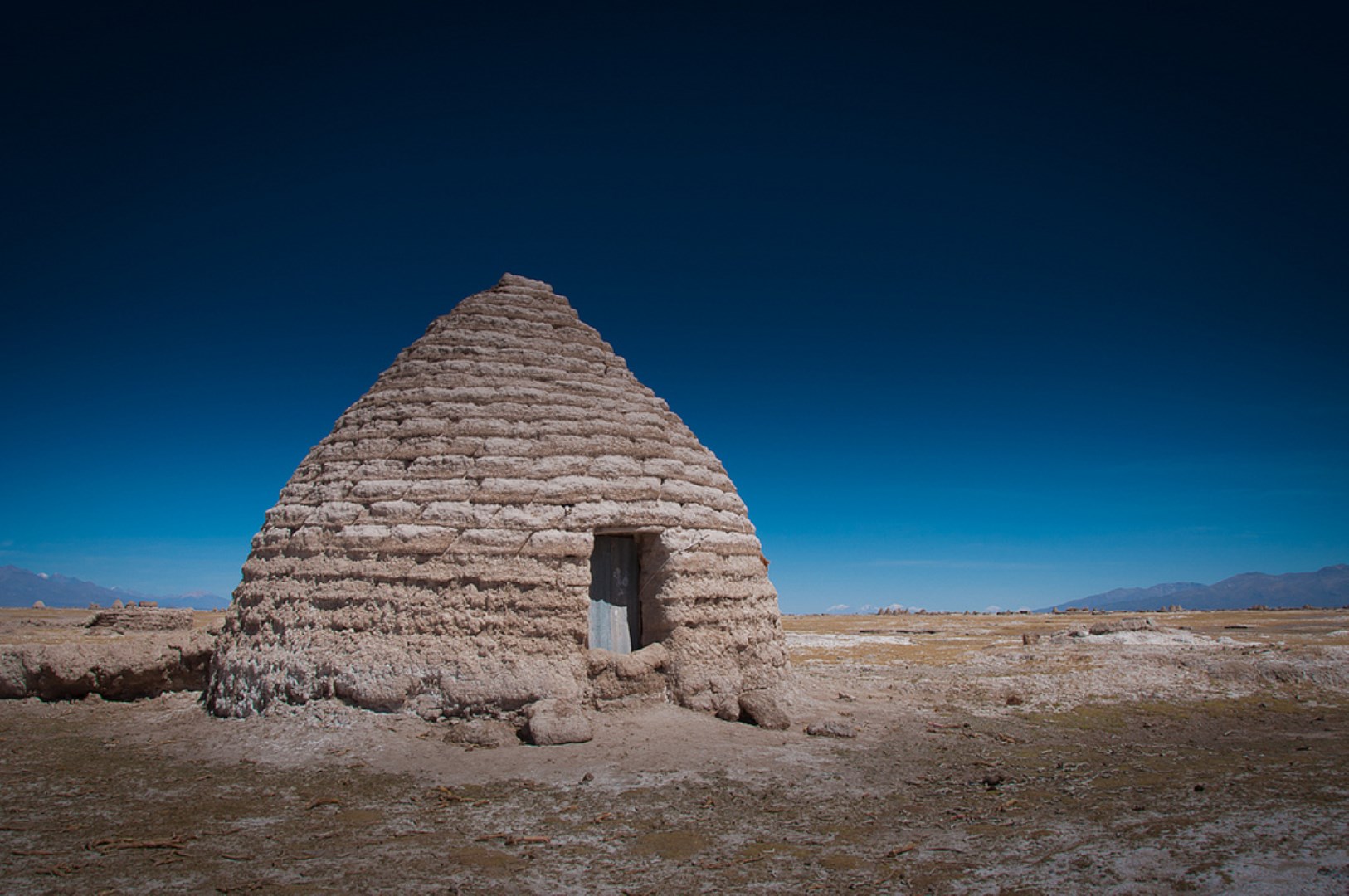
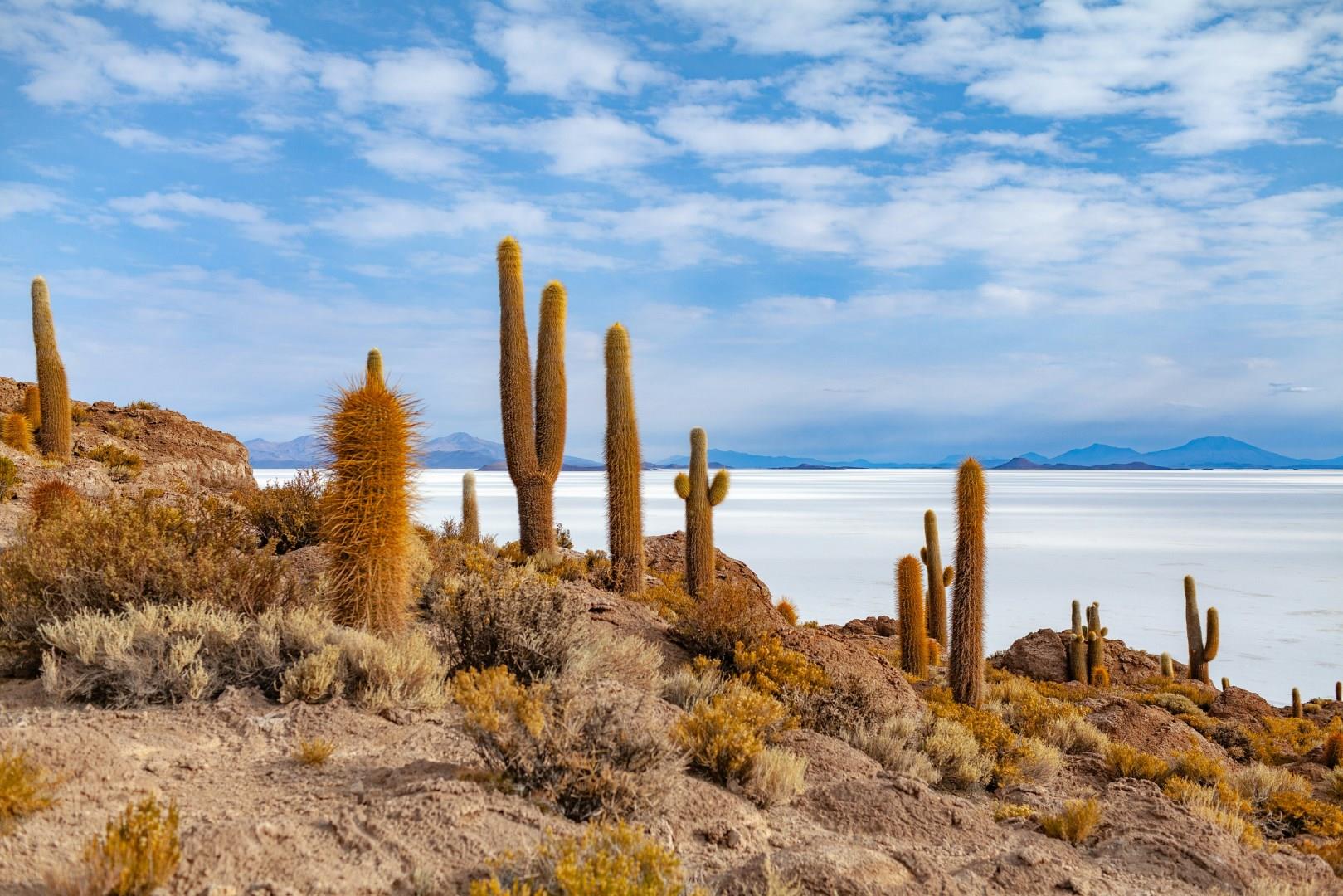
Uyuni, in southwestern Bolivia, is best known as the gateway to the world’s largest salt flat, Salar de Uyuni. Once a humble railway town, Uyuni has grown into a base for travelers drawn to this surreal landscape, where an ancient dried-up lake has left behind a vast expanse of glistening salt crust.

Coffee Axis
Nestled in the heart of the Andean mountains, Colombia's Coffee Region, or “Eje Cafetero,” is a lush tapestry of rolling hills, fertile valleys, and towering wax palms. This UNESCO World Heritage-listed landscape is more than just the epicenter of Colombia's coffee production—it is an invitation to explore a culture steeped in tradition, warmth, and a deep appreciation for the natural world.

Mykonos
This gorgeous, breezy island is a lively paradise without equal. A celebratory atmosphere will be found here, from dance clubs and DJs to summer tourists simply reveling in the good life.

Mâcon
Mâcon is a riverside town in the Saône et Loire department of southern Burgundy, set where the Saône River curves gently through the countryside. Walking through the town naturally leads visitors from the riverfront toward its historic streets, where the past seems to linger in every corner. In the heart of Mâcon’s historic district, pedestrians find streets lined with notable sites.
Diani Beach
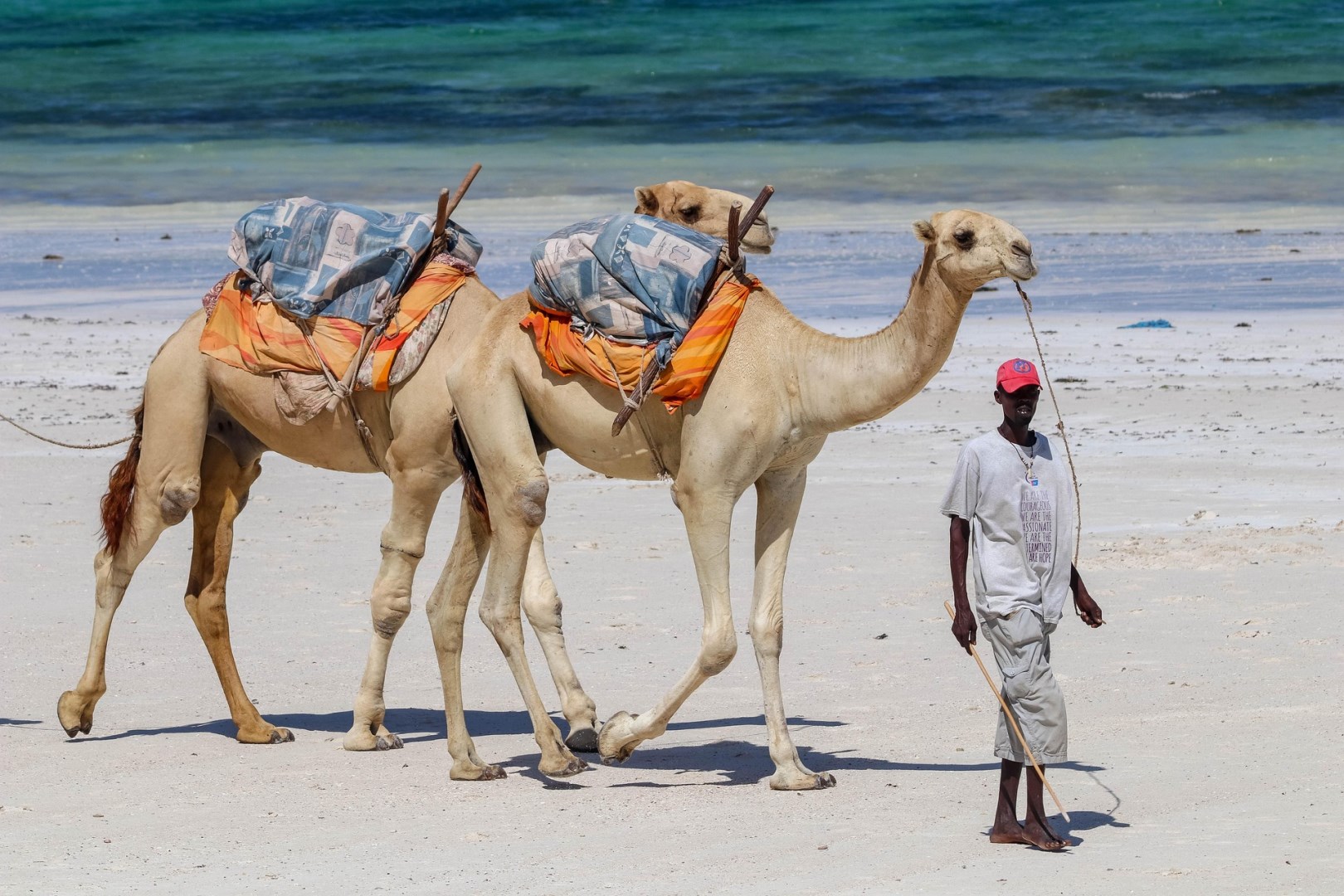
Diani Beach is a coastal destination south of Mombasa in Kenya, facing the Indian Ocean along the country’s southern coastline. Its shoreline is known for a long stretch of white coral sand bordered by coconut palms and tropical vegetation. The area developed from a coastal village environment into a major tourism centre, while nearby communities continue to support fishing, small-scale farming, crafts, and other local activities.