Chennai
Chennai, the capital of Tamil Nadu, is one of India’s oldest continuously inhabited cities, where ancient temples stand alongside colonial-era architecture and modern skyscrapers. Originally known as Madras, the city grew around Fort St. George, built by the British East India Company in 1644. One of Chennai’s most well-known features is Marina Beach, which stretches for over 13 kilometers and is among the longest urban beaches in the world.
Zaamin
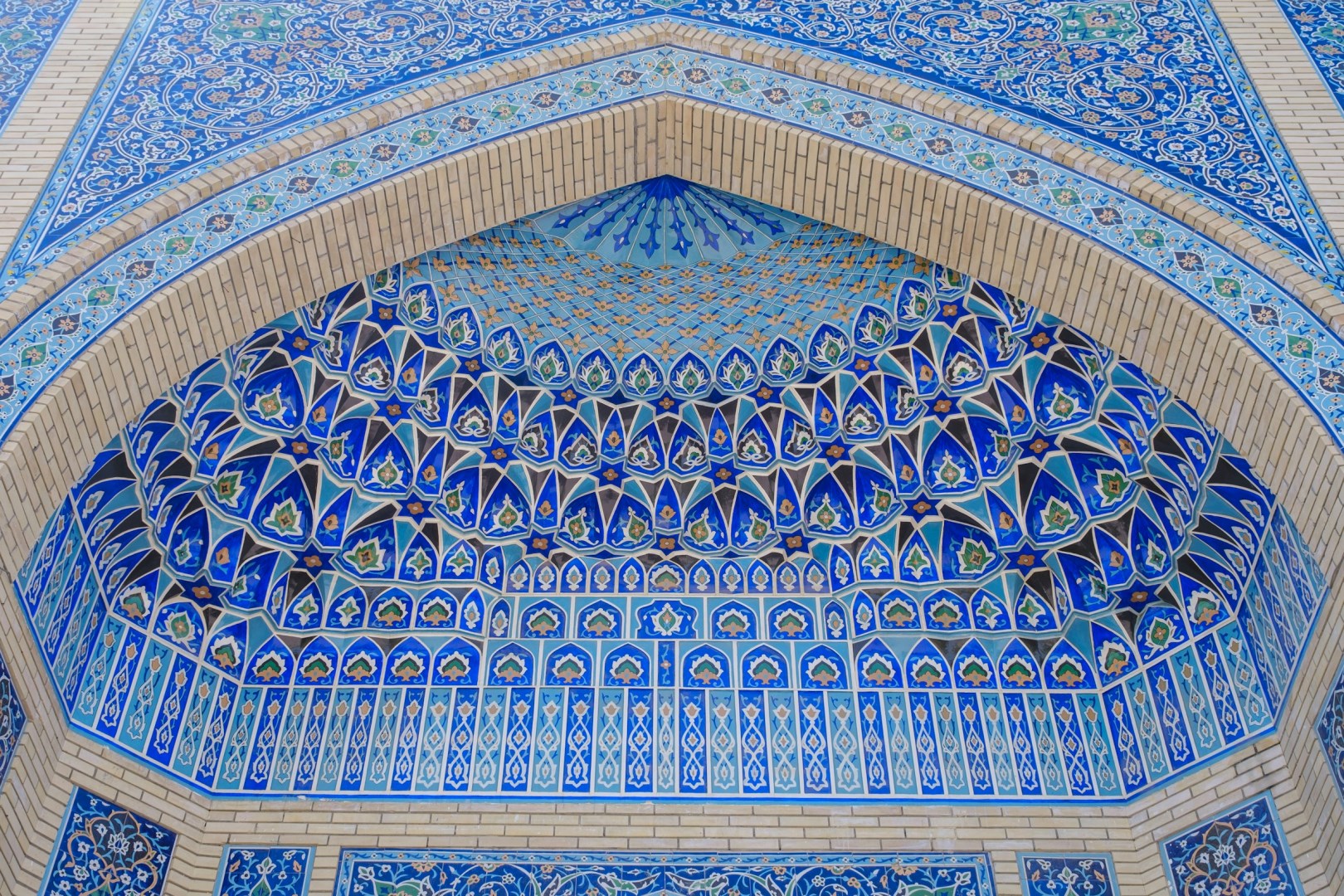
Zaamin is a mountain district in eastern Uzbekistan’s Jizzakh Region, known for its forests, highland landscapes, and traditional villages. The area lies around the Turkestan Range and is closely associated with Zaamin National Park, one of the country’s protected mountain areas. Zaamin has long been regarded as a destination for fresh mountain air and outdoor recreation, while its villages retain agricultural traditions and a quieter rural character.

Simon's Town
Simon’s Town is a coastal town on the eastern side of the Cape Peninsula, overlooking False Bay and located about 35 kilometres from central Cape Town. The town is closely associated with the sea, with a working harbour, naval facilities, historic buildings, beaches, and a long maritime tradition. Its sheltered position on False Bay helped establish it as an important harbour, while its setting between the mountains and ocean gives it a distinctive landscape.
Bamburgh
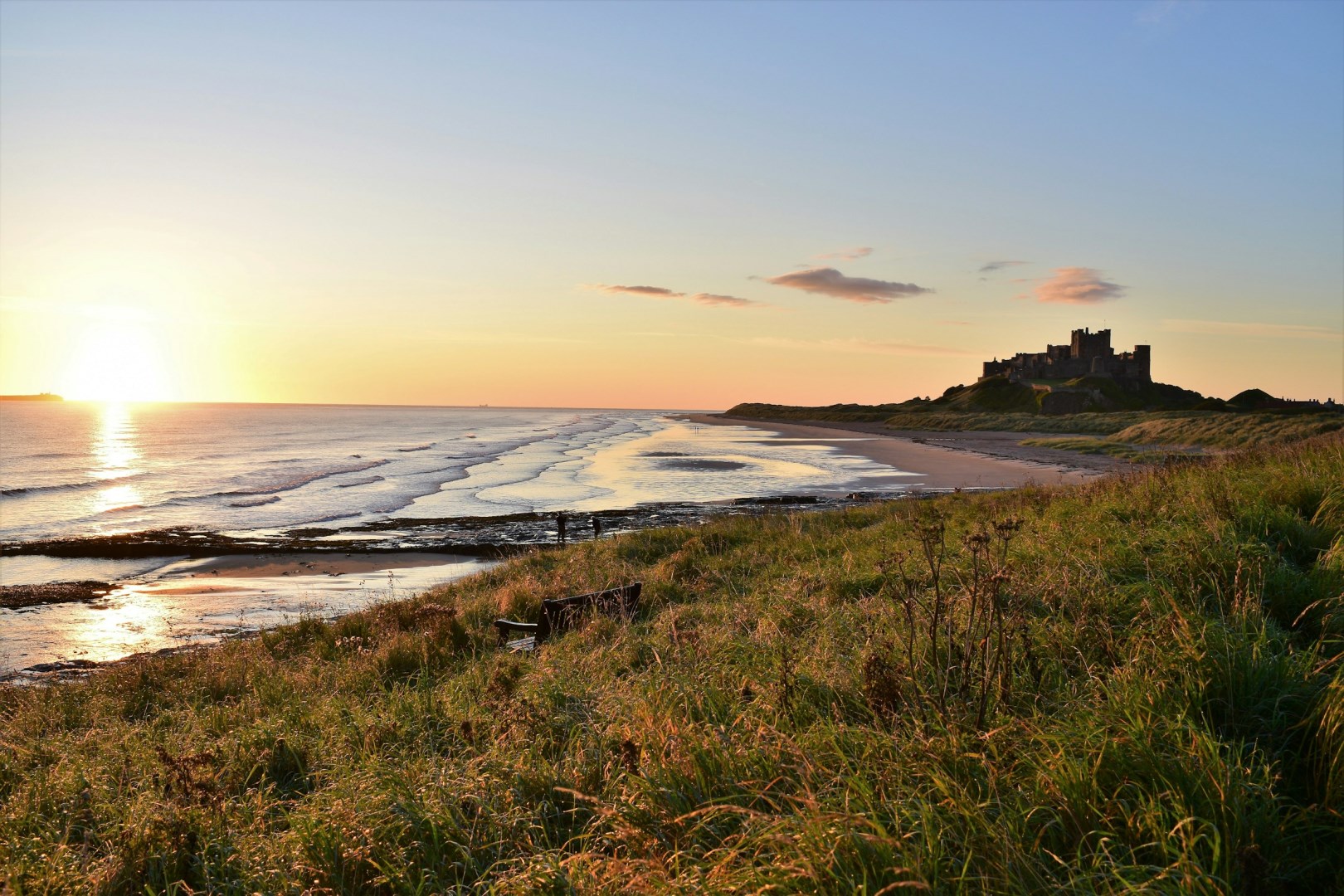
Bamburgh is a coastal village on the Northumberland coast of northeast England, overlooking the North Sea from a low rocky rise. Its most recognizable landmark is Bamburgh Castle, which dominates the village and stands above a wide stretch of sandy beach. The settlement is surrounded by open coastal scenery, dunes, and views toward the Farne Islands.
Yeghegnadzor
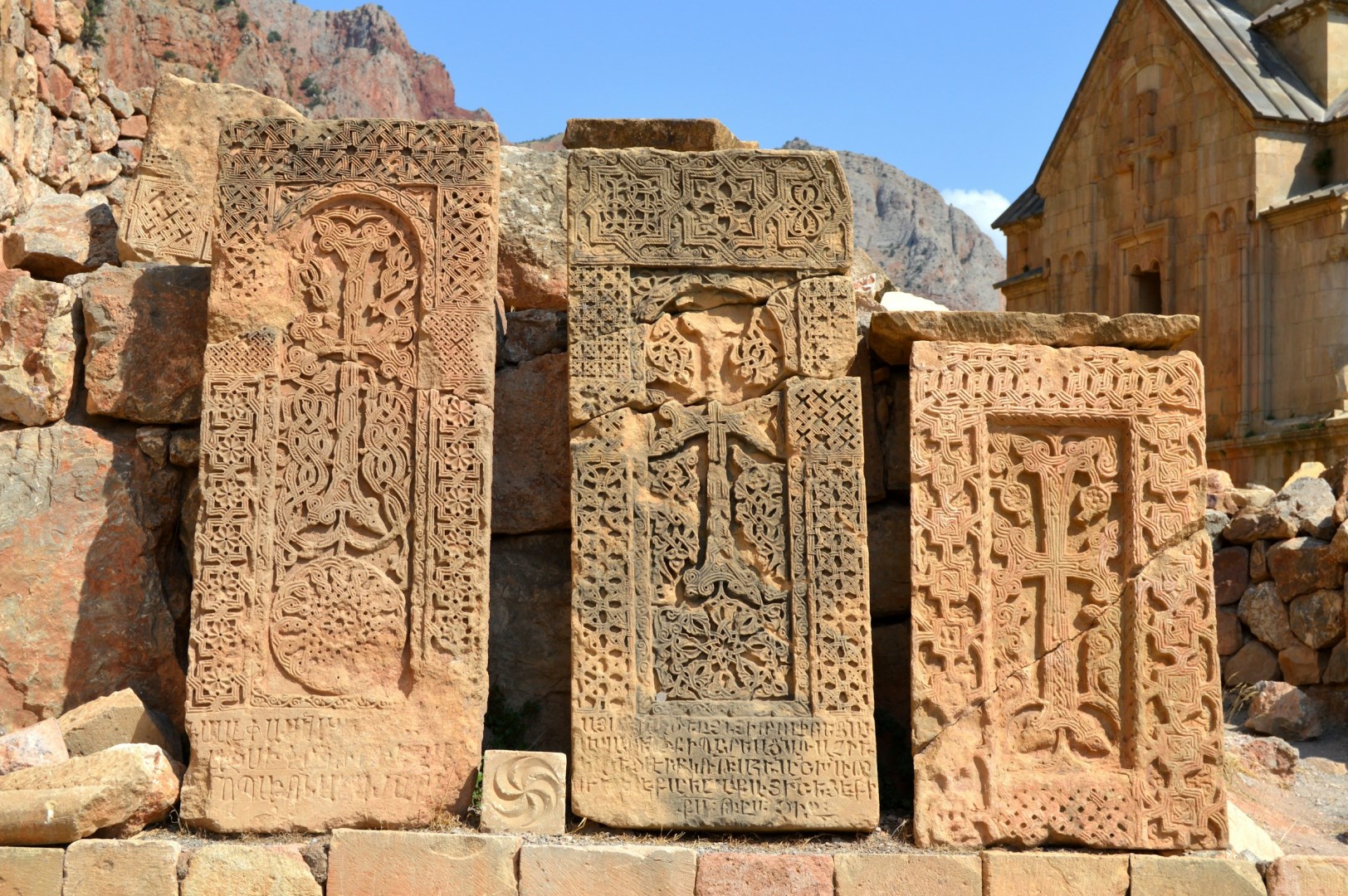
Yeghegnadzor is a town in Armenia's Vayots Dzor Province, situated in the Arpa River valley among the mountains of southeastern Armenia. The town is surrounded by dry hills, vineyards, orchards, and rocky slopes, with the Arpa River providing water for agriculture. Its position makes it a useful base for exploring the wider Vayots Dzor region, which is known for wine production, historic monasteries, mountain landscapes, and archaeological sites.