Grand Haven
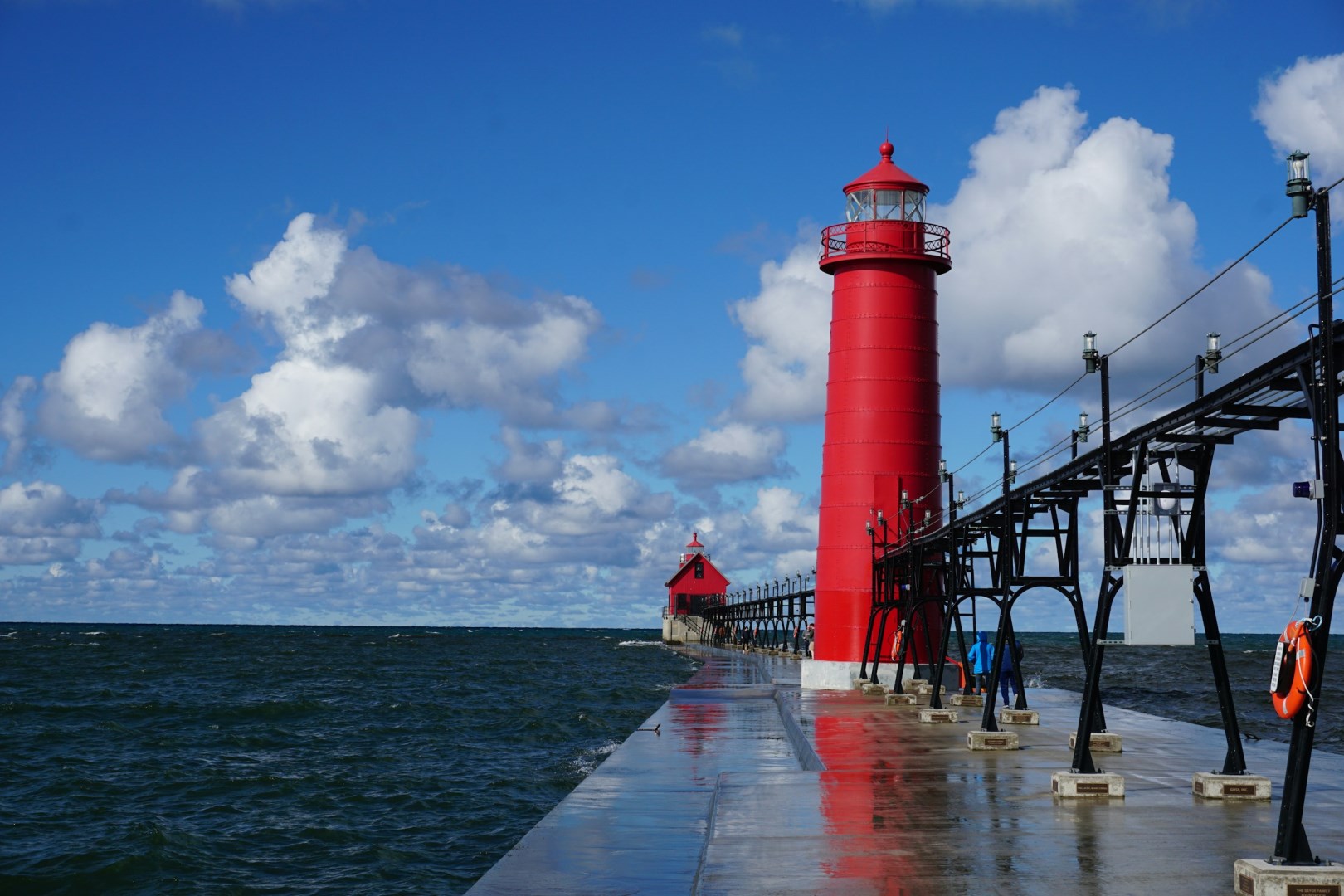
Glen Haven is a small historic lakeside settlement on the western side of Michigan’s Leelanau Peninsula, within Sleeping Bear Dunes National Lakeshore. It sits along Lake Michigan beside a sheltered natural harbor, with forested hills and steep dunes rising behind the shoreline. Unlike nearby towns, Glen Haven is primarily a preserved historic site rather than a conventional residential community.
Maryland
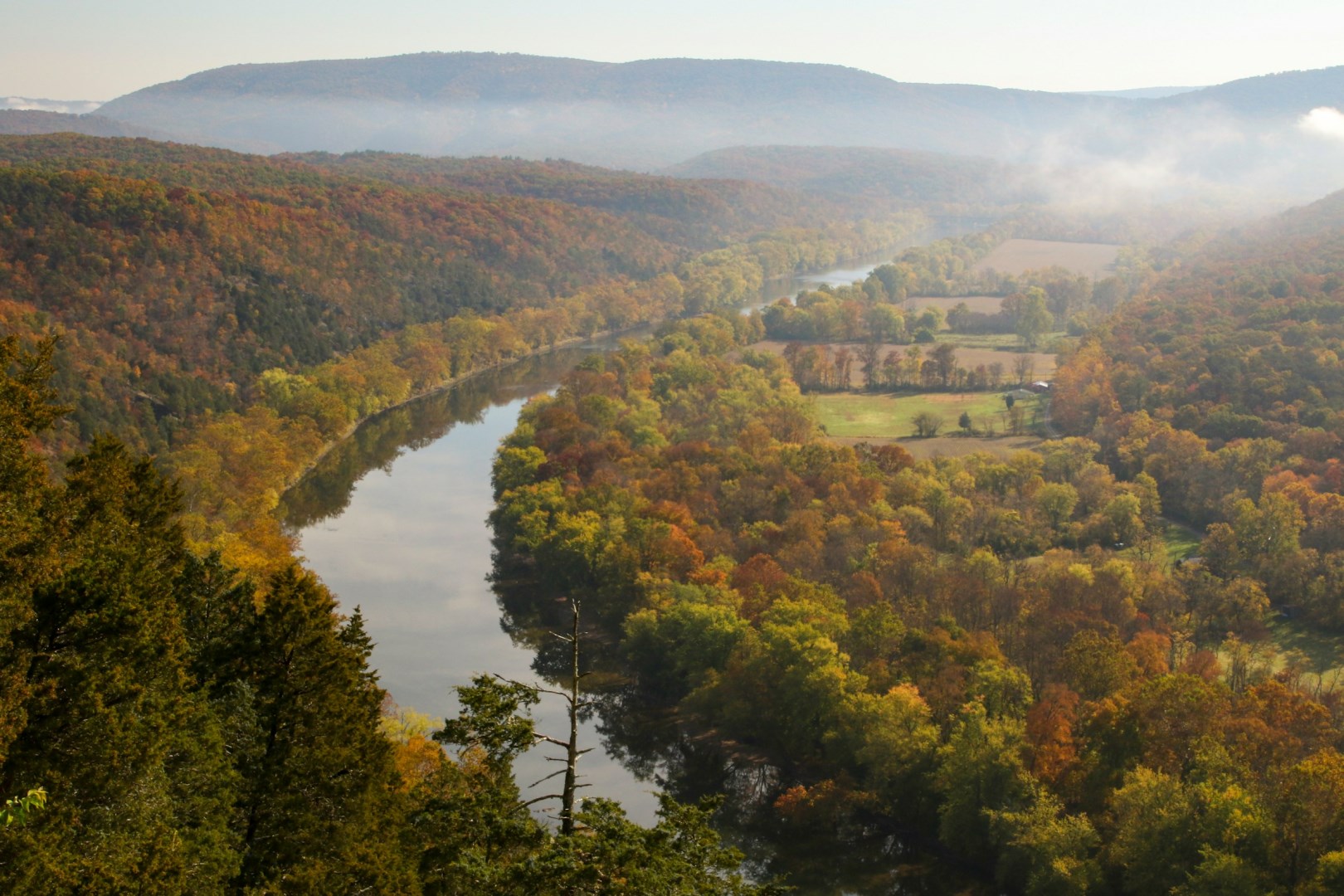
Maryland, a state rich in history and natural beauty, offers a diverse array of experiences for visitors. The city of Baltimore, with its vibrant Inner Harbor, serves as a cultural hub. The National Aquarium, featuring marine life from around the globe, is a highlight, while the nearby National Great Blacks in Wax Museum offers a profound look into African American history.
Fuerte Amador
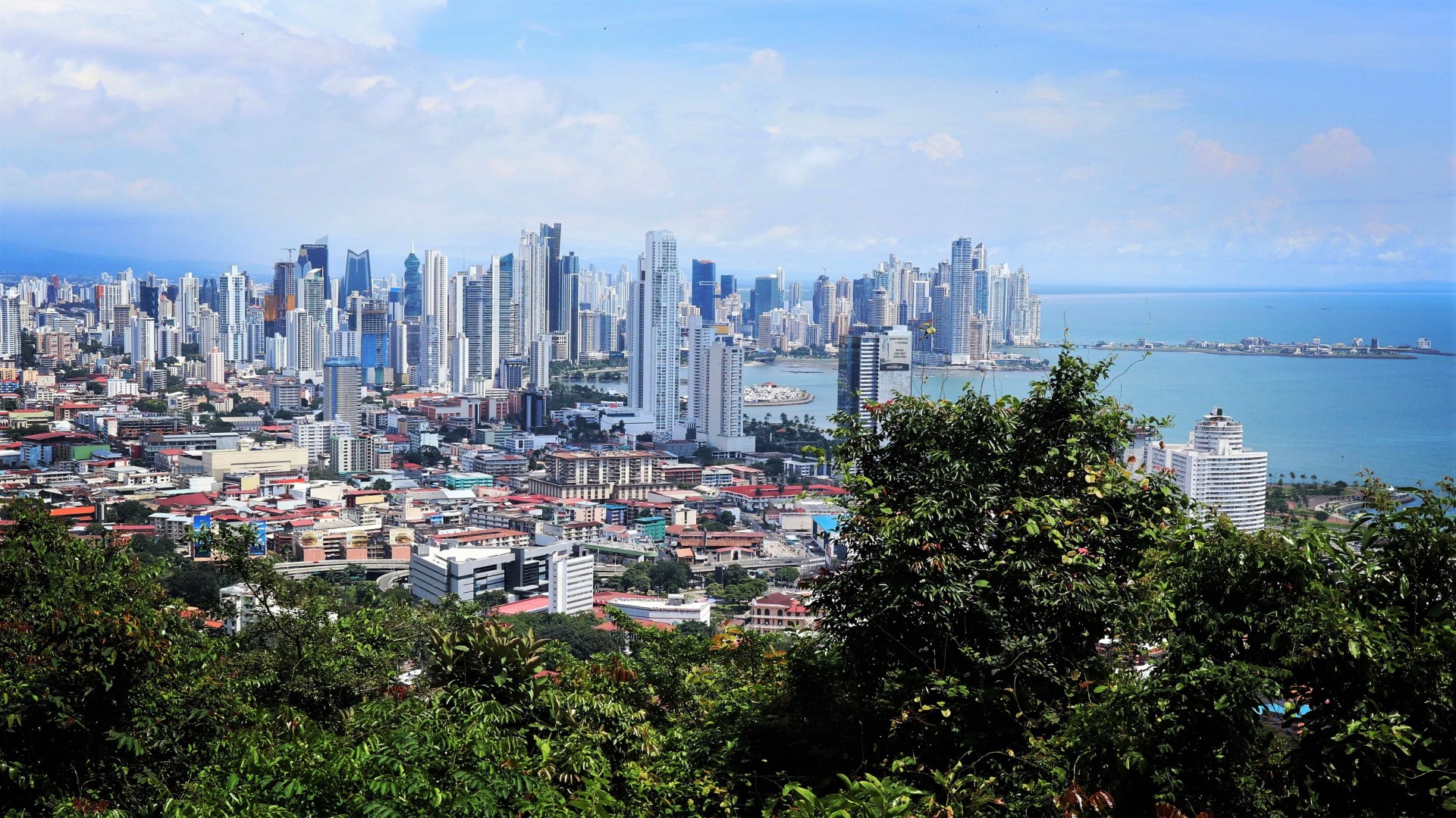
Fuerte Amador is a waterfront district located at the Pacific entrance of the Panama Canal in Panama City. Built on a causeway created with rock excavated during canal construction, the area links four small islands: Naos, Perico, Culebra, and Flamenco.
Pointe Denis
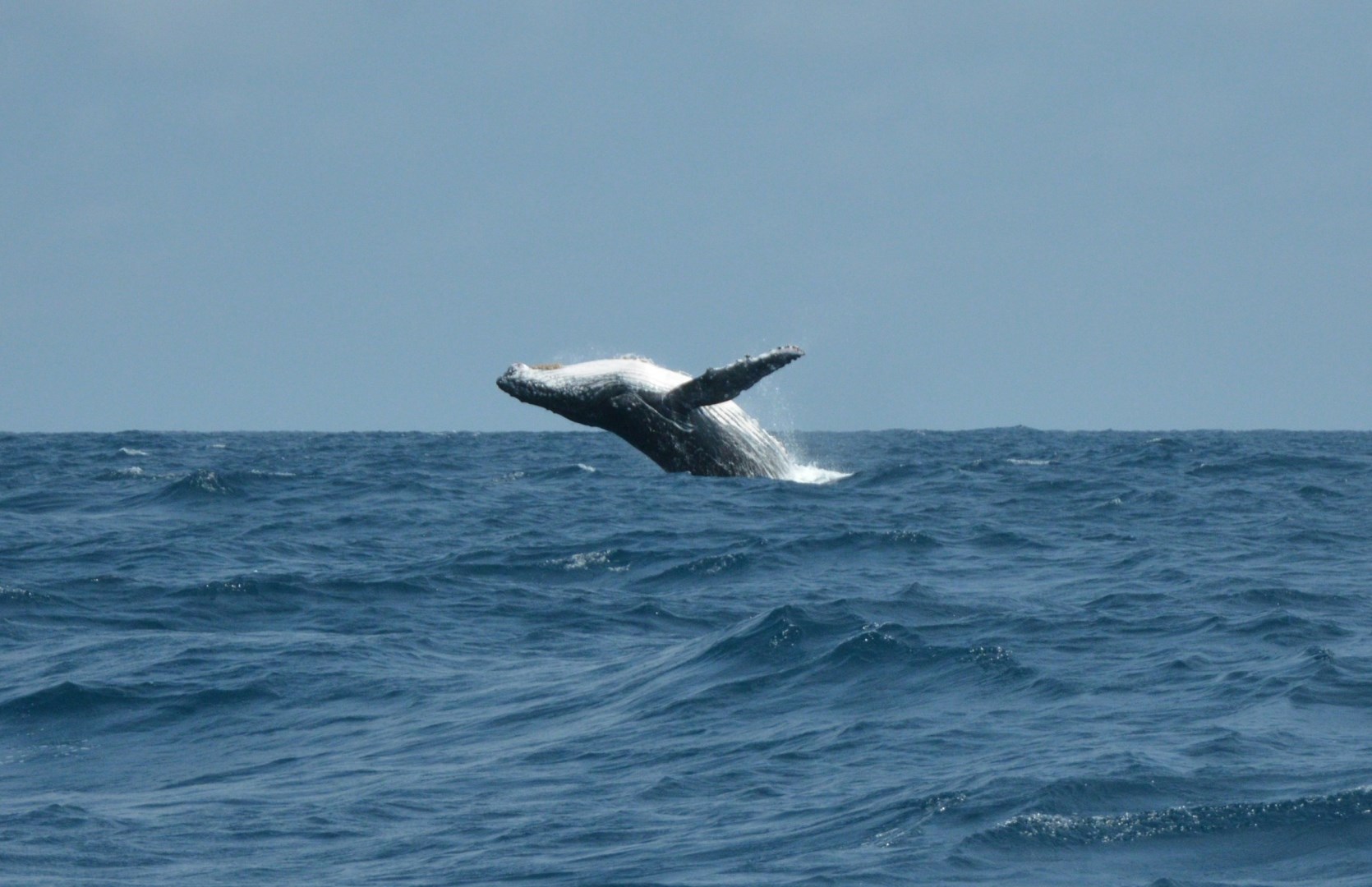
Pointe Denis is a small coastal settlement and beach area on the Pointe Denis peninsula in Gabon, across the Komo Estuary from Libreville.
Cebu
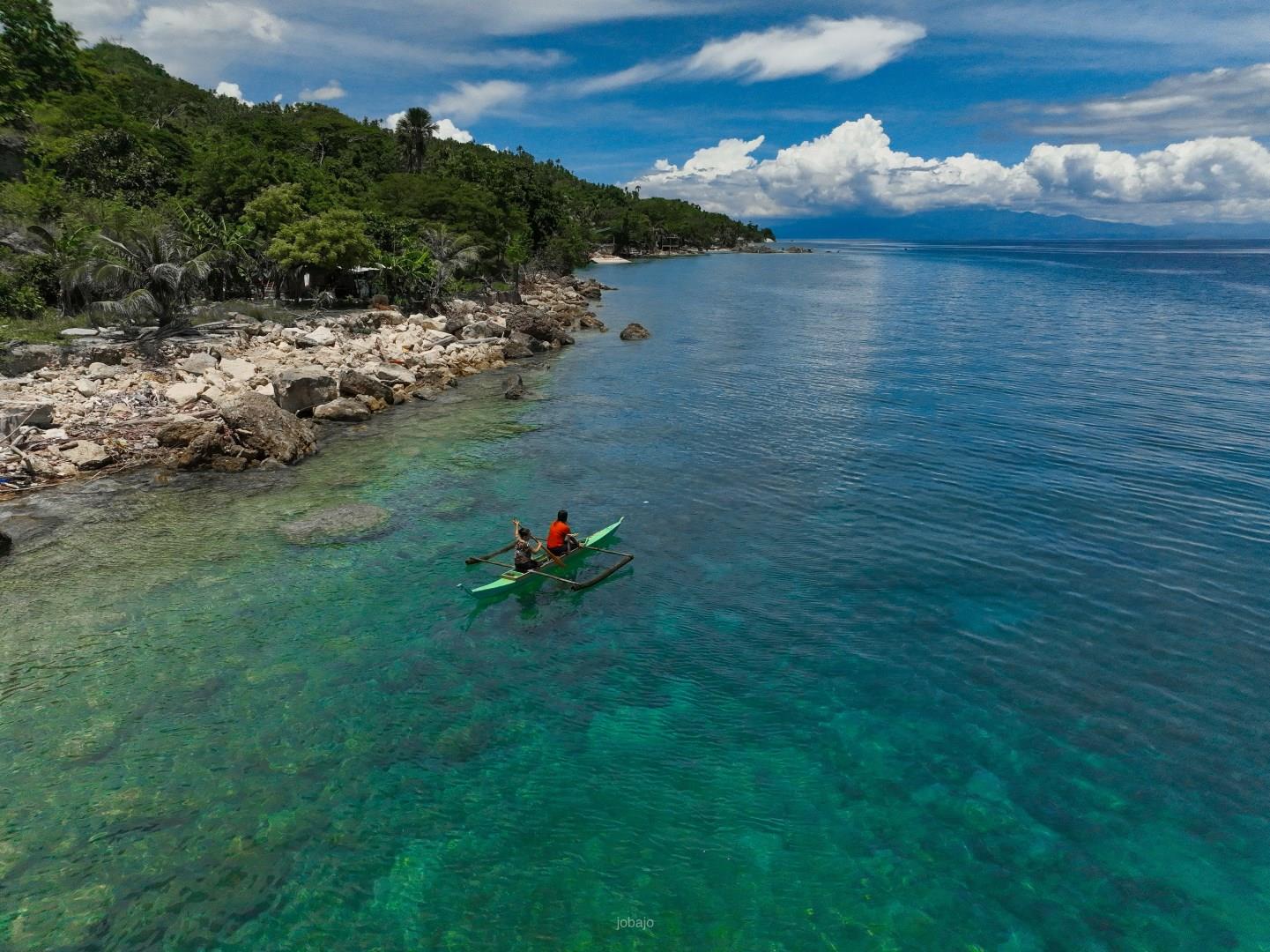
Cebu sits at the center of the central Philippines, shaped by seafaring trade and early colonial contact. It was here that Spanish rule first took hold in the 16th century, leaving a legacy visible in churches, street patterns, and long-standing ties to Catholic tradition.